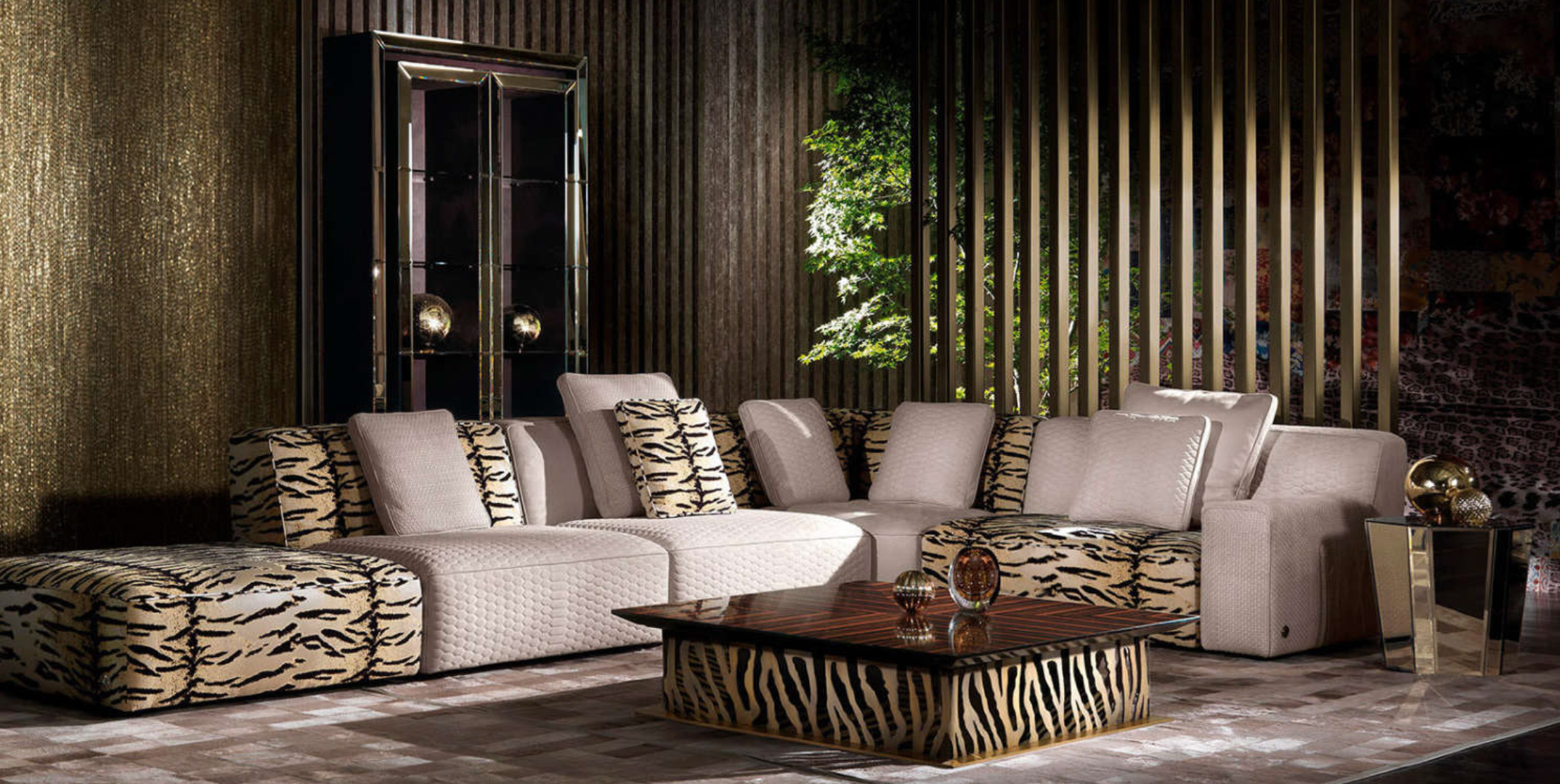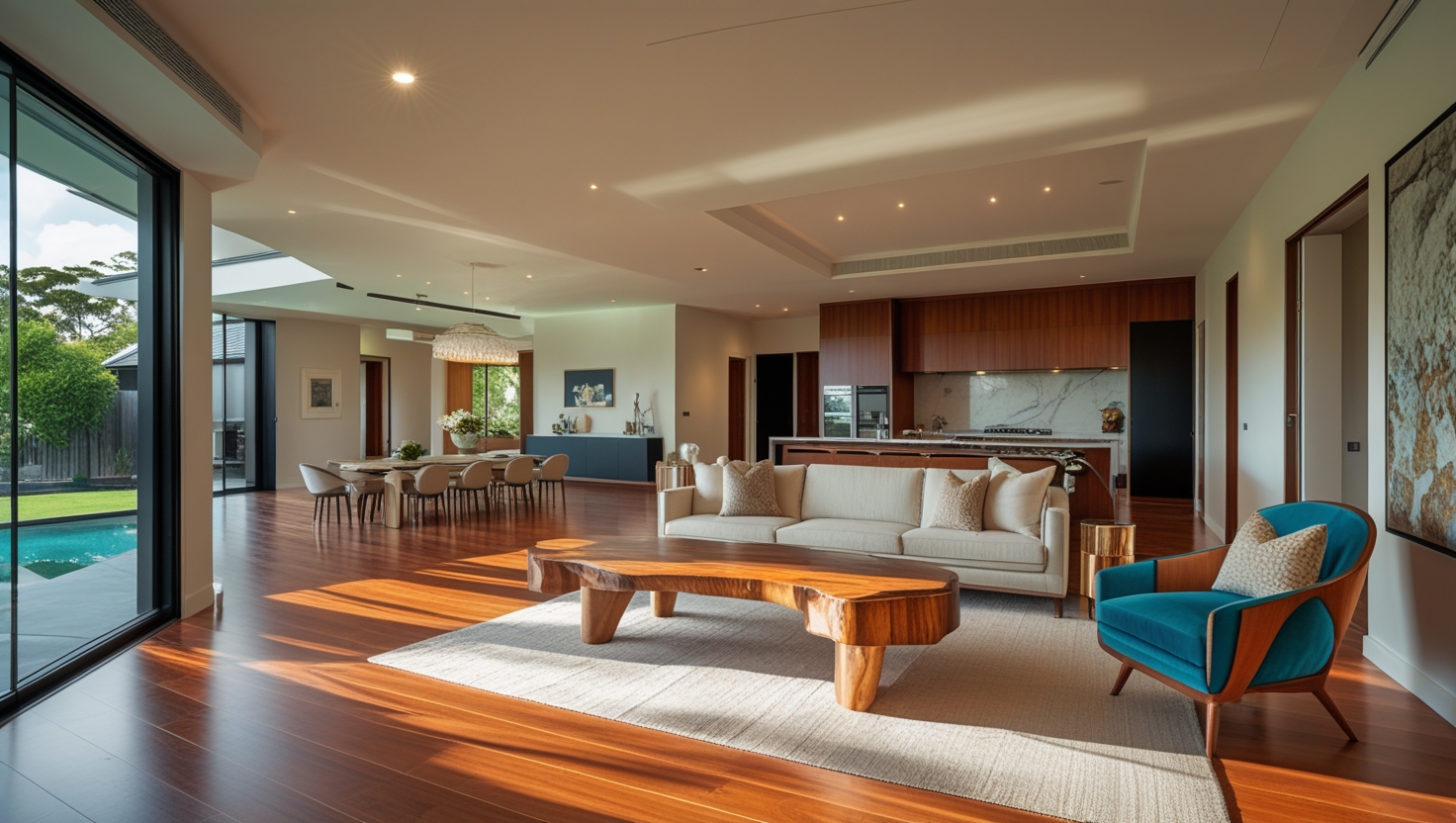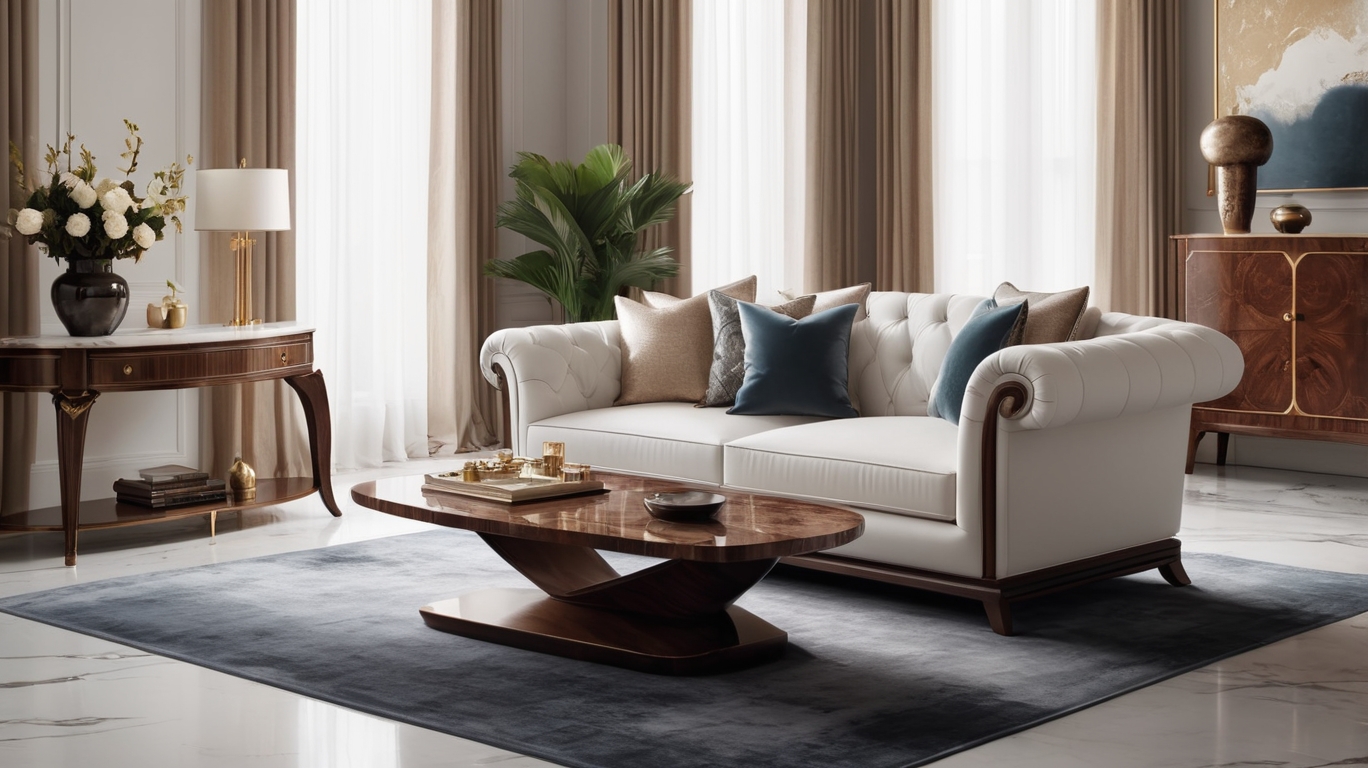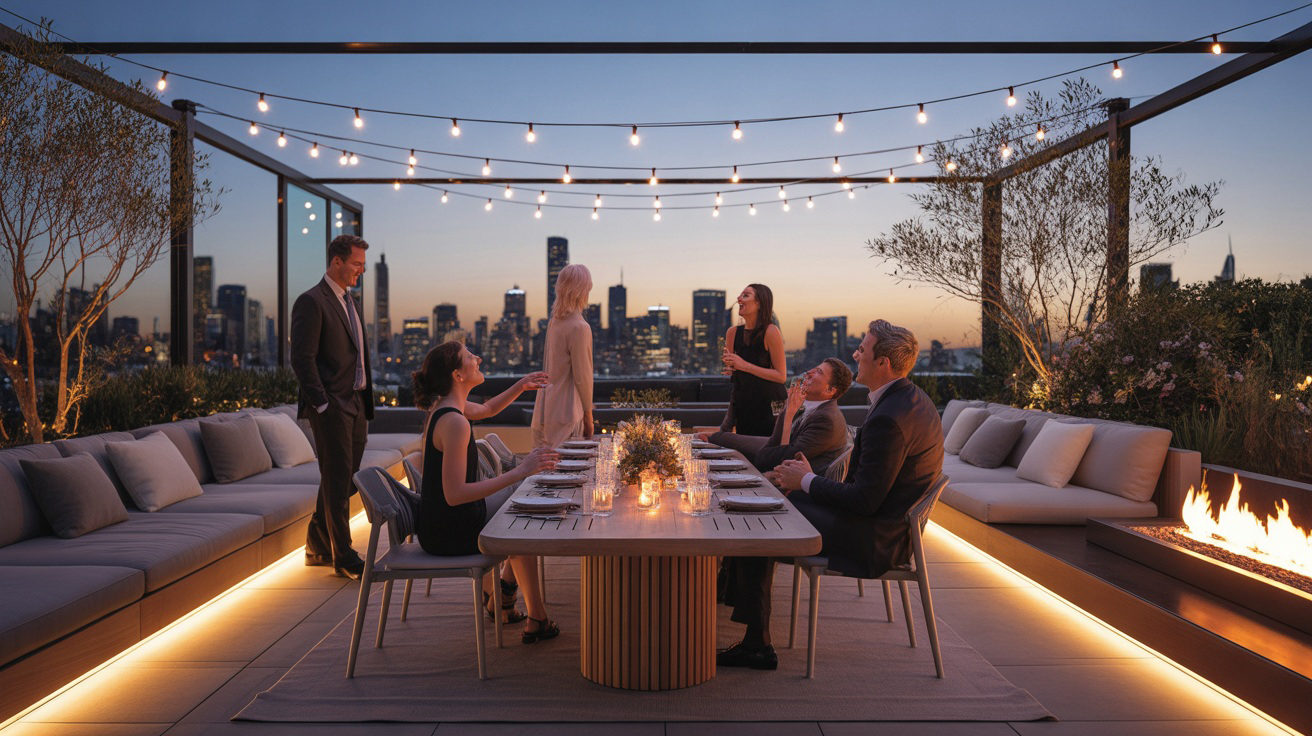
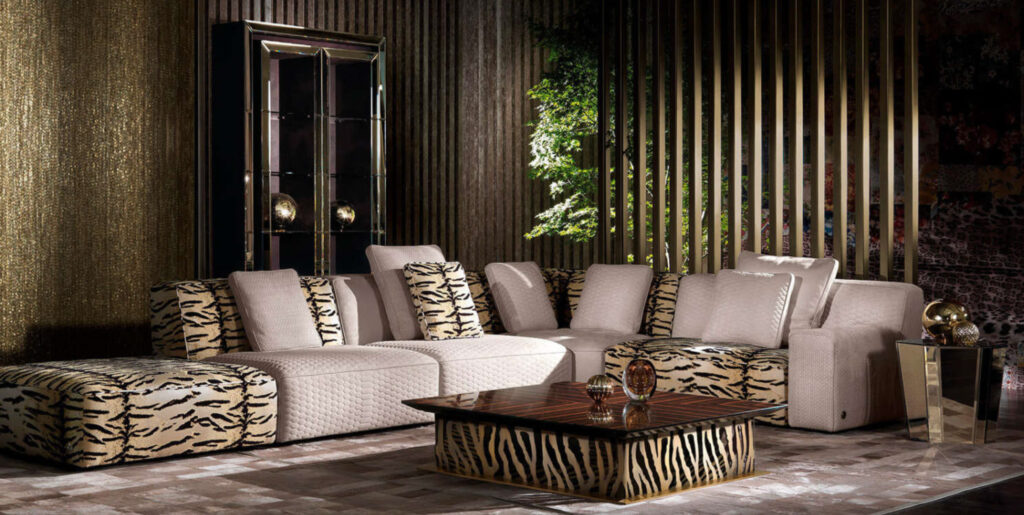
Contemporary furniture is unusually well suited to social media.
A dining table can be shown in an architectural home rather than described in isolation. A modular sofa can be rearranged on video. A timber finish can be photographed in natural light. A new collection can appear in rooms that help potential buyers imagine how the products might work in their own homes.
That visual strength creates opportunity, but it also creates a common misunderstanding.
A furniture brand does not build demand simply by maintaining an attractive Instagram grid.
Beautiful photographs may generate attention. Demand develops when social content repeatedly helps the right people discover products, understand their value, imagine owning them, trust the business and eventually take a commercially meaningful action.
That distinction matters in New Zealand, where social media forms part of everyday digital behaviour. DataReportal’s Digital 2026 New Zealand report estimates that New Zealand had 4.24 million active social media user identities in October 2025, equivalent to 80.6% of the population. Instagram’s advertising tools indicated an audience of around 2.65 million users in New Zealand at the end of 2025.
At the same time, online shopping continues to grow. NZ Post reported in July 2026 that New Zealand consumers made nearly six million more online transactions in 2025 than in 2024, with domestic retailers accounting for 79.6% of online spending. More than half of shoppers surveyed also looked for independent reviews, ratings or real customer feedback before purchasing, while a visible social media presence was among the signals shoppers used to assess whether a retailer appeared legitimate.
For contemporary furniture businesses, social media therefore sits at an interesting intersection of inspiration, credibility and commerce.
Used properly, it can create desire before someone searches for a particular product and reinforce confidence after they have already discovered the brand elsewhere.
Social Media Creates Demand Differently from Google Search
Google and social media play different roles in the furniture buying journey.
A person searching Google for “oak dining table NZ” has already expressed a need.
A person scrolling through Instagram may not have intended to buy a dining table at all.
Then they see a carefully proportioned table in a light-filled dining room, notice how it works with the surrounding chairs and architecture, save the post, visit the profile, and begin considering whether their own dining space needs something similar.
That is demand creation.
Search marketing usually responds to existing intent.
Social media can help shape intent.
Contemporary furniture businesses often need both.
Social media can introduce the aesthetic and product.
SEO and Google Ads can capture later research.
The website can provide specifications and reassurance.
Remarketing can bring the customer back.
The showroom may finally close the sale.
Thinking of social media as an isolated activity ignores how higher-value furniture purchases actually happen.
Furniture Buyers Need to See Products in Context
Studio product photography remains important, particularly for e-commerce.
Social media allows a furniture brand to go further.
A customer evaluating a contemporary sofa may understand considerably more from seeing it inside a real room than against a plain background.
Context helps communicate:
- scale;
- proportion;
- colour relationships;
- material combinations;
- styling possibilities;
- seating configuration;
- visual weight;
- how the piece interacts with architecture.
This is particularly useful for minimalist and contemporary furniture because subtle design differences often matter.
Two timber tables may be similar in dimensions but look completely different once their edge profiles, leg proportions and finishes are seen within a room.
Social content should therefore help customers visualise ownership rather than repeatedly display isolated catalogue shots.
Build Content Around Several Different Jobs
A strong furniture social strategy should not force every post to perform the same function.
Some content should create awareness.
Some should educate.
Some should strengthen trust.
Some should help customers compare products.
Some should move people towards purchase.
A useful furniture content mix might include a handful of recurring content types:
- completed room settings and styled interiors;
- close-up material and construction details;
- product demonstrations and configuration videos;
- customer homes, with permission;
- new collection launches;
- styling and spatial advice;
- manufacturing or workshop content;
- designer or founder commentary;
- delivery and installation footage;
- FAQs about dimensions, materials and care.
This gives the audience different reasons to continue following the brand.
An endless sequence of product photographs accompanied by “Available now” does not constitute a social media strategy. It constitutes a catalogue that has somehow developed hashtags.
Sell the Design Idea Before Selling the Product
Contemporary furniture often carries a broader aesthetic promise.
Customers are not merely buying a coffee table.
They may be buying into ideas about uncluttered living, natural materials, architectural simplicity, craftsmanship or contemporary New Zealand interiors.
Social media is particularly useful for communicating that larger design point of view.
A brand can show how pieces work together.
It can demonstrate how a minimalist room still feels warm.
It can explain why a lower-profile sofa suits a particular space.
It can compare different timber finishes against flooring.
It can show how a dining table behaves in both a compact urban home and a larger open-plan interior.
This content helps customers understand the brand beyond individual SKUs.
That matters because many furniture businesses compete with products that appear superficially similar.
Design interpretation can become part of the differentiation.
Room-Setting Content Should Reflect Real New Zealand Homes
New Zealand furniture brands should avoid treating local relevance as a requirement to place obvious national symbols in every photograph.
The more useful approach is architectural and lifestyle relevance.
Depending on the target market, social content might naturally feature furniture in:
- contemporary urban homes;
- renovated villas;
- bungalows;
- apartments;
- townhouses;
- coastal homes;
- baches;
- larger lifestyle properties.
A compact Auckland apartment presents different spatial challenges from a larger lifestyle home.
A Wellington townhouse may create questions around proportions and access.
A contemporary Christchurch house may provide different opportunities for open-plan furniture arrangements.
These differences can inspire useful content without turning every caption into geographic keyword stuffing.
The aim is for New Zealand customers to recognise believable living environments.
Short-Form Video Can Explain What Photography Cannot
Furniture is visual, but some qualities are better shown through movement.
Short-form video can demonstrate:
- an extendable dining table opening;
- modular sofa components being rearranged;
- storage mechanisms;
- drawers and hardware;
- rotating lounge chairs;
- upholstery texture in changing light;
- the scale of furniture beside a person;
- delivery and installation;
- behind-the-scenes manufacturing;
- a room before and after styling.
Reels are especially relevant because both Instagram and Facebook support vertically formatted short video advertising.
Meta’s current business guidance recommends creative designed specifically for the Reels environment, including vertical 9:16 formats where appropriate, rather than simply recycling every horizontal advertising asset unchanged.
For furniture brands, that does not require every piece of content to resemble entertainment.
The product itself can remain the focus.
A slow, carefully filmed sequence showing craftsmanship or a modular configuration may suit a premium contemporary brand better than following whichever audio trend is currently exhausting civilisation.
Use Photography and Video Together
Furniture brands should not interpret the popularity of video as evidence that still imagery has become useless.
Different formats serve different purposes.
High-resolution photography may be superior when customers want to inspect proportions, details or an entire room.
Carousel posts can show:
- the complete room;
- the product from another angle;
- a material close-up;
- dimensions;
- a styling detail.
Video can then show movement and atmosphere.
A strong social account therefore develops a visual system rather than selecting one format as the winner.
Pinterest Can Matter When Customers Are Planning Interiors
Pinterest deserves consideration for furniture and interiors because its behaviour differs from more conversation-led social networks.
People often use it while actively collecting ideas, planning rooms and making future purchase decisions.
Pinterest’s 2026 business guidance describes the platform as centred on planning and decision-making, with users frequently searching and saving content around important life and home-related moments.
This behaviour aligns naturally with furniture.
A potential customer may create boards for:
- dining-room ideas;
- living-room layouts;
- first-home furnishing;
- apartment interiors;
- timber furniture;
- contemporary New Zealand homes;
- bedroom styling;
- renovation inspiration.
Furniture brands can therefore make content useful beyond the immediate social feed.
Pinterest imagery should link naturally towards relevant product, category or editorial pages rather than merely existing for impressions.
The platform has also published New Zealand retailer examples. In a Pinterest business case study, Noel Leeming used lifestyle-based creative to help New Zealand users visualise products within home settings, illustrating the broader principle that contextual imagery can connect products with planned living environments.
A furniture brand should not assume another retailer’s results will transfer directly to its own campaigns, but the creative principle is relevant.
Social Media Should Answer Buying Questions
Educational content is sometimes overlooked because furniture appears self-explanatory.
It is not.
Customers have plenty of questions.
How many people fit around this table?
How much clearance does a dining chair require?
Will this sofa suit a narrow living room?
Does solid timber change colour?
How should the surface be maintained?
What is the difference between two upholstery options?
Can the product fit through a standard doorway?
How long does made-to-order furniture take?
Turning these questions into social content has several advantages.
It demonstrates expertise.
It helps customers make better decisions.
It produces genuinely useful posts.
And it gives the brand something to publish besides another picture of the same sofa contemplating a pot plant.
Show Materials Closely
Material choice often influences the price of contemporary furniture.
A customer cannot assess that value if the social media content hides every construction detail beneath distant room photography.
Useful close-up content might show:
- timber grain;
- edge detailing;
- joinery;
- stone surfaces;
- powder-coated frames;
- upholstery texture;
- stitching;
- drawer mechanisms;
- handmade details.
Captions can explain what the material is and why it was selected.
This is especially important where a business competes on craftsmanship or specification rather than low pricing.
If the product commands a premium because of materials and construction, the marketing should actually show them.
Behind-the-Scenes Content Can Make Premium Brands More Credible
Contemporary furniture businesses often have rich processes that customers never see.
Design development.
Prototype testing.
Timber selection.
Upholstery work.
Finishing.
Quality checking.
Packaging.
Installation.
These can become strong social content because they provide evidence behind the finished product.
Where products are genuinely designed or manufactured in New Zealand, accurately documenting that process can strengthen local brand identity.
Businesses should, however, be precise about manufacturing claims.
A locally designed product manufactured offshore is not the same as locally manufactured furniture.
A brand importing finished pieces should not imply otherwise through vague workshop-style storytelling.
Trust tends to survive facts rather better than creative ambiguity.
Customer Homes Provide Powerful Social Proof
Professionally styled campaigns demonstrate the ideal version of a product.
Real customer homes demonstrate that people actually buy and live with it.
With permission, furniture businesses can feature:
- delivered products;
- completed dining rooms;
- living spaces;
- renovated homes;
- customer styling;
- repeat buyers;
- designer installations.
This kind of content combines inspiration with proof.
It can also answer the common question: “What does this actually look like outside the catalogue?”
NZ Post’s 2026 e-commerce research found that more than half of surveyed shoppers looked for independent reviews, external ratings or genuine shopper feedback before buying.
Furniture brands should therefore view authentic customer evidence as part of the wider trust system, not merely as a pleasant social-media extra.
Encourage User-Generated Content Without Manufacturing It
Customers who genuinely enjoy a furniture purchase may be willing to share photographs or tag the brand.
Businesses can make this easier by:
- clearly displaying the social handle;
- resharing customer posts with permission;
- politely inviting customers to share completed spaces;
- featuring selected customer interiors;
- acknowledging designers, photographers and homeowners properly.
The content must remain genuine.
Fabricated testimonials, fake customers or staged “user” content may undermine the very trust the strategy is meant to create.
Creator Partnerships Can Work When the Audience Fits
Influencer or creator marketing can be useful for furniture, but follower count should not be the primary selection criterion.
A smaller New Zealand interior designer, architect, renovator or home-content creator may have a more commercially relevant audience than a larger lifestyle account with little connection to interiors.
Businesses should consider:
- audience location;
- home and design relevance;
- content quality;
- engagement;
- credibility;
- brand compatibility;
- previous partnerships;
- whether the creator can explain a product naturally.
The collaboration itself should also make sense.
Furniture works well when integrated into a real room transformation or design story.
A creator standing beside a dining table announcing that they are “obsessed” with it for eight seconds provides somewhat less information.
Collection Launches Need More Than One Announcement
A contemporary furniture collection represents an opportunity to build demand over time.
Instead of publishing one launch post, brands can structure content across several stages.
Before launch
Show materials, silhouettes, sketches or partial details.
Explain the design inspiration.
Introduce the problem the collection was designed to address.
Launch
Reveal the complete pieces.
Show the range in a strong interior setting.
Explain availability, key specifications and where customers can explore it.
After launch
Publish individual product stories.
Show alternative finishes.
Demonstrate scale.
Share videos.
Feature customer or designer responses.
Answer frequently asked questions.
Run relevant paid campaigns.
This extends the commercial life of the campaign.
A product collection that took months to develop deserves slightly more marketing effort than disappearing after Tuesday’s launch post.
Organic Social Media and Paid Social Should Work Together
Organic content is useful for building the brand, maintaining relationships and creating evidence prospective buyers can inspect.
Its distribution is not entirely under the business’s control.
Paid social advertising gives furniture brands the ability to deliberately extend selected creative beyond existing followers.
These roles complement each other.
Strong organic content reveals which visuals, messages and product stories people respond to.
Successful assets can then inform paid campaigns.
Paid advertising can introduce collections to broader relevant audiences and bring previous website visitors back.
The important point is that businesses should not automatically boost every post.
Advertising budget should support clear commercial objectives.
Paid Social Can Work Across the Customer Journey
A contemporary furniture brand might use paid social differently depending on the audience.
Awareness advertising can introduce the design aesthetic and collections.
Consideration advertising can highlight product details, room settings or educational content.
Retargeting can reach people who previously visited relevant website pages.
Conversion-focused advertising can direct ready customers towards e-commerce products or appropriate enquiry actions.
Different creative should support different stages.
A person encountering the brand for the first time does not necessarily need an advertisement screaming “BUY NOW”.
A person who has viewed the same dining table three times may benefit from practical information about delivery or available finishes.
Retargeting Should Support, Not Stalk
Furniture customers often take time to decide.
This makes retargeting commercially useful.
It also creates the possibility of irritating people with the same advertisement endlessly.
A better strategy uses variation.
Someone who viewed a sofa might later see:
- another room setting;
- a material-detail video;
- configuration information;
- a customer installation;
- related seating;
- delivery information.
The advertising remains relevant without behaving like the sofa has developed emotional attachment issues.
Social Media Should Lead Somewhere Useful
One of the most basic mistakes in furniture social media is producing strong content with no coherent next step.
A post generates interest.
The user taps the profile.
The website link leads to the homepage.
Then the customer must begin hunting.
Better journeys connect social content to appropriate destinations.
A post about a new dining collection should link as directly as platform functionality allows to the collection.
A product demonstration should lead to the product.
A guide on small-space furniture might lead to useful editorial content or relevant categories.
The fewer unnecessary steps between interest and useful information, the better.
The Website Must Continue the Visual Story
If a customer sees refined campaign photography on Instagram and clicks through to a cluttered, outdated website, the brand experience breaks.
The website should preserve:
- visual quality;
- tone;
- product naming;
- photography;
- colour treatment;
- commercial messaging.
But it must add the practical information social media cannot carry efficiently:
- price;
- dimensions;
- availability;
- material details;
- delivery;
- returns;
- warranties;
- checkout or enquiry options.
Social creates desire.
The website resolves uncertainty.
Furniture brands need both.
Showrooms Can Benefit from Social Media Too
Social media is not only for e-commerce.
A showroom-based business can use it to drive physical visits.
Content may show:
- current showroom displays;
- newly arrived pieces;
- material libraries;
- available floor stock;
- consultation spaces;
- opening hours;
- location;
- upcoming events.
A prospective customer may follow the brand for months before eventually visiting.
That visit should still be considered part of social media’s commercial contribution even if the final sale occurs offline.
Avoid Posting Simply to Meet a Schedule
Furniture brands sometimes become trapped by arbitrary rules such as posting every day.
Frequency matters less than maintaining useful quality consistently.
HLM’s approach should therefore be guided by content capability and commercial purpose.
Three strong weekly posts may be more valuable than seven weak posts created because someone declared that algorithms require daily tribute.
A content calendar should begin with what the business has to say and show.
Product launches, installations, educational subjects, seasonal home activity, showroom events and customer projects can then shape the schedule.
New Zealand Seasons Should Influence Content Naturally
Furniture marketing should reflect New Zealand’s actual calendar.
Summer runs from December to February.
Winter runs from June to August.
This sounds painfully obvious, yet internationally recycled content has a remarkable ability to discover autumn in April and Christmas snow in Auckland.
Seasonal opportunities may include:
Summer: entertaining, outdoor-indoor connections, holiday homes and baches.
Autumn: interior refreshes, material warmth and preparing living spaces for cooler months.
Winter: indoor comfort, living rooms, upholstery and home-focused content.
Spring: renovation, moving, decluttering and room updates.
Seasonality should be linked to genuine customer behaviour rather than forced into every caption.
Measure Demand Beyond Likes
Likes can indicate that creative attracted attention.
They do not tell the whole commercial story.
A furniture brand should consider a wider set of outcomes.
Useful measures may include:
- saves;
- shares;
- profile visits;
- website visits;
- product-page visits;
- video completion;
- enquiries;
- sample requests;
- showroom visits;
- add-to-cart activity;
- purchases;
- revenue;
- cost per qualified enquiry;
- return on advertising spend.
Saves can be particularly interesting for furniture because customers may bookmark designs while planning a future room.
But even strong engagement should eventually be connected to business outcomes.
Ten thousand likes and no meaningful customer activity is not necessarily a triumph.
It may merely indicate that the photography department is doing well.
Evaluate Which Platforms Actually Matter
Furniture businesses do not need to maintain every social network humans have managed to invent.
Platform selection should depend on:
- the audience;
- visual suitability;
- business resources;
- content capability;
- commercial objectives;
- measurable results.
Instagram may suit visually led brand and product content particularly well, and its reach within New Zealand is substantial. DataReportal reports that Instagram’s advertising audience reached around 2.65 million users in New Zealand in late 2025.
Facebook may remain useful for broader audience reach, advertising and established customer communities.
Pinterest can support planning and visual discovery.
YouTube may suit longer design stories, product explanations or showroom content.
TikTok can work for businesses able to produce credible short-form video for an appropriate audience.
The right combination depends on the furniture brand.
Maintaining six neglected profiles is not automatically more sophisticated than maintaining two excellent ones.
Common Social Media Mistakes Furniture Brands Should Avoid
A contemporary furniture business should be wary of several recurring problems:
- publishing only catalogue photographs;
- overusing promotions and discounts;
- copying trends that do not suit the brand;
- treating follower growth as the main objective;
- using the same creative on every platform without adaptation;
- failing to show furniture at realistic scale;
- neglecting customer questions in comments and messages;
- hiding important product details;
- relying entirely on organic reach;
- boosting posts without a defined commercial goal;
- using creator partnerships based solely on follower numbers;
- failing to track website behaviour from social traffic;
- publishing inconsistent photography that weakens premium positioning.
The solution is not to produce more content.
It is to give each piece of content a reason to exist.
A Practical Social Media Framework for Contemporary Furniture Brands
A useful approach can be kept relatively simple.
Show the product beautifully.
Use high-quality interiors, clean product photography and material detail.
Explain why it is different.
Communicate design, construction, materials and practical advantages.
Help customers imagine ownership.
Show realistic spaces, scale, styling and configurations.
Provide evidence.
Feature genuine customers, reviews, installations and business processes.
Educate.
Answer the questions people ask before buying.
Amplify selectively.
Use paid social where there is a clear audience and business objective.
Connect content to the website.
Give interested viewers an obvious next step.
Measure business outcomes.
Track what eventually produces enquiries and sales.
This creates a system rather than a posting habit.
Building Demand Is a Long-Term Process
Contemporary furniture brands often sell considered products rather than impulse purchases.
Customers may first notice a chair months before they need new dining furniture.
They may save a photograph during a renovation.
They may follow the account while waiting for a house to be completed.
They may revisit the business once their budget allows the purchase.
Social media is valuable precisely because it can maintain that relationship across time.
Its purpose is not merely to generate immediate transactions from every post.
It is to increase familiarity, create preference, demonstrate expertise and give prospective customers reasons to return when they are ready to buy.
New Zealand’s high level of social media use and continued growth in online retail make that opportunity substantial. Yet NZ Post’s latest findings also show that customers increasingly seek authenticity, reviews, legitimacy and confidence before purchasing.
For contemporary furniture businesses, the most effective social strategy therefore combines visual ambition with commercial substance.
Beautiful content attracts attention.
Useful content develops interest.
Authentic evidence builds trust.
Paid campaigns expand reach.
A strong website supports consideration.
And consistent exposure can eventually turn a person who once saved an attractive room photograph into a customer.
Home & Lifestyle Marketing New Zealand works with furniture, interiors and other home and lifestyle businesses to develop commercially focused digital strategies. HLM’s social media marketing approach can help contemporary furniture brands plan stronger visual content, develop paid campaigns, connect social activity with websites and e-commerce, and measure performance around qualified enquiries and sales rather than posting activity alone.
To learn more, please visit www.hlmco.com.au