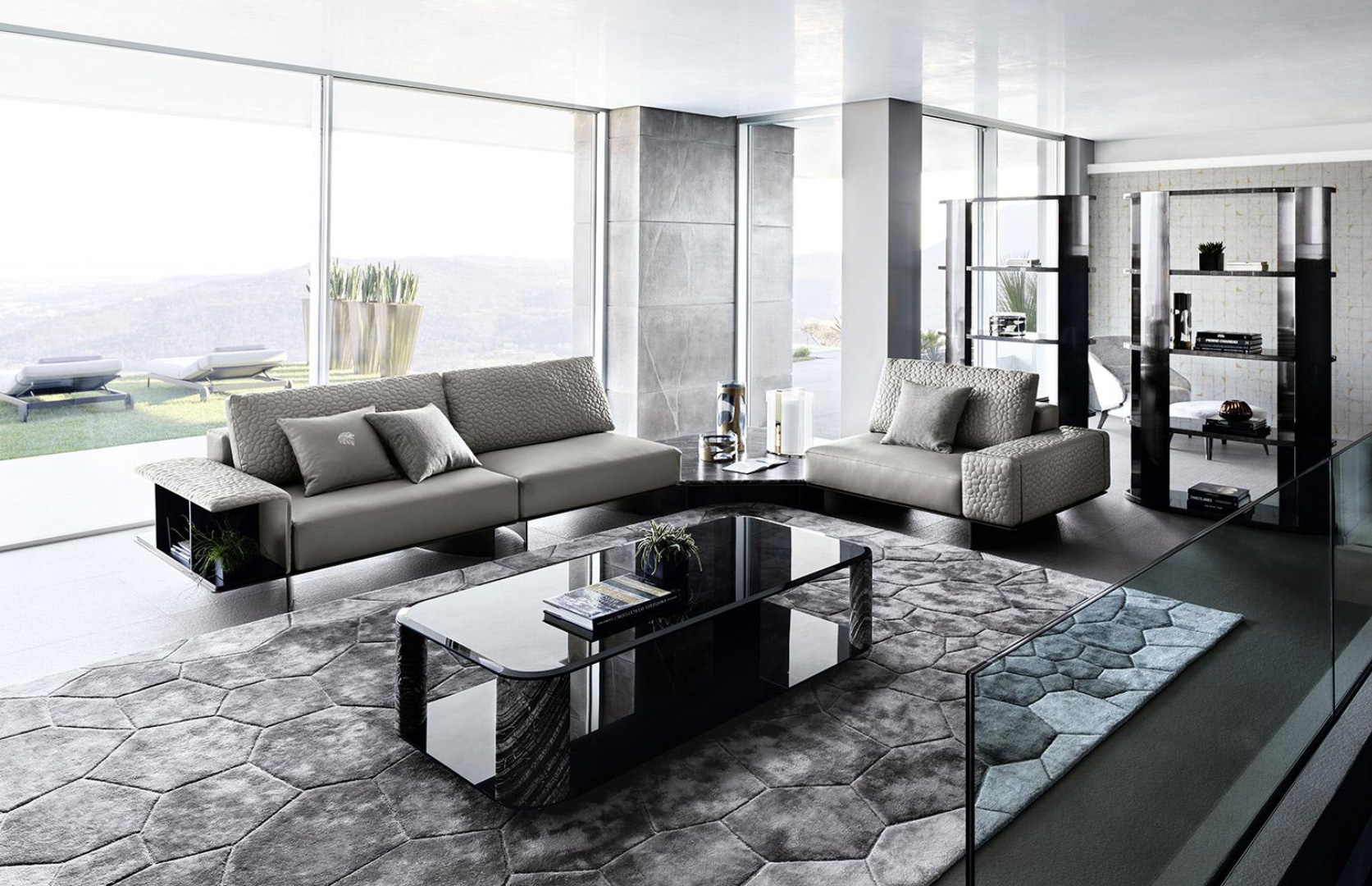

Personalised home décor has enormous visual appeal.
A customer might be buying:
- a customised wall print
- an engraved wooden sign
- a personalised cushion
- a family-name plaque
- a made-to-order lamp
- a customised doormat
- bespoke nursery décor
- a personalised photo frame
- a monogrammed storage product
- a custom artwork piece
From the customer’s perspective, the appeal comes from creating something that feels more personal than an off-the-shelf item.
From the retailer’s perspective, however, personalisation creates considerably more complexity.
The website has to explain exactly what can be changed. Customers may need to enter names, dates, colours, sizes, fonts or messages. Pricing may change according to options. Production takes time. Customers want to know what the finished item will look like. Delivery expectations need to be managed carefully. Mistakes in spelling or configuration can become expensive.
A standard product page designed for “choose size, add to cart, buy” may therefore be inadequate.
For New Zealand businesses selling personalised home décor online, the e-commerce experience needs to do more than look attractive.
It must help the customer make a confident, accurate purchase while reducing unnecessary questions, abandoned carts, production errors and post-purchase disputes.
The objective is not merely to build an online shop.
It is to build an e-commerce system that handles the additional decisions involved in customisation without making the buying process feel difficult.
Personalised Products Require More Explanation Than Standard Retail
Buying a standard cushion online is relatively straightforward.
The customer may choose:
- colour
- size
- quantity
A personalised cushion might also require:
- a name
- initials
- wording
- font
- text colour
- placement
- embroidery style
- character limit
The customer’s risk feels higher because the product is being created specifically for them.
They may wonder:
- What will my wording look like?
- Is there a character limit?
- Can I use punctuation?
- Is the spelling exactly what I entered?
- Can I preview the product?
- How long will production take?
- Can personalised products be returned?
- What happens if the business makes an error?
- What happens if I make an error?
- Will the colours look the same in person?
A strong e-commerce experience anticipates these questions.
If the website does not, the customer has to stop buying and start investigating.
Every unnecessary decision or unanswered question creates friction.
Start by Simplifying the Customisation Process
Personalisation should feel flexible without becoming overwhelming.
A product page with seventeen dropdown menus may technically offer more options but still create a worse customer experience.
Businesses should identify which customisations customers genuinely value.
For example, a personalised wall print might reasonably offer:
- Print size
- Colour palette
- Frame option
- Name or family name
- Date
- Optional short message
That is easier to understand than presenting dozens of minor options that make the customer responsible for effectively designing the product from scratch.
The business should ask:
- Which choices genuinely change the product?
- Which options create meaningful customer value?
- Which combinations can we reliably manufacture?
- Which choices frequently create mistakes?
- Which options can be simplified?
More customisation is not automatically better.
The strongest e-commerce experience gives customers enough control to make the product personal while keeping the process manageable.
Make Every Personalisation Field Obvious
If a customer is typing information that will be printed, engraved or embroidered permanently, the website must make each field unambiguous.
Avoid vague labels such as:
Text 1
Text 2
Instead use:
Family surname
First names
Established date
Message beneath image
Similarly, if there are restrictions, state them next to the field.
For example:
Maximum 25 characters
is more useful than allowing the customer to type a long message and displaying an error only at checkout.
Businesses should also state:
- whether text is case-sensitive
- whether punctuation is allowed
- whether emojis or special symbols can be used
- whether the customer should enter dates in a particular format
- whether spelling will be reproduced exactly as entered
Personalisation is one place where clarity beats cleverness.
The customer should never need to decode what the form expects.
Use Live Previews Where They Add Genuine Value
A visual product preview can significantly improve confidence.
For products where appearance changes materially according to customisation, customers may benefit from seeing:
- their entered name
- chosen colour
- selected font
- layout
- artwork variation
- frame style
A live preview is particularly useful for:
- wall prints
- name signs
- nursery décor
- engraved gifts
- personalised artwork
- cushions
- door signs
However, the preview should be reasonably representative of the final product.
If the rendering is approximate, say so.
For example:
Preview is indicative. Colours and positioning may vary slightly during production.
The point is not to build an elaborate configurator merely because modern websites can.
The point is to reduce customer uncertainty.
Product Photography Still Does Most of the Selling
Personalised products are harder to photograph because there is no single definitive version.
That makes photography even more important.
A strong product gallery can include:
- a complete finished product
- close-up detail
- scale reference
- several customisation examples
- lifestyle photography
- packaging
- different colourways
- different fonts or finishes
If the product is a wall piece, show it in a room.
If it is a personalised cushion, show it on a sofa or bed.
If it is a custom sign, show detail of the printing, engraving or finish.
Customers cannot physically inspect an online product before purchase.
The New Zealand Commerce Commission specifically reminds consumers buying online to check product details, delivery costs, timeframes, terms and returns because online buyers cannot inspect goods in person before purchasing.
Retailers should therefore treat visual information as part of the product description, not as decoration.
Product Descriptions Must Explain What the Customer Is Actually Buying
Personalised décor pages often concentrate so heavily on emotional language that practical information disappears.
Phrases such as:
“A beautiful keepsake for your forever home”
may support the brand.
They should not replace information such as:
- dimensions
- materials
- construction
- finish
- mounting method
- frame type
- colour options
- weight
- care instructions
- production time
- personalisation method
The Commerce Commission says online sellers must ensure representations about goods are accurate and not misleading, and important conditions relating to price, quality, delivery, returns and warranties should be clear and easy to find.
A good product page therefore combines emotional appeal with factual clarity.
Make Customisation Part of the Product Title and Description
If a product is customised, that should be obvious to both customers and search platforms.
Google Merchant Center’s guidance for customised products recommends making customisation clear in titles and descriptions and ensuring the submitted image and price accurately represent the customised product being advertised.
For example:
Weak product title:
Wooden Family Sign
Clearer product title:
Personalised Wooden Family Name Sign
Similarly, a description should explain what is personalised.
This is useful not only for Google Shopping or free product listings, but also for customers scanning search results.
Specificity helps the right buyer recognise the product.
Handle Product Identifiers Correctly
Personalised and handmade products may not always have standard product identifiers such as GTINs.
Google notes that custom-made and one-of-a-kind products may legitimately lack standard unique product identifiers, although businesses should not declare identifiers absent when valid ones exist.
That is particularly relevant for New Zealand businesses producing:
- handmade décor
- personalised artwork
- custom signage
- small-batch homewares
- bespoke furnishings
Product feeds should accurately represent whether identifiers exist rather than using arbitrary data merely to satisfy a field.
Incorrect product data can affect Merchant Center approval and visibility.
Pricing Must Be Clear Before Checkout
Personalised products often have variable pricing.
For example:
Base product: NZ$59
Larger size: +NZ$20
Premium frame: +NZ$35
Additional line of text: +NZ$5
Gift packaging: +NZ$8
The customer should be able to see the updated total as they make selections.
Do not allow someone to configure a product believing it costs NZ$59 only to reveal a NZ$127 total deep into checkout.
New Zealand’s Fair Trading Act requires price and product representations to be accurate and not misleading. The Commerce Commission states that material terms should be prominent rather than hidden in fine print.
Transparent pricing is therefore both a conversion issue and a compliance issue.
Explain Production Time Separately From Delivery Time
One of the most common sources of confusion in personalised retail is the difference between:
production time
and:
shipping time
If a personalised print takes five working days to manufacture and courier delivery takes another three working days, saying “delivery in three days” creates a misleading expectation.
A stronger product page might say:
Production: 3–5 working days
Dispatch: Once personalisation is complete
Estimated NZ delivery after dispatch: 1–3 working days depending on destination
This distinction is particularly important for:
- birthdays
- weddings
- housewarmings
- Christmas
- Mother’s Day
- Father’s Day
- baby gifts
New Zealand consumers are specifically advised to check delivery costs and timeframes when purchasing online.
Retailers should make that information easy to find before purchase.
Account for New Zealand Delivery Conditions
A New Zealand e-commerce business may serve customers across both islands.
Delivery considerations can vary between:
- Auckland
- Wellington
- Christchurch
- regional centres
- rural addresses
- lifestyle blocks
- remote areas
Large home décor products may also cost considerably more to ship than small personalised gifts.
Useful shipping information may include:
- standard urban delivery
- rural delivery surcharges
- oversized-product delivery
- North Island versus South Island timing where relevant
- tracking availability
- signature requirements
- PO Box restrictions
- courier limitations
Do not promise universal next-day delivery unless the fulfilment model genuinely supports it.
Clear delivery information improves trust and reduces customer-service queries.
Mobile Shopping Must Be Treated as a Core Experience
Personalised products are often discovered through:
- short-form video
That means many customers will arrive on a mobile device.
A customisation interface that works perfectly on desktop but becomes painful on a phone will lose sales.
Businesses should test:
- text-entry fields
- dropdowns
- image previews
- swatches
- file uploads
- quantity controls
- price updates
- add-to-cart buttons
- checkout forms
The customer should not have to zoom, rotate the phone repeatedly or fight with tiny controls.
This is especially important when customers are entering exact personalised text.
One accidental spelling error can create an expensive product that nobody particularly wants, least of all the customer whose anniversary apparently occurred in “20119”.
Keep Checkout Short
Customisation already requires more effort than buying a standard product.
Checkout should not add unnecessary friction.
Useful checkout principles include:
- allow guest checkout
- request only necessary information
- make delivery charges clear
- display the configured product
- repeat personalised text in the order summary
- show expected processing time
- offer common payment methods
- make error messages clear
The order summary is particularly important.
Before paying, the customer should be able to see something like:
Product: Personalised Family Name Print
Size: A2
Frame: Black
Surname: Morrison
Date: 2018
Message: Our Home
Quantity: 1
That gives the buyer a final opportunity to catch mistakes.
Add a Confirmation Step for High-Risk Customisation
Some products justify an additional confirmation step.
This may be useful when:
- spelling is permanently engraved
- personalised text is long
- a photograph has been uploaded
- a layout cannot be changed once production begins
- the product is high value
For example:
Please confirm that all spelling, dates and names are correct. Your product will be created using the information entered above.
This should not be used to remove the business’s legal obligations when it makes its own production error.
It is simply a way to reduce preventable customer-entry mistakes.
Explain Proofing Where Proofs Are Offered
Some businesses provide digital proofs before production.
If so, explain:
- whether proofing is included
- how the proof is delivered
- how long the customer has to approve it
- how many revisions are included
- whether production starts automatically after approval
Proofing can be particularly useful for:
- wedding prints
- family illustrations
- custom artwork
- detailed plaques
- complex typography
It may be unnecessary for simple products such as a single-name engraving.
The process should match the product’s risk and value.
Be Very Clear About Returns for Personalised Goods
Many businesses write:
“Personalised products cannot be returned.”
That wording can be misleading if presented as though the business has no responsibility when a product is faulty, damaged, incorrectly manufactured or does not match the description.
New Zealand’s Consumer Guarantees Act provides minimum guarantees that goods should be of acceptable quality, fit for purpose where applicable, arrive in good condition and match their description. The Commerce Commission explains that consumers may have rights to repair, replacement or refund where those guarantees are not met.
A personalised-product policy should distinguish between:
Change of mind
and:
Faults or business errors
For example:
A business may choose not to accept change-of-mind returns on correctly produced personalised items.
That is different from saying customers have no remedy if:
- the item is defective
- the wrong name was printed
- the product arrives damaged
- the product materially differs from the description
Terms should reflect New Zealand consumer law accurately.
Do Not Hide Important Conditions
Important conditions should be visible before purchase.
Examples include:
- personalised items cannot be changed after production starts
- images must meet a minimum resolution
- colours may vary slightly between screens and physical materials
- maximum character limits apply
- a rural delivery surcharge may apply
- certain large products cannot be shipped to some addresses
The Commerce Commission advises businesses not to bury important limitations or qualifications in fine print or separate link-through pages.
If something could materially affect a customer’s decision, put it close to the relevant product or selection.
Use Search Filters That Reflect How Customers Shop
As a personalised décor range grows, navigation becomes important.
Useful filters might include:
- room
- product type
- occasion
- recipient
- colour
- price
- style
- material
- personalised versus non-personalised
- production time
Customers do not always think in product categories.
Someone may shop for:
housewarming gift
rather than:
engraved wall plaque
Another may browse:
nursery décor
rather than a specific product type.
Good e-commerce navigation reflects those different shopping intentions.
Build Category Pages Around Genuine Search Intent
Category pages can support both usability and SEO.
Potential categories might include:
- personalised wall art
- custom family signs
- personalised nursery décor
- personalised cushions
- housewarming gifts
- personalised wedding gifts
- custom photo décor
- personalised Christmas décor
Each category should contain useful products and enough explanatory content to help customers understand the range.
Avoid creating dozens of thin categories solely because each phrase appears in keyword research.
As with any SEO strategy, pages should exist because they serve customers.
Allow Customers to Save or Revisit Their Configuration
Personalised home products can involve more thought than ordinary retail purchases.
Customers may need to:
- confirm a date
- check spelling with a partner
- choose between colours
- find the correct photograph
- measure a wall
- ask someone else for an opinion
Features such as:
- wishlists
- saved carts
- email cart links
- persistent configuration
- recently viewed products
can help reduce frustration.
This is especially useful for higher-value personalised décor.
Use Reviews Strategically
Reviews help customers assess both product quality and reliability.
For personalised products, useful reviews often answer concerns such as:
- Was the customisation accurate?
- Did it look like the preview?
- Was the quality good?
- Did it arrive on time?
- Was it packaged safely?
- Was communication good?
Businesses should encourage genuine reviews without manufacturing them.
The Commerce Commission advises that customer reviews should be authentic and not presented in a misleading way.
Photographic reviews can be particularly valuable where customers voluntarily show the product in their home.
Show Realistic Product Examples
A personalised-product retailer can benefit from showing several examples rather than one perfect configuration.
For instance, a family sign might be displayed with:
- short surname
- long surname
- two different dates
- light and dark colours
- several font styles
This helps customers understand how the product behaves with different input.
The principle is straightforward:
The closer the website can bring the customer to understanding the final product, the easier the purchase becomes.
Support Google Shopping and Product Discovery Properly
Businesses using Google Merchant Center should pay particular attention to customised product data.
Google recommends that titles, descriptions, images and prices accurately represent the customised product. It also gives specific guidance on identifiers and customisation for built-to-order products.
For a personalised home décor business, that can mean ensuring:
- the personalised nature of the product is clear
- images reflect what is advertised
- prices reflect the configured offer
- availability information is accurate
- product identifiers are handled correctly
- landing-page information matches the feed
Poorly aligned product data can cause disapprovals or reduce campaign effectiveness.
Use Email Carefully After Abandoned Customisation
Abandoned cart emails can be useful because customers may have spent considerable time configuring a product.
A reminder might say:
Your personalised design is still waiting in your cart.
That can be more useful than a generic:
You forgot something!
However, recovery marketing should remain professional.
Excessive urgency, misleading stock claims or endless email sequences can weaken trust.
A premium home and lifestyle brand should sound like a business customers want to buy from, not a digital shop assistant pursuing them through the car park.
Use Social Media to Demonstrate the Product
Personalised décor performs naturally well on visual platforms.
Useful content can include:
- customisation demonstrations
- customer examples
- packaging
- behind-the-scenes production
- engraving
- printing
- artwork preparation
- finished products in homes
- gift ideas
- seasonal collections
Video can be especially useful because it demonstrates the difference between a mass-produced item and something being made for a specific customer.
Social media can attract the customer.
The product page still needs to close the information gap.
Give Customers Confidence in the Business Behind the Product
E-commerce removes face-to-face contact.
The website therefore needs stronger trust signals.
These may include:
- New Zealand contact details
- clear business information
- About page
- genuine customer reviews
- production process
- delivery information
- FAQs
- returns and faults policy
- secure checkout
- clear payment options
The Commerce Commission reminds online buyers that a .co.nz domain alone does not prove a retailer is actually based in New Zealand.
A locally based business should therefore make its New Zealand presence clear where relevant.
Measure Where Customers Abandon the Process
Analytics can reveal problems that customers never report.
Important stages might include:
- Product page viewed
- Customisation started
- Customisation completed
- Product added to cart
- Checkout started
- Shipping information entered
- Purchase completed
If many users begin customisation but never add the product to cart, the configuration process may be too complicated.
If shoppers reach checkout but abandon when shipping costs appear, delivery charges may be surprising.
If mobile conversion is much lower than desktop conversion, the customisation interface may require attention.
These insights are more valuable than simply reporting page views.
Measure Profit, Not Just Revenue
Personalised products can have hidden operational costs.
These may include:
- design time
- proofing
- customer emails
- manufacturing
- packaging
- failed prints
- spelling corrections
- remakes
- shipping damage
- customer-service time
A product selling for NZ$100 is not automatically more profitable than a NZ$60 standard item.
Businesses should track:
- average order value
- conversion rate
- gross margin
- remake rate
- refund rate
- customer-service time
- cost per acquisition
- repeat purchase rate
Commercial decisions should reflect the complete fulfilment cost.
Common E-Commerce Mistakes Personalised Décor Businesses Should Avoid
Offering Too Many Options
Customisation should feel enjoyable, not like completing a tax return.
Hiding Production Times
Customers need to know the difference between manufacturing and shipping.
Making Pricing Unclear
Option changes should update pricing transparently.
Using Tiny Mobile Controls
Personalisation must work properly on phones.
Failing to Show the Final Configuration at Checkout
Customers need a chance to verify names, dates and options.
Publishing Blanket “No Refunds” Statements
Businesses must still meet their obligations under New Zealand consumer law.
Using Weak Product Images
Customers cannot inspect products physically, so imagery needs to do more work.
Providing Vague Product Information
Dimensions, materials, customisation and fulfilment details should be easy to find.
Overcomplicating Checkout
The customer has already spent time customising the product.
Ignoring Product Feed Quality
Custom products require accurate titles, images, pricing and identifier information if used in Google Merchant Center.
A Practical E-Commerce Checklist for Personalised Home Décor
Before sending more paid traffic to an online shop, review whether it provides:
- Clear personalised product titles.
- Accurate dimensions and materials.
- Simple customisation controls.
- Clear field labels.
- Character limits where necessary.
- Live previews where useful.
- Multiple product examples.
- Strong lifestyle photography.
- Transparent pricing.
- Accurate production times.
- Separate shipping time information.
- New Zealand delivery information.
- Rural and oversized delivery details where relevant.
- Mobile-friendly customisation.
- Clear order summaries.
- Final confirmation of personalised text.
- Straightforward checkout.
- Appropriate returns and faults information.
- Genuine reviews.
- Secure payment options.
- Useful FAQs.
- Correct Merchant Center product data where applicable.
- Analytics for configuration and checkout abandonment.
- Clear contact options.
- Commercial tracking beyond revenue alone.
Better E-Commerce Makes Personalisation Feel Easier
Personalised home décor sells partly because the customer wants something distinctive.
The buying experience should reinforce that appeal rather than bury it beneath complicated forms, vague delivery information and uncertain pricing.
The strongest e-commerce experiences make customisation feel simple.
Customers can quickly understand:
- what the product is
- what can be changed
- what it will look like
- what it costs
- how long it will take
- what happens after purchase
- what protections apply if something goes wrong
That clarity improves both customer confidence and operational efficiency.
For New Zealand home décor businesses, the opportunity lies in combining attractive product presentation with a technically strong, commercially practical e-commerce system.
A good online store should not simply display personalised products.
It should guide the customer through customisation, reduce avoidable errors, communicate fulfilment clearly and make purchase decisions easier.
For New Zealand home and lifestyle businesses wanting to improve how customised products are presented and sold online, Home & Lifestyle Marketing can help develop e-commerce websites that combine visual presentation, usability, search visibility and conversion performance.
To learn more, please visit www.hlmco.com.au