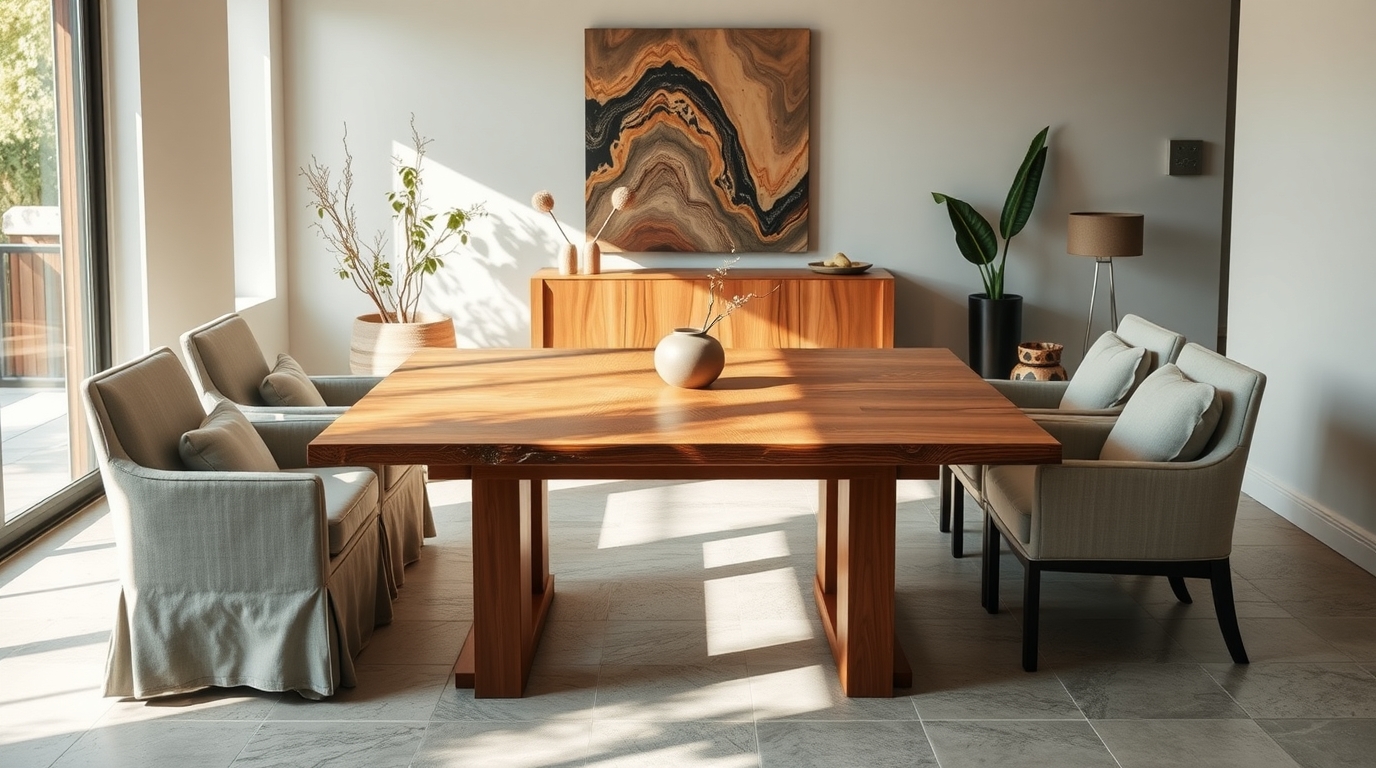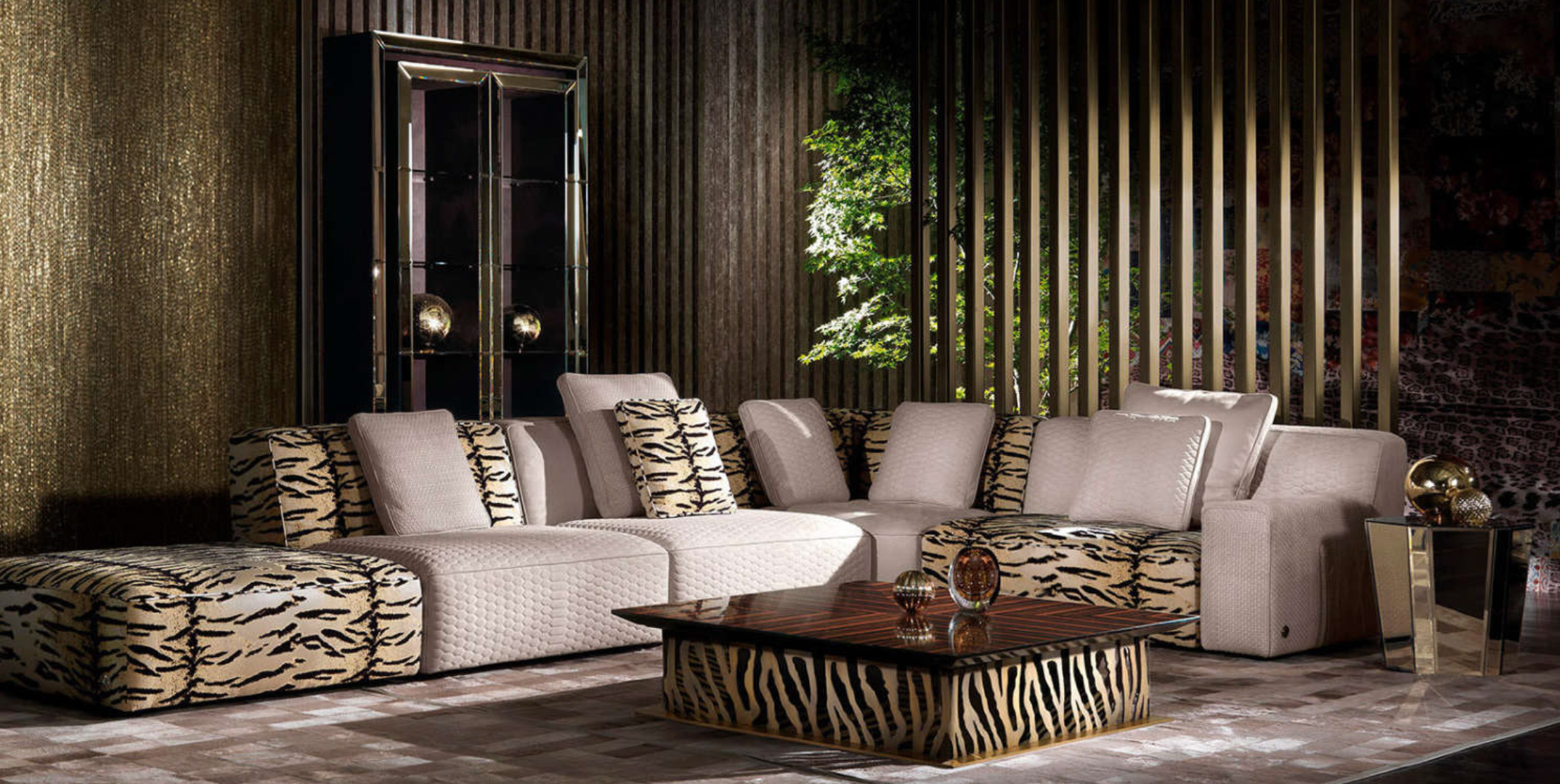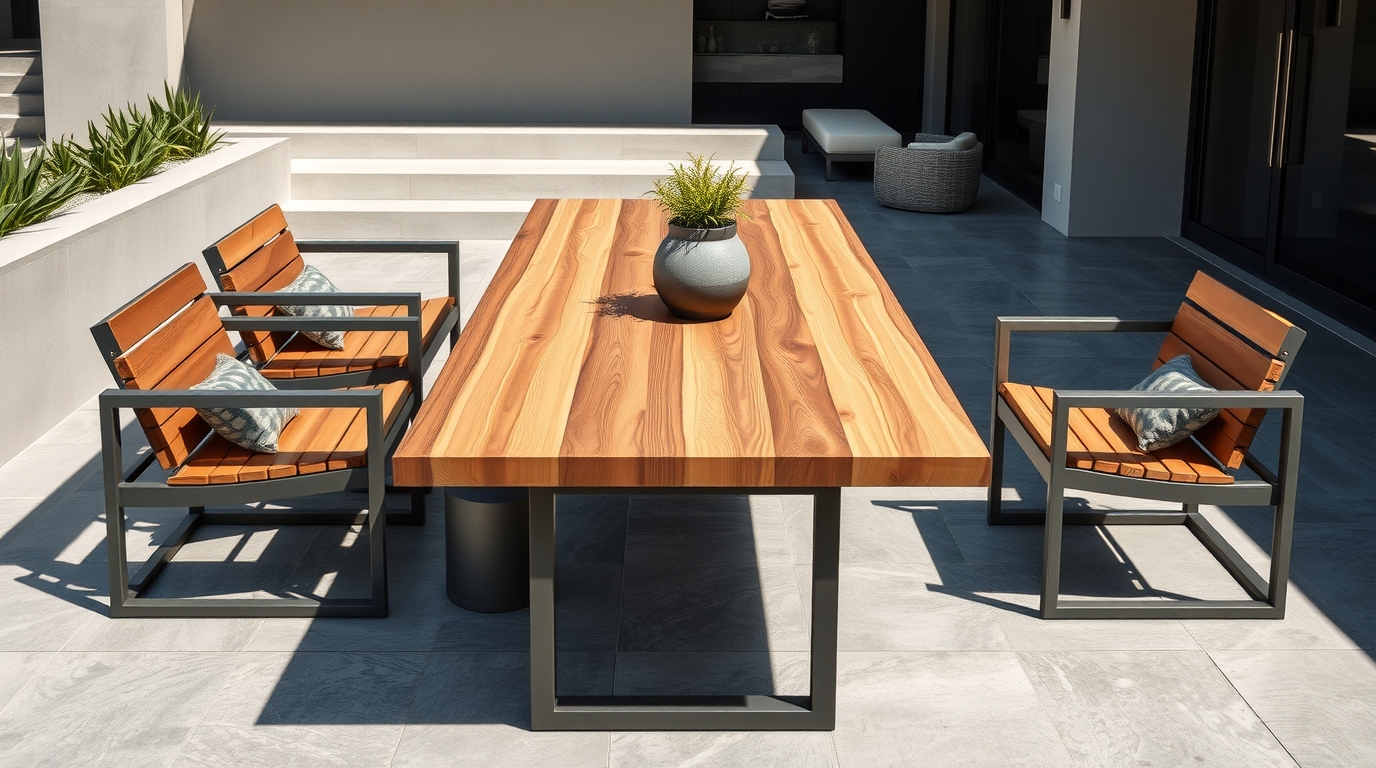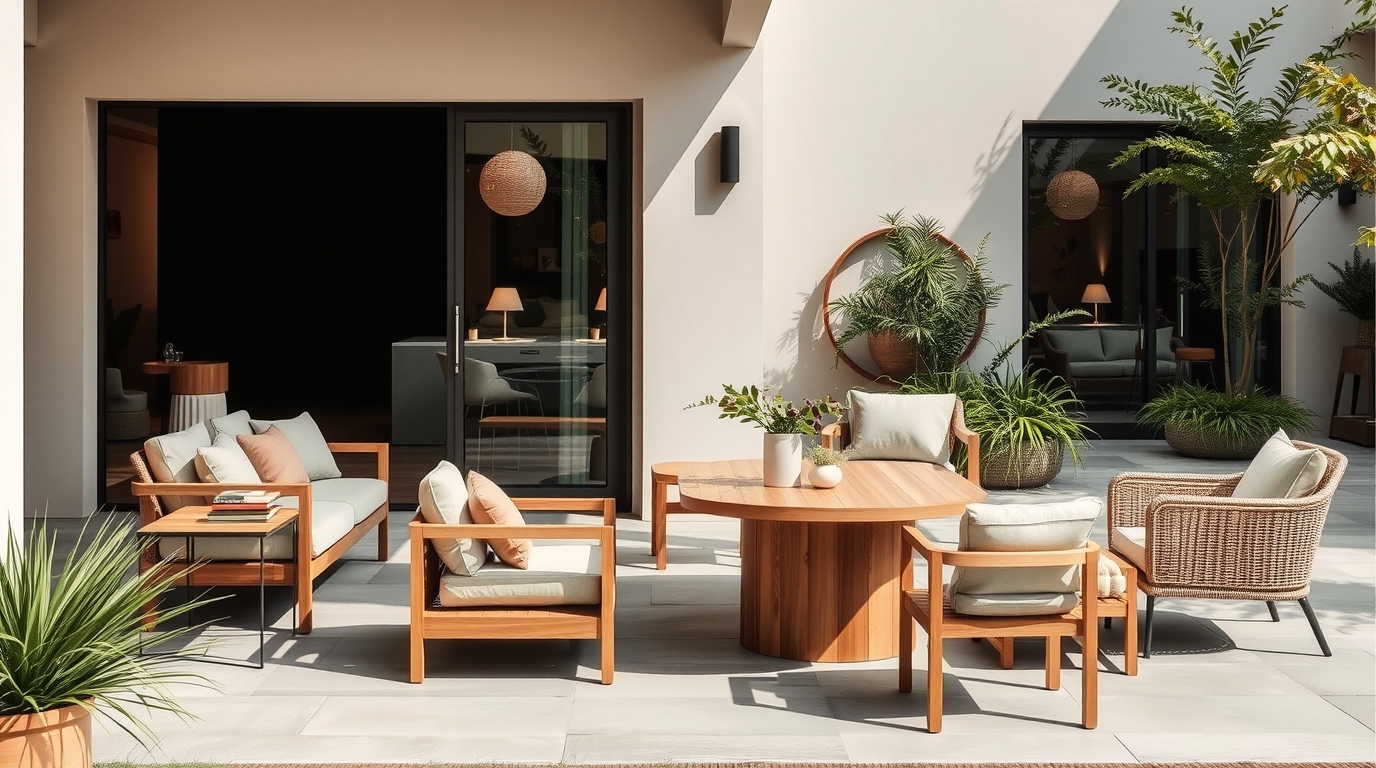
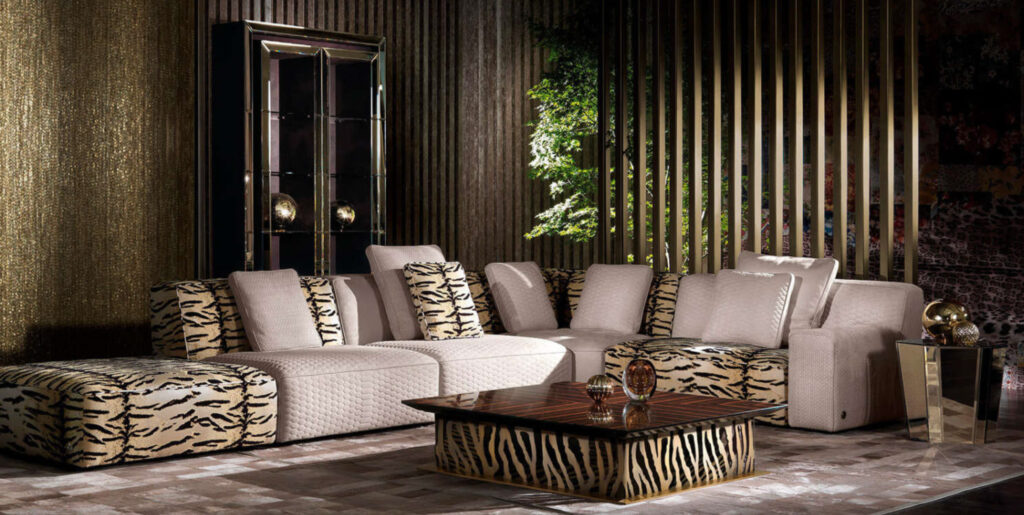
Luxury home design businesses have an advantage that many other e-commerce brands do not: their products can be exceptionally effective at creating desire.
A beautifully photographed sofa can change the character of an entire room. A carefully styled lighting collection can make a space feel more sophisticated. A designer dining table, statement chair, handcrafted rug or architectural accessory can become the focal point of a project.
This makes visual inspiration a powerful marketing asset.
But inspiration alone does not generate e-commerce revenue.
A customer may save an image, follow a brand on social media, browse a project gallery or spend several minutes exploring an interior before leaving without buying anything. They may genuinely like the product but still need more information before committing.
For luxury home and lifestyle businesses, the challenge is therefore not simply generating beautiful content. It is creating a clear path from “I like this” to “I want this in my home”, and then from “I want this” to “I am ready to buy.”
That requires the different parts of the digital customer journey to work together.
Social media can create discovery and aspiration. Search can capture existing demand. Editorial content can provide context. Project photography can demonstrate how products look in real environments. The website can answer questions and build confidence. The product page can remove uncertainty. E-commerce functionality can then make purchasing straightforward.
When these elements are connected properly, inspiration becomes more than brand exposure. It can become a source of qualified commercial demand.
Why Luxury Home Products Need More Than a Product Listing
A basic e-commerce product page might provide a product name, photograph, price and an “Add to Cart” button.
That can be sufficient for straightforward purchases.
Luxury home products often require considerably more context.
A customer considering a premium sofa, designer pendant light or handcrafted dining table may want to understand:
- dimensions
- materials
- finishes
- construction
- colour options
- care requirements
- delivery arrangements
- lead times
- warranty information
- returns
- installation requirements
- how the product looks in a finished interior
- whether the product is suitable for their particular space
The higher the perceived financial and practical risk, the more information customers may require before purchasing.
This does not mean turning every product page into an excessively long document.
It means providing the information that helps a customer make a confident decision.
Luxury e-commerce should therefore combine desire with reassurance.
The photography creates the initial emotional response. The information supports the rational decision.
Both are necessary.
Inspiration and Intent Are Different
One of the most important distinctions in luxury e-commerce is the difference between inspiration and purchase intent.
Someone scrolling through an interior design image may have no immediate intention to buy anything.
They might simply be collecting ideas for a future renovation.
Another customer may search specifically for a particular product, brand or material because they are already close to making a purchase.
These customers are at different stages of the journey.
A business that treats them identically may either sell too aggressively to people who are still researching or fail to provide enough information to people who are ready to buy.
A more useful approach is to create content for different stages.
Inspiration
At the inspiration stage, visual content can introduce:
- design styles
- room concepts
- product collections
- colour palettes
- materials
- completed interiors
- seasonal ideas
The objective is to create interest and establish the brand.
Consideration
At the consideration stage, customers need more practical information.
Useful content might include:
- product comparisons
- buying guides
- material explanations
- sizing advice
- styling ideas
- installation information
- care guidance
- project examples
Purchase
At the purchase stage, customers need clarity.
They want to know:
- the price
- availability
- delivery
- returns
- payment options
- specifications
- lead time
- exactly what they are purchasing
The website should make this information easy to find.
Show Products in Real Interior Contexts
A product photographed against a plain background has an important role in e-commerce because it allows customers to examine the product itself.
But luxury home products also need context.
A customer may understand what a chair looks like but still struggle to visualise how it will work within a room.
This is where lifestyle photography becomes commercially useful.
Showing a product in a thoughtfully designed interior can communicate:
- scale
- proportion
- colour relationships
- texture
- styling
- material combinations
- overall atmosphere
The customer is no longer looking only at a product.
They are seeing a possible version of their own home.
That distinction is particularly important for products where emotional appeal influences purchasing decisions.
A designer lamp may be technically well made, but customers may buy it because of the atmosphere they imagine it creating.
A dining table may be purchased not simply because of its dimensions, but because customers can picture themselves using it when entertaining family and friends.
Good imagery helps bridge that gap.
Build Product Stories Around Design Intent
Luxury products often have a story behind them.
That story can be commercially useful when it helps the customer understand why the product is different.
For example, a product description could explain:
- where the design originated
- why a particular material was selected
- how the piece is constructed
- what makes the finish distinctive
- how the product can be incorporated into different interiors
- what design principles influenced its development
The key is to avoid turning every description into vague luxury language.
Words such as “timeless”, “exquisite”, “exclusive” and “beautiful” have limited value when used without evidence.
Specific information is more persuasive.
Instead of simply saying that a table has a premium finish, explain what the finish is, how it is applied and how it affects appearance and maintenance.
Instead of saying that a chair is exceptionally comfortable, provide useful information about its construction, dimensions, upholstery and intended use.
The product should earn the description.
Make Product Pages the Destination for Commercial Intent
A customer discovering a product through social media should not have to search around the website to find the item.
The route should be obvious.
A strong journey might look like:
Social post → Product page → Product information → Delivery/returns → Add to cart → Checkout
For someone researching rather than buying immediately, the journey might look like:
Inspiration article → Project example → Product collection → Product page → Email or return visit → Purchase
Each step serves a different purpose.
The important thing is that the business should understand where each piece of content is supposed to lead.
An inspirational Instagram post with no useful next step may create awareness but produce little measurable commercial value.
A beautifully designed article that does not connect to relevant products misses an opportunity.
A product page with no connection to the broader design story can feel transactional.
The strongest e-commerce ecosystems connect these experiences.
Use Project Content to Sell Products Indirectly
Luxury customers do not always want to buy products individually.
They may want to create a particular look.
That makes project-led content particularly valuable.
Imagine an online furniture business publishes a complete room project featuring:
- a sofa
- occasional chairs
- a coffee table
- pendant lighting
- a rug
- decorative accessories
Instead of presenting these as unrelated products, the business can show how they work together.
This can create opportunities for:
- “Shop the room” experiences
- related product recommendations
- product bundles
- curated collections
- designer edits
- room-specific shopping
- complementary product suggestions
The customer starts with an aesthetic objective rather than an individual product.
That can make e-commerce more useful for customers who know what they want their room to feel like but do not know exactly which products will achieve it.
Create Collections Around Customer Intent
Traditional e-commerce navigation often organises products by category.
For example:
Furniture → Sofas → Armchairs → Tables
This is useful, but luxury design customers may also think in terms of outcomes.
They might search for:
- contemporary living room furniture
- neutral bedroom design
- statement lighting
- coastal interiors
- minimalist dining spaces
- warm timber interiors
- entertaining spaces
- luxury outdoor living
Curated collections can connect product categories with these broader intentions.
A collection might bring together furniture, lighting, accessories and textiles that share a particular design direction.
This gives customers an alternative way to navigate the catalogue.
It also creates useful landing pages that can be supported by editorial content, social media and search marketing.
Reduce Uncertainty Around Size and Fit
One of the biggest barriers to buying home products online is uncertainty.
Will the sofa fit?
Is the dining table too large?
Will the pendant be appropriate for the ceiling height?
Will the rug work with the existing furniture?
Luxury customers may be particularly cautious because the financial consequences of getting a major purchase wrong can be significant.
Product pages should therefore provide practical information wherever possible.
This might include:
- exact dimensions
- scaled diagrams
- room photography
- multiple viewing angles
- close-up material photography
- finish samples
- comparison information
- assembly requirements
- installation requirements
- downloadable specifications
For certain products, digital tools such as room visualisation or augmented reality may also be useful.
The technology itself is not the objective.
The objective is to reduce uncertainty.
Make Materials and Finishes Easy to Understand
Materials are often a major part of the value proposition for luxury home products.
A customer may care deeply about whether a surface is natural stone, engineered stone, solid timber, veneer, metal, glass, wool or another material.
But simply naming the material is not always enough.
Explain what the customer needs to know.
For example:
- How does it look?
- How does it feel?
- How durable is it?
- Does it require maintenance?
- Does the colour vary?
- Is each piece unique?
- What happens over time?
- Is professional installation required?
Where products are available in multiple finishes or colours, the website should make those options easy to understand.
Google also provides structured data guidance for products with variants such as furniture available in different sizes, colours, materials or patterns. ProductGroup and related Product markup can help Google understand relationships between variants.
The technical implementation should reflect the actual customer-facing product structure rather than being added simply for SEO purposes.
Price Transparency Can Support Premium Positioning
Some luxury businesses hesitate to display prices because they believe this makes the brand feel less exclusive.
There is no universal rule that every luxury product must display a price, particularly where products are bespoke or genuinely require consultation.
However, when an item can be purchased online at a fixed price, hiding the price can create unnecessary friction.
Customers researching a product generally need to understand whether it falls within their budget.
Clear pricing can therefore help qualify demand.
Where prices vary, the business can explain why.
For example:
- standard size from a stated price
- custom dimensions priced individually
- different materials at different price points
- made-to-order products with estimated lead times
The important thing is clarity.
A premium customer is not necessarily looking for the cheapest option. They are looking for confidence that the product, service and price make sense together.
Shipping and Returns Matter More for High-Value Products
A customer may be comfortable buying a small accessory online without much thought.
Buying a large, expensive piece of furniture is different.
Questions about delivery can become significant purchase barriers.
Customers may want to know:
- How will the product be delivered?
- Is delivery to the room included?
- Does it require assembly?
- Is installation available?
- What happens if the item is damaged?
- What are the delivery timeframes?
- What happens if the customer changes their mind?
- Are made-to-order items returnable?
These details should be easy to locate.
Google’s merchant listing documentation recognises shipping and return information as relevant product data that can appear in merchant experiences when appropriately provided.
For the customer, however, the commercial benefit is even more straightforward.
Clear policies reduce uncertainty.
Use Reviews as Product Evidence
Brand-level testimonials can establish confidence in a business.
Product reviews can provide another layer of reassurance.
A prospective customer may want to know whether:
- the product matches its photographs
- the finish looks as expected
- the quality justifies the price
- delivery was handled well
- assembly was straightforward
- the product works well in an actual home
Genuine reviews can help answer these questions.
Businesses should never manufacture reviews or encourage customers to make misleading claims.
Instead, they should create a straightforward process for genuine customers to share their experiences.
Where appropriate, reviews can also be connected to specific products.
This gives the customer evidence relating to the item they are actually considering.
Search Can Capture Demand Created Elsewhere
Luxury home inspiration often starts outside traditional search.
A customer may discover a product through:
- an interior design publication
- a designer’s project
- a showroom
- a friend’s recommendation
- a home renovation website
They may then search for the product or brand on Google.
This means search and social media should not be viewed as completely separate channels.
Social media can create demand.
Search can capture demand.
SEO can help the business remain discoverable after the original inspiration has disappeared from a customer’s feed.
For example, someone may save an image of a particular style today and search for similar products several weeks later.
If the business has strong category pages, product pages and useful editorial content, it has a better opportunity to appear when that later search happens.
Build SEO Around Products, Categories and Design Questions
E-commerce SEO should not focus exclusively on product names.
A luxury home retailer may have valuable search opportunities at several levels.
Product searches
These can include specific brands, products, materials or models.
Category searches
Examples might include:
- designer dining tables
- luxury outdoor furniture
- premium pendant lighting
- handmade rugs
Design searches
These are broader and may include:
- how to style a large living room
- best lighting for a dining area
- how to choose a dining table
- how to mix timber and stone
- how to design a sophisticated outdoor entertaining area
Each type of search can play a different role in the customer journey.
Product and category pages can capture stronger commercial intent.
Editorial content can introduce the business earlier in the research process.
The two should connect through internal links and relevant product recommendations.
Give Search Engines Clear Product Information
Technical e-commerce SEO should support the same clarity that customers need.
Google’s current documentation states that Product structured data can make product pages eligible for certain merchant listing experiences and can communicate information such as price, availability, shipping and return information.
Google also distinguishes merchant listings from product snippets. Product snippets can include information such as price, availability and review information, while merchant listings are designed for pages where shoppers can purchase products.
For an e-commerce business, useful technical foundations can therefore include:
- accurate product data
- crawlable product pages
- appropriate Product structured data
- clear variant handling
- accurate prices
- current availability
- appropriate canonical URLs
- high-quality product images
- useful product descriptions
- clear shipping information
- clear returns information
Structured data does not guarantee enhanced search appearances. Google explicitly notes that eligible markup does not guarantee that a particular search feature will appear.
It should therefore be considered part of a broader technical and content strategy.
Product Photography Needs to Work Harder Than Decoration
Photography is one of the most important sales assets in luxury e-commerce.
But different images serve different purposes.
A useful product image set might include:
Hero image
Shows the product clearly and establishes the initial impression.
Lifestyle image
Places the product in a finished interior.
Detail image
Shows materials, craftsmanship and finish.
Scale image
Helps customers understand dimensions and proportion.
Alternative angle
Provides another perspective.
Finish or colour image
Helps customers evaluate variations.
Usage image
Shows how the product functions in a real environment.
The objective is not to fill a gallery with similar images.
Each image should answer a question or strengthen the customer’s understanding.
Google’s product structured data guidance recommends multiple high-resolution product images and supports several aspect ratios for product information.
That makes image quality relevant not only to visual merchandising but also to how product information can be understood across search experiences.
Use Video Where It Adds Information
Video can extend product photography by showing things static images cannot.
For example:
- opening mechanisms
- texture
- scale
- movement
- installation
- craftsmanship
- close-up finishes
- packaging
- room context
For expensive products, seeing an item demonstrated can reduce uncertainty.
A short video can also help the customer understand how the product behaves in a real environment.
The important point is that video should provide information rather than simply repeat a polished advertisement.
Create Content That Bridges Inspiration and Purchase
The most valuable content is often content that sits between a beautiful image and a product page.
Consider a customer searching for ideas for a new living room.
A purely inspirational article might show several beautiful rooms.
A purely commercial page might list sofas.
A stronger piece of content could explain how to create a refined living room, discuss proportion and materials, show completed rooms and then introduce relevant products.
This creates a natural progression:
Idea → Education → Product discovery → Product evaluation → Purchase
That is much closer to how many high-value design purchases actually happen.
Make Internal Linking Commercially Useful
Internal links are often treated as an SEO technical detail.
They are also part of the customer journey.
An article about dining room design could link to:
- dining tables
- dining chairs
- pendant lighting
- rugs
- tableware
A project page could link to the products featured in the room.
A product page could link to:
- related products
- complementary products
- the wider collection
- relevant design guides
This creates a network of connected content.
It also reduces the chance that customers reach a dead end after consuming inspirational material.
Use Remarketing Carefully
A customer who visits a luxury furniture website and leaves may not be ready to purchase immediately.
Remarketing can provide a way to reconnect with people who have already demonstrated interest.
For example, someone who viewed a particular product might later see an advertisement for that product or collection.
However, luxury brands should be careful with frequency and creative quality.
Repeatedly showing the same product advertisement can quickly become intrusive.
Remarketing works better when it reflects the customer’s previous behaviour and offers a useful reason to return.
Potential messages could focus on:
- a newly available finish
- a related collection
- a completed project
- additional product information
- a seasonal collection
- an invitation to explore a broader range
The goal should be to support consideration, not simply chase visitors around the internet.
Shopping Experiences Need to Match the Brand
A luxury e-commerce website does not need to imitate every mass-market retailer.
In fact, doing so can damage the brand.
Premium customers may expect:
- considered visual design
- excellent photography
- uncluttered navigation
- detailed product information
- thoughtful recommendations
- clear service information
- responsive customer support
- secure checkout
- professional packaging and delivery
The website needs to make purchasing easy without making the brand feel generic.
This is an important balance.
Luxury e-commerce should reduce friction while preserving distinction.
Checkout Is Part of the Brand Experience
A beautifully designed website can lose a sale through a poor checkout process.
Common problems include:
- unexpected shipping costs
- unnecessary account creation
- complicated forms
- unclear delivery dates
- limited payment options
- confusing returns information
- technical errors
- poor mobile usability
The customer has already made the decision to purchase.
At this point, the website should make completing the transaction straightforward.
Every unnecessary obstacle introduces another opportunity for abandonment.
For high-value products, customers may also need access to human assistance.
A visible phone number, enquiry option, live support or consultation pathway can be useful when the product requires clarification before purchase.
Not Every Luxury Product Should Be Forced Into a Standard E-Commerce Model
Some products are naturally suited to online checkout.
Others are not.
A standard accessory can often be purchased without assistance.
A bespoke sofa with custom dimensions and fabric may require consultation.
A made-to-measure piece of furniture may need a quotation.
A large architectural product may require installation planning.
Trying to force all of these products into the same “Add to Cart” model can create friction rather than remove it.
The better approach is to match the conversion mechanism to the product.
Possible calls to action include:
- Add to Cart
- Buy Now
- Request a Quote
- Enquire About Customisation
- Book a Consultation
- Check Availability
- Request a Finish Sample
The objective is to make the next step appropriate to the customer’s level of intent and the product’s complexity.
Measure More Than Revenue
Revenue is important, but it does not explain why e-commerce performance changes.
Businesses should monitor the broader funnel.
Discovery
- organic search impressions
- social reach
- referral traffic
- product discovery
Engagement
- product-page visits
- image interactions
- time spent on key content
- collection views
Intent
- add-to-cart actions
- wishlist activity where available
- product enquiries
- sample requests
- consultation bookings
Transaction
- checkout initiation
- completed purchases
- conversion rate
- average order value
Commercial outcome
- revenue
- gross margin
- repeat purchases
- customer acquisition cost
- lifetime value where measurable
This allows the business to identify where the customer journey is breaking down.
For example, high product-page traffic with few add-to-cart actions may indicate an issue with product information, price positioning, trust or user experience.
High add-to-cart activity with low completed purchases may point towards checkout, delivery costs, payment or other transaction friction.
Measurement turns e-commerce optimisation from guesswork into a more structured process.
Common Mistakes When Selling Luxury Home Products Online
Relying on beautiful images alone
Visual appeal creates interest but does not answer practical purchasing questions.
Writing vague product descriptions
Luxury language without useful information does little to reduce uncertainty.
Hiding important information
Customers should not have to search for delivery, returns, dimensions or availability.
Treating every customer as ready to buy
Some visitors are discovering the brand for the first time.
Ignoring product variants
Different sizes, materials and finishes need to be presented clearly.
Using weak photography
Poor imagery can undermine the perceived value of an expensive product.
Making checkout unnecessarily complicated
Once a customer has decided to buy, the process should be straightforward.
Treating social media as the entire sales strategy
Social platforms can create discovery, but the business still needs strong product pages and an effective e-commerce journey.
Chasing traffic instead of commercial outcomes
Large visitor numbers do not automatically translate into profitable sales.
A Practical Framework for Turning Inspiration Into Sales
Luxury home and lifestyle businesses can build the process around seven connected stages.
1. Create strong visual inspiration
Use photography, video, projects and social content to demonstrate what the products can achieve.
2. Connect inspiration to relevant products
Make it easy for customers to move from an image or project to the products featured within it.
3. Build useful category and collection pages
Organise products around both traditional categories and customer design intent.
4. Strengthen individual product pages
Provide detailed photography, specifications, materials, pricing, availability and practical information.
5. Reduce purchase uncertainty
Make delivery, returns, installation, warranties and support easy to understand.
6. Provide appropriate conversion paths
Use checkout where appropriate and consultation or enquiry pathways where products require more consideration.
7. Measure the complete customer journey
Connect marketing activity to enquiries, transactions, revenue and profitability wherever possible.
This framework allows inspiration and commerce to support each other rather than competing for attention.
Final Thoughts
Luxury home design businesses have no shortage of opportunities to inspire customers.
The challenge is converting that inspiration into commercial action.
Beautiful interiors can generate interest. Social media can introduce products to new audiences. Search can capture people actively researching what to buy. Project content can demonstrate how products work together. But the e-commerce website ultimately has to answer the customer’s questions and make the next step clear.
That means luxury e-commerce should be designed around more than aesthetics.
It needs strong product information, high-quality photography, useful context, clear pricing where appropriate, reliable delivery and returns information, genuine reviews, sensible navigation and a checkout experience that feels consistent with the quality of the brand.
The most effective journey may not always be a straight line from advertisement to checkout. A customer might discover a product today, save it, read an article next week, revisit the product page, compare finishes and purchase several weeks later.
That is normal for considered purchases.
The role of digital marketing is to support that journey rather than forcing every visitor into an immediate transaction.
When inspiration, content, search, social media, product merchandising and e-commerce are connected properly, a luxury home design brand can move customers from simply admiring a space to understanding how they can recreate part of that experience in their own home.
That is where inspiration becomes commercially useful.
If your business operates in the home and lifestyle sector and you would like to improve the connection between digital marketing, website performance and e-commerce sales, Home & Lifestyle Marketing Co can help assess where the strongest opportunities may lie.
To learn more, please visit www.hlmco.com.au