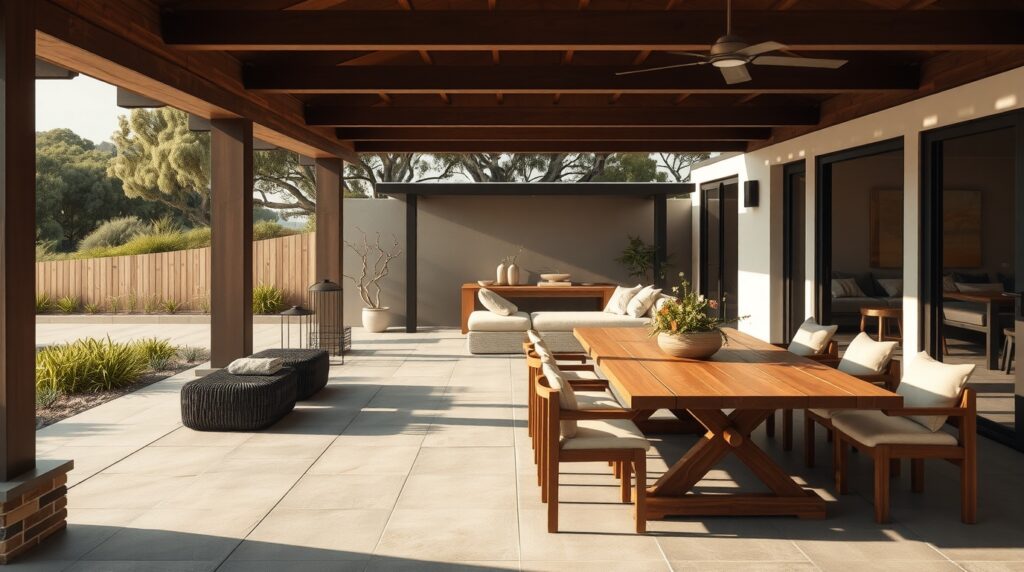
Outdoor living is central to the Australian way of life. In every state and territory, homeowners look for ways to enjoy more time outside — entertaining, relaxing, sharing meals, celebrating milestones and simply unwinding in the fresh air. As the country embraces a more environmentally aware future, this national love of the outdoors has taken on new meaning. Today’s outdoor spaces are designed not only for comfort and beauty, but for sustainability, responsibility and long-term stewardship.
Sustainable outdoor living reflects the growing desire among Australians to protect the environment, preserve natural resources, and create healthier, more resilient homes. Quality furniture, careful material choices, mindful design and long-lasting craftsmanship all play a significant part in this shift. Luxury is no longer defined by extravagance, but by purpose, longevity and respect for the landscape around us.
This article explores how sustainable outdoor living aligns with modern Australian values, why it has become a focal point of home design, and how furniture, layout and material choice contribute to a responsible, future-focused lifestyle.
Australians Value a Strong Connection to Nature
Australians have always valued their closeness to the natural world. From coastal suburbs to rural towns, the outdoors is central to the national lifestyle. Sustainable living has grown naturally from this connection. Homeowners want outdoor spaces that reflect and respect the environment rather than dominate it.
This means:
- Choosing natural materials
- Building spaces that work with the land, not against it
- Selecting furniture that lasts years, not seasons
- Minimising environmental impact
- Reducing waste and avoiding disposable products
Outdoor design is increasingly about harmony — allowing the home to sit comfortably within its surroundings while supporting healthier, cleaner ways of living.
Quality and Longevity Over Disposable Trends
One of the clearest signs of changing Australian values is the rejection of cheap, disposable outdoor furniture. Inferior materials that last only a season or two create unnecessary waste, fade quickly under harsh UV and contribute to landfill at alarming rates.
Modern Australian homeowners are choosing:
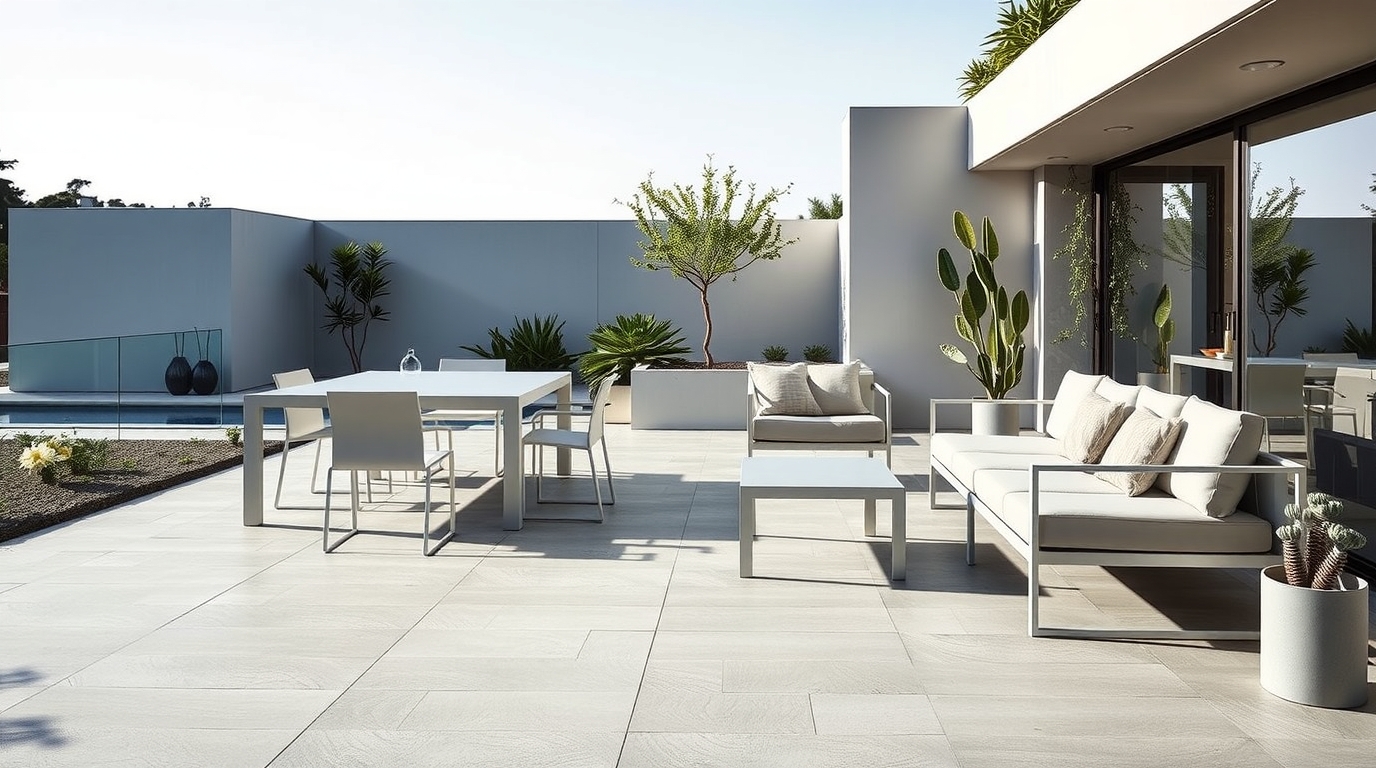
- Fully customised outdoor lounges
- Durable teak dining settings
- Aluminium outdoor furniture with marine-grade strength
- Olefin weatherproof fabrics
- High-quality cushions designed for long-term resilience
Investing in quality has become synonymous with environmental responsibility. A well-made outdoor lounge that lasts 10–15 years carries a far smaller environmental footprint than replacing mass-produced sets every few years. Longevity is now viewed as the foundation of both luxury and sustainability.
Respect for Australia’s Climate Conditions
Australia has one of the world’s harshest climates for outdoor furniture. UV radiation, humidity, salt air, temperature swings and heavy rainfall all take a toll on materials. Sustainable outdoor living acknowledges these realities.
Australians are choosing materials that withstand local conditions, reducing the need for replacement and minimising waste:
- Solid teak sourced from responsibly managed plantations
- Marine-grade aluminium that resists corrosion
- Olefin fabrics with exceptional UV resistance
- Quick-dry foams that resist mould
- Powder-coated frames in long-lasting finishes
Rather than buying what looks good in a showroom or catalogue, homeowners are selecting what performs well in real life. This emphasis on suitability — not just style — reflects a mature, thoughtful approach to outdoor living.
Sustainable Choices Reflect Pride in Home Ownership
Australian homeowners increasingly see outdoor spaces as an extension of the home — not simply add-ons. Sustainable choices reflect pride and responsibility. A well-designed outdoor area enhances property value, improves lifestyle and strengthens the connection between the home and the land. Choosing sustainable furniture has become an expression of personal values: responsibility, stewardship, and a commitment to minimising waste.
Customisation as a Central Element of Sustainable Outdoor Living
Custom outdoor furniture plays a major role in sustainable living because it eliminates unnecessary waste and ensures pieces are designed exactly for the space they will occupy. Customisation allows homeowners to choose the ideal fabric, the perfect frame colour, and a layout that supports lifestyle. Nothing is over-produced or discarded due to trend changes. Instead, each piece is crafted intentionally.
Eco-Conscious Material Selection
The materials chosen for outdoor spaces say a great deal about environmental responsibility. Australians are increasingly turning to materials that are recyclable, long-lasting or responsibly sourced.
Timber with Integrity
Teak remains the gold standard for outdoor living. When sourced from well-managed plantations, it is among the most sustainable timbers available. Its natural oils protect it from decay without the need for chemical treatments.
Aluminium as a Sustainable Choice
Aluminium is one of the most recyclable materials in the world. Premium marine-grade frames deliver exceptional longevity, reducing replacement cycles and environmental load.
Olefin Fabrics
Olefin’s manufacturing process produces minimal waste, and the fabric lasts significantly longer than polyester. It resists mildew, fading and moisture — ideal for Australian conditions.
A Shift Away from Plastics and Short-Life Synthetics
Poor-quality outdoor furniture often contains cheap plastics that degrade rapidly under UV exposure, breaking down into microplastics. Environmentally minded homeowners prefer materials that do not break down into harmful fragments, prioritising long-term performance and responsible production methods.
Designed for Lifestyle, Not Waste
Sustainable outdoor living reflects a lifestyle geared toward balance, comfort and responsible enjoyment of the outdoors. It also reduces waste through intentional design. Rather than building features that will need to be replaced, Australians are investing in permanent, durable layouts that serve their lifestyles for years.
Recycling, Re-Using and Repairing
Australians are increasingly adopting repair-friendly habits. Sustainable outdoor living encourages rejuvenation instead of replacement. Furniture can be re-covered, re-oiled, or powder-coated. This approach is grounded in traditional values — maintaining, caring for and restoring what we own rather than discarding it.
Lower Environmental Footprint Through Thoughtful Manufacturing
Custom outdoor furniture reduces emissions because it is made to order, requires no mass warehousing, and reduces transport stages. This efficiency aligns perfectly with modern Australian sustainability goals.
Modern Australians Value Transparency
More than ever, Australians want to know where their products come from, how materials are sourced, and whether labour conditions are ethical. Outdoor furniture that is custom-made or built by reputable manufacturers offers clearer transparency than mass-produced imports.
Celebrating the Australian Landscape
Sustainable outdoor living often includes native plants, water-wise gardens, and shading to minimise energy use. Homeowners want their outdoor spaces to look natural, elegant and timeless — a reflection of place rather than trend.
Conclusion
Sustainable outdoor living is more than a design trend. It is a genuine expression of modern Australian values — responsibility, practicality, craftsmanship, durability and respect for nature. By choosing custom outdoor furniture, thoughtful materials and long-lasting layouts, homeowners can create spaces that reflect a deep commitment to the environment while enjoying the comfort and beauty of high-quality outdoor living.
Explore our sustainable collections at: www.theexclusivehome.com.au