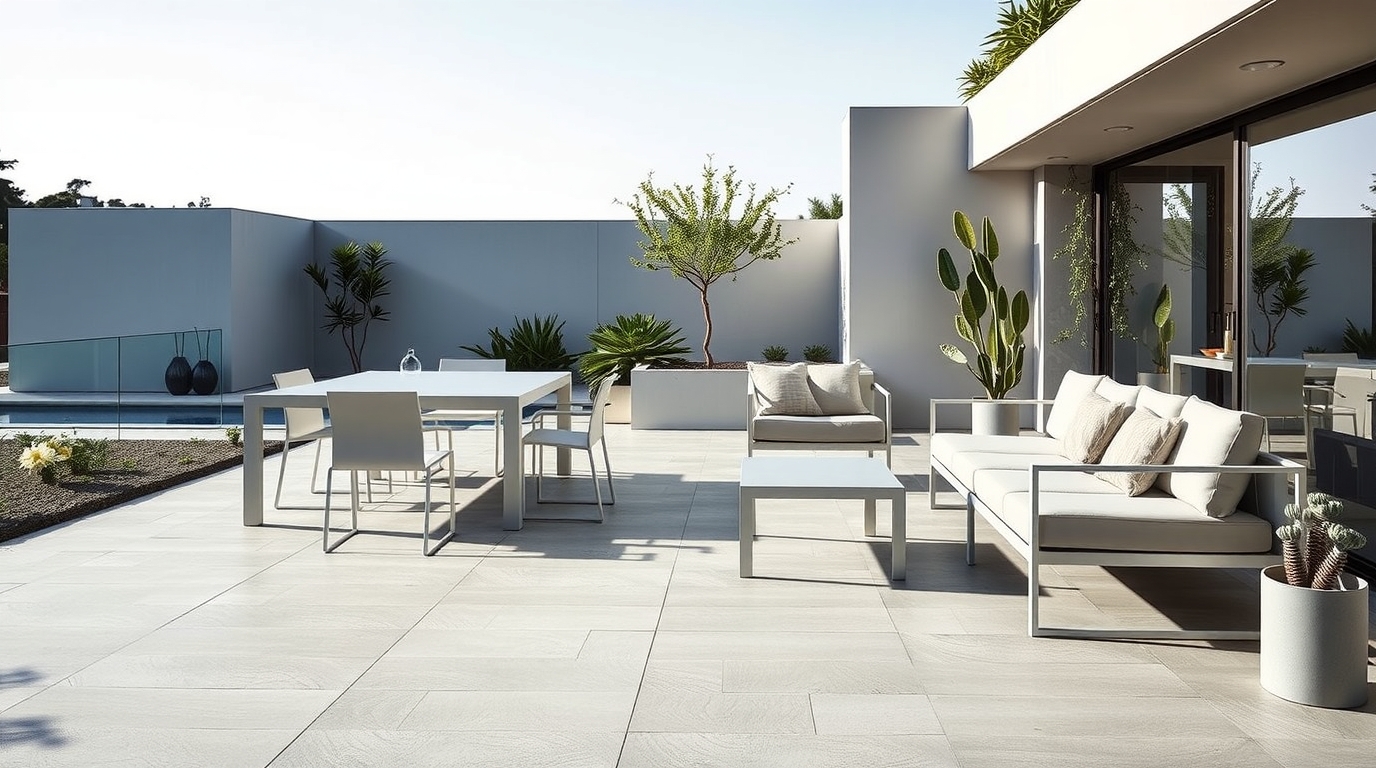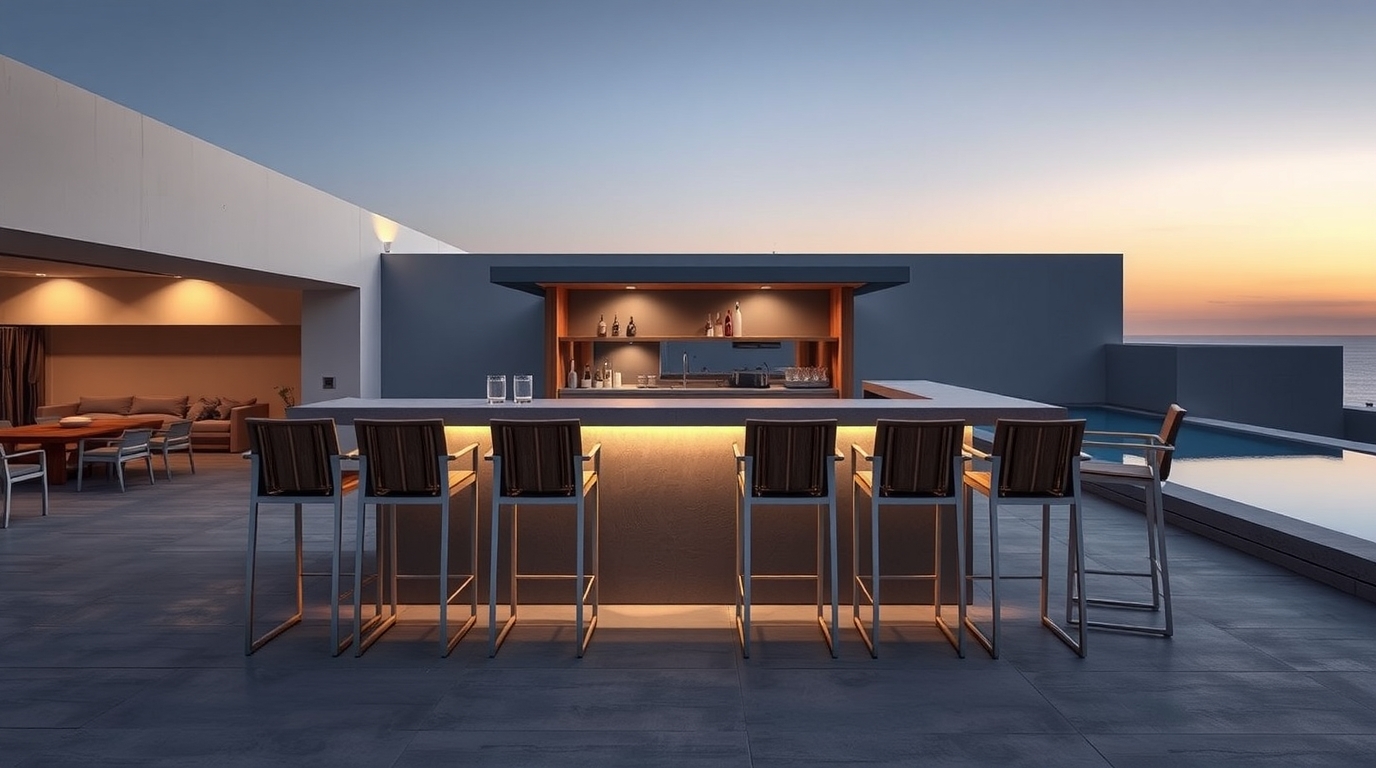

Outdoor living businesses sell something people can easily imagine but rarely purchase casually.
A homeowner may spend months thinking about a new deck, pergola, outdoor kitchen, landscaped garden, pool area or covered entertaining space before asking anyone for a quote.
They may save ideas on Instagram. Search Google for costs. Compare materials. Look at local contractors. Read reviews. Ask friends. Visit several websites. Return to the same company more than once.
Only then do they make contact.
That makes digital marketing particularly important for outdoor living businesses.
A landscaping company, pergola installer, pool business or outdoor kitchen specialist does not simply need more website visitors. It needs homeowners who:
- live within the service area
- want the right type of project
- have realistic expectations
- are ready to plan
- are capable of becoming commercially worthwhile customers
This distinction matters.
Ten serious enquiries for projects worth tens of thousands of New Zealand dollars can be far more useful than one hundred vague requests for prices from people outside the region.
The strongest digital marketing strategy therefore does not rely on one channel.
It combines search visibility, Google Ads, Local SEO, strong website content, project galleries, reviews, video and social media so customers repeatedly encounter evidence that the business is capable, relevant and trustworthy.
Outdoor Living Projects Have Longer Buying Journeys
Many outdoor projects involve substantial decisions.
A homeowner considering a pergola or landscaped entertaining area may need to think about:
- design
- materials
- weather exposure
- drainage
- shade
- privacy
- maintenance
- budget
- council or building requirements where relevant
- construction time
- access
- future property use
The household may also involve multiple decision-makers.
One person might prioritise appearance.
Another might be concerned about maintenance or cost.
That means the marketing journey can be considerably longer than the purchase of a low-cost household item.
HLM’s wider marketing approach is particularly relevant here: high-value home and lifestyle buyers often research for weeks or months, inspect reviews, compare businesses, revisit websites and request several quotations before deciding.
Digital marketing should support that behaviour rather than assume every visitor is ready to buy immediately.
Start by Defining What a Good Lead Actually Looks Like
Before spending more money on marketing, define the customer the business wants.
Imagine a landscaping company based in Christchurch.
A good enquiry might involve:
- a residential property within its service area
- a complete landscape project
- a realistic project budget
- work starting within six months
- the type of garden the company specialises in
A poor enquiry might involve:
- a property several hours outside the service region
- lawn mowing
- one broken fence panel
- a budget far below the company’s minimum project value
Both count as “leads” inside a spreadsheet.
Commercially, they are entirely different.
Businesses should therefore track:
- total enquiries
- qualified enquiries
- site visits
- consultations
- quotes
- projects won
- average project value
- gross profit
This is far more useful than simply reporting that website traffic increased by 40%.
Build the Website Around the Projects You Want
For many outdoor living companies, the website is the centre of the marketing system.
A strong website should help answer:
Can this business handle my project?
That requires more than a home page containing a photograph, logo and “Contact us for a free quote”.
Useful service pages might include:
- landscape design
- landscape construction
- decking
- pergolas
- louvre systems
- outdoor kitchens
- pool landscaping
- patios
- paving
- garden structures
- outdoor lighting
- planting design
- property maintenance
The exact structure should reflect what the business actually sells.
Each major service should explain:
- what is provided
- what types of projects suit it
- relevant materials
- process
- service area
- examples
- likely considerations
- enquiry pathway
The website should make it easy for a homeowner to move from broad interest to understanding whether the company is suitable.
Project Galleries Are One of the Strongest Sales Assets
Outdoor living is highly visual.
That makes completed projects especially valuable.
A strong case study should go beyond photographs.
For example:
Project: Covered outdoor entertaining area
Location: Tauranga
Scope: Pergola, paving, lighting and outdoor kitchen zone
Challenge: The existing patio had little shelter and was rarely used during unsettled weather
Approach: The project introduced a covered structure, improved circulation and created a dedicated cooking area
That type of content demonstrates:
- experience
- service capability
- local relevance
- scale
- problem-solving
A homeowner thinking about a similar project can immediately recognise the connection.
Project pages can also support:
- SEO
- Google Ads landing pages
- social media
- sales presentations
- email marketing
One completed project should produce many pieces of useful marketing content.
Local SEO Helps Businesses Reach Nearby Homeowners
Most outdoor living businesses operate within defined service areas.
A landscaping company in Wellington may not want enquiries from Dunedin.
A pergola installer serving Auckland may focus on particular parts of the wider region.
That makes Local SEO especially important.
Google says local results are mainly based on relevance, distance and prominence. Complete and accurate Business Profile information helps Google understand what a business offers and where it operates.
A strong Google Business Profile may include:
- correct business name
- relevant business category
- phone number
- website
- service areas
- opening hours
- project images
- services
- genuine reviews
This information can help customers discover businesses through Google Search and Maps.
Service Areas Should Reflect Reality
Outdoor living businesses should make geographic coverage clear.
For example, a business might genuinely serve:
- Auckland and selected surrounding areas
- Wellington and Lower Hutt
- Christchurch and Selwyn
- Hamilton and nearby districts
- Tauranga and Mount Maunganui
The goal is not to create the appearance of nationwide coverage.
It is to help potential customers understand whether the business is relevant.
That same information should appear consistently across:
- Google Business Profile
- website
- location pages
- contact page
- advertising campaigns
If a business only serves one region, national traffic is not necessarily an achievement.
It may simply be expensive digital sightseeing.
Location Pages Can Support Local Search
Businesses working across several meaningful areas may benefit from location pages.
A useful page should contain genuine local information.
For example:
Landscaping in Christchurch
might include:
- services available
- local projects
- photographs
- regional considerations
- customer testimonials
- typical process
- enquiry information
It should not simply duplicate an Auckland page and replace one city name.
Location pages should exist because they help potential customers.
Google has spent quite enough time crawling pages written by humans pretending five nearly identical suburbs deserve five nearly identical essays.
Google Ads Can Capture High-Intent Demand
SEO takes time.
Google Ads can help a business appear immediately when people search for relevant services.
Potential searches might include:
- landscaper Auckland
- pergola installer near me
- outdoor kitchen company Christchurch
- deck builder Wellington
- pool landscaping Tauranga
- garden design Hamilton
These searches can indicate strong commercial intent.
Google Ads allows businesses to target specific geographic locations, including cities, areas within a country and radius-based locations, while also excluding regions they do not want to serve.
That can be valuable for businesses with restricted service areas.
But location targeting is not perfect. Google notes that it relies on a variety of signals and cannot guarantee 100% geographic accuracy.
Campaign performance should therefore be reviewed by location rather than assumed to be correct simply because the settings look sensible.
Separate Campaigns by Service
A landscaping business offering several high-value services may perform better with distinct campaign structures.
For example:
Landscape Design
Targets people looking for:
- landscape designer
- garden designer
- residential landscape design
Landscape Construction
Targets:
- landscaping company
- landscape construction
- garden renovation
Pergolas and Outdoor Structures
Targets:
- pergola installer
- outdoor roof system
- covered patio
Outdoor Kitchens
Targets:
- outdoor kitchen installation
- custom outdoor kitchen
This allows each service to have:
- dedicated keywords
- specific advertisements
- relevant landing pages
- appropriate budgets
- individual conversion data
Someone searching for a pool landscape should not necessarily land on a generic page discussing lawn care, retaining walls and pruning.
Use Negative Keywords to Reduce Wasted Spend
Outdoor-related searches can attract many irrelevant users.
Depending on the business, negative keywords may include terms such as:
- jobs
- salary
- careers
- DIY
- free
- plans
- course
- training
- second hand
- cheap materials
The correct list depends on the company.
Search-term reports should be reviewed regularly.
For example, a premium landscape construction company may discover it is paying for searches from people looking for:
- garden maintenance
- lawn mowing
- landscaping jobs
- free garden design software
Those clicks may never become useful commercial enquiries.
Send Paid Traffic to Specific Landing Pages
A common mistake is sending every Google Ads visitor to the homepage.
Suppose someone searches:
“pergola installer Auckland”
A dedicated landing page should ideally explain:
- pergola options
- service areas
- photographs
- materials
- installation process
- common questions
- enquiry steps
That visitor should not have to navigate through a general website to discover whether pergolas are even offered.
Specific search intent deserves a specific response.
This improves both usability and lead quality.
Explain Project Costs Without Pretending Every Job Is the Same
Outdoor living projects can vary dramatically in price.
A useful website does not need to publish one universal figure.
Instead, it can explain what affects pricing.
For a landscape project, factors may include:
- site size
- access
- excavation
- retaining
- drainage
- materials
- planting
- paving
- lighting
- structures
- project complexity
For a pergola, factors may include:
- dimensions
- roof system
- materials
- foundations
- lighting
- screens
- access
- installation requirements
Pricing guidance can help customers understand why quotes differ.
It can also reduce enquiries from people whose expectations are far outside the typical project range.
New Zealand Climate Should Influence the Marketing Message
Outdoor living is not identical across New Zealand.
Regional conditions can affect how people think about shade, shelter and usable outdoor space.
Relevant considerations can include:
- wind
- rainfall
- coastal salt exposure
- cooler southern temperatures
- strong summer sun
- shade
- drainage
- indoor-outdoor connection
For example, EECA notes that external shading such as awnings and louvres can help reduce summer heat entering the home.
That does not mean every pergola advertisement should suddenly become an energy-efficiency lecture.
But it demonstrates that outdoor structures can be discussed in terms of practical environmental performance as well as appearance.
A Wellington outdoor project might emphasise shelter differently from a sheltered Bay of Plenty property.
A coastal Auckland installation may need different material considerations from an inland location.
Localised content demonstrates expertise more effectively than generic international lifestyle imagery.
Social Media Should Demonstrate the Work
Outdoor living businesses are unusually fortunate when it comes to content.
They can show:
- before-and-after transformations
- construction progress
- design drawings
- planting
- paving installation
- pergola construction
- outdoor kitchens
- pool areas
- lighting
- completed gardens
- seasonal changes
Useful social content might include:
Before:
An unused rear section.
During:
Excavation, structure and hard landscaping.
After:
A finished entertaining area.
That tells a much stronger story than simply posting a final photograph captioned:
“Another amazing transformation!”
Show what changed.
Explain why.
Demonstrate competence.
Video Can Build Confidence
Video is especially effective for outdoor projects because still photography cannot always show:
- scale
- circulation
- level changes
- movement through a garden
- connection between indoor and outdoor spaces
A short walkthrough can make a project considerably easier to understand.
Useful video subjects include:
- completed project tours
- construction progress
- material explanations
- design decisions
- frequently asked questions
- maintenance guidance
Video can support:
- social media
- website pages
- Google Ads remarketing
- YouTube
- sales follow-up
The objective is not to become an entertainment company.
It is to help prospective customers understand the work.
Reviews Matter More for High-Value Home Projects
Outdoor projects can involve substantial sums of money.
Customers may also need to allow tradespeople onto their property for days or weeks.
Trust is therefore important.
Useful reviews may discuss:
- communication
- reliability
- workmanship
- cleanliness
- project management
- timeframes
- responsiveness
- finished results
Google states that reviews and positive ratings can contribute to local prominence.
But reviews should be genuine.
The New Zealand Commerce Commission has emphasised that reviews must not be manipulated or presented in misleading ways. In August 2026, it reported a NZ$1.104 million penalty against The TV Shop for conduct that included staff posting positive reviews without properly disclosing their affiliation.
Outdoor businesses should therefore build review systems around real customers rather than clever attempts to manufacture social proof.
Do Not Make Unsupported Marketing Claims
Claims such as:
- “New Zealand’s best landscaper”
- “guaranteed increase in property value”
- “maintenance-free forever”
- “the most durable pergola system available”
should only be made when they can genuinely be supported.
New Zealand’s Advertising Standards Code requires advertising to be truthful, balanced and not misleading.
The Commerce Commission similarly states that businesses must have a reasonable basis for claims and should avoid vague or unsupported statements about product characteristics or benefits.
This is relevant across:
- websites
- Google Ads
- social media
- brochures
- landing pages
Good marketing does not require pretending every company has somehow independently become “New Zealand’s leading” provider.
Use Clear Calls to Action
Outdoor projects rarely suit aggressive e-commerce-style calls to action.
Customers may need:
- site inspection
- design consultation
- initial discussion
- quote
- feasibility assessment
Useful calls to action might include:
- Request a project consultation
- Tell us about your outdoor project
- Arrange a site visit
- Request an initial discussion
- Get a project estimate
- View our completed projects
The right CTA should match how the business sells.
A business that requires site inspection before pricing should not create the impression that every project can be quoted instantly.
Make Enquiry Forms Useful
A good enquiry form can improve lead quality.
Potential fields might include:
- name
- phone
- property location
- project type
- approximate timeline
- project description
- budget range where appropriate
This allows the company to understand the enquiry before the first call.
However, forms should not become unnecessarily long.
Request only information that helps qualify or respond to the project.
The customer has asked for landscaping, not citizenship.
Use Seasonal Demand Carefully
Outdoor living demand may shift throughout the year.
New Zealand seasons are:
- summer: December to February
- autumn: March to May
- winter: June to August
- spring: September to November
Some businesses may experience higher consumer interest before summer.
Others may find that design and planning enquiries happen during cooler months while construction demand rises later.
The right strategy depends on actual business data.
Companies should review:
- enquiry volume by month
- quote acceptance
- project lead times
- weather-related delays
- advertising costs
- construction capacity
Google Ads budgets and promotional activity can then be adjusted accordingly.
Do not automatically import a Northern Hemisphere marketing calendar and start promoting “summer garden projects” to New Zealand homeowners in June. The planet has already provided enough complexity without marketers arguing with the seasons.
Content Marketing Can Capture Early Research
Many potential customers search questions long before requesting a quote.
Examples include:
- how much does landscaping cost in New Zealand?
- pergola versus louvre roof
- best decking material for coastal homes
- how long does a landscape project take?
- when should I start planning a garden renovation?
- how to create shelter in a windy backyard
- what should I budget for an outdoor kitchen?
- how to design a low-maintenance garden
Useful articles answering these questions can:
- attract organic traffic
- demonstrate expertise
- pre-qualify customers
- support SEO
- create social media content
- answer sales questions
Strong content should genuinely educate rather than simply repeat “contact us for a quote” every two paragraphs.
Google Business Profile Should Be Maintained Properly
For businesses serving local customers, Google Business Profile is an important asset.
Google recommends keeping business information complete and current and says local rankings are primarily influenced by relevance, distance and prominence.
Outdoor businesses should review:
- category
- telephone number
- website
- hours
- service areas
- services
- photographs
- reviews
Project images can be particularly useful.
A profile containing strong examples of landscaping, pergolas or pool areas immediately gives potential customers more information than an empty listing.
Remarketing Can Support Long Decision Cycles
A homeowner considering a NZ$40,000 outdoor project may not enquire during the first website visit.
They may return several times.
Remarketing can help keep the company visible to some previous website visitors through suitable paid advertising.
Potential creative might feature:
- completed projects
- testimonials
- design consultations
- project galleries
The advertising should remain measured.
Showing somebody the same pergola advert seventy-three times does not create brand loyalty.
It creates a surprisingly intimate relationship with a pergola.
Email Can Support Longer-Term Prospects
Not every prospective customer is ready immediately.
Businesses can create useful follow-up content for:
- design enquiries
- downloaded guides
- past customers
- consultation leads
Useful emails might include:
- planning advice
- completed projects
- maintenance information
- seasonal considerations
- new services
Email should provide value.
Repeated “Are you ready to start yet?” messages are unlikely to improve confidence.
Integrate Marketing Channels
The strongest strategy is usually not:
SEO versus Google Ads versus social media.
Each channel can perform a different role.
For example:
Google Ads
Creates immediate visibility for high-intent searches.
Local SEO
Builds ongoing regional discovery.
Regular SEO
Captures broader information and service searches.
Website
Converts interest into enquiries.
Social media
Demonstrates work and reinforces credibility.
Video
Shows process and project quality.
Reviews
Reduce perceived risk.
A homeowner may encounter several of these channels before contacting the business.
Marketing should therefore be planned as a system.
Track Where Leads Actually Come From
Businesses should know which channels create opportunities.
Useful tracking can include:
- website forms
- phone calls
- Google Ads conversions
- Google Business Profile activity
- organic search leads
- social media enquiries
Staff should also record:
- lead source
- project type
- location
- estimated value
- whether qualified
- whether quoted
- whether won
This creates much better information for future marketing decisions.
Calculate Cost Per Qualified Lead
Imagine a pergola business spends:
NZ$3,000 on Google Ads
and receives:
30 enquiries
Cost per enquiry:
NZ$100
That appears simple.
But suppose only ten enquiries are suitable.
Cost per qualified enquiry:
NZ$300
If four become projects worth an average of NZ$18,000, the campaign may still be highly successful depending on margins and other costs.
The important point is that cost per click and cost per enquiry do not tell the whole story.
Businesses should follow the customer through the sales process.
Lead Quality Is More Important Than Lead Volume
Consider two campaigns.
Campaign A
50 enquiries
5 suitable
1 project won
Campaign B
20 enquiries
14 suitable
6 projects won
Campaign B generates fewer leads.
It is clearly producing more commercial value.
This is why digital marketing for outdoor living businesses should focus on:
- service relevance
- geographic relevance
- project value
- conversion
- profitability
The goal is not an inbox full of enquiries.
The goal is an order book containing suitable work.
Common Digital Marketing Mistakes Outdoor Living Businesses Should Avoid
Relying Entirely on Referrals
Referrals are valuable but provide limited control over growth.
Having a Beautiful but Uninformative Website
Photographs need supporting service information.
Advertising Too Broadly
Paying for clicks outside the service region wastes budget.
Sending Every Ad to the Homepage
Specific services deserve specific landing pages.
Ignoring Google Business Profile
Local discovery can be important for service businesses.
Using Poor Project Photography
Outdoor work is visual. Show it properly.
Posting Without Explaining the Project
Context demonstrates expertise.
Buying Fake Reviews
Besides being unethical, misleading reviews can attract regulatory attention.
Measuring Only Traffic
Traffic does not automatically become revenue.
Claiming Every Enquiry Is a Lead
Qualification matters.
Scaling Ads Before Fixing the Website
More traffic sent into a weak conversion process produces more expensive waste.
A Practical Digital Marketing Checklist
A New Zealand outdoor living business should review whether it has:
- Clearly defined priority services.
- Clearly defined service areas.
- A modern mobile-friendly website.
- Individual service pages.
- Strong project galleries.
- Local project case studies.
- Clear enquiry options.
- A complete Google Business Profile.
- Genuine customer reviews.
- Local SEO activity.
- Useful educational content.
- Properly targeted Google Ads.
- Negative keyword management.
- Service-specific landing pages.
- Conversion tracking.
- Call tracking where appropriate.
- Social media project content.
- Video content where useful.
- Accurate advertising claims.
- Lead-source tracking.
- Qualification of enquiries.
- Cost-per-qualified-lead measurement.
- Tracking from quotation to sale.
- Seasonal budget review.
- Regular optimisation based on commercial results.
More Leads Are Useful Only When They Are the Right Leads
Outdoor living businesses operate in a sector where customers often invest substantial money, spend significant time researching and compare several providers before making a decision.
That creates both a challenge and an opportunity.
The challenge is that one advertisement or one Instagram post rarely creates immediate commitment.
The opportunity is that a well-designed digital presence can build confidence throughout the entire decision process.
A homeowner might discover a landscaping company through Google.
They examine project photographs.
Read reviews.
Return to the website several weeks later.
See a social media project.
Search the company name again.
Then finally request a consultation.
The strongest digital marketing strategy supports all of those stages.
For New Zealand landscapers, pergola businesses, outdoor kitchen specialists, pool companies and other outdoor living providers, the aim should therefore be broader than simply increasing traffic.
Marketing should help the right homeowners find the business, understand its services, trust its capability and take a clear next step.
When Local SEO, Google Ads, website development, project content, reviews and social media work together, digital marketing becomes much more than promotion.
It becomes a practical system for generating and converting suitable project opportunities.
For New Zealand outdoor living businesses wanting to improve both the volume and quality of enquiries generated online, Home & Lifestyle Marketing New Zealand can help develop an integrated digital marketing strategy focused on local visibility, stronger conversion and commercially worthwhile leads.
To learn more, please visit www.hlmco.com.au