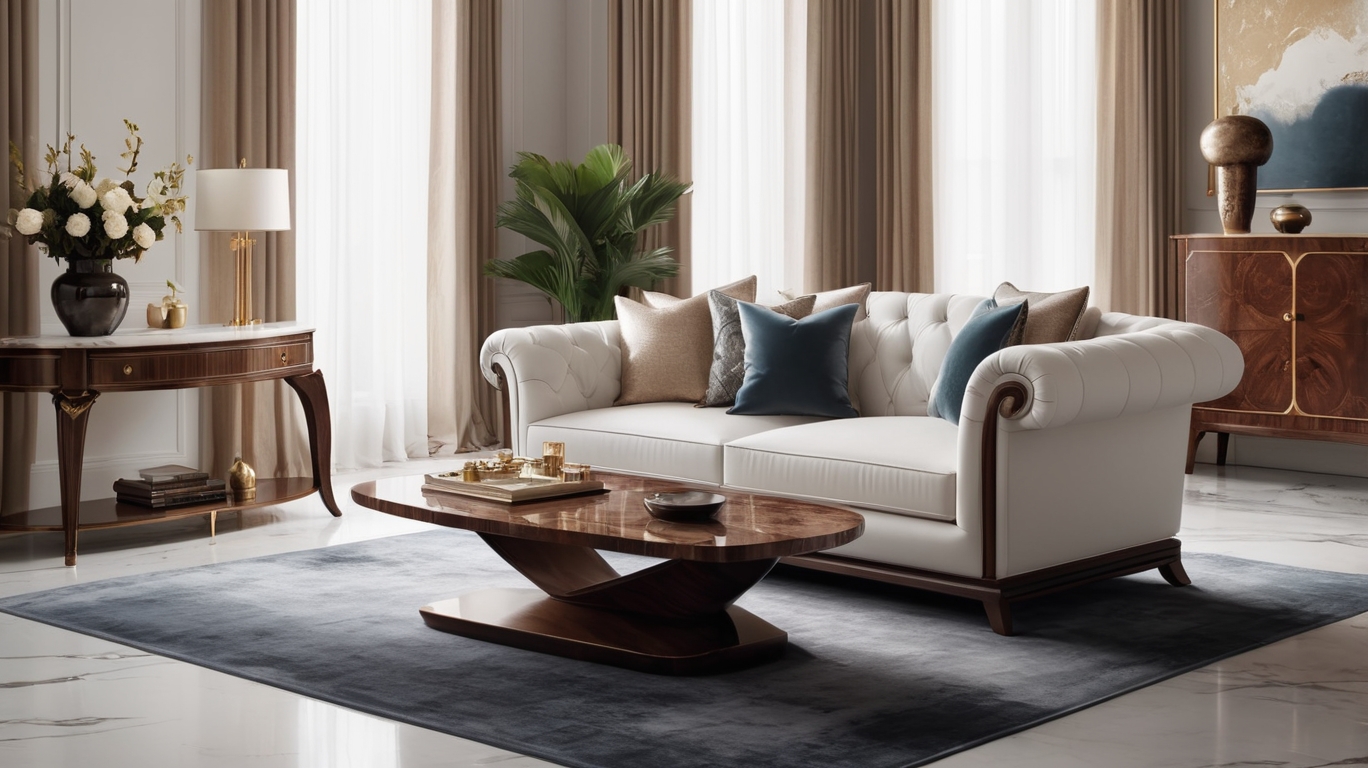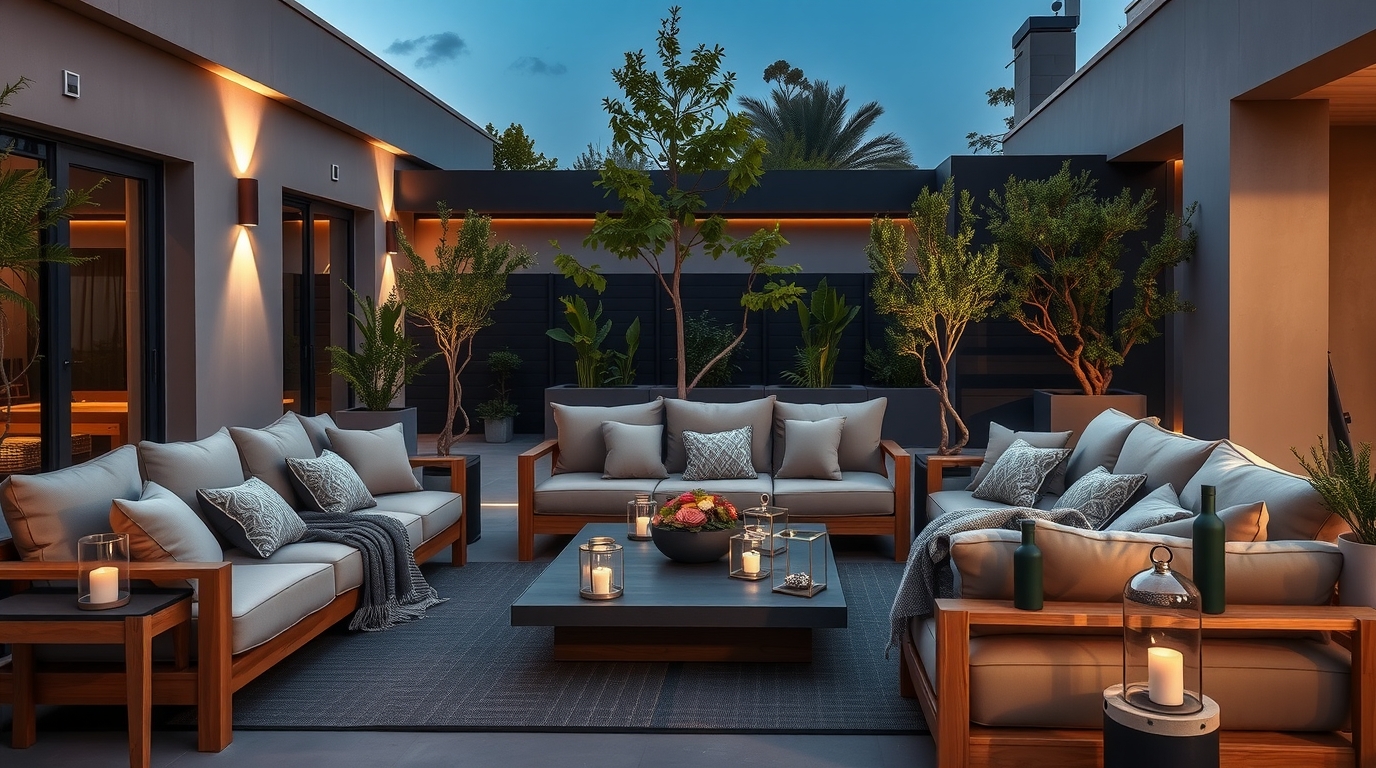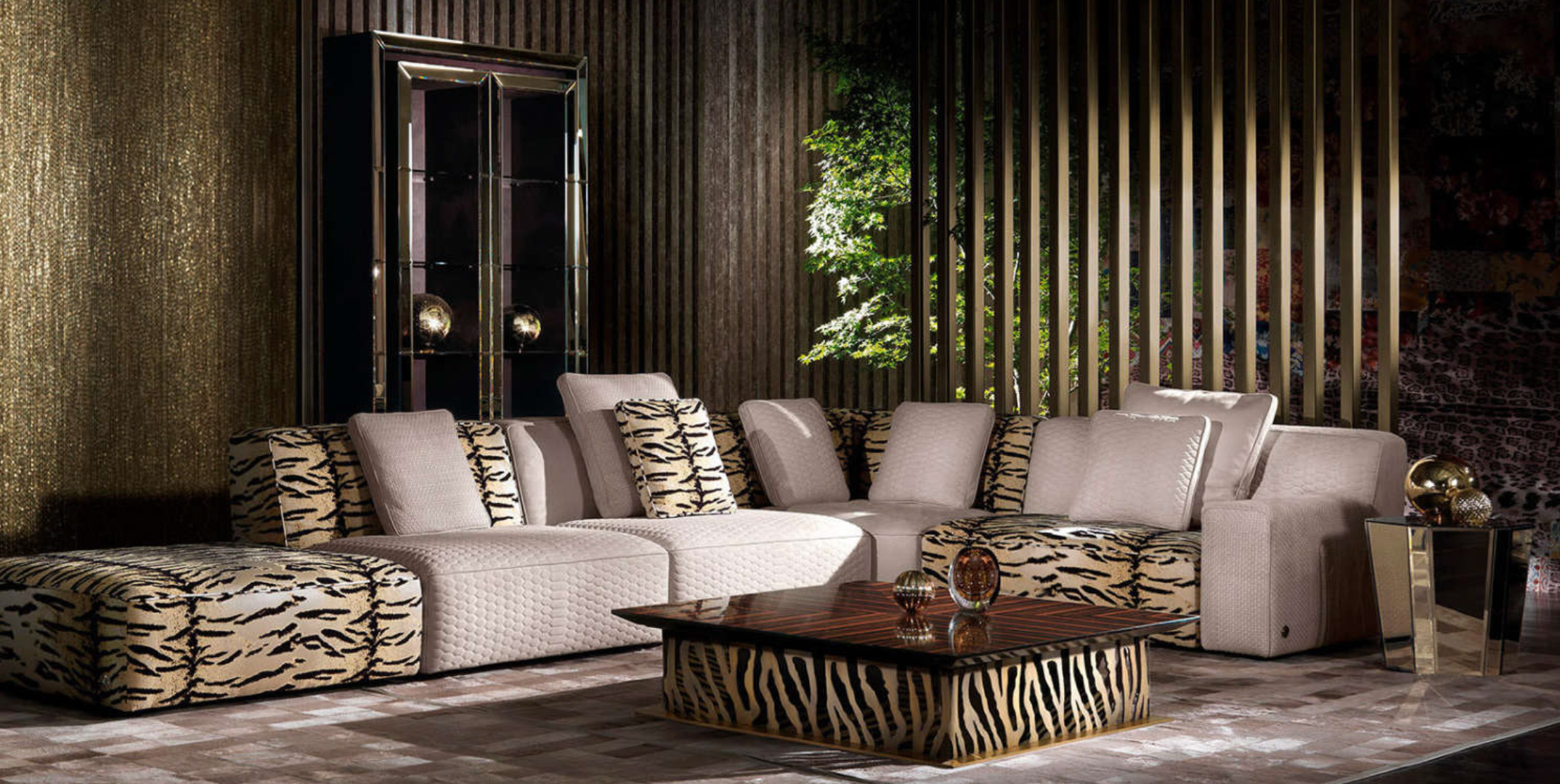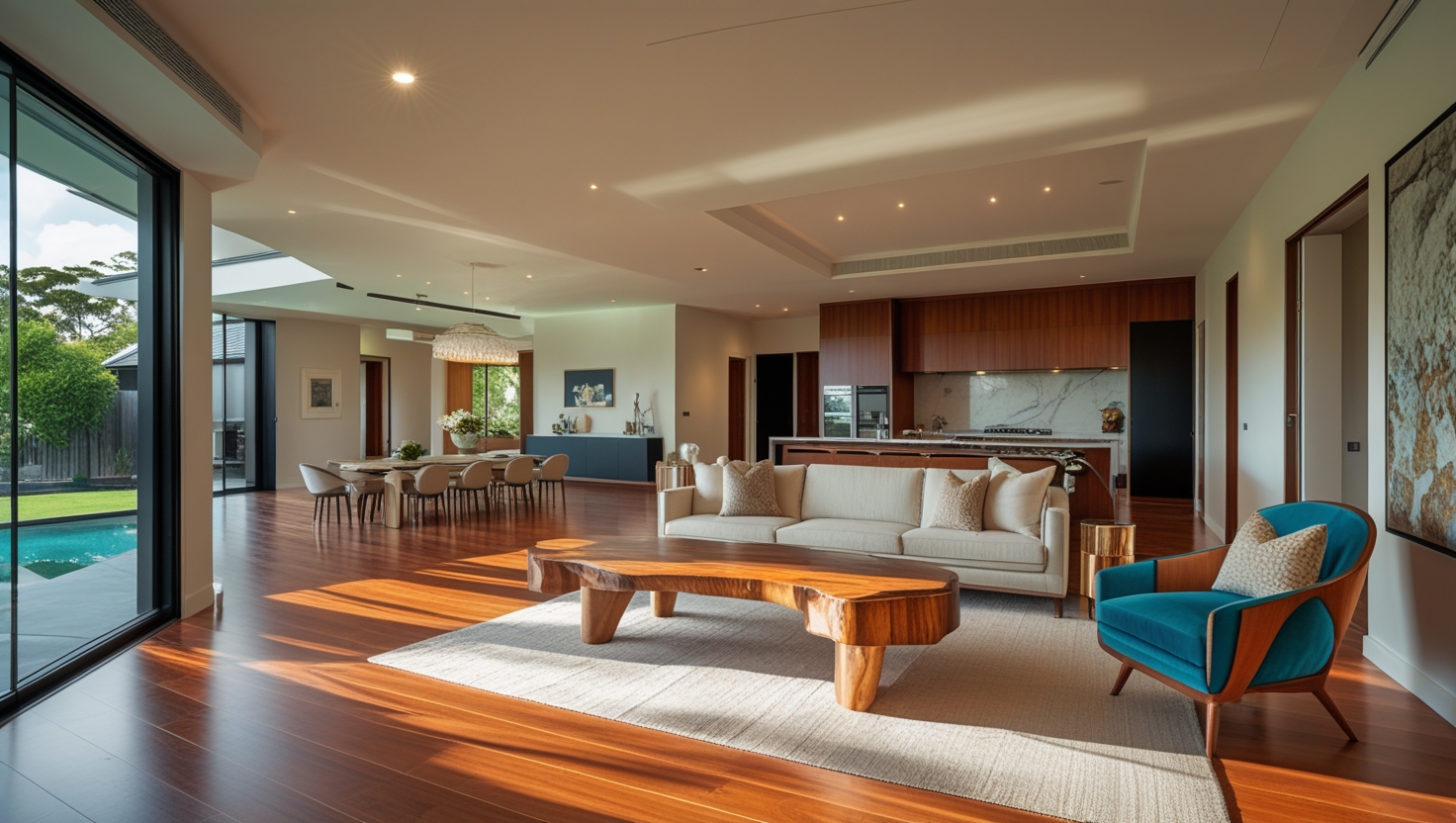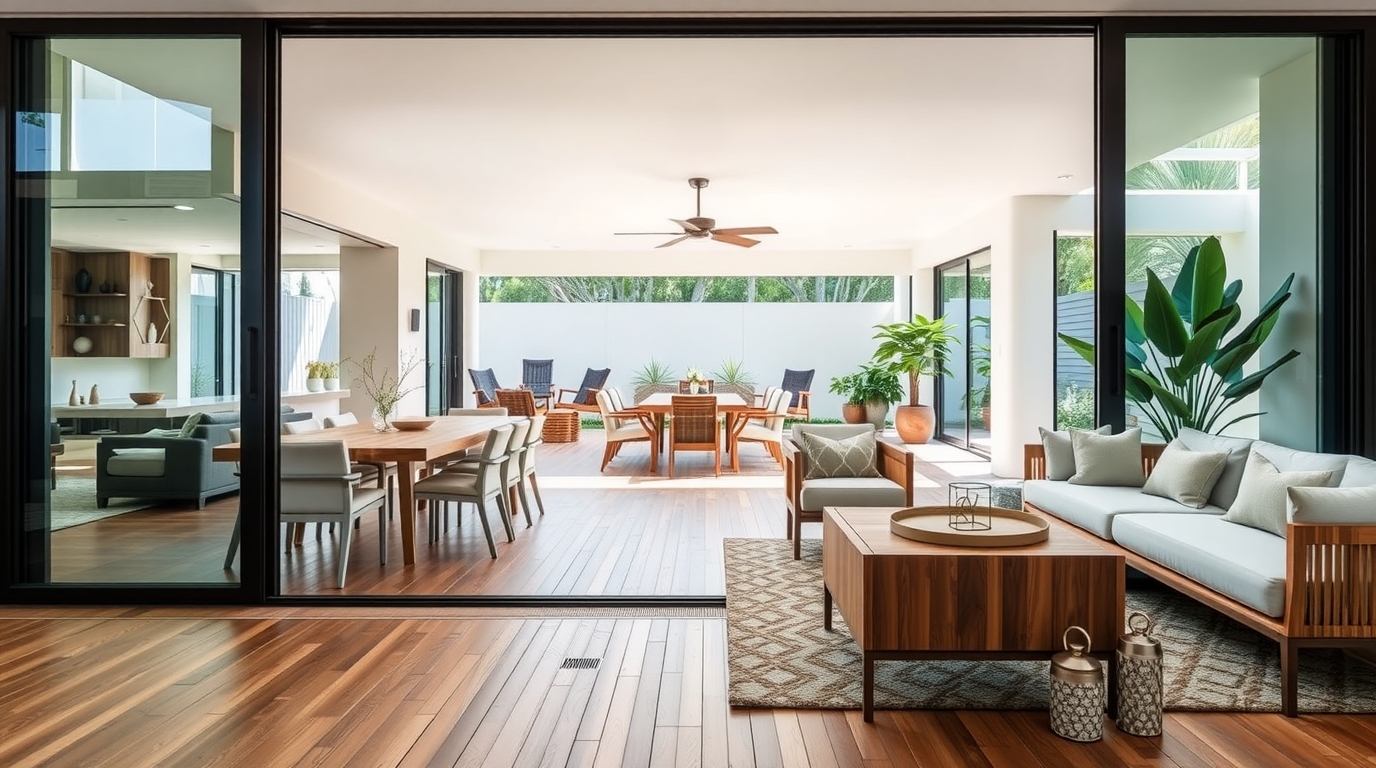
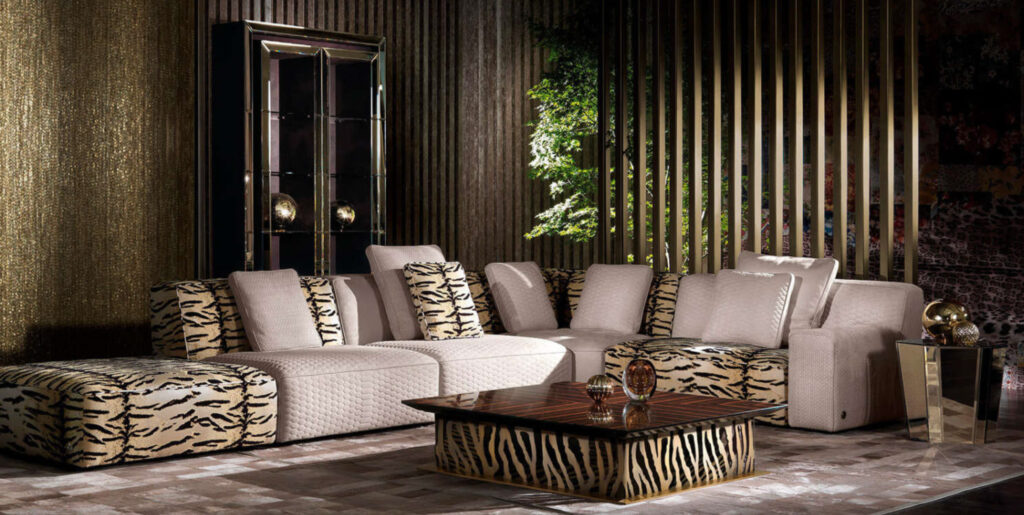
A beautifully designed room can create desire long before a customer decides what to buy.
Someone sees a carefully styled living room on Instagram. They notice the sofa, pendant light, coffee table or textured rug. They save the image. A few days later, they search for similar products. They visit a website, compare materials and dimensions, check delivery information and perhaps leave without purchasing.
That sequence is common in premium home and lifestyle e-commerce.
The challenge for a New Zealand furniture, interiors or homeware business is not simply getting its products seen. It is creating a digital journey that carries the customer from visual inspiration to commercial action.
Luxury and premium products require particular care because customers may be making considered purchases rather than impulse buys. A $3,000 sofa, designer dining table or handcrafted lighting piece requires a different level of information and reassurance from a low-cost household accessory.
For businesses selling these products online, the website therefore has two jobs.
It needs to inspire customers visually, while also giving them enough practical information to make a confident purchasing decision.
New Zealand’s online consumer environment makes this particularly important. MBIE’s 2026 New Zealand Consumer Survey reports that consumers continue to use independent information such as reviews and ratings when making purchasing decisions. The same survey found that 44% of consumers had experienced a problem with a product or service during the previous two years, with quality and products or services not meeting expectations among the most common issues.
For premium home businesses, that creates a clear commercial lesson: beautiful presentation can attract attention, but confidence helps convert it into a sale.
Why Inspiration Alone Does Not Sell Premium Home Products
Visual content is exceptionally important in the home and interiors sector.
Customers want to imagine products in their own spaces. They want to see proportions, materials, finishes, colours and combinations. A well-photographed room can communicate an aesthetic much faster than several paragraphs of description.
But inspiration is only the beginning.
Consider a customer who discovers a beautifully photographed dining table.
The image answers one question:
“Do I like this?”
It does not necessarily answer:
- Will it fit my dining area?
- What are the exact dimensions?
- What is it made from?
- How does the finish look in natural light?
- Is it solid timber or veneer?
- How much assembly is required?
- How long will delivery take?
- Can it be delivered to my region?
- What happens if it arrives damaged?
- Is the displayed price in NZ dollars?
- Can I return it if I change my mind?
- How should I care for it?
The further the customer progresses towards a purchase, the more important these practical questions become.
A successful premium e-commerce website therefore connects aspiration with evidence.
The customer can appreciate the design, but they can also understand exactly what they are buying.
The Customer Journey Starts Before the Product Page
A common mistake is to treat the product page as the entire sales process.
For premium home brands, the journey may begin much earlier.
A potential customer might encounter a business through:
- Instagram or Pinterest-style visual content
- Google Search
- an interior design article
- a room inspiration page
- a designer recommendation
- a Google Shopping result
- a paid advertisement
- a friend’s recommendation
- an email campaign
- a project or renovation story
The customer may not even be looking for a specific product at first.
They might search for:
“modern living room ideas NZ”
before eventually searching for:
“linen sofa New Zealand”
and later:
“three-seater linen sofa NZ delivery”.
Those searches represent different stages of commercial intent.
The first is primarily inspirational.
The second is product-oriented.
The third indicates much stronger purchasing intent.
A good e-commerce strategy recognises that these are not separate audiences. They can be the same customer at different points in the decision-making process.
That means content, SEO, advertising and website design should work together rather than operate as disconnected activities.
Turn Room Inspiration Into Shoppable Inspiration
One of the strongest opportunities for premium home brands is to make inspirational content commercially useful.
Instead of showing a finished room as an isolated photograph, businesses can create a pathway from the room to the products within it.
For example, a living-room feature could show:
- the sofa
- occasional chairs
- coffee table
- rug
- lighting
- cushions
- artwork
- side tables
Each item can lead directly to a relevant product or collection.
This creates a much more useful relationship between editorial content and e-commerce.
The customer does not have to move from inspiration to a completely separate shopping experience.
The shopping experience is built into the inspiration.
Create complete looks
Premium customers often respond to combinations rather than individual products.
A customer may not initially know which coffee table works with a particular sofa. Showing the combination reduces the amount of decision-making required.
Businesses can therefore create collections such as:
The Coastal Living Room
The Contemporary Dining Collection
The Warm Minimalist Bedroom
The Auckland Apartment Edit
The Winter Entertaining Collection
These should not simply be collections created for SEO.
They should solve a genuine customer problem: “Help me create this look.”
That makes the website more useful while also creating opportunities to increase the number of products considered during a single visit.
Product Photography Should Answer Practical Questions
Luxury product photography needs to do more than look expensive.
The customer should be able to understand the product.
For furniture and homeware, useful imagery may include:
- full product photography
- close-ups of materials
- texture and finish details
- scale references
- different angles
- products shown in real rooms
- colour variations
- lifestyle photography
- detail photography of construction or craftsmanship
For a sofa, for example, one beautiful front-facing photograph is rarely enough.
Customers may want to see the depth, arm profile, legs, back, upholstery texture and overall proportions.
For timber furniture, close-up photography can help communicate grain and finish.
For textiles, detailed imagery can make material differences more tangible.
The objective is not to replace written information with photography.
It is to make the product easier to understand.
Product Descriptions Need to Sell Without Overpromising
Premium positioning does not mean filling every description with words such as “luxurious”, “exclusive”, “timeless” or “exceptional”.
If every product is described using the same vocabulary, the language quickly loses meaning.
A stronger description explains why the product matters.
For example, instead of simply saying a dining table is “beautifully crafted”, the page could explain:
- the material used
- the construction method
- the finish
- dimensions
- seating capacity
- intended use
- care requirements
- available options
- manufacturing or delivery considerations
This is particularly important online because customers cannot physically touch the product.
The website needs to compensate for the absence of the showroom.
Make specifications easy to find
Important information should not be hidden inside large blocks of marketing copy.
Use clear sections for:
Dimensions
Materials
Finish
Assembly
Care
Delivery
Warranty
Availability
Returns
Frequently Asked Questions
This helps customers move from emotional interest to practical evaluation.
Build Confidence Around Delivery
Delivery can become a significant barrier when selling furniture and larger home products online.
A customer purchasing a cushion may have relatively little concern about delivery.
A customer purchasing a large dining table has very different questions.
They may want to know:
- Does the business deliver to my area?
- Is delivery available throughout New Zealand?
- What does delivery cost?
- Is the product delivered assembled?
- Does someone need to be home?
- Is specialist delivery required?
- What happens if the product arrives damaged?
- What is the expected delivery timeframe?
For businesses selling across New Zealand, these details should be straightforward to locate.
Avoid forcing customers to reach the checkout before revealing important logistical information.
For premium products, uncertainty at checkout can be particularly damaging because the purchase value is higher.
Be Clear About Returns and Consumer Rights
E-commerce businesses also need to make their policies clear.
New Zealand consumers buying from businesses trading in New Zealand are generally protected by the Consumer Guarantees Act. Products must meet relevant guarantees including acceptable quality, fitness for purpose and matching their description.
The Consumer Protection website also advises online shoppers to check delivery, return and refund terms before buying.
This does not mean a retailer needs to promise unlimited change-of-mind returns.
In fact, New Zealand’s Consumer Protection guidance notes that businesses generally do not have to accept a return simply because a customer has changed their mind, unless the retailer’s own policy provides for it.
The important point is clarity.
A customer should understand the retailer’s policy before purchasing.
For premium home businesses, a well-organised returns and delivery section can therefore function as part of the sales experience rather than merely as legal information.
Use Reviews as Part of the Sales Journey
Social proof is especially valuable when customers cannot physically inspect a product.
Reviews can help answer questions that the business itself cannot answer as persuasively.
Customers may want to know:
- How does the colour look in a real home?
- Was the product easy to assemble?
- Was delivery straightforward?
- Does the furniture feel substantial?
- How does the material perform over time?
- Was the product accurately represented online?
MBIE’s 2026 consumer research confirms that consumers continue to rely on independent information sources such as reviews and ratings when making purchasing decisions.
For a premium homeware business, reviews should therefore be treated as part of the conversion infrastructure.
Where appropriate, encourage customers to review individual products rather than simply reviewing the business.
A product-specific review is much more useful to another customer considering that product.
Add Context to Customer Reviews
A review saying:
“Beautiful product. Love it.”
may provide some reassurance.
A review explaining that the customer purchased the sofa for a particular room, describing its size, delivery experience and material can be considerably more useful.
Where the customer has agreed to provide photographs, user-generated images can add another layer of evidence.
This helps bridge the gap between professionally produced inspiration and real-world ownership.
The objective is not to manufacture enthusiasm.
It is to show customers what ownership actually looks like.
Make the Website Feel Like a Digital Showroom
A premium e-commerce website should not necessarily resemble a discount marketplace.
The visual presentation needs to support the positioning of the business.
That means paying attention to:
- typography
- photography
- whitespace
- navigation
- product categorisation
- page speed
- mobile experience
- filtering
- product presentation
- checkout design
- brand consistency
But aesthetics should never compromise usability.
A visually sophisticated website that makes it difficult to find prices, dimensions or delivery information is not necessarily a high-performing e-commerce experience.
The strongest approach combines brand presentation with commercial clarity.
Mobile Experience Matters at the Inspiration Stage
A large proportion of visual discovery happens on mobile devices.
Someone might see an image while scrolling through social media and visit the website on their phone.
If the product page loads slowly, images are difficult to navigate, filters are awkward or important information is buried, the customer may leave.
The mobile journey should therefore be treated as a primary customer experience.
Check whether customers can easily:
- browse categories
- enlarge images
- select product variations
- read specifications
- see pricing
- add products to their cart
- understand delivery costs
- access returns information
- complete checkout
The customer should not have to fight the website to buy the product.
Use SEO to Capture Customers at Different Intent Stages
Search engine optimisation can help premium home businesses capture customers before they know exactly what they want to buy.
Consider a customer researching a home renovation.
They might initially search for:
“small living room ideas”
Later:
“best sofa for small living room”
Then:
“modular sofa NZ”
Finally:
“modular sofa delivery Auckland”.
Each search provides a different opportunity.
A business that only optimises individual product pages may miss customers during the earlier stages.
A broader content strategy can capture those searches and gradually introduce the business’s products.
Useful content could include:
- room planning guides
- material comparisons
- furniture sizing guides
- styling advice
- care guides
- buying guides
- renovation inspiration
- seasonal home ideas
- product comparison articles
- project showcases
The important principle is that content should lead somewhere useful.
A buying guide should naturally connect readers to relevant products.
Create Content Around Real NZ Homes
New Zealand-specific content can make an e-commerce brand more relevant.
For example, the requirements of a compact Auckland townhouse can differ from those of a larger lifestyle property.
A Wellington customer may have different considerations around weather exposure and outdoor furniture.
A Christchurch customer may be thinking about heating, insulation, winter comfort or furnishing a newer home.
A coastal property may create different material and maintenance considerations from an inland home.
These differences can become useful content opportunities.
Rather than producing generic articles such as “10 Luxury Interior Trends”, a business might create something more commercially useful:
How to Choose Outdoor Furniture for a Coastal New Zealand Home
or:
How to Select the Right Dining Table for a Compact NZ Home
The content can then connect directly to relevant products.
Connect Google Ads With High-Intent Products
Paid search can complement organic discovery.
The strongest opportunities are often found where customers demonstrate clear commercial intent.
For example:
- specific product searches
- branded searches
- product category searches
- high-intent local searches
- searches for particular materials or styles
A customer searching for a particular product is in a different position from someone casually browsing home inspiration.
Advertising strategy should reflect that distinction.
The landing page also matters.
Sending every advertisement to the homepage creates unnecessary friction.
If the advertisement promotes a particular sofa collection, the customer should generally arrive somewhere relevant to that collection.
The relationship should be obvious:
Search → Advertisement → Relevant landing page → Product → Checkout
Every unnecessary step creates another opportunity for the customer to leave.
Do Not Treat Every Visitor as Ready to Buy
Premium e-commerce often involves longer consideration periods.
A customer may visit several times before purchasing.
This is particularly true for furniture, lighting and higher-value home products.
A visitor who leaves without purchasing is not necessarily a failed prospect.
They may be researching.
This makes remarketing and email particularly useful when implemented appropriately.
For example, a customer who views a collection could later receive useful content about:
- the collection
- product care
- styling
- complementary products
- new arrivals
- availability
- seasonal collections
The communication should add value rather than repeatedly saying:
“Buy now.”
For premium brands, persistent pressure can undermine the positioning the business is trying to create.
Increase Average Order Value Through Useful Product Relationships
Once a customer decides to buy, the website can help them identify complementary products.
For example:
Sofa → side table → floor lamp → rug
or:
Dining table → dining chairs → pendant light → tableware
The important distinction is between relevant recommendations and aggressive upselling.
A recommendation should answer:
“What else would make this purchase work better?”
This is particularly effective for home products because customers are often furnishing spaces rather than buying completely isolated objects.
Use Collections to Simplify Choice
Too much choice can create friction.
A website with hundreds of products may technically offer more options but still make it harder for customers to decide.
Curated collections can reduce that problem.
Examples include:
- New to the Collection
- Best Sellers
- Apartment Living
- Outdoor Entertaining
- Natural Materials
- Contemporary Dining
- Bedroom Essentials
- Designer Lighting
- Gifts for the Home
These categories can guide customers without preventing them from exploring the full catalogue.
For a premium business, curation can also reinforce expertise.
The website becomes more than a catalogue.
It becomes a source of direction.
Measure the Full Commercial Funnel
E-commerce performance should not be judged solely by traffic.
A website might receive thousands of visitors but generate relatively few purchases.
Another site might have substantially less traffic but attract customers with stronger commercial intent.
Useful metrics include:
- product-page views
- add-to-cart rate
- checkout initiation
- conversion rate
- average order value
- revenue per visitor
- returning customer rate
- abandoned-cart rate
- source of purchasing customers
- revenue by product category
- revenue by marketing channel
This allows the business to distinguish between attention and commercial performance.
For example, an Instagram post might generate significant engagement but few sales.
A Google Search campaign might generate fewer clicks but produce customers with stronger purchasing intent.
Neither should automatically be considered successful or unsuccessful from one metric alone.
The business needs to understand how each channel contributes to the broader customer journey.
Use Data to Improve the Website
Analytics become particularly valuable when combined with qualitative information.
If customers repeatedly ask:
“Is this suitable for an apartment?”
that question may belong on the product page.
If customers regularly ask about delivery to a particular region, the delivery information may need to be clearer.
If many customers abandon their carts after shipping costs appear, the business should investigate whether delivery pricing or communication is creating friction.
Customer service conversations can therefore become a source of website optimisation.
The objective is continuous improvement.
Common E-Commerce Mistakes Premium Home Brands Should Avoid
1. Beautiful photography with weak product information
The website looks impressive but leaves customers uncertain about the purchase.
2. Hiding delivery information
Customers should not have to reach the final checkout stage to discover important delivery conditions.
3. Generic product descriptions
Premium products deserve detailed, accurate information.
4. Treating social media as the entire sales strategy
Social platforms can create discovery, but the business still needs a strong destination where customers can research and purchase.
5. Sending all advertising traffic to the homepage
Relevant traffic should reach relevant pages.
6. Making the checkout unnecessarily complicated
Every unnecessary field or step can introduce friction.
7. Ignoring mobile customers
The mobile experience needs to support both browsing and purchasing.
8. Overusing luxury language
If every product is “exclusive”, “timeless” and “exceptional”, the language becomes less credible.
9. Neglecting trust signals
Reviews, policies, contact information, delivery information and accurate product specifications all contribute to purchase confidence.
10. Measuring traffic instead of revenue
Traffic is useful, but it is not the commercial objective.
A Practical Framework for Turning Inspiration Into Sales
For a New Zealand home and lifestyle e-commerce business, the process can be simplified into seven stages.
1. Inspire
Use strong photography, editorial content, social media and project imagery to create desire.
2. Educate
Explain materials, dimensions, styling, care and practical considerations.
3. Reassure
Make reviews, delivery information, returns policies and business details easy to find.
4. Guide
Use collections, filters, buying guides and curated room concepts to reduce decision fatigue.
5. Convert
Make product pages, cart and checkout clear, fast and easy to use.
6. Re-engage
Use appropriate email, remarketing and useful follow-up content for customers who need more time.
7. Measure
Track enquiries, purchases, average order value, conversion rates and channel performance.
This creates a connected customer journey rather than a collection of disconnected marketing activities.
The Opportunity for NZ Home and Lifestyle Businesses
New Zealand’s premium home market includes businesses selling furniture, lighting, interiors, décor, textiles, outdoor products and specialist homeware.
For many of these businesses, the opportunity is not simply to put more products online.
It is to create a better connection between how the brand inspires people and how the website helps them buy.
A customer might discover a brand because of a beautiful room photograph.
They should then be able to move naturally towards the relevant collection, understand the products, compare options, establish confidence and complete the purchase without unnecessary uncertainty.
That requires more than attractive web design.
It requires SEO, content, e-commerce architecture, conversion-focused design, paid search, analytics and a clear understanding of the customer journey working together.
Final Thoughts
Luxury home e-commerce works best when inspiration and practicality reinforce each other.
The visual side of the brand creates the initial emotional response. The website then needs to answer the questions that stand between interest and purchase.
For New Zealand customers, that means providing accurate product information, clear pricing, practical delivery details, transparent policies, useful reviews and a straightforward buying experience.
It also means understanding that the path to purchase may begin long before a customer visits a product page.
A person can discover a brand through an inspirational image, research through Google, return through an advertisement, compare products on the website and finally purchase days or weeks later.
The businesses that understand this journey can build e-commerce experiences that do more than display beautiful products.
They can turn design inspiration into informed purchasing decisions and measurable commercial outcomes.
For home and lifestyle businesses, that is where an e-commerce website becomes more than a digital catalogue. It becomes an active part of the sales process.
To learn more, please visit www.hlmco.com.au