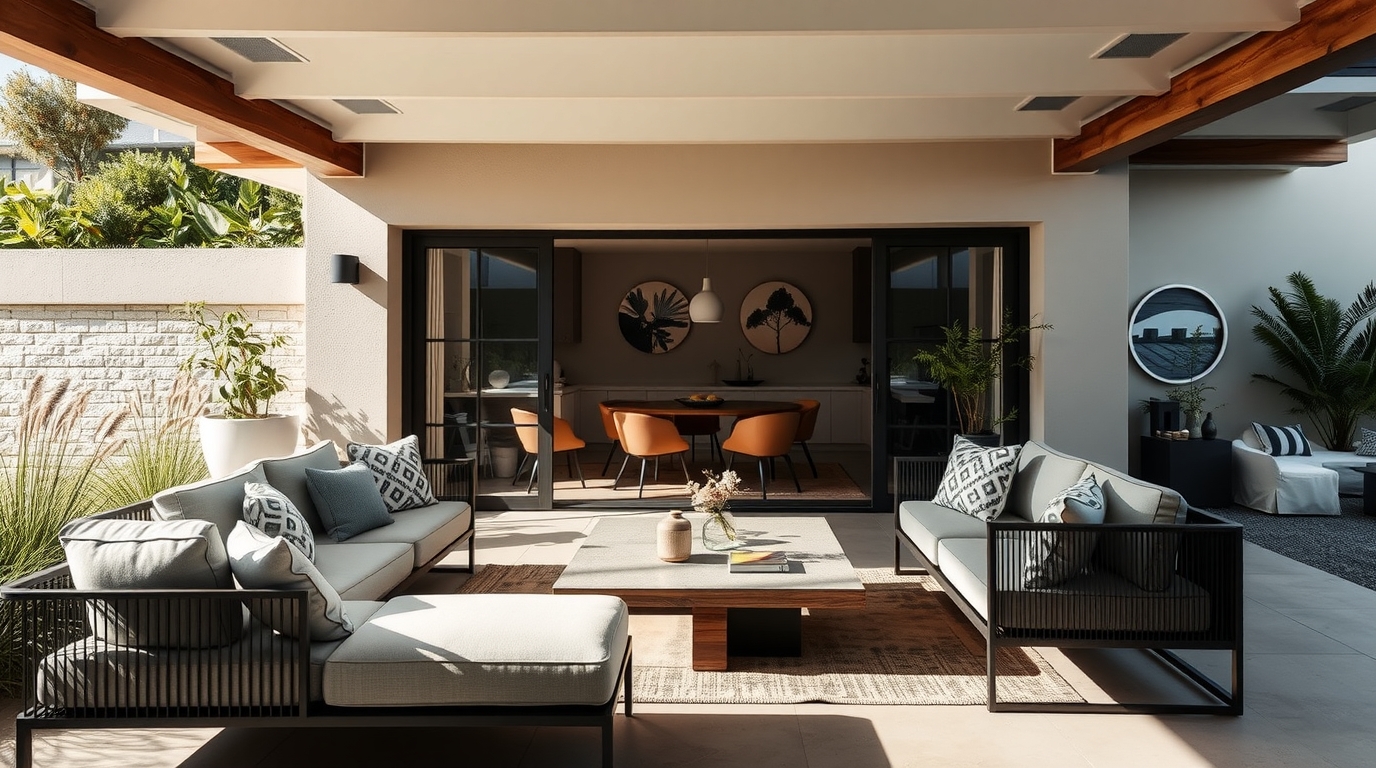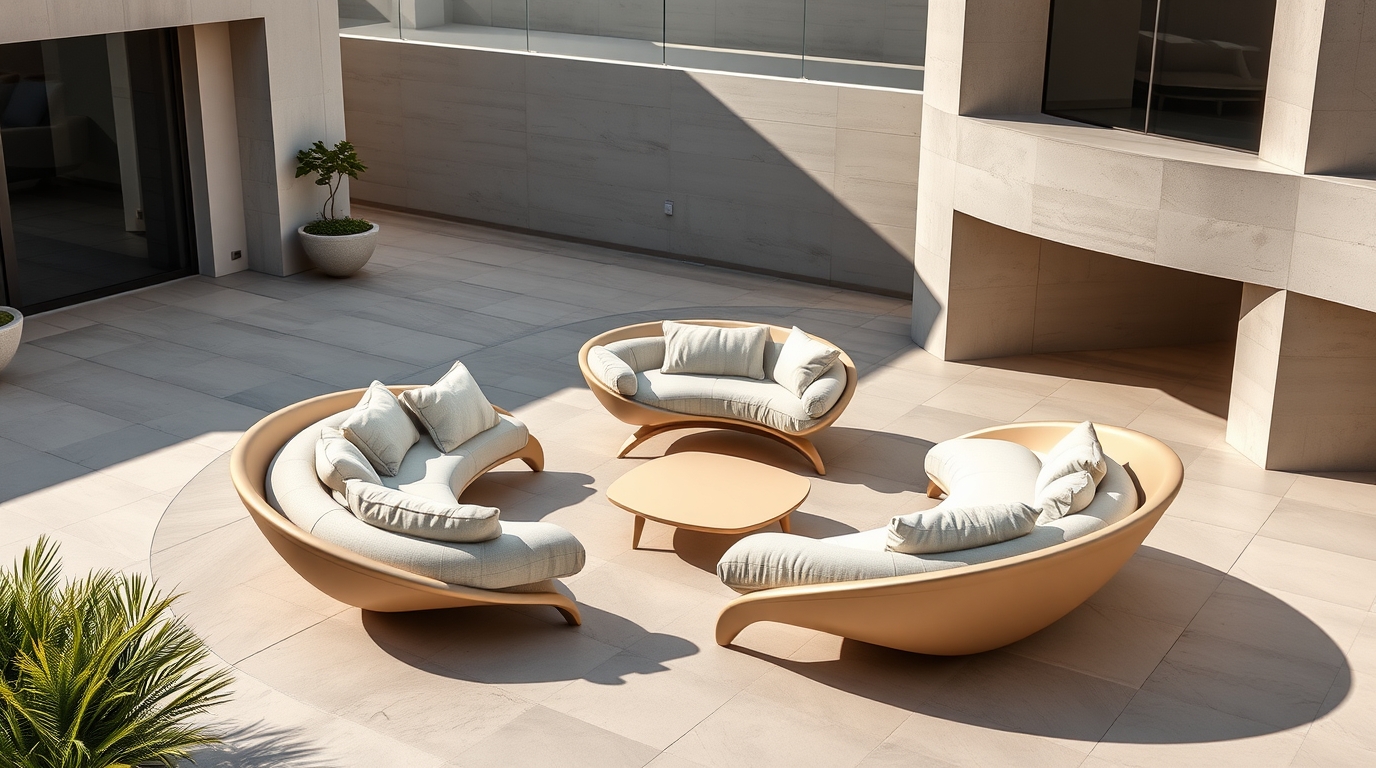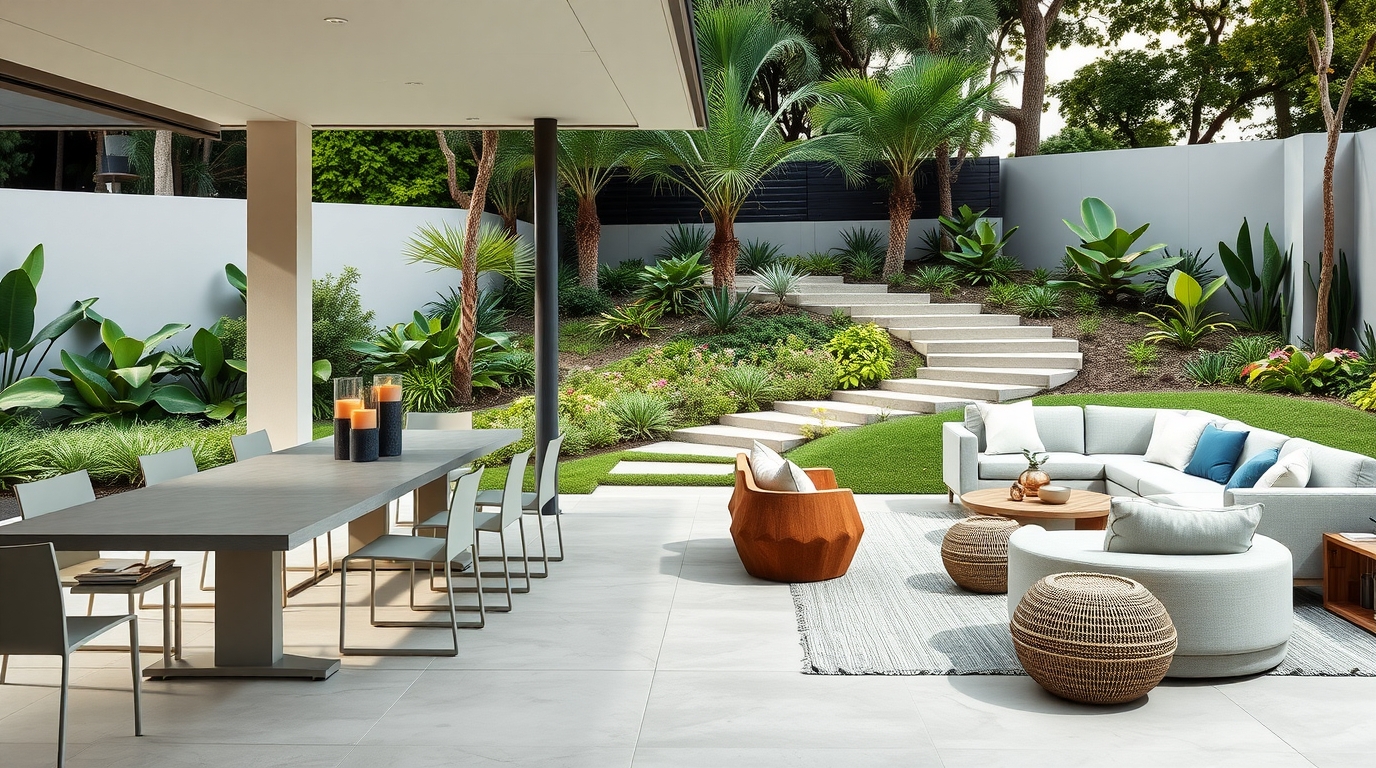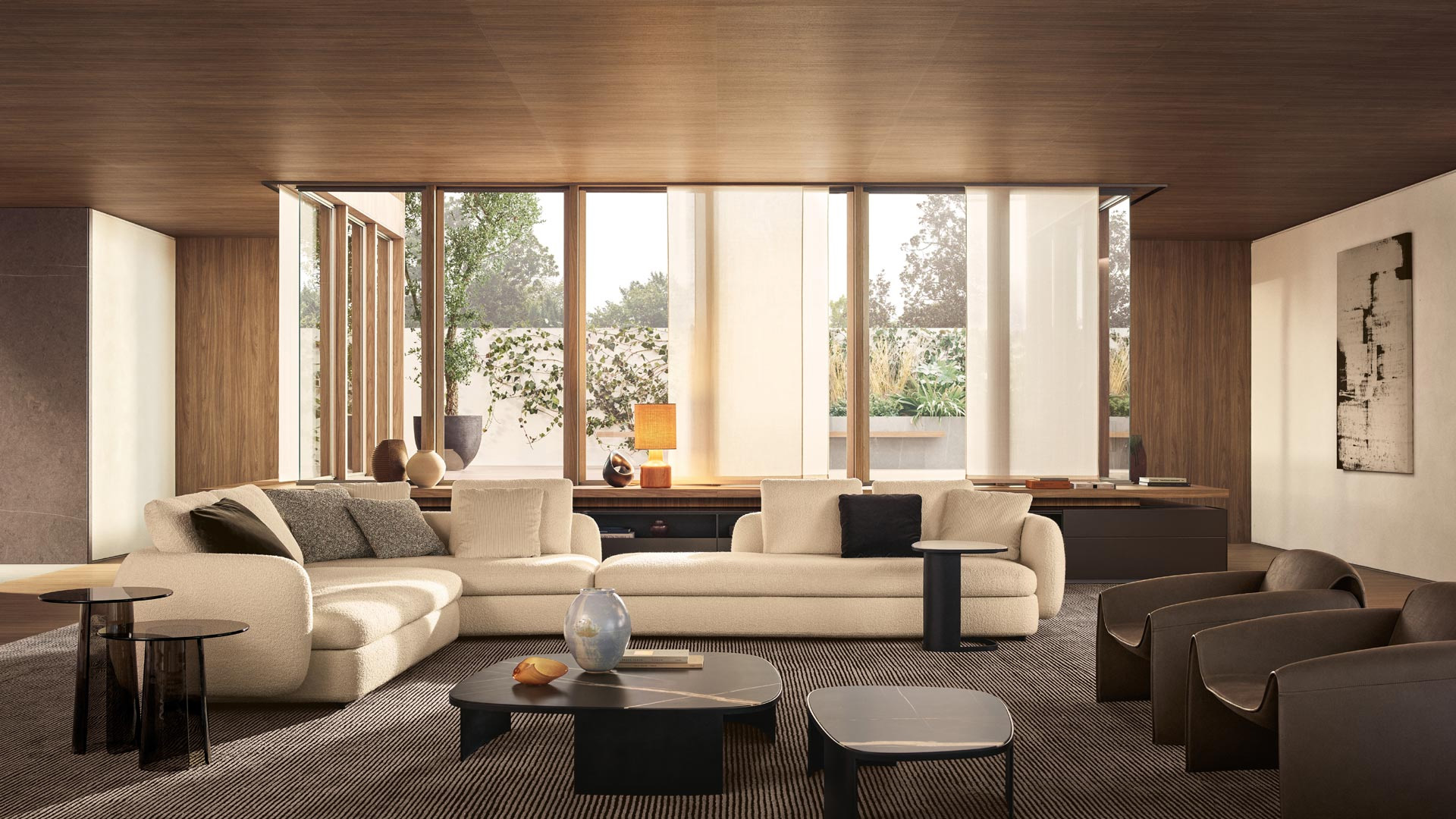
Great design is born from harmony. When an outdoor dining set aligns seamlessly with the architecture of your home, the result is more than aesthetic — it’s a sense of belonging. The lines, materials, and proportions of your home’s structure can guide the creation of a dining area that feels custom-built, coherent, and uniquely yours.
Architecture as Inspiration
Every home has a language. A coastal home might speak in soft timbers and whitewashed tones, while a contemporary city residence might favour sleek aluminium and concrete. The outdoor dining setting should echo that voice — not mimic, but interpret it. When furniture complements the structural rhythm of the building, it reinforces visual unity and expresses refinement.
Form and Proportion
Architecture dictates proportion. In a home with wide eaves and large openings, a generous dining table feels at home. In more compact courtyards, slender frames and minimalist forms maintain spatial balance. Aligning the geometry of the furniture with that of the home — linear designs for modern builds, curved edges for organic architecture — creates coherence that feels deliberate.
Material Symmetry
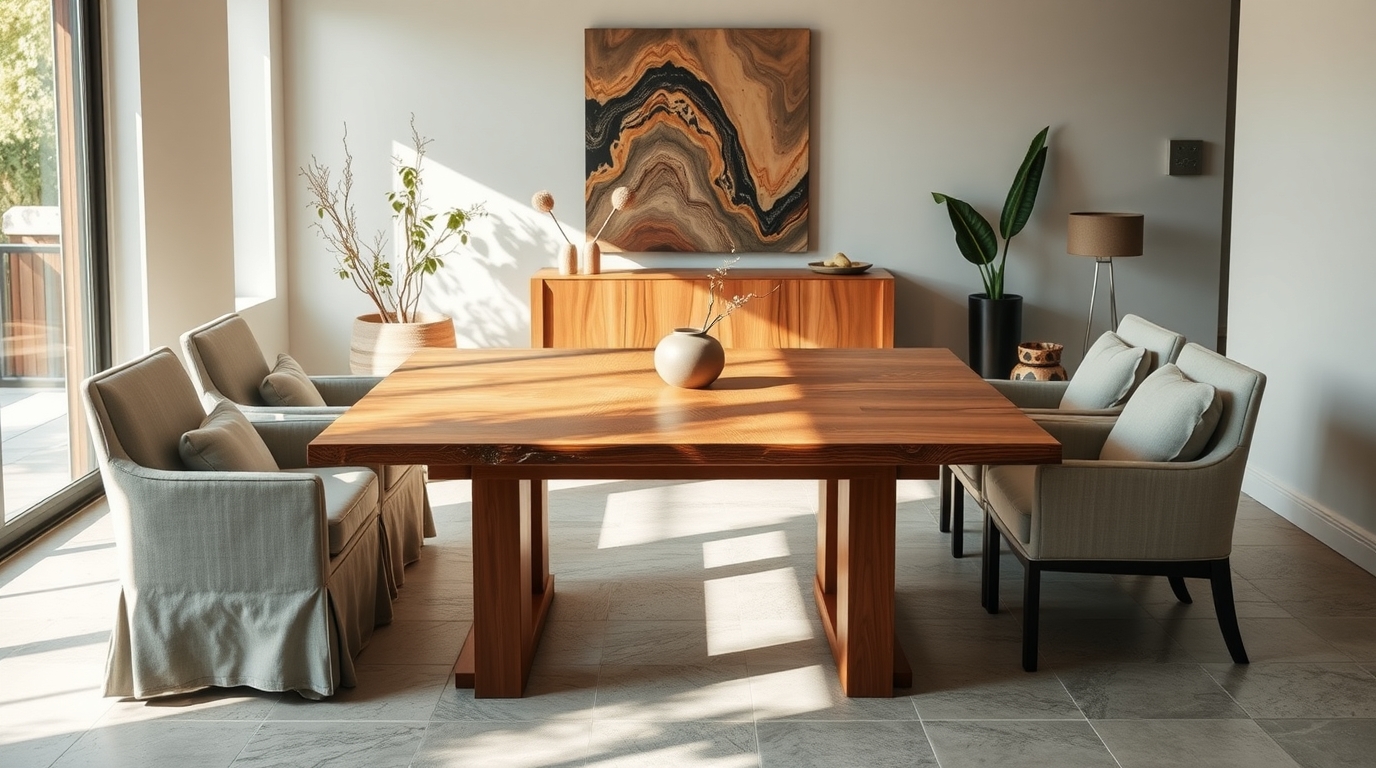
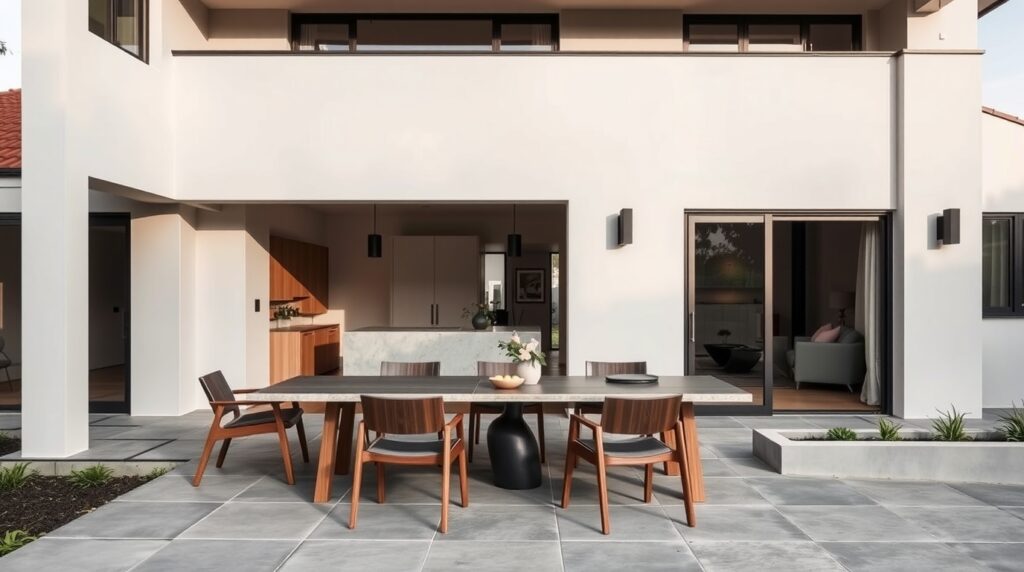
Selecting materials that reflect the home’s finishes creates immediate connection. Timber cladding pairs beautifully with teak; rendered walls and aluminium joinery call for powder-coated frames; stone and terrazzo surfaces resonate with ceramic or concrete dining tops. The beauty of modern manufacturing allows for custom finishes that mirror the tones of window frames or decking boards, creating seamless integration.
Colour as Continuity
Colour bridges the indoors and outdoors. Matching or gently contrasting your home’s primary hues ensures flow between spaces. If your interior features warm neutrals, extend the palette to your outdoor dining with sand, taupe, and soft white. For bolder architecture, charcoal and graphite make sophisticated companions. The goal is rhythm — colours that converse rather than compete.
The Statement of Scale
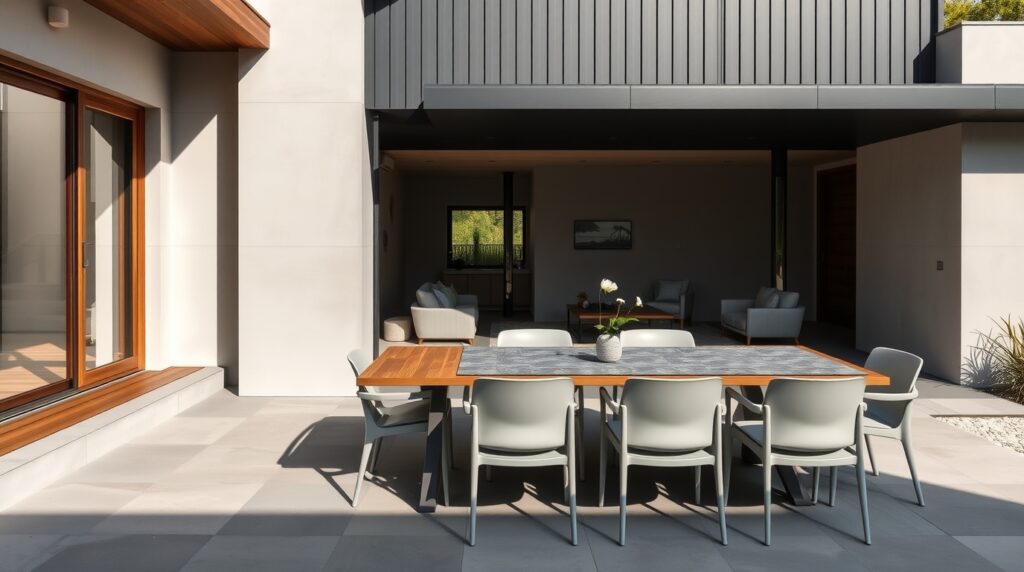
Outdoor dining areas should command presence without overwhelming their surroundings. A dining table that mirrors the width of a patio door or lines up with the home’s structural elements — columns, beams or window edges — enhances architectural logic. This visual alignment turns furniture into part of the building’s language.
Comfort Meets Composition
Luxury lies in comfort as much as design. Ergonomically contoured chairs, tactile fabrics, and weather-resistant cushions transform dining into experience. Bespoke proportions allow chairs to tuck neatly under tables, maintaining a clean, architectural silhouette even when not in use.
Integrating Landscape Design
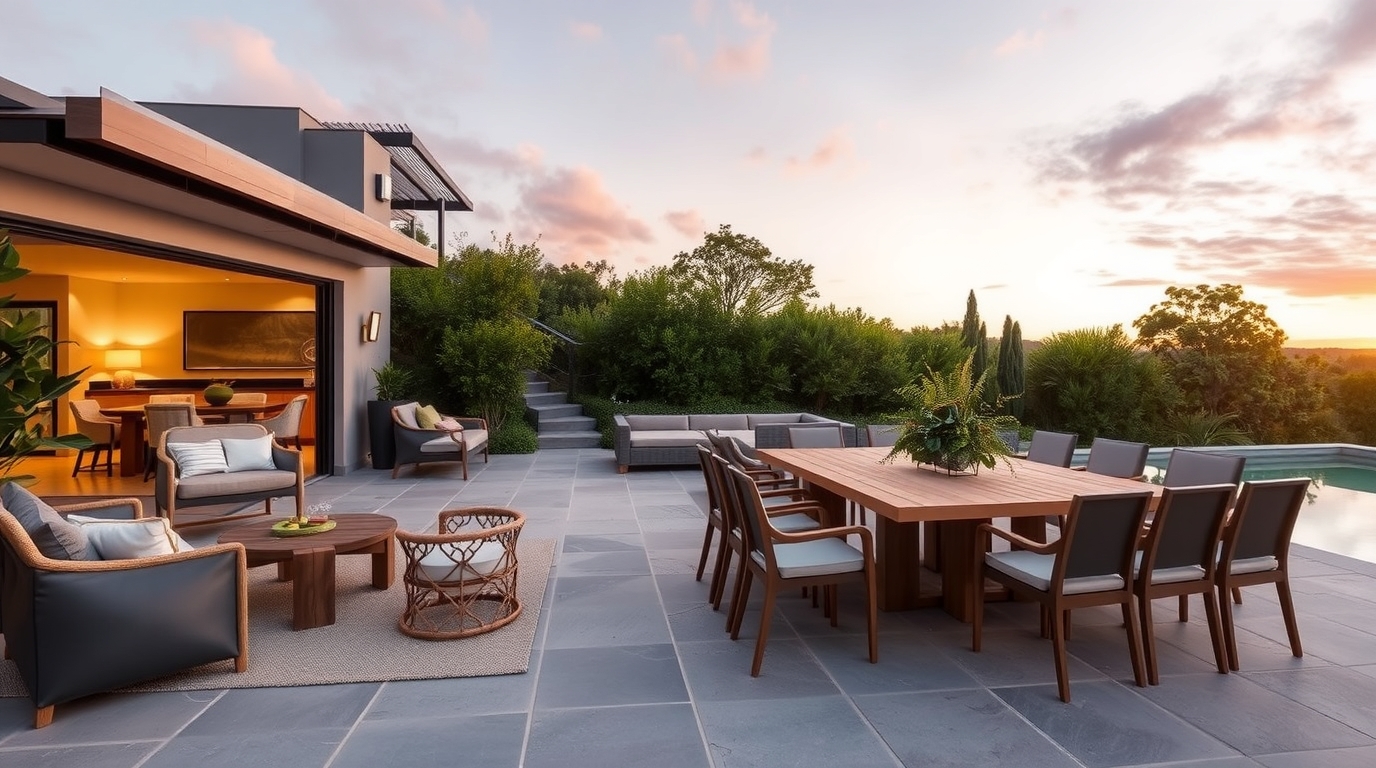
Architecture doesn’t stop at the wall — it extends into the landscape. The best outdoor dining spaces respond to surrounding materials: gravel, stone pavers, garden foliage. Positioning the setting to frame views or align with pathways maintains the narrative of structure leading into nature.
Lighting and Atmosphere
Architectural coherence extends into lighting. Wall-mounted fixtures that match interior pendants, or subtle in-ground lights that trace the home’s lines, maintain consistency. Lighting that grazes furniture surfaces accentuates craftsmanship and creates intimacy.
Customisation: The Final Signature
Personalising your dining set ensures it reflects both architecture and personality. Custom dimensions, finishes and fabric selections transform a generic setting into a design statement. The ability to match your home’s architecture through tailored craftsmanship is the defining luxury of modern outdoor living.
A Home in Complete Conversation
When your dining setting and home architecture speak the same visual language, the effect is timeless. It’s not just coordination — it’s conversation, balance and identity, all expressed through form and finish.
Create harmony between structure and style at www.theexclusivehome.com.au.