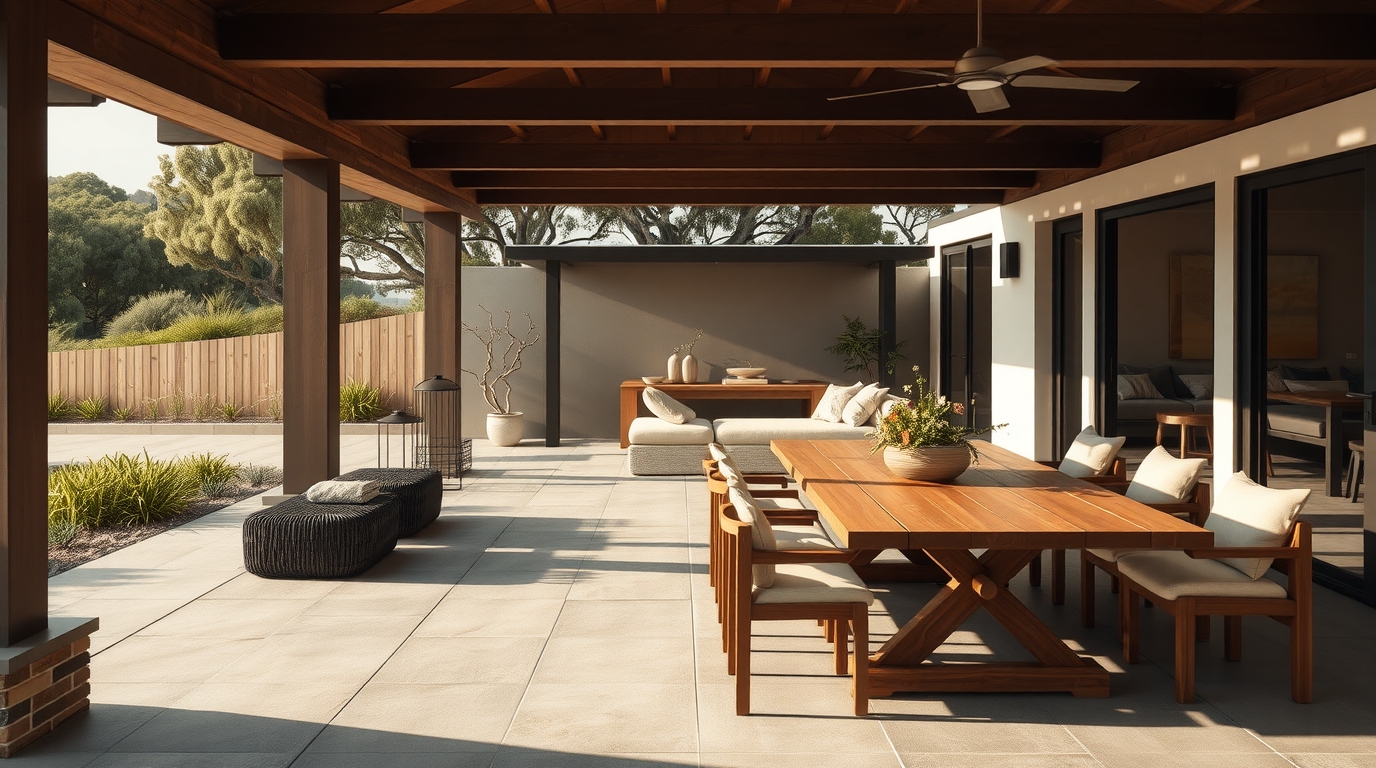
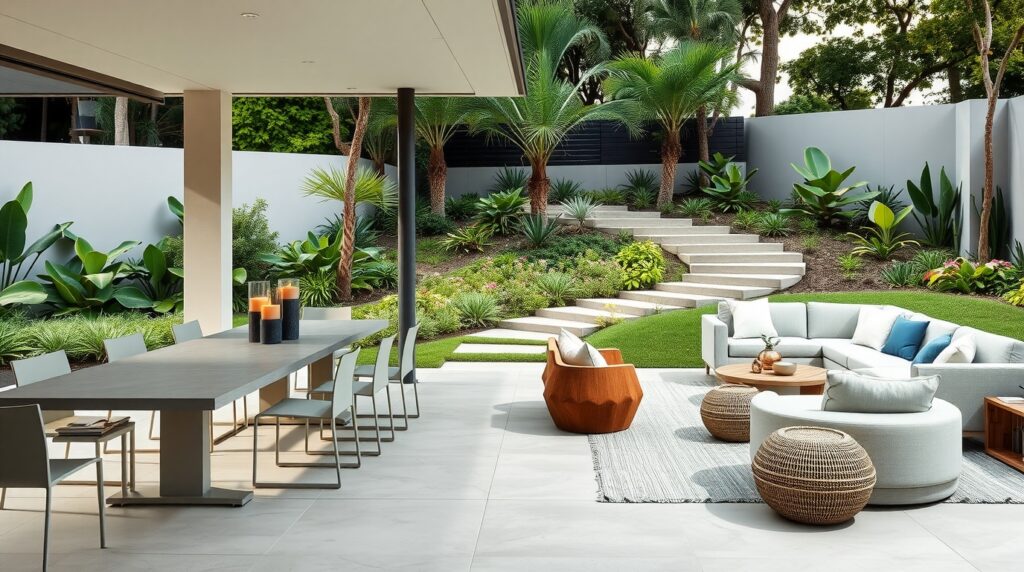
The most successful outdoor spaces are those that feel connected—where the transition between dining areas, lounge zones and garden pockets is smooth, intuitive and visually cohesive. Flow is the defining characteristic of a well-designed outdoor environment. It enables movement without disruption, creates harmony between functional areas, and shapes how guests experience the space.
This comprehensive article explores how to design an outdoor area that achieves seamless flow, blending structure with organic movement and style with practicality.
Understanding the Foundation of Outdoor Flow
Outdoor flow begins with layout. Just as indoor spaces benefit from defined yet connected “rooms,” outdoor environments function best when different zones serve distinct purposes while remaining visually linked. These zones typically include:
- A dining area
- A lounge or relaxation area
- A garden or landscaping buffer
- Optional poolside or fire pit zones
- Transitional walkways or paths
Flow occurs when these spaces interact without interruption. For example, a dining setting near the kitchen allows effortless serving, while a lounge nearby encourages guests to drift into conversation after a meal.
Working with the Natural Shape of the Space
Every outdoor space has an inherent shape, determined by architecture, block size, boundaries and existing landscaping. Instead of working against these structures, good design enhances the natural shape and amplifies its strengths.
Narrow courtyards may benefit from linear dining settings and compact lounges. Larger open backyards can incorporate multiple pockets of activity. Curved gardens support sweeping pathways, while angular modern homes pair well with structured furniture profiles. Maximising flow involves embracing the natural geometry of the space and allowing each zone to align with it.
Furniture Selection as the Link Between Zones
Furniture is one of the strongest tools for creating flow. When furniture styles across zones share similar lines, colours or materials, the visual connection becomes immediate. For example:
- Matching aluminium frames across dining and lounge settings
- Teak dining tables paired with teak-edged sofas
- Consistent cushion colours throughout all zones
- Complementary accent tones between garden décor and furniture
Furniture acts as both a functional anchor and a stylistic bridge. When the eye perceives harmony across these pieces, the entire outdoor area feels unified.
Colour Continuity and Material Consistency
Colour is one of the simplest yet most powerful ways to create flow. A cohesive colour story ties the space together visually and emotionally. Repeating tones across dining cushions, lounge pieces, planter pots and outdoor rugs reinforces visual unity. Popular outdoor palettes include:
- Charcoal, stone and pale timber
- White, navy and teak
- Olive, cream and natural rattan
- Mocha, sand and eucalyptus green
Material consistency is equally important. Using the same aluminium powder-coat colour throughout the space immediately connects the zones. Similarly, repeating timber or composite materials strengthens the sense of continuity.
Designing Pathways and Natural Movement
Flow relies heavily on how people move from one area to another. Pathways must feel comfortable, intuitive and unobstructed. Too many corners or barriers interrupt flow, while clear walkways encourage easy navigation. Ensuring that pathways remain at least 1 metre wide helps maintain comfort and accessibility when hosting.
Using Landscaping as a Soft Connector
Landscaping is the natural thread that weaves outdoor zones together. Plants soften hard edges, introduce texture and create visual balance. Repetition is key: repeating plant types across zones reinforces cohesion. Planters placed strategically can guide movement, create welcoming entrances to different areas and define edges without hard barriers.
Lighting for Evening Flow
As daylight fades, lighting becomes the dominant force shaping flow. Good lighting highlights pathways, emphasises key furniture zones and introduces warmth. Well-designed lighting uses layers, such as overhead soft lighting near dining sets, ambient lighting near lounges, and in-ground pathway lights. Lighting should promote movement between zones without creating harsh shadows.
Creating Visual and Functional Connections Between Dining and Lounge Areas
Dining and lounge areas are often the two most important alfresco zones. Connecting them requires understanding their purpose and ensuring they complement each other. The dining area should feel structured and practical, while the lounge should feel more relaxed. To link these two zones, match cushion colours, align the lounge’s orientation toward the dining area, and select coordinated tabletops—such as ceramic or sintered stone—across both settings.
The Garden as a Flowing Backdrop
The garden plays a vital role in outdoor flow. Plants create depth and structure while acting as living connectors between zones. Layered heights—ground cover, mid-level shrubs, and taller trees—create a rich visual tapestry. The garden becomes the backdrop that ties the alfresco environment together, making each zone feel part of a larger whole.
The Role of Customisation in Achieving Better Flow
Customisation allows homeowners to tailor furniture dimensions, colours and shapes to their specific outdoor space. This flexibility can dramatically improve flow, especially in unique or challenging areas. Custom furniture prevents awkward gaps, ensures better proportional balance and creates a bespoke look that enhances the overall outdoor experience.
Why Flow Matters in Everyday Living
Seamless flow enhances both hosting and daily use. A well-connected outdoor environment feels comfortable, organised and visually complete. It supports everything from quiet personal moments to large social gatherings. When dining, lounging and garden zones work together harmoniously, the outdoor area feels like a natural extension of the home—inviting, relaxing and beautifully functional.