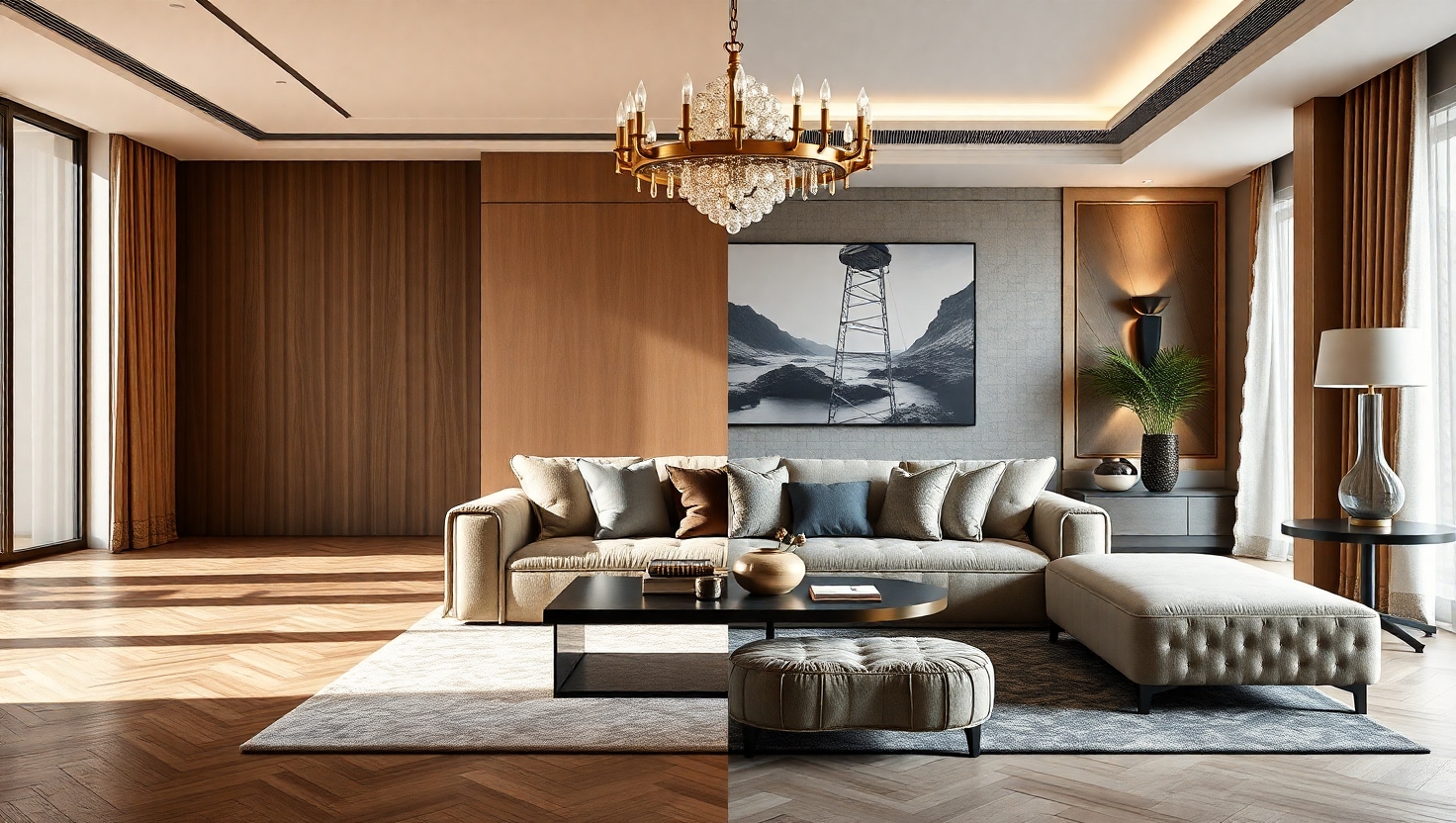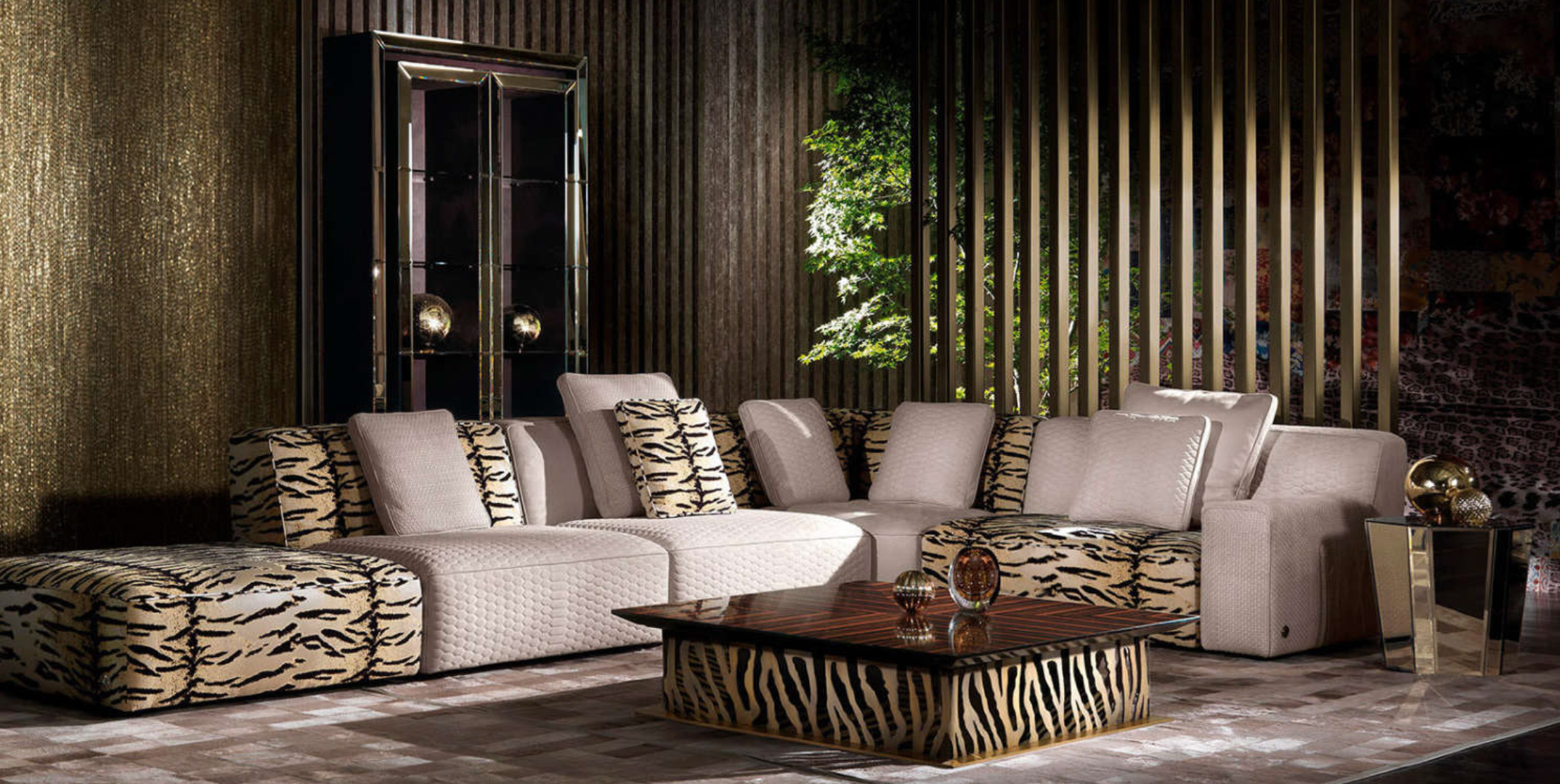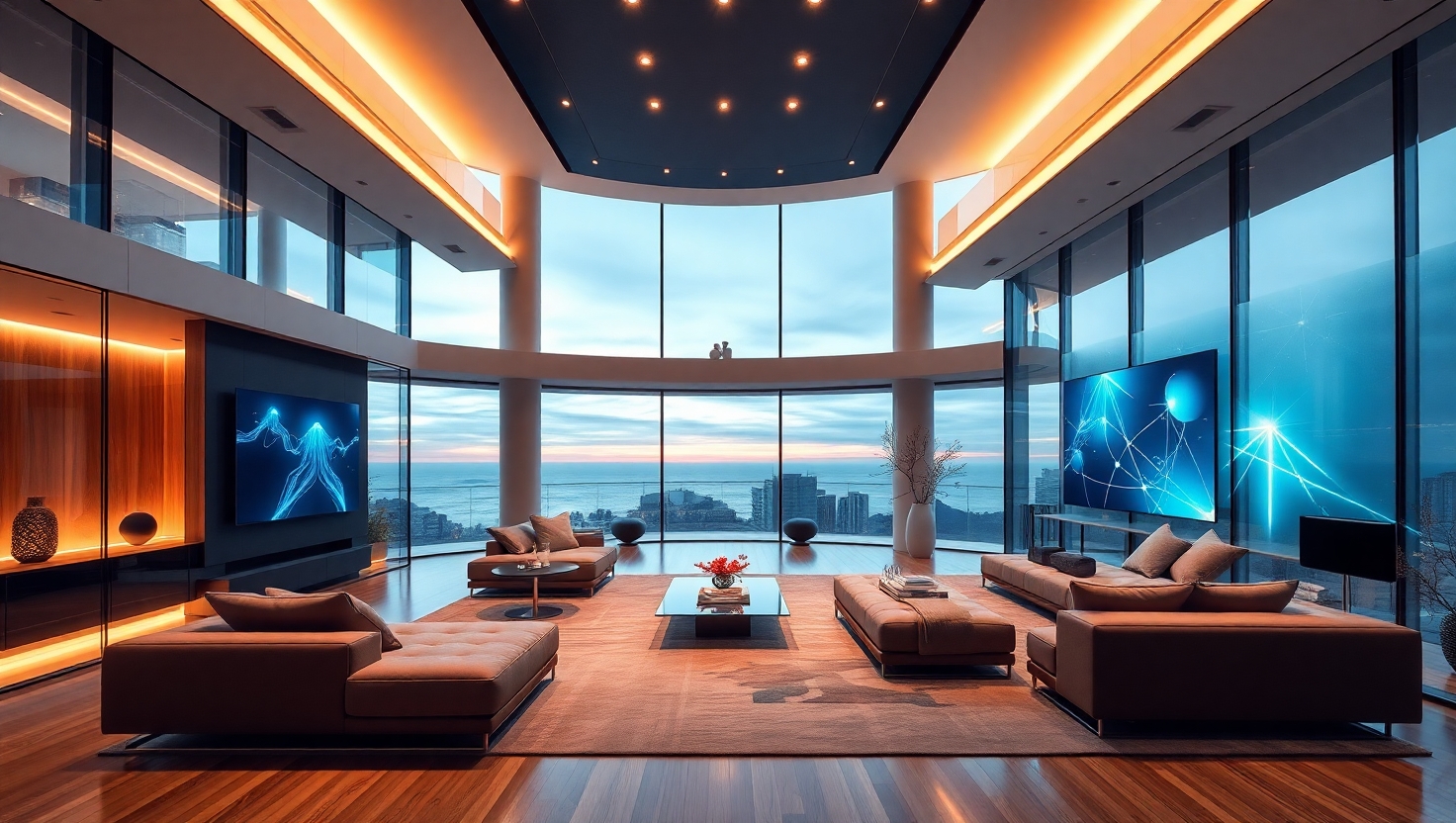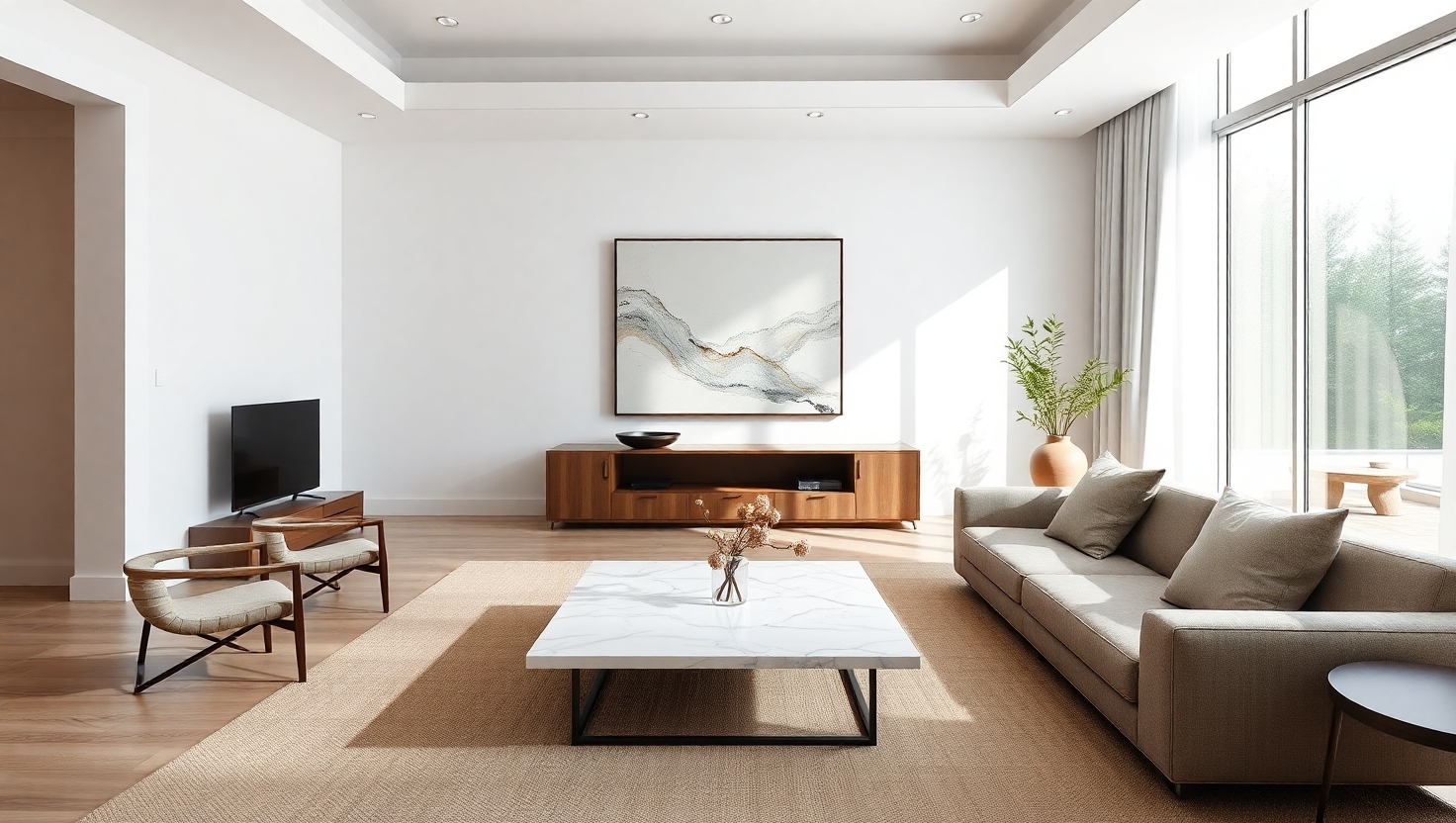
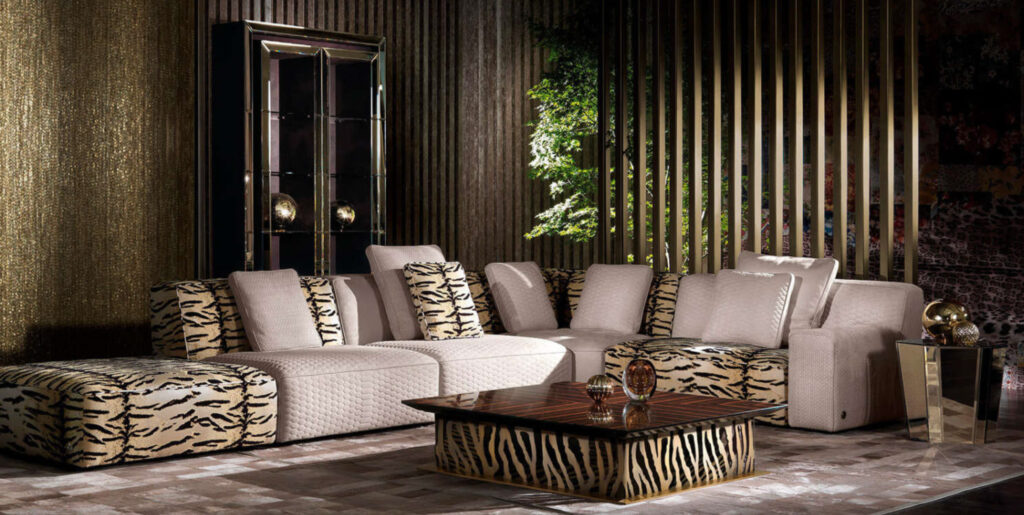
High-end furniture businesses operate in a market where customers rarely make purchasing decisions based on a single interaction.
A customer considering a premium sofa, designer dining table, bespoke bedroom collection or statement piece of furniture may spend weeks researching before making a decision. They may discover a brand through social media, see a product in an interior design publication, visit a showroom, compare alternatives online and repeatedly return to the website before eventually making contact or placing an order.
Search engines play an important role throughout that process.
When customers search for furniture, they are often looking for more than a specific product. They may be searching for design ideas, materials, brands, room solutions, dimensions, prices, suppliers or specialist expertise.
That creates a significant opportunity for furniture businesses with a strong SEO strategy.
Search engine optimisation can help a high-end furniture brand become visible when potential customers are actively researching what to buy. It can bring attention to individual products, collections, design expertise and physical showrooms. It can also support the wider customer journey by directing people towards useful content and detailed product pages.
However, effective SEO for premium furniture businesses is not about trying to attract as much traffic as possible.
A furniture company may have little commercial benefit from thousands of visitors searching for inexpensive products outside its market.
The objective is to attract relevant search demand and turn that visibility into product discovery, enquiries, showroom visits and sales.
Why Search Matters for High-End Furniture
Furniture is a considered purchase.
Even when a customer already knows which type of product they want, there are usually several questions to answer before they are ready to buy.
They may want to know:
- Which brands offer the right style?
- What materials are available?
- How much should they expect to spend?
- What size will work in their room?
- Is the furniture made to order?
- How long will delivery take?
- Can the product be customised?
- Where can it be viewed?
- Is the quality appropriate for the price?
- What do previous customers think?
- How does the product compare with alternatives?
Search engines provide a way for customers to investigate these questions.
This makes SEO particularly valuable for high-end furniture businesses because it can introduce the brand before the customer has necessarily decided which company to buy from.
A customer searching for “designer dining tables” may be at an earlier stage of the journey than someone searching for a specific product name.
Both searches can matter.
The first creates an opportunity to introduce the brand.
The second may represent much stronger purchase intent.
A good SEO strategy recognises the difference.
High-End Furniture Customers Often Search Before They Buy
The higher the perceived cost and commitment of a purchase, the more information customers may want before proceeding.
A premium sofa is not simply a visual purchase.
The customer needs to consider its dimensions, upholstery, comfort, configuration, delivery and how it will work within the room.
The same applies to dining tables, beds, wardrobes, outdoor furniture and bespoke pieces.
Search allows customers to conduct this research independently.
They can compare:
- products
- brands
- materials
- prices
- styles
- retailers
- designers
- reviews
- specifications
This means the furniture business that provides useful information has an opportunity to become part of the research process.
A company that only publishes product listings may miss customers who are still deciding what they need.
A company that provides useful guidance, project examples and detailed product information can engage them earlier.
SEO Should Reflect Different Types of Search Intent
One of the most important parts of furniture SEO is understanding what the searcher is trying to accomplish.
Consider the difference between these searches:
“Luxury furniture”
This is broad and may indicate general research.
“Designer sofas”
The customer is narrowing the category.
“Italian leather sofa”
The customer is investigating a particular material and style.
“Large modular sofa for open plan living room”
The customer has a specific functional requirement.
“[Brand] three seat sofa”
The customer may already know the product or brand.
These searches represent different stages of intent.
A strong SEO strategy should not attempt to force all of them towards the same page.
Broad searches may be best served by category or collection pages.
Specific searches may lead directly to product pages.
Research questions can be answered through buying guides and educational content.
Brand searches should lead customers to strong brand and product experiences.
The result is a website that matches content to the customer’s actual needs.
Category Pages Are Important SEO Assets
Furniture businesses sometimes concentrate heavily on individual products and overlook category pages.
That can limit their ability to capture broader commercial searches.
A well-developed category page can target a meaningful product group while helping customers navigate the catalogue.
For example:
- Luxury Sofas
- Designer Dining Tables
- Premium Armchairs
- Bespoke Bedroom Furniture
- Contemporary Outdoor Furniture
- Designer Lighting
- Solid Timber Furniture
The category page should do more than display a grid of products.
It can introduce the category, explain relevant choices and help customers understand the differences between products.
For example, a luxury sofa category could discuss:
- different sofa configurations
- upholstery options
- room sizes
- modular designs
- customisation
- materials
- delivery considerations
Products can then provide the detailed information needed to make a purchase.
This creates a logical relationship between broader search intent and individual products.
Product Pages Can Capture High-Value Search Demand
Individual product pages are often among the most commercially valuable pages on an e-commerce furniture website.
Someone searching for a specific product or model may already have substantial purchase intent.
That makes the quality of the product page critical.
A strong page should provide:
- clear product name
- detailed description
- high-quality images
- dimensions
- materials
- finishes
- available configurations
- price
- availability
- delivery information
- care instructions
- warranty information where applicable
- relevant reviews
- related products
The content should be specific.
A product description filled with phrases such as “timeless”, “luxurious” and “beautifully crafted” does not tell the customer enough.
Explain what makes the product distinctive.
If it uses solid timber, identify the timber.
If the upholstery is available in different grades, explain the options.
If the design can be customised, explain how.
Specific information creates greater confidence than generic promotional language.
Product Variants Create Both SEO Opportunities and Challenges
Furniture products frequently have multiple variations.
A sofa might be available in:
- different sizes
- colours
- fabrics
- leathers
- configurations
A dining table may have different:
- lengths
- widths
- timber finishes
- base designs
Google specifically provides ProductGroup and Product structured data guidance for products with variants, including furniture. This allows businesses to communicate relationships between related variants and properties such as size, colour and material.
This is useful because search engines need to understand whether several pages represent separate products or different versions of the same product.
Furniture businesses should therefore consider their site architecture carefully.
Variant URLs, canonicalisation, product information and structured data should work together rather than being handled independently.
Technical SEO becomes particularly important when a furniture catalogue contains hundreds or thousands of variations.
Product Structured Data Can Strengthen Search Visibility
Structured data gives search engines additional information about the content of a page.
For product pages, appropriate Product structured data can communicate information such as:
- product name
- image
- brand
- price
- availability
- reviews
- product identifiers
Google states that Product markup can make pages eligible for product-related search appearances, although structured data does not guarantee that enhanced results will be displayed.
For furniture businesses selling directly online, this can be particularly relevant.
Merchant listing experiences can surface information such as price, availability, shipping and return information when the relevant requirements are met.
The important point is that structured data should accurately represent information visible on the page.
It is not a substitute for good product content.
Search Visibility Is More Than Traditional Blue Links
Customers can encounter a furniture business through different search experiences.
A product may appear through product-related search features.
A business may appear in local results.
A category page may rank in organic search.
An image may introduce a product or project.
A customer may also search directly for the brand after encountering it elsewhere.
Google’s search documentation describes a range of search appearance features and explains how structured data can help Google understand page content and potentially make it eligible for richer search presentations.
For furniture businesses, this reinforces an important principle.
SEO should not be treated as a single ranking exercise.
It is about making the business, its products and its expertise easier to discover across the search journey.
High-Quality Images Matter in Furniture SEO
Furniture is inherently visual.
A customer searching for a sofa, dining table or designer chair often wants to see the product before reading extensive text.
This creates an opportunity for image search and visual discovery.
But image quality matters.
Furniture brands should invest in:
- high-resolution product photography
- lifestyle photography
- close-up material shots
- multiple viewing angles
- room settings
- scale references
- detail photography
Images should also be technically well implemented.
Useful descriptive filenames, appropriate alternative text and properly optimised image files can help create a better website experience and make the content easier to understand.
However, image optimisation should not become an exercise in stuffing keywords into filenames or alt text.
Descriptions should accurately describe the image.
For example, “large linen three-seat sofa in a neutral contemporary living room” is more useful than repeatedly inserting the same generic keyword phrase.
Use Project Content to Build Search Visibility
Furniture brands can create valuable SEO content from their own work.
A completed project can become more than a gallery image.
It can become a detailed case study.
For example, a project page might explain:
- the type of property
- the design brief
- the furniture selected
- the materials used
- the spatial challenges
- the final result
The page can then connect to relevant products or collections.
This creates a useful bridge between inspiration and commerce.
A customer may discover the project while searching for ideas, become interested in a particular furniture style and then move to the relevant product category.
Project content also demonstrates practical expertise.
Instead of simply telling customers that the company understands interior design, the business can show how its products work within real spaces.
Buying Guides Can Attract Customers Earlier
Not every prospective customer begins with a product name.
Some begin with a question.
Examples include:
- How do I choose the right sofa size?
- What is the best dining table shape for a large room?
- How do I choose between leather and fabric upholstery?
- How should furniture be arranged in an open-plan living room?
- What size dining table seats eight people comfortably?
- How do I mix different timber finishes?
- What should I consider when buying bespoke furniture?
These questions can become useful SEO content.
A buying guide can introduce the customer to the brand while helping them make a decision.
The content should then connect naturally to relevant products.
For example, a guide about sofa sizing could link to different sofa configurations.
A guide about dining tables could link to appropriate sizes and shapes.
A guide about upholstery could link to products available in different materials.
This creates a clear relationship between educational content and commercial pages.
Build Topical Authority Around Furniture
A high-end furniture business should aim to demonstrate depth in the subjects that matter to its customers.
That might include:
- furniture design
- materials
- craftsmanship
- interior styling
- room planning
- furniture care
- product selection
- customisation
- sustainability where relevant
- delivery and installation
- furniture trends
The objective is not to publish hundreds of generic blog posts.
It is to build a useful body of information around the company’s actual expertise.
For example, a business specialising in solid timber furniture can create deeper content around:
- timber species
- finishes
- maintenance
- construction
- sourcing
- room applications
- design styles
This creates stronger topical relevance than publishing unrelated lifestyle content simply because it contains search volume.
Internal Linking Connects the Website Together
A strong SEO strategy should make it easy for users and search engines to move through the site.
Internal links can connect:
Articles → Category pages
Category pages → Product pages
Project pages → Products
Products → Related collections
Buying guides → Relevant products
This creates a logical information architecture.
Google’s guidance on breadcrumb structured data also recognises breadcrumbs as a way of indicating a page’s position within the site hierarchy and helping users navigate upwards through that hierarchy.
For large furniture websites, clear hierarchy becomes increasingly important.
A customer should be able to understand where a product sits within the broader catalogue.
Search engines benefit from that clarity as well.
Local SEO Still Matters for Furniture Brands
Not every furniture business operates entirely online.
Many premium furniture brands have:
- showrooms
- design studios
- retail locations
- warehouses
- consultation spaces
For these businesses, local SEO can be commercially important.
Customers may search for:
- luxury furniture showroom
- designer furniture near me
- premium sofa showroom
- bespoke furniture showroom
- designer dining tables [location]
The Google Business Profile and local website content can help connect these searches with the physical business.
The website should make location information clear.
Relevant pages can explain:
- showroom location
- opening hours
- parking
- appointment arrangements
- products available to view
- design consultation services
- areas served
Local SEO should support the wider brand rather than becoming disconnected from the national or e-commerce strategy.
SEO Can Support Showroom Visits
The relationship between online and physical retail is particularly important for high-end furniture.
A customer may discover a sofa online but want to sit on it before purchasing.
They may want to see the actual colour of a fabric.
They may want to compare finishes.
They may need professional advice.
Search can therefore contribute to physical showroom traffic as well as online transactions.
The website should make that journey easy.
A product page might state whether the item is available to view.
A showroom page can explain what customers can expect.
A clear call to action can encourage visitors to book an appointment or contact the team.
This gives SEO a role beyond e-commerce revenue.
It can also support offline commercial activity.
SEO Can Help Reduce Dependence on Paid Advertising
Google Ads can provide immediate visibility for selected searches.
That can be valuable, particularly for new collections, commercially important products and competitive categories.
But paid advertising requires ongoing spend.
Organic search visibility can provide a different form of long-term asset.
A strong product page that earns organic visibility may continue attracting relevant visitors without paying for every individual click.
That does not mean SEO replaces paid search.
The two channels can complement each other.
Paid search can target valuable terms while SEO builds broader organic coverage.
Search data from paid campaigns can also provide insight into customer language and commercial intent.
SEO can then develop content and landing pages around those insights.
The right balance depends on the business, competition, margins, catalogue and customer acquisition economics.
SEO Should Focus on Qualified Traffic
More organic traffic is not automatically better.
Imagine a premium furniture company sells handmade dining tables starting at a substantial price.
A large volume of visitors searching for cheap dining tables may increase traffic while producing very few enquiries or sales.
A smaller audience searching for bespoke or designer dining tables could be considerably more valuable.
This is why SEO strategy should focus on search relevance, not simply search volume.
Important questions include:
- Does the search reflect the products we sell?
- Does the customer fit our price positioning?
- Can we serve the customer’s location?
- Is the search associated with meaningful purchase intent?
- Does the landing page answer the customer’s question?
- Does the traffic generate enquiries or sales?
A high-quality SEO strategy is selective.
It aims to attract the right people rather than everyone.
Measure SEO Against Commercial Outcomes
SEO reporting often becomes too focused on rankings.
Rankings are useful indicators, but they are not the final business outcome.
Furniture businesses should monitor a broader set of measures.
Visibility
- organic impressions
- rankings for important commercial terms
- product visibility
- category visibility
Traffic
- organic sessions
- product-page visits
- category-page visits
- landing-page traffic
Engagement
- product views
- collection engagement
- showroom page visits
- consultation requests
- time spent on important content
Leads
- enquiries
- quote requests
- showroom appointments
- calls
- sample requests
Sales
- e-commerce transactions
- revenue
- average order value
- assisted conversions
Commercial value
- qualified leads
- gross margin
- customer acquisition cost
- project value
- repeat purchases
The distinction between traffic and revenue is important.
A page that receives 10,000 visitors but generates little commercial value may be less useful than a page receiving 500 highly relevant visitors who regularly become customers.
SEO Content Should Reflect the Economics of Furniture
Not all products deserve equal SEO investment.
A business may have hundreds of products but only a smaller number of commercially important categories.
SEO priorities should consider factors such as:
- product margin
- average order value
- demand
- stock availability
- strategic importance
- competitive landscape
- conversion rate
- repeat purchase potential
For example, a furniture business might prioritise a collection of premium sofas because they represent a significant proportion of revenue.
It might then build supporting content around sofa selection, room planning, upholstery and configuration.
This creates an interconnected SEO ecosystem around an important commercial category.
That is generally more useful than producing isolated articles around whatever keywords happen to have high search volume.
Technical SEO Becomes More Important as the Catalogue Grows
A small furniture website with 30 products may be relatively straightforward.
A retailer with several thousand products, multiple variants, filters and categories has a much more complicated SEO environment.
Potential technical issues can include:
- duplicate URLs
- filter combinations
- indexation problems
- canonicalisation
- broken links
- discontinued products
- duplicate product descriptions
- pagination
- slow pages
- JavaScript-dependent content
- inconsistent product data
These issues can affect how efficiently search engines discover and understand the website.
Product structured data also needs to remain accurate.
Google notes that dynamically generated Product markup can create crawling challenges for rapidly changing information such as availability and price, and recommends appropriate implementation for shopping-focused sites.
This is one reason SEO for a substantial furniture e-commerce operation should be treated as an ongoing technical discipline rather than a one-off website task.
Don’t Duplicate Manufacturer Descriptions
Furniture retailers often sell products supplied by manufacturers.
This creates a temptation to copy the manufacturer’s product description directly onto the retailer’s website.
That may provide technically accurate information, but it does little to differentiate the retailer.
A stronger approach is to add original value.
The retailer can explain:
- why it selected the product
- how it fits the collection
- how customers use it
- complementary products
- styling ideas
- showroom availability
- delivery arrangements
- relevant expertise
The manufacturer’s specifications can still be included where necessary.
But the page should provide a reason for customers to engage with the retailer rather than treating the website as another copy of the manufacturer’s catalogue.
Reviews Can Strengthen Commercial Pages
Genuine reviews can provide useful evidence when customers are comparing expensive furniture.
They can address issues such as:
- product quality
- comfort
- delivery
- packaging
- customer service
- appearance
- durability
- installation
Where reviews are displayed, they should be genuine and accurately represented.
The strongest review content provides specific information rather than generic praise.
A customer explaining how a sofa performed in their home can be more useful than a short statement saying the product was “excellent”.
Reviews can also complement professional photography.
Brand photography shows what the company wants customers to see.
Customer feedback provides another perspective.
SEO Should Support the Brand, Not Flatten It
One concern among luxury brands is that SEO can encourage generic language.
That can happen when businesses focus too heavily on keyword repetition.
A premium furniture brand should not sacrifice its voice simply to insert search terms.
The solution is to distinguish between search clarity and brand language.
The website can use descriptive terms that customers understand while maintaining a distinctive tone.
For example, a brand can describe a product accurately as a “solid oak dining table” while still explaining the design philosophy behind it.
Search engines need clarity.
Customers need clarity.
The brand can provide the personality around that information.
SEO should make the business easier to discover without making it sound like every other furniture retailer.
Common SEO Mistakes High-End Furniture Businesses Should Avoid
Chasing high-volume keywords without considering customer fit
Traffic from irrelevant audiences does not necessarily create commercial value.
Optimising only product pages
Category pages, project pages, guides and local pages can all contribute to search visibility.
Using generic product descriptions
Customers need specific information, not repeated luxury adjectives.
Ignoring technical SEO
Large catalogues can create complex crawling and indexing issues.
Treating SEO as a one-time project
Products, prices, search behaviour and competitors change.
Creating hundreds of thin location pages
Local content should provide genuine value rather than simply changing the suburb name.
Copying supplier descriptions
Retailers need original value and differentiation.
Ignoring product variants
Furniture often has multiple sizes, colours and materials that need to be represented clearly.
Measuring rankings without sales
Ranking improvements matter when they contribute to useful traffic and commercial outcomes.
A Practical SEO Framework for High-End Furniture Businesses
A furniture business can structure its SEO strategy around several connected layers.
1. Establish the commercial priorities
Identify the products, collections and services that matter most to the business.
2. Map search intent
Identify the searches customers use at discovery, research and purchase stages.
3. Strengthen category pages
Build useful pages around commercially important furniture categories and collections.
4. Improve product pages
Provide detailed, original information that answers real purchasing questions.
5. Build supporting content
Create buying guides, design advice, project stories and material resources.
6. Strengthen internal linking
Connect educational content with categories, products and related collections.
7. Improve technical foundations
Address crawling, indexation, site speed, structured data, product variants and site architecture.
8. Develop local visibility
For businesses with showrooms or physical locations, strengthen local search and location-specific content.
9. Build authority
Earn relevant mentions, editorial coverage, partnerships and links where appropriate.
10. Measure commercial outcomes
Track the journey from organic visibility through to qualified enquiries, showroom visits, purchases and revenue.
This creates a more sustainable SEO programme than simply publishing articles and checking rankings each month.
Final Thoughts
SEO is essential for high-end furniture businesses because search is closely connected to how customers research considered purchases.
A prospective customer may begin with a broad design idea, investigate materials, compare furniture brands, explore specific products and eventually decide where to buy. Search can influence every one of those stages.
The opportunity is therefore much larger than ranking for a handful of product keywords.
A strong SEO strategy can make a furniture brand discoverable through category searches, product searches, design questions, local searches and project-led content. It can bring customers to detailed product pages, introduce them to the brand’s expertise and support both online purchases and physical showroom visits.
But SEO should remain commercially grounded.
The goal is not to attract the greatest possible amount of traffic. It is to attract people whose needs, expectations, location and budget align with what the business actually offers.
That requires more than keyword optimisation.
It requires a well-structured website, useful category pages, strong product information, high-quality imagery, relevant content, sound technical foundations, accurate product data and a clear understanding of customer intent.
For high-end furniture brands, SEO is ultimately an investment in discoverability and long-term customer acquisition.
When it is connected properly with website development, Google Ads, Local SEO, social media, content and conversion strategy, search becomes part of a broader commercial system rather than a standalone marketing activity.
And for a business selling considered, high-value furniture, being visible when the right customer is actively looking can be considerably more valuable than simply being visible to a much larger audience.
If your business operates in the home and lifestyle sector and you would like to improve the quality of your organic search visibility and the commercial performance of your website, Home & Lifestyle Marketing Co can help assess where the strongest opportunities may lie.
To learn more, please visit www.hlmco.com.au