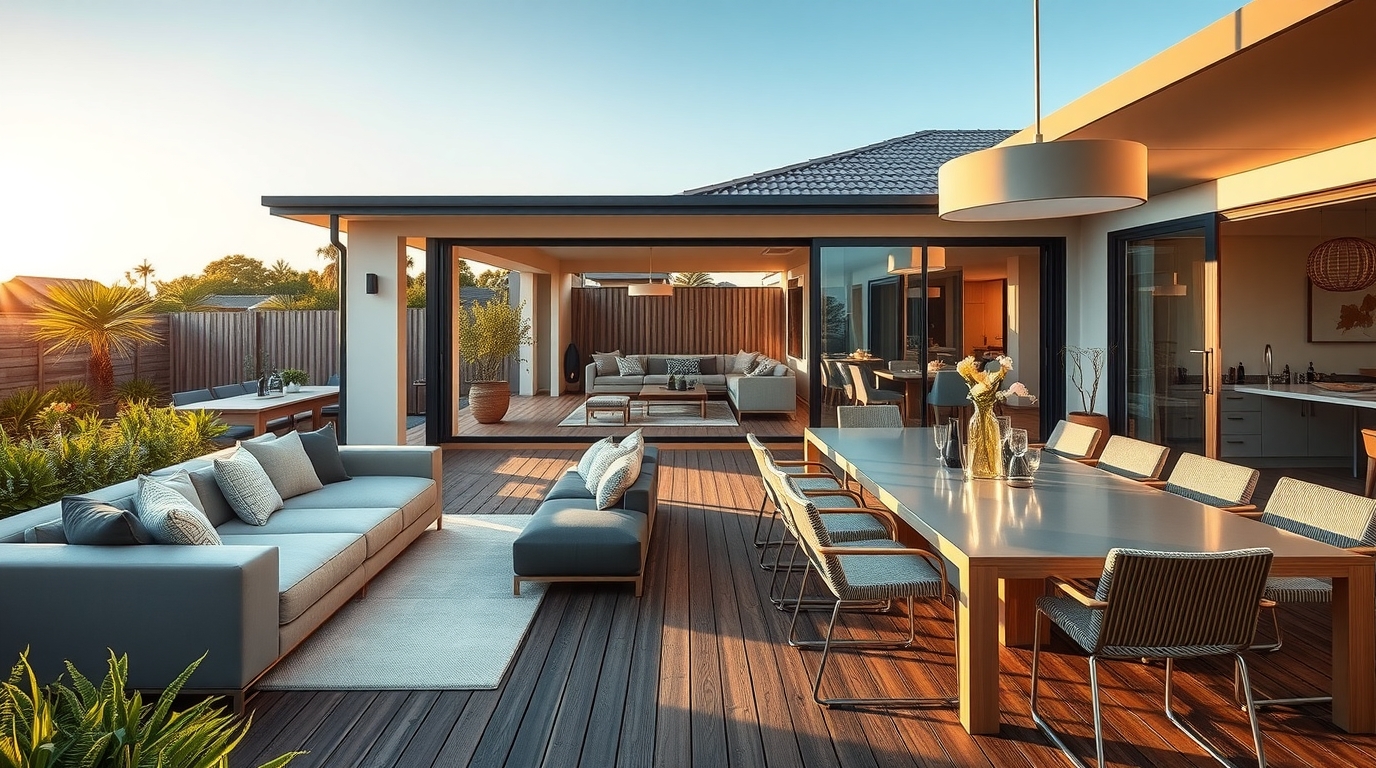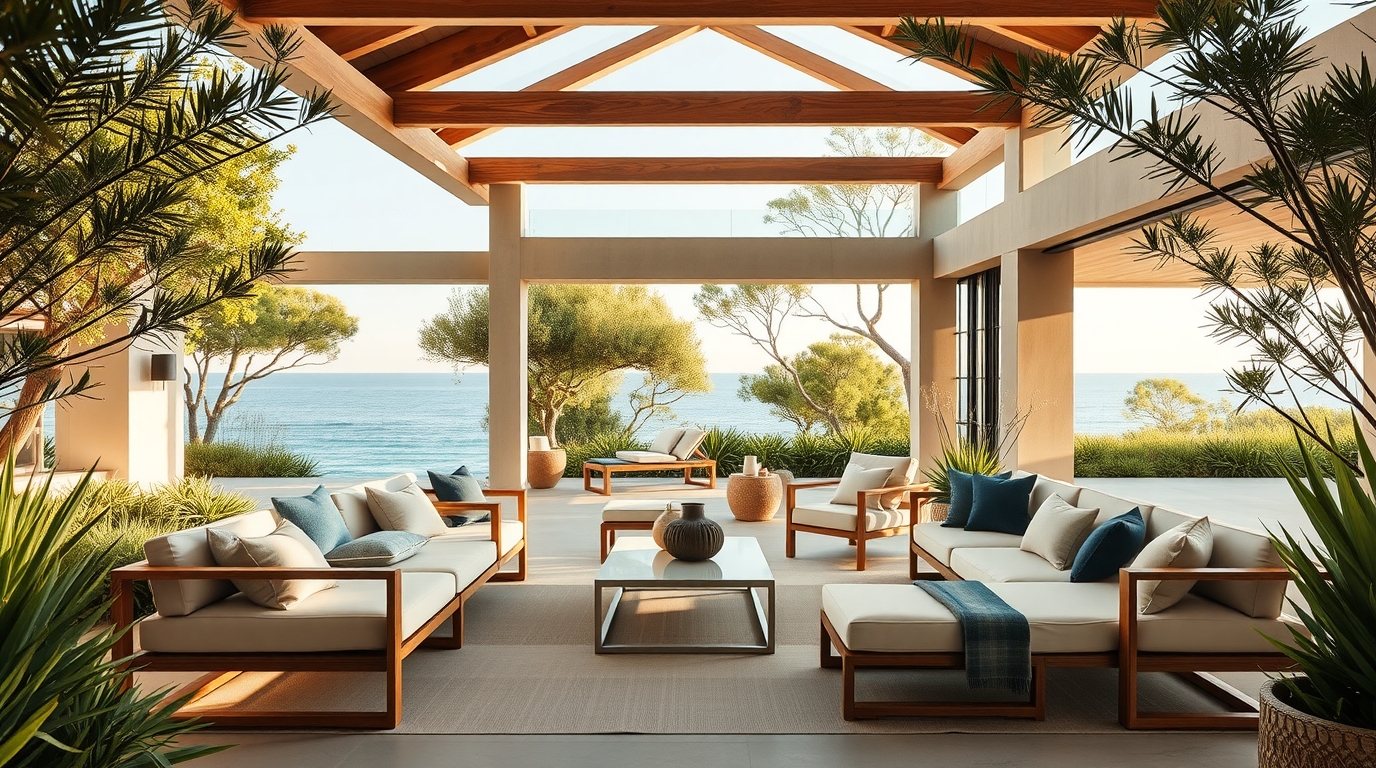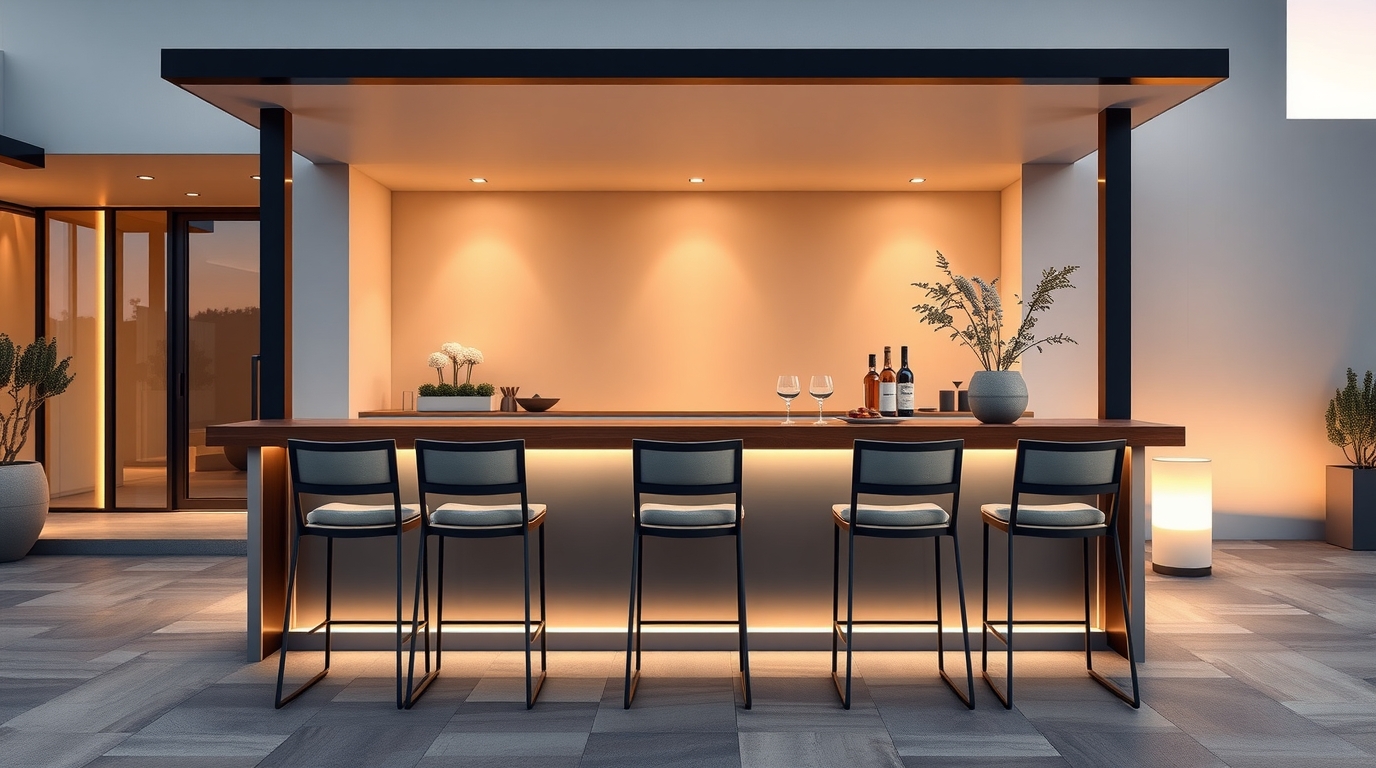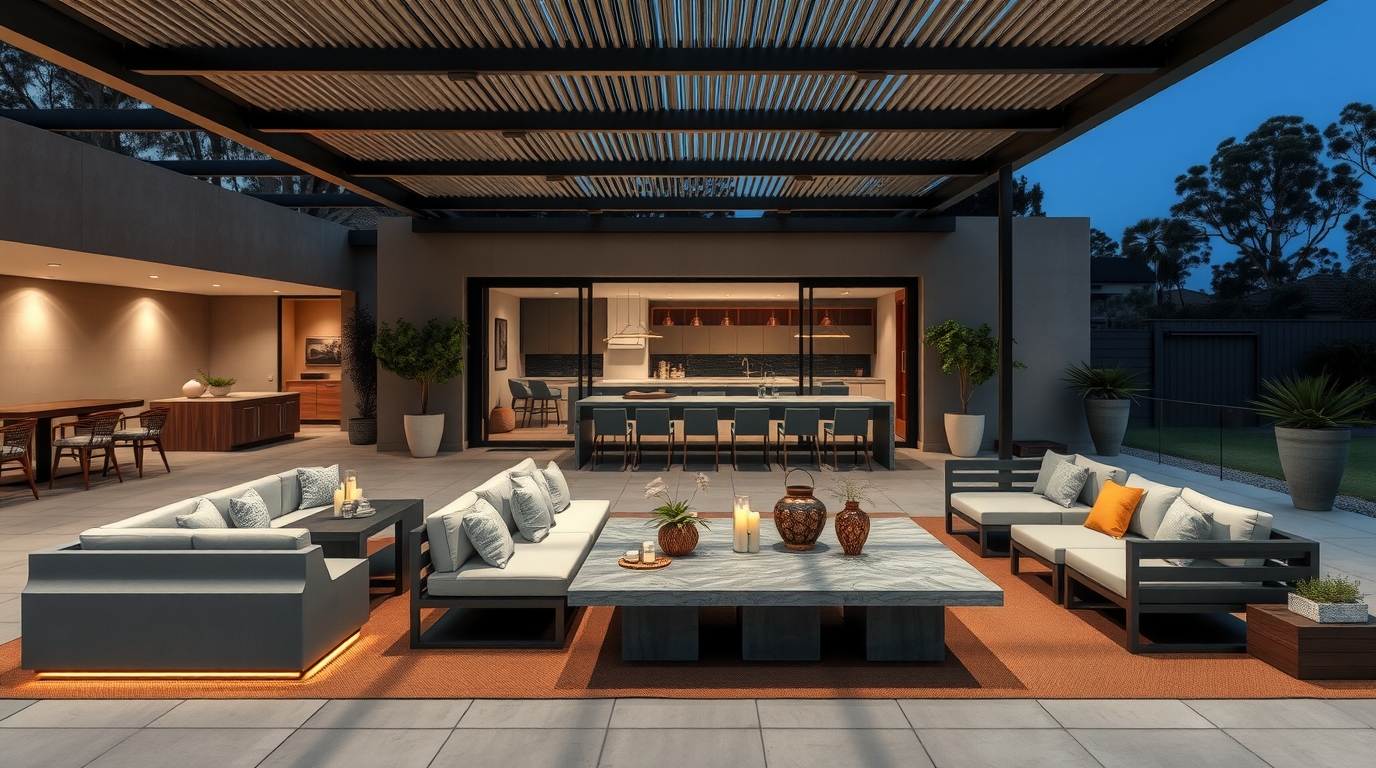

Outdoor entertainment areas can represent a significant investment in a home. Customers may be considering an outdoor kitchen, covered entertaining space, patio, deck, pergola, built-in seating, fire feature, lighting, heating or a complete outdoor living area. Before they contact a business, however, many will spend considerable time researching what is possible, comparing ideas and working out what suits their property.
That research creates an important opportunity for outdoor living businesses.
A company does not necessarily need to wait until someone searches directly for a contractor or supplier. A well-planned SEO strategy can help the business appear while potential customers are still developing their ideas and deciding what they need.
The objective is not simply to attract more website traffic. It is to become visible for relevant searches, provide useful information at different stages of the planning process and give prospective customers enough confidence to take the next step.
Google’s current guidance continues to emphasise helpful, reliable, people-first content rather than pages created primarily to manipulate search rankings. It also recommends clear site organisation, descriptive titles, useful content and relevant links between pages.
For outdoor entertainment businesses, this means SEO should be closely connected to the actual questions customers ask when planning a new outdoor space.
Understand How Customers Search Before They Buy
Someone planning an outdoor entertainment area may not begin with a search for a specific company.
Their first searches might be more exploratory:
- outdoor entertaining area ideas
- outdoor kitchen ideas
- covered outdoor entertaining ideas
- backyard entertainment area ideas
- outdoor living area design
- patio ideas for entertaining
- pergola ideas for outdoor dining
- outdoor kitchen with seating
- best materials for an outdoor entertaining area
At this stage, the customer may still be trying to understand what is possible.
Later, their searches can become more specific:
- outdoor kitchen cost
- covered entertaining area cost
- outdoor kitchen builders
- pergola installers near me
- outdoor living contractors
- outdoor entertaining area design
- outdoor kitchen installation
Eventually, the search can become strongly commercial and local.
The important point is that these searches represent different stages of the same buying journey.
A business that only targets highly transactional keywords may miss customers during the earlier research stages. Conversely, a website that attracts large volumes of inspirational traffic without explaining services, location, project scope and next steps may generate attention without generating suitable enquiries.
Effective SEO connects the two.
Build Content Around the Outdoor Entertainment Planning Journey
The most useful starting point is not a list of keywords. It is the customer journey.
Think about what a homeowner needs to know before committing to an outdoor entertainment project.
They may need to understand:
- What type of outdoor space would suit their property?
- How much space is required?
- What features could be included?
- Which materials are suitable?
- What does the project involve?
- What factors influence the cost?
- How should the area connect with the house?
- What should be considered for weather and ongoing maintenance?
- Who should design or build the project?
- What information should they provide when requesting a quote?
Each question can potentially become part of the site’s SEO strategy.
This creates a more useful website than one built around repetitive pages targeting slight variations of the same keyword.
Google specifically advises creating content primarily for people, with sufficient depth, originality, expertise and practical value. It also warns against producing large amounts of content simply in the hope that some pages will attract search traffic.
For an outdoor living business, that distinction matters.
The aim should be to become genuinely useful to someone planning an outdoor project.
Create Strong Core Service Pages
Informational content can attract people early in the research process, but core service pages remain important for commercial searches.
An outdoor living business might have dedicated pages for services such as:
- Outdoor entertaining areas
- Outdoor kitchens
- Pergolas
- Patios
- Decking
- Covered outdoor areas
- Poolside entertaining areas
- Outdoor heating
- Custom outdoor living
- Landscape construction
- Built-in outdoor features
The exact structure should reflect what the business actually provides.
Each service page should explain what the business does rather than simply repeating a keyword.
For an outdoor entertainment area page, for example, useful information could include:
- Types of spaces available
- Design considerations
- Materials
- Typical features
- Integration with the existing home
- Project process
- Site considerations
- Maintenance considerations
- Relevant project examples
- Service locations
- How to request a consultation or quote
This gives both the customer and search engines a clearer understanding of the page.
Google’s SEO guidance recommends descriptive titles and clear content because these help users and search engines understand what a page is about.
A page titled simply “Outdoor Living” may provide less useful context than a specific, descriptive title such as “Custom Outdoor Entertainment Areas for Homes in [Location]”.
The exact wording should reflect the actual service rather than forcing keywords into the title.
Target the Questions Customers Ask During Planning
One of the strongest SEO opportunities for outdoor entertainment businesses is answering practical planning questions.
Customers may search:
How much space do I need for an outdoor kitchen?
The answer could discuss cooking space, preparation areas, circulation, seating and the relationship between the kitchen and the rest of the entertaining area.
What should an outdoor entertaining area include?
A useful article could explain different combinations of seating, dining, cooking, shade, lighting, heating and storage.
Should an outdoor entertainment area be covered?
The answer can explore weather protection, seasonal use, orientation and the intended function of the space.
How do I design an outdoor area for entertaining guests?
This creates an opportunity to discuss movement, seating, cooking, dining, lighting, privacy and connection with indoor living areas.
What materials are suitable for outdoor entertaining areas?
This could explain how different materials perform in relation to appearance, durability, maintenance and the property’s environment.
These articles are valuable because they correspond to genuine decisions customers have to make.
They also create opportunities to link readers naturally to the company’s relevant service pages.
Use Project Content to Demonstrate Practical Experience
Outdoor living is highly visual, but photographs alone are not enough.
A gallery showing attractive finished projects can demonstrate capability, but accompanying text can make those projects much more useful from both a customer and SEO perspective.
A project page might explain:
- The type of property
- The customer’s objectives
- The challenges of the site
- The design considerations
- Materials selected
- Features included
- How the space connects with the home
- Any unusual requirements
- The completed result
This turns a collection of photographs into evidence of experience.
For example, instead of presenting an image with the caption “Outdoor Kitchen Project”, a business could explain how the outdoor kitchen was positioned in relation to the dining area, how storage was incorporated and how the overall space was designed around entertaining.
That information helps prospective customers understand what the business can actually do.
It also provides more meaningful context for search engines than a page containing images with almost no supporting text. Google’s developer guidance specifically recommends expressing important visual content in text and placing images near relevant text so their context is clearer.
Make Outdoor Project Images Work Harder
Outdoor entertainment projects are naturally suited to image search and visual discovery.
High-quality photography should therefore be part of the SEO strategy.
Useful images can show:
- Completed outdoor areas
- Outdoor kitchens
- Covered entertaining spaces
- Dining areas
- Seating arrangements
- Pergolas
- Decks and patios
- Lighting
- Materials
- Landscaping integration
- Before-and-after transformations
- Construction details
Images should also be properly connected to the surrounding content.
Descriptive file names and useful alt text can provide additional context. Google recommends descriptive alt text and relevant surrounding text to help users and search engines understand images.
The objective should not be to insert keywords into every image description.
Instead, describe what the image actually shows.
For example, an image of a completed outdoor kitchen could have alt text describing the outdoor kitchen, covered dining area and residential setting shown in the photograph.
Develop Location-Relevant SEO
Outdoor entertainment projects are generally location-dependent.
A homeowner is not usually looking for an outdoor living business on the other side of the country. They want a provider capable of visiting the property, understanding local conditions and delivering the project in their area.
This makes local SEO particularly important.
A business should make it clear:
- Where it is based
- Which areas it services
- What services it provides
- What type of outdoor projects it undertakes
- How customers can contact it
Google states that local results are primarily influenced by relevance, distance and prominence. Complete and accurate Business Profile information helps Google understand the business and match it with relevant local searches.
This means the website and Google Business Profile should reinforce one another.
If the business specialises in outdoor kitchens and entertaining areas, those services should be clearly represented. If it services specific towns or regions, those locations should be communicated accurately.
The objective is not to create dozens of thin pages simply to target every suburb.
Location pages should only be created where they can provide genuine value, such as information about the service area, relevant projects, local considerations and the services actually available there.
Optimise for Commercial Searches
Not every valuable search is informational.
At some point, the customer begins looking for someone who can deliver the project.
Searches might include:
- outdoor kitchen builder
- outdoor living contractor
- outdoor entertainment area builder
- custom outdoor kitchen
- pergola builder
- outdoor renovation company
- outdoor living specialist
- outdoor entertaining area contractor
These searches should lead to pages designed for commercial intent.
A customer who is ready to investigate a supplier should not have to work through several blog articles to discover what the business actually offers.
The service page should make the next step obvious.
That might be:
- Request a quote
- Book a consultation
- Discuss your project
- Contact the team
- View recent projects
- Arrange a site visit
The call to action should match the nature of the purchase.
A substantial outdoor project often requires a conversation rather than an immediate online transaction.
Explain the Factors That Influence Project Cost
Price-related searches are often highly valuable because they indicate that someone is moving beyond inspiration and beginning to assess feasibility.
However, outdoor entertainment projects can vary significantly.
The final cost may depend on factors such as:
- Project size
- Structural requirements
- Materials
- Site access
- Ground conditions
- Roofing or cover
- Electrical work
- Plumbing
- Appliances
- Built-in cabinetry
- Landscaping
- Lighting
- Drainage
- Custom design requirements
A business does not necessarily need to publish a fixed price if doing so would be misleading.
Instead, it can create useful content explaining what influences the investment.
An article such as “What Affects the Cost of an Outdoor Entertainment Area?” can attract people researching budgets while setting realistic expectations.
This can also improve the quality of future enquiries.
Someone who understands the factors involved is better positioned to have a productive conversation with the business.
Create Content for Different Types of Outdoor Entertainment
“Outdoor entertainment area” can describe many different projects.
One homeowner might want a compact entertaining space connected to a small backyard.
Another might be planning a large outdoor kitchen with dining and lounge zones.
Others may be interested in:
- Poolside entertaining
- Family outdoor areas
- Covered dining spaces
- Outdoor kitchens
- Firepit areas
- BBQ areas
- Rooftop entertaining
- Garden entertaining
- Multi-level outdoor spaces
This creates opportunities to build topical depth without publishing meaningless keyword variations.
A business that genuinely provides these services can create useful pages or articles around the different project types.
The key is differentiation.
Each page should answer something genuinely different for the customer.
Connect Informational Content to Commercial Pages
A blog should not operate separately from the rest of the website.
Suppose a customer reads an article about planning an outdoor kitchen.
The article could naturally link to:
- Outdoor kitchen services
- Recent outdoor kitchen projects
- Outdoor entertaining areas
- Contact or consultation page
Another article about covered entertaining areas could link to:
- Pergola services
- Covered outdoor living
- Relevant project examples
- Quote or consultation page
Google’s SEO guidance recommends relevant internal links and descriptive anchor text because links help users and search engines understand relationships between pages.
This creates a logical pathway:
Research → Education → Service → Evidence → Enquiry
That is much more commercially useful than generating traffic to isolated blog posts.
Build Topic Clusters Around Outdoor Living
A single article rarely needs to answer every possible question about outdoor entertaining.
Instead, businesses can develop a connected group of resources.
For example:
Core service:
Outdoor Entertainment Areas
Supporting topics:
- Outdoor entertainment area design ideas
- How to plan an outdoor kitchen
- Covered versus open outdoor entertaining
- Choosing materials for outdoor living
- Outdoor entertainment lighting
- Outdoor kitchen storage ideas
- How much space is needed for an outdoor kitchen
- Outdoor entertaining area cost factors
- Outdoor living maintenance
- Designing outdoor spaces for large gatherings
Each article should have its own purpose.
The core service page focuses on the company’s offering.
Supporting articles answer planning questions.
Project pages demonstrate practical experience.
Location pages establish geographic relevance.
Together, these pages create a stronger subject structure than a website with one generic outdoor living page and dozens of unrelated blog posts.
Make the Website Reflect the Customer’s Decision Process
SEO cannot compensate for a weak website experience.
A customer may discover a business through Google and immediately assess whether the company appears capable of handling the project.
The website should therefore provide evidence.
Useful trust signals can include:
- Genuine project photography
- Detailed case studies
- Customer reviews
- Clear service descriptions
- Business history
- Team information
- Relevant qualifications
- Product or material information
- Project process
- Service locations
- Clear contact information
- Frequently asked questions
- Warranty information where applicable
The more substantial the project, the more important this becomes.
A homeowner considering an outdoor entertainment area may not simply ask, “Can this business build it?”
They may also be asking:
“Have they done projects like mine?”
“Do they understand design?”
“Will they help me make sensible decisions?”
“Can I trust the quality?”
“How does the process work?”
“Can they work with my property?”
SEO can bring the visitor to the website. The website then needs to provide the evidence that supports the enquiry.
Use Search Data to Improve the Strategy
SEO should not be treated as a set-and-forget activity.
Search Console can provide useful information about how pages are appearing in Google Search, including queries, impressions, clicks and other performance data. Google describes Search Console as a tool for understanding and monitoring website performance in Search.
For an outdoor living business, this can reveal useful patterns.
A page intended to target “outdoor kitchen design” may begin appearing for searches related to:
- outdoor kitchen layouts
- outdoor kitchen ideas
- outdoor BBQ areas
- outdoor kitchen storage
- outdoor kitchen planning
Those searches can reveal what customers actually want to know.
Similarly, a service page may attract impressions for searches that indicate stronger commercial intent.
The business can then consider whether the page sufficiently answers those searches or whether another dedicated resource would provide a better experience.
The aim is not to chase every keyword.
It is to understand demand and improve the website’s ability to satisfy it.
Avoid Creating SEO Content That Looks Manufactured
Outdoor living businesses can easily fall into repetitive content.
For example, creating separate articles titled:
- Outdoor Entertainment Areas in [Location A]
- Outdoor Entertainment Areas in [Location B]
- Outdoor Entertainment Areas in [Location C]
- Outdoor Entertainment Areas in [Location D]
without adding meaningful local information creates little value.
Likewise, publishing dozens of articles that repeat the same general advice about outdoor kitchens is unlikely to build meaningful authority.
Google’s current guidance specifically warns against mass-produced content created primarily to attract search traffic.
A stronger strategy is to publish fewer, more useful resources.
Use genuine project experience.
Answer real customer questions.
Explain actual materials and processes.
Show original photography.
Include practical details that demonstrate knowledge.
That is particularly important in a visually driven industry where competitors can easily produce generic articles about “outdoor living ideas”.
Combine SEO With Other Digital Channels
SEO should not operate in isolation.
An outdoor entertainment business can use several channels to reinforce the same customer journey.
Google Ads
Paid search can provide immediate visibility for high-intent searches while organic SEO develops over time.
Social media
Completed projects, construction progress, design details and customer stories can create visual interest and direct people towards the website.
Video
Short videos can demonstrate projects, explain design decisions, show construction stages or answer common questions.
Reviews
Genuine customer reviews can reinforce trust when potential customers compare providers.
For businesses with an established audience, useful project ideas and planning content can keep the brand visible while customers consider their options.
The important point is consistency.
The website should be the central source of detailed information, while other channels can help customers discover and revisit that information.
Measure SEO by Commercial Value
Traffic is useful, but it is not the final objective.
An outdoor entertainment business should ideally monitor what happens after organic visitors arrive.
Useful measures can include:
- Organic enquiries
- Phone calls
- Quote requests
- Consultation bookings
- Enquiry quality
- Service requested
- Location of the lead
- Quote rate
- Sales generated
- Average project value
- Revenue from organic leads
This produces a more useful picture than reporting only on rankings or pageviews.
For example, a page attracting 2,000 visits may be commercially less valuable than a service page attracting 150 visits and generating several genuine project enquiries.
SEO should therefore be connected to the business’s sales process wherever practical.
The question is not simply:
“How much traffic did SEO generate?”
It is:
“Did SEO help us become visible to people who are actually planning projects we want to win?”
A Practical SEO Framework for Outdoor Entertainment Businesses
A focused strategy can be built around the following steps.
1. Define the ideal project
Identify the types of outdoor entertainment projects the business most wants to attract.
2. Map the customer journey
Identify what customers search for when discovering ideas, comparing options, considering costs and choosing providers.
3. Strengthen core service pages
Create detailed pages for the services the business genuinely provides.
4. Build useful planning content
Answer practical questions about design, materials, features, costs, maintenance and project planning.
5. Publish genuine project evidence
Use original photography, project descriptions and case studies to demonstrate experience.
6. Strengthen local relevance
Keep the Google Business Profile accurate and ensure the website clearly communicates service areas and local relevance. Google identifies relevance, distance and prominence as the main factors in local results.
7. Improve internal linking
Connect informational articles with relevant service pages and project examples.
8. Improve technical foundations
Make sure important pages can be crawled and indexed, work well across devices and have clear titles, descriptions and site structure.
9. Monitor Search Console
Look for the queries generating impressions and clicks, then use those insights to improve existing content and identify genuine content opportunities.
10. Measure enquiries, not just traffic
Connect SEO performance with leads, qualified enquiries, quotes and sales where possible.
The Real SEO Opportunity Is Earlier in the Buying Journey
Outdoor entertainment customers rarely make major decisions without research.
They may spend weeks or months collecting ideas, looking at completed projects, considering layouts, comparing materials and working out what they can afford.
That makes SEO particularly valuable.
A business can enter the customer’s consideration set long before the customer is ready to request a quote.
The strongest strategy is therefore not simply to rank for “outdoor entertainment areas” or another single keyword.
It is to build a useful online resource around the entire planning journey.
Service pages capture commercial intent.
Planning guides answer questions.
Project pages demonstrate experience.
Images communicate quality.
Local SEO connects the business with relevant geographic demand.
Internal links guide visitors between related information.
A well-designed website turns that visibility into enquiries.
And measurement helps the business understand which parts of the strategy are actually contributing to commercial outcomes.
Google’s current search guidance supports this broader approach. SEO can help search engines understand content and help users discover a site, but Google continues to emphasise useful, original, reliable, people-first information rather than content produced primarily for rankings.
For outdoor living businesses, that is a practical distinction.
The goal is not to produce more content simply because there are more keywords to target.
The goal is to create the information a homeowner genuinely needs when planning an outdoor space, then make it easy for that homeowner to move from research to a serious conversation.
For businesses operating in the home and lifestyle sector, this is where SEO becomes more than a traffic-generation exercise. It becomes part of the process of being discovered, evaluated and considered when a customer is planning a significant outdoor project.
If your business operates in the outdoor living sector and you would like to improve the quality of your digital marketing, Home & Lifestyle Marketing Co can help assess where SEO, website development, Local SEO, Google Ads and other digital channels may provide the strongest opportunities.
To learn more, please visit www.hlmco.com.au