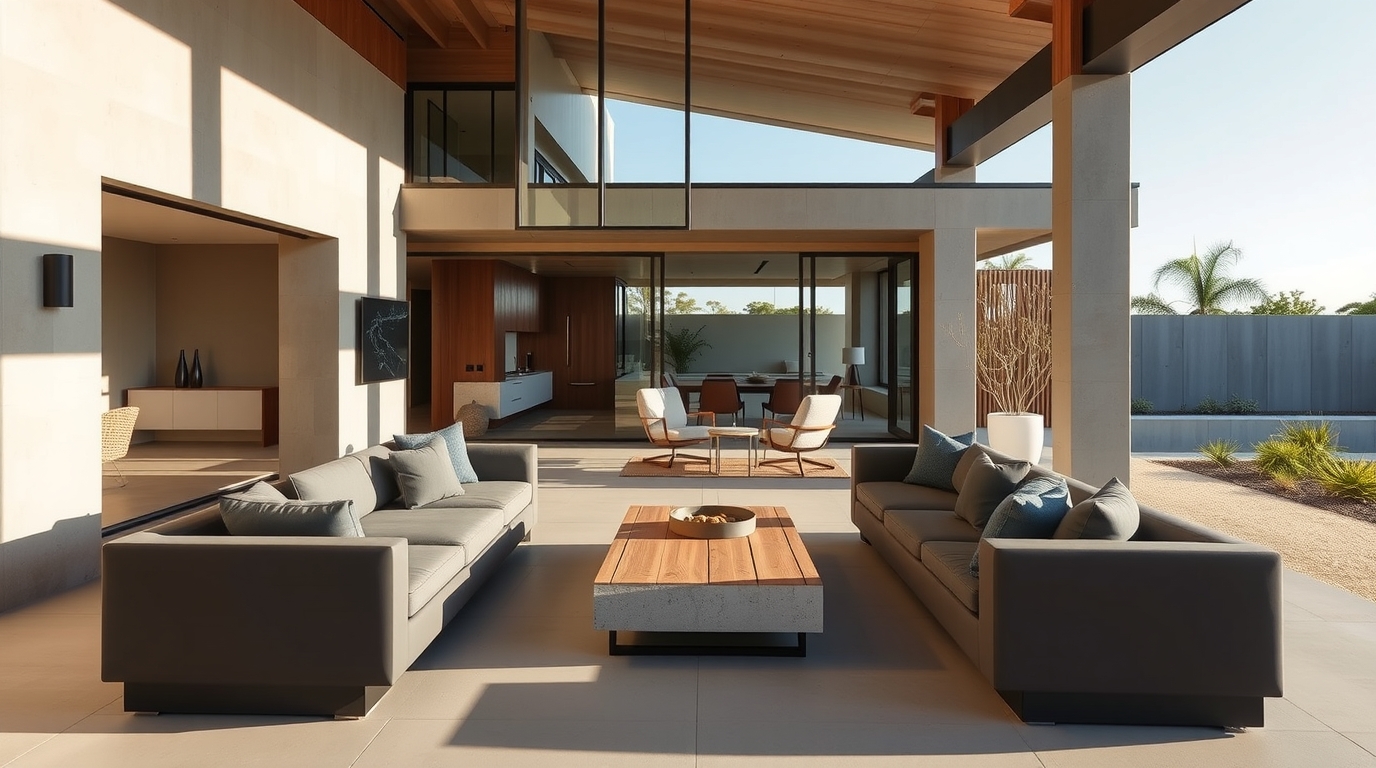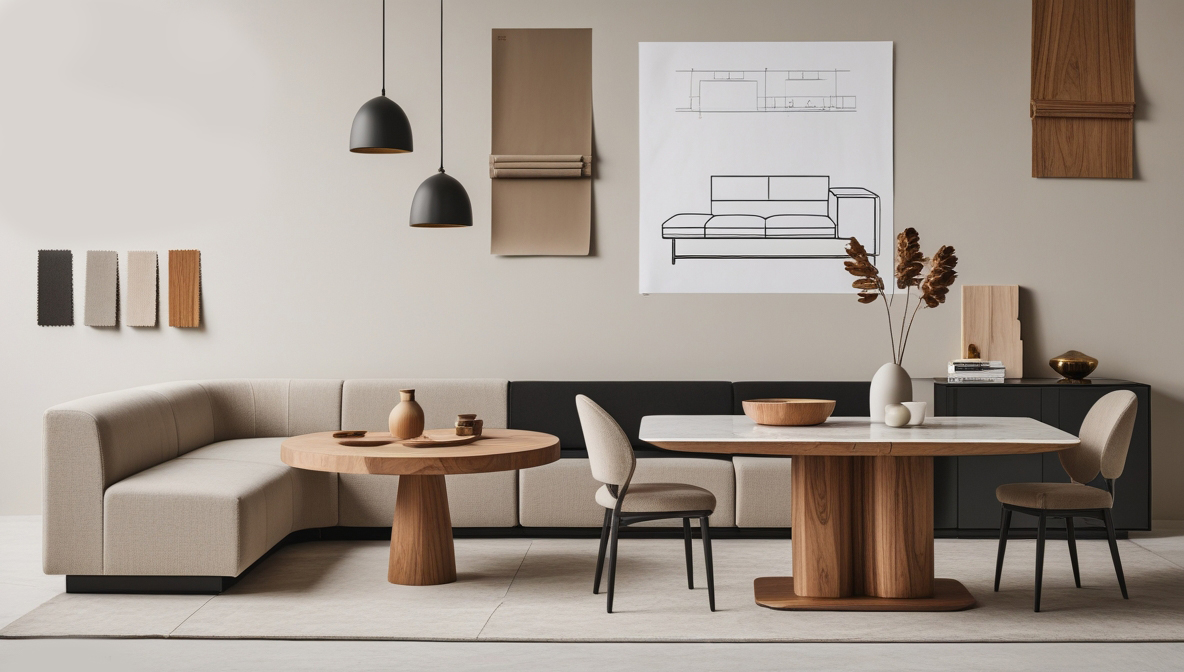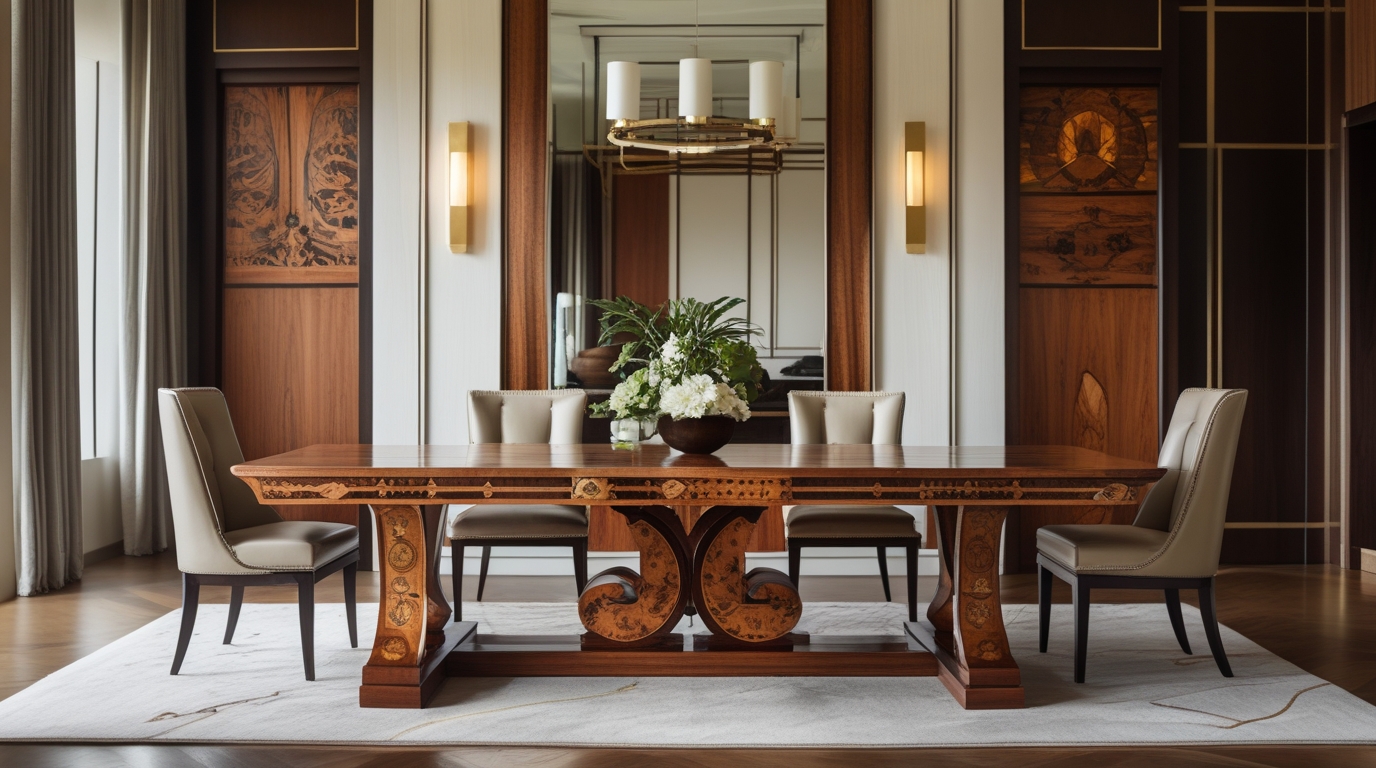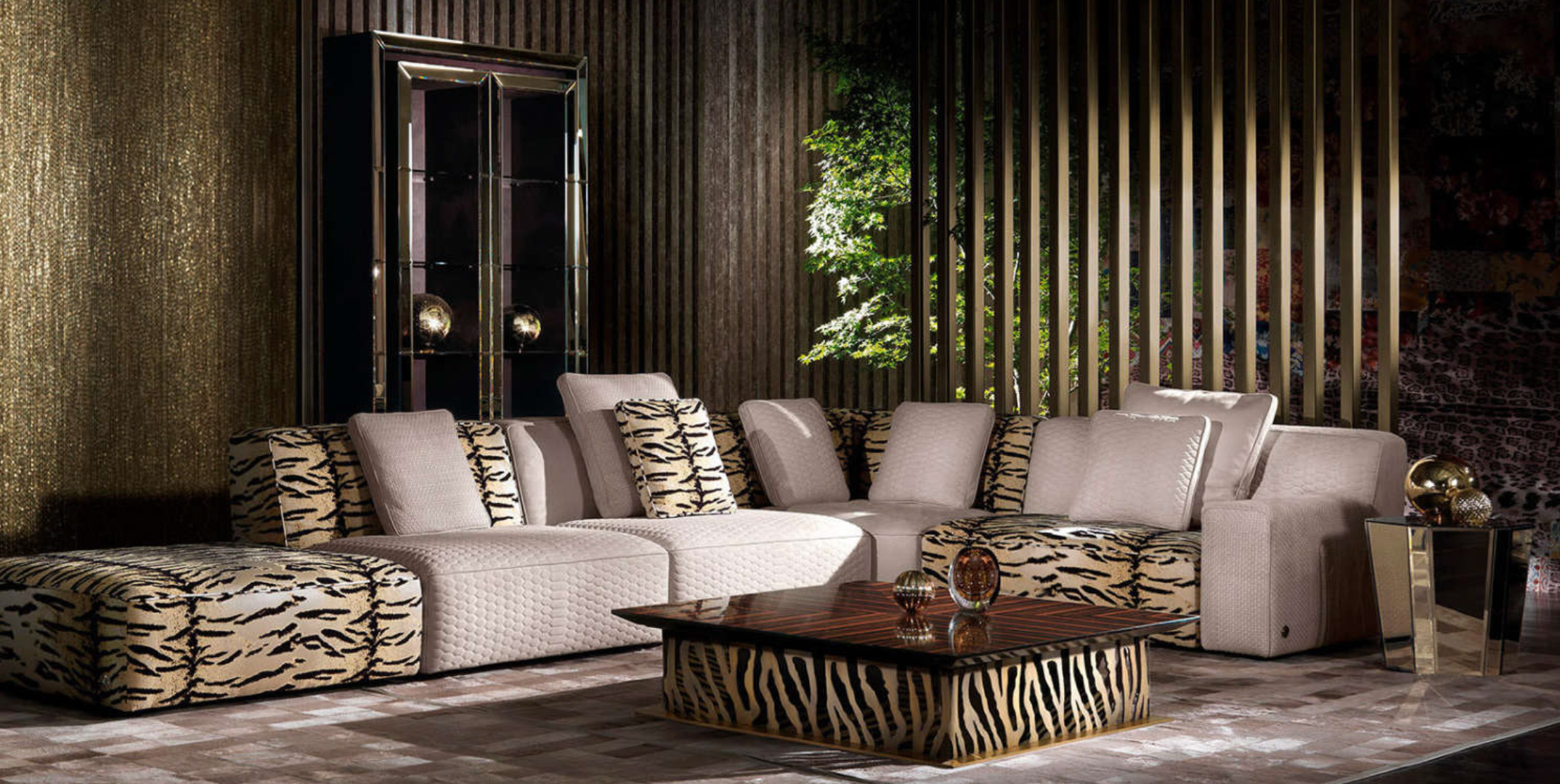
Contemporary furniture is highly visual, but visual appeal alone does not create sustained demand.
A customer may notice a beautifully photographed sofa while scrolling through Instagram, save a dining table on Pinterest, watch a short video showing a new collection, or see a styled living room several times before they ever visit a furniture website.
That matters because furniture purchases often involve considerable thought. Customers may compare styles, materials, dimensions, colours, prices and alternatives before deciding what belongs in their home. Research into furniture shopping has also found that online advertising and content, including social media, websites and search engines, form part of the discovery and research process for many shoppers.
For contemporary furniture brands, social media can therefore play a role much earlier than the final purchase.
The objective should not simply be to collect followers or generate likes. Social media can help a furniture business introduce its aesthetic, demonstrate products in context, educate potential buyers, build familiarity, provide evidence of quality and eventually direct interested customers towards a website, showroom or sales conversation.
The most effective strategy is not to treat social media as a digital catalogue. It is to use it to create interest around the collection and give potential customers reasons to explore further.
Start With the Design Identity of the Collection
A contemporary furniture collection needs a recognisable point of view.
“Contemporary” covers a broad range of styles. One brand may focus on understated forms and natural materials. Another may use sculptural shapes, bold upholstery, architectural lines or innovative manufacturing techniques.
Social media gives the brand an opportunity to communicate that distinction repeatedly.
Before developing a content strategy, establish what the collection represents.
Consider:
- What design principles define the collection?
- Which materials are central to the brand?
- What type of interiors suit the furniture?
- Who is the intended customer?
- Is the brand positioned around craftsmanship, accessibility, exclusivity, innovation or design?
- What separates the collection from visually similar competitors?
These answers should influence the photography, video, captions, colour palette, styling and subjects used across social channels.
A consistent visual identity makes individual posts work together as part of a broader brand.
Show Furniture in Real Interior Contexts
A product photographed against a plain background can communicate its shape and finish. It does not necessarily communicate how the product will feel within a home.
Contemporary furniture is often easier to understand when customers can see it in context.
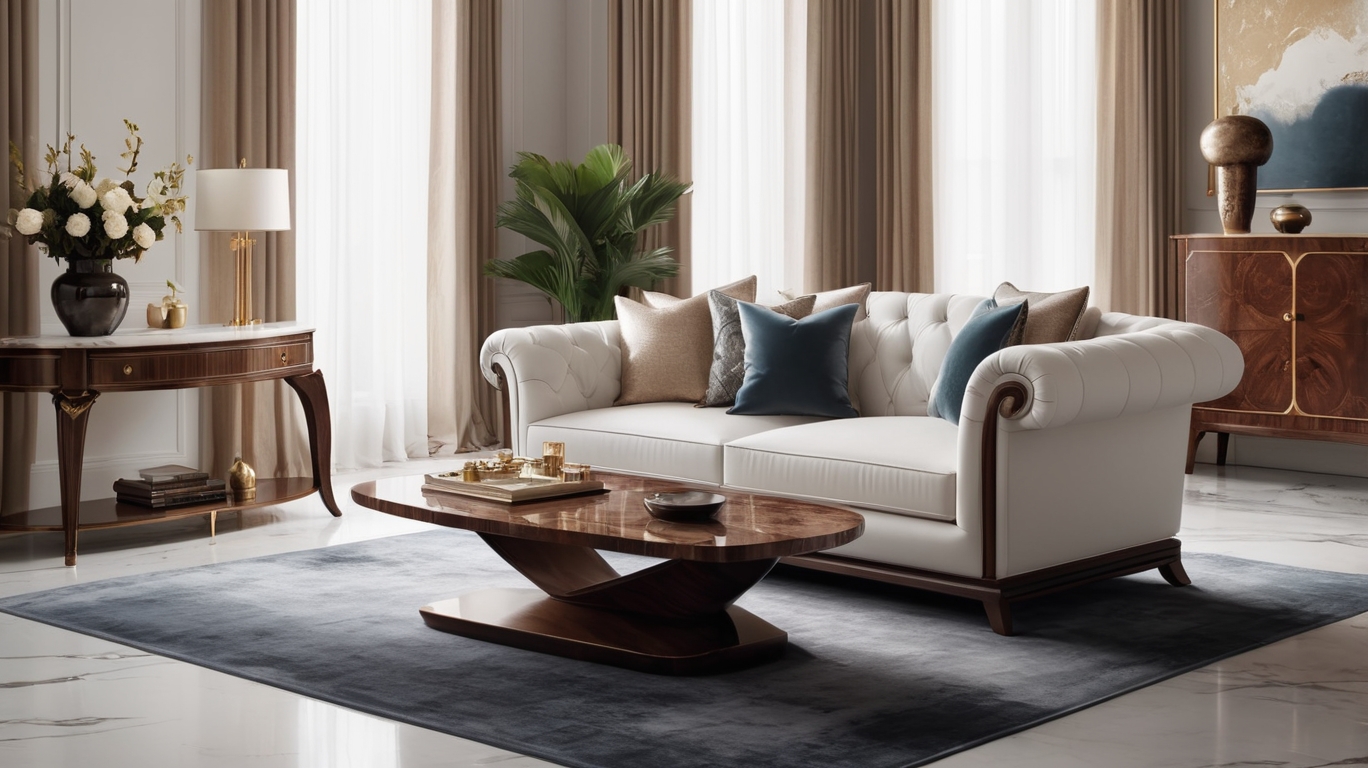
For example, a sofa can be presented within a complete living room, alongside lighting, rugs, artwork and complementary furniture. A dining table can be shown with different seating arrangements. A sideboard can be photographed within an actual interior rather than presented as an isolated object.
This helps customers imagine possibilities.
It also allows the brand to communicate its design philosophy through the environment surrounding the product.
Lifestyle photography should therefore be a central part of a contemporary furniture content strategy.
Turn a Collection Launch Into a Content Series
Launching a new collection with a single post wastes much of the available content opportunity.
A collection contains multiple stories.
A furniture brand could introduce a new range through a sequence such as:
- A teaser showing a material, silhouette or detail
- A designer or brand statement explaining the concept
- A room setting featuring the collection
- Individual product introductions
- Close-up material photography
- A video showing product details
- Different configuration or colour options
- Behind-the-scenes production content
- Styling ideas
- A direct link to the collection page
This creates continuity.
Rather than asking audiences to understand an entire collection from one post, the brand gradually builds familiarity.
It also gives the business more opportunities to reach people who may have missed the original announcement.
Use Video to Demonstrate More Than Appearance
Video can communicate aspects of furniture that static photography cannot.
A short video can show:
- The movement of a chair
- The opening mechanism of storage furniture
- Different sofa configurations
- Upholstery details
- Timber grain
- Construction details
- A product being installed
- A room transformation
- Different styling options
- The scale of a piece within an interior
The production does not always need to be elaborate.
A carefully filmed walkthrough in a well-designed space can provide useful information while reinforcing the brand’s aesthetic.
Longer videos can also be valuable for customers who are further along the buying journey. A detailed product walkthrough, designer interview or room tour can answer questions that a short social post cannot.
The important consideration is whether the video helps the customer understand something.
Build Content Around Customer Questions
One of the easiest ways to make furniture social media more useful is to pay attention to the questions customers already ask.
These may include:
- Which size is suitable for a smaller living room?
- How should this sofa be styled?
- Which fabric is easiest to maintain?
- What timber finish is shown?
- Is this available in other colours?
- How many people can sit around this table?
- How does the furniture arrive?
- Does it require assembly?
- What makes this material different?
- How should the product be cared for?
These questions can become posts, videos, Stories, carousels and website content.
The advantage is that the content is based on genuine customer information needs rather than arbitrary posting schedules.
It can also help sales staff because useful social content can answer common questions before a customer makes contact.
Use Social Media to Explain Design Decisions
Contemporary furniture can look simple while involving considerable design thinking.
A curved chair may have been developed around ergonomics. A particular table shape may be intended to improve movement around a dining area. A storage unit may balance visual simplicity with practical capacity.
These decisions are worth explaining.
A furniture brand can create content showing:
- Why a particular shape was selected
- How proportions were developed
- Why a material was chosen
- How comfort influenced the design
- How a product works in different room sizes
- How a collection was developed
- What problem the product is intended to solve
This changes the role of social media from simple product display to design education.
It can also help establish expertise.
Show the Materials and Craftsmanship
Customers cannot physically touch furniture through a screen.
Photography and video therefore need to compensate for some of the sensory limitations of online shopping.
Close-up content can show:
- Timber grain
- Stone surfaces
- Metal finishes
- Upholstery texture
- Stitching
- Joinery
- Edges and profiles
- Surface treatments
- Hardware
- Construction details
If the furniture is manufactured locally or involves specialised craftsmanship, the production process can also become useful content.
Show the workshop where appropriate. Introduce the people involved. Explain processes without turning every post into a sales pitch.
The objective is to provide evidence.
Claims such as “exceptional craftsmanship” have limited value on their own. Showing the craftsmanship gives customers something tangible to assess.
Use Before-and-After Content Carefully
Room transformations can be effective because they demonstrate the role furniture plays within an interior.
Instead of simply showing a finished room, a brand can explain what changed.
For example:
Before: An underused living area with limited seating.
Design consideration: The room required flexible seating while maintaining a clear circulation path.
Furniture solution: A particular sofa configuration combined with occasional seating and a compact coffee table.
After: A more functional living area with a defined social space.
This provides a story rather than simply presenting a finished image.
For contemporary furniture brands, the transformation should focus on design thinking as well as aesthetics.
Encourage Customers to Picture the Furniture in Their Own Homes
Demand grows when customers can move from admiration to personal relevance.
A photograph of a beautiful room may generate inspiration. A photograph that demonstrates how a particular sofa works in a compact living space can create stronger practical relevance for someone with a similar room.
Content can therefore explore different environments:
- Apartments
- Family homes
- Open-plan living areas
- Smaller rooms
- Large entertaining spaces
- Home offices
- Dining areas
- Bedrooms
- Commercial interiors
This broadens the collection’s relevance without changing the product itself.
It also gives the brand opportunities to speak to different customer needs.
Use Pinterest for Longer-Lived Discovery
Pinterest is particularly relevant to furniture and interiors because users often search, save and organise visual ideas while planning future projects. Pinterest describes itself as a visual discovery platform where people search, save and shop ideas, including home-related projects and products.
For a contemporary furniture brand, this creates opportunities beyond regular social posting.
Useful Pinterest content could include:
- Contemporary living room ideas
- Modern dining room inspiration
- Furniture styling concepts
- Material inspiration
- Small-space furniture
- Neutral interiors
- Statement furniture
- Contemporary bedroom ideas
- Product-specific inspiration boards
The objective should not be to upload the same image everywhere without adaptation.
Pinterest content should be designed around discovery and future planning, with appropriate links back to relevant website pages.
Make Instagram a Visual Brand Environment
Instagram can function as a visual extension of the furniture brand.
The content mix can include:
- Lifestyle photography
- Product photography
- Reels
- Carousels
- Stories
- Behind-the-scenes content
- Designer interviews
- Customer projects
- Styling ideas
- Material details
- Collection launches
The important principle is balance.
If every post is a product announcement, the account begins to resemble an online catalogue.
If every post is inspirational but none identifies the products or provides a route to purchase, the commercial connection becomes weak.
A useful account should do both.
It should inspire people while making it easy to investigate the products that created the inspiration.
Create “Shop the Look” Experiences
Contemporary furniture is often purchased as part of a wider interior.
A customer may like the sofa, coffee table, armchair and lighting shown in a particular room rather than one individual product.
This creates an opportunity to develop “shop the look” content.
A room image can identify:
- Sofa
- Coffee table
- Dining table
- Chairs
- Sideboard
- Lighting
- Accessories
Each product can then connect to the relevant website page where possible.
This reduces the gap between inspiration and commerce.
It also reflects how many people actually think about interior design. They are not always asking, “Which sofa should I buy?”
They may be thinking, “How can I create a room that looks like this?”
Work With Designers and Other Industry Professionals
Contemporary furniture brands can benefit from relationships with interior designers, architects, stylists and property professionals.
These relationships can produce useful content as well as commercial opportunities.
For example:
- Designer interviews
- Collaborative room styling
- Product specifications for professionals
- Project features
- Designer-selected collections
- Behind-the-scenes project content
- Interviews about material choices
- Professional installation stories
The relationship should be genuine.
Tagging unrelated professionals simply to obtain exposure can feel forced. Collaboration works better when the content has relevance to both audiences.
For furniture brands targeting professional buyers, social media can also provide a way to demonstrate that the business understands how its products are used within larger design projects.
Turn Completed Projects Into Ongoing Content
A completed project should not disappear from the marketing system after one social post.
A single furniture installation can produce multiple pieces of content.
For example:
Project photography
Show the finished space.
Product detail
Focus on the furniture itself.
Design explanation
Explain why the pieces were selected.
Video walkthrough
Show the room in motion.
Customer story
Where permission has been provided, explain the brief and outcome.
Material detail
Show finishes and construction.
Website case study
Create a more detailed project page.
Social carousel
Present the transformation and key products.
This approach makes content production more efficient while keeping the material original and relevant.
Use Stories to Create Interaction
Stories can support a more immediate relationship with an audience.
Furniture brands can use them for:
- New arrivals
- Product previews
- Behind-the-scenes moments
- Customer questions
- Polls
- Material comparisons
- Colour choices
- Showroom updates
- Event announcements
- Links to products
Interactive features can also provide useful market information.
For example, asking an audience to choose between two finishes may generate engagement while revealing preferences that could inform future content.
The results should not automatically be treated as representative market research. They are signals from the people who interact with the brand.
That distinction matters.
Use Paid Social to Extend Strong Content
Organic social media can build a library of brand and product content, but paid social can extend selected content to audiences beyond existing followers.
The strongest approach is not necessarily to advertise every post.
Instead, identify content that supports a commercial objective.
Examples could include:
- A new collection
- A high-margin product
- A major seasonal range
- A showroom event
- A project case study
- A product category with strong demand
- A useful buying guide
The advertising objective should determine the audience, creative and landing page.
Someone discovering the brand for the first time may need an inspirational collection page. Someone who has already viewed a product may be more appropriate for a product-focused campaign.
Social advertising should therefore be considered as part of the broader customer journey rather than an isolated activity.
Connect Social Media With the Website
Social media can generate interest, but the website usually provides the depth required for serious product evaluation.
A customer who sees a sofa on Instagram may want to know its dimensions, materials, available configurations, delivery arrangements and price.
The website should answer those questions.
This creates a clear relationship:
Social media creates interest.
The website provides information.
The product page supports evaluation.
The checkout, showroom or enquiry process supports conversion.
This is why social media performance should not be assessed independently from the website.
A social post may not generate a sale immediately but may introduce a customer who returns later through Google or direct website traffic.
Use Search and Social Data Together
Social media can reveal what audiences find visually interesting.
Search data can reveal what customers actively want to know.
Together, they can provide useful insight.
For example, a furniture brand might discover through social engagement that customers respond strongly to a particular material or room style.
Search data might then show demand around related product categories or questions.
This information can influence:
- Product pages
- SEO content
- Google Ads
- Social content
- Collection naming
- Buying guides
- Website navigation
The channels should therefore inform one another.
Measure Commercial Outcomes, Not Just Engagement
Likes and follower numbers can provide useful context, but they should not become the primary measure of social media performance.
Furniture businesses should consider tracking:
- Website visits from social media
- Product page visits
- Collection page visits
- Product enquiries
- Direct messages
- Catalogue interactions
- Add-to-cart activity
- Purchases
- Revenue
- Assisted conversions
- Repeat visits
- Leads generated from social campaigns
The appropriate measures depend on the business model.
A furniture showroom may generate enquiries rather than direct online purchases.
A designer furniture retailer may sell directly through e-commerce.
A custom furniture manufacturer may use social media to generate consultation requests.
The measurement framework should reflect the actual commercial model.
A post with modest engagement but several valuable enquiries may be more commercially useful than a post with high engagement and no meaningful action.
Do Not Make Every Post a Sales Post
One of the most common mistakes furniture brands make is treating social media as an advertising catalogue.
Every post announces a product.
Every caption contains a sales message.
Every image has a price.
The audience quickly learns that the account exists only to sell.
Contemporary furniture brands have more interesting stories to tell.
They can discuss design, materials, interiors, craftsmanship, trends, functionality, room planning and the thinking behind their products.
Promotional content still has a place.
It simply works better when it sits within a broader content system.
A practical content mix might include:
Inspire
Show beautiful rooms and design concepts.
Educate
Answer customer questions.
Demonstrate
Show products being used.
Prove
Show materials, craftsmanship and completed projects.
Humanise
Introduce designers, makers and the wider team.
Engage
Ask useful questions and invite discussion.
Convert
Promote relevant products, collections and offers.
This gives the audience different reasons to pay attention.
Repurpose Strong Content Across the Marketing System
A good piece of furniture content can often serve several channels.
A professional photoshoot could generate:
- Instagram posts
- Reels
- Pinterest Pins
- Website product imagery
- Collection banners
- Blog imagery
- Google Ads creative
- Email content
- Project case studies
A designer interview could become:
- A long-form website article
- Short video clips
- Social quotes
- Reels
- Email content
- Product-page commentary
This does not mean copying identical content everywhere.
It means extracting more value from the same underlying knowledge, photography or project.
For furniture brands, this can make social media more sustainable because content production becomes part of the wider marketing system.
Build Demand Before Customers Are Ready to Buy
Furniture demand is rarely created entirely at the moment of purchase.
Someone may first encounter a brand while looking for living room inspiration.
Months later, they may move house.
Later still, they may start comparing sofas.
Eventually, they may visit a showroom or purchase online.
Social media can occupy the earlier stages of this process.
This is particularly relevant for contemporary furniture because customers are often buying into a style as much as an individual product.
The brand needs to become familiar before the customer reaches the final purchasing decision.
Social media can contribute to that familiarity by repeatedly showing the collection in useful, aspirational and credible contexts.
Create a Repeatable Social Media Workflow
A sustainable strategy needs a process.
A practical monthly workflow might begin with the product and project calendar.
Identify:
- New products
- New collections
- Completed projects
- Customer questions
- Seasonal opportunities
- Designer collaborations
- Product launches
- Existing photography
- Video opportunities
Then build content around those assets.
For example:
Week 1: Collection introduction and design story.
Week 2: Product details and customer education.
Week 3: Lifestyle project and styling content.
Week 4: Video demonstration, customer questions and product promotion.
The exact schedule should be adapted to the brand’s audience and resources.
There is no universal requirement to post a fixed number of times every week.
Consistency and relevance matter more than producing content simply to fill a calendar.
Avoid Chasing Every Social Media Trend
Furniture brands can be tempted to copy whatever format is currently attracting attention.
Some trends may be useful.
Others can undermine a carefully developed premium brand identity.
Before using a trend, ask:
- Does it suit the brand?
- Does it help explain the product?
- Does it reach the intended audience?
- Can it be produced well?
- Will it still make sense when viewed alongside the rest of the account?
A contemporary furniture brand does not need to behave like an entertainment account.
The strongest strategy usually combines platform-appropriate formats with a consistent brand identity.
Social Media Should Support the Whole Digital Strategy
Social media works best when it is connected to other marketing channels.
A customer might:
- Discover a collection on Instagram.
- Save the product for later.
- Visit the website.
- Read a product guide.
- Search Google for the brand.
- Return to the product page.
- Visit the showroom.
- Purchase.
Another customer might discover a product through Pinterest and later arrive through organic search.
Another might see a social advertisement and purchase directly through e-commerce.
The exact journey will vary.
This is why social media should not be judged only on the last click.
Its role can include awareness, discovery, education, consideration, website traffic, remarketing and conversion support.
Conclusion
Social media can be a powerful demand-building channel for contemporary furniture brands because furniture is inherently visual and closely connected to how people imagine their homes.
But effective social media marketing requires more than posting attractive photographs.
Brands need to show furniture in context, explain design decisions, demonstrate materials and craftsmanship, answer customer questions, showcase completed projects and create clear pathways from inspiration to product information.
Platforms such as Instagram and Pinterest can support different parts of this process. Pinterest explicitly positions itself around visual discovery, planning and shopping, while furniture research also indicates that social content forms part of the wider discovery and consideration journey for many consumers.
The commercial objective should remain clear.
Social media should help more of the right people discover the collection, understand its value, remember the brand and eventually take a meaningful next step.
For contemporary furniture businesses, that may mean visiting the website, viewing a product, requesting information, visiting a showroom or completing an online purchase.
When social media is connected to strong e-commerce, SEO, content and conversion strategy, it becomes more than a stream of attractive images. It becomes part of a wider system for building demand and turning design interest into commercial opportunity.
If your furniture business wants to use social media more strategically to build awareness, product demand and qualified customer activity, Home & Lifestyle Marketing Co can help develop a digital strategy built around your products, audience and commercial objectives.
To learn more, please visit www.hlmco.com.au