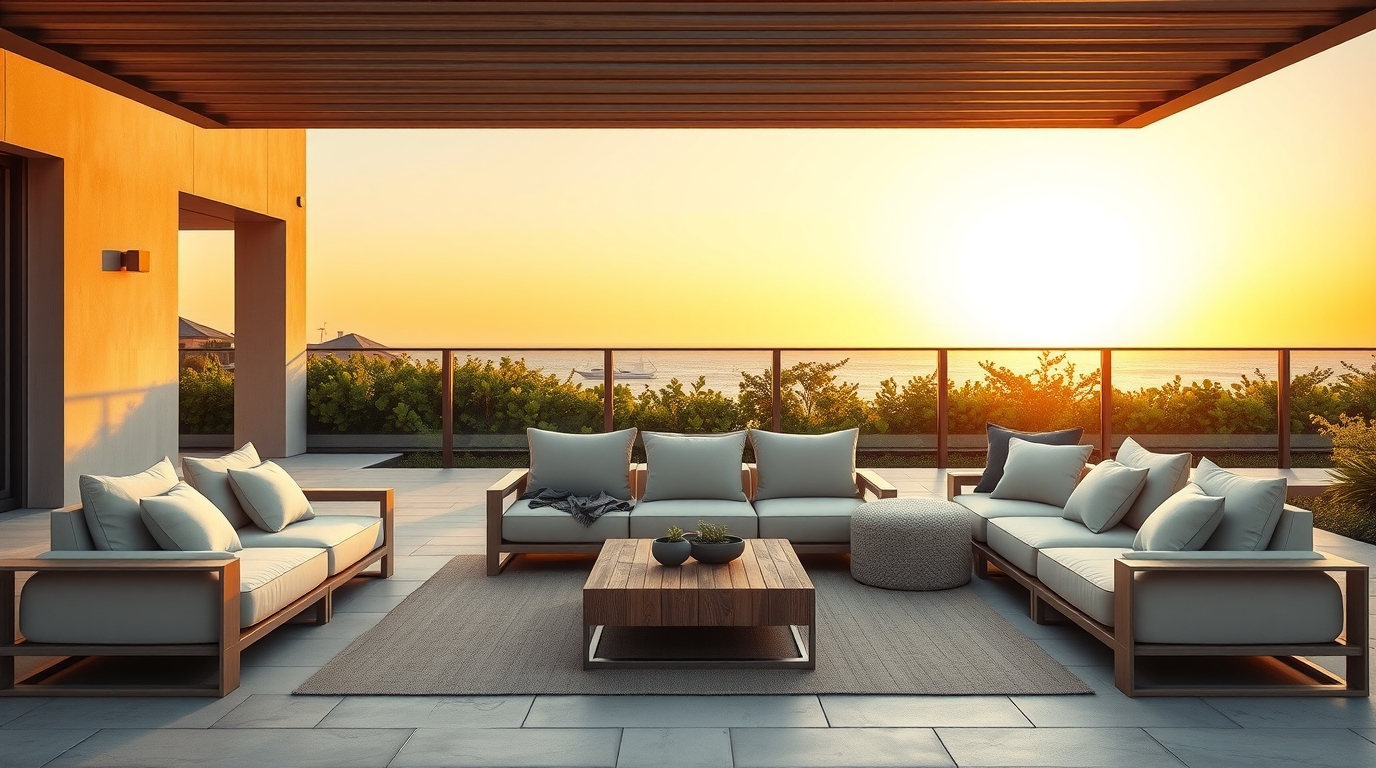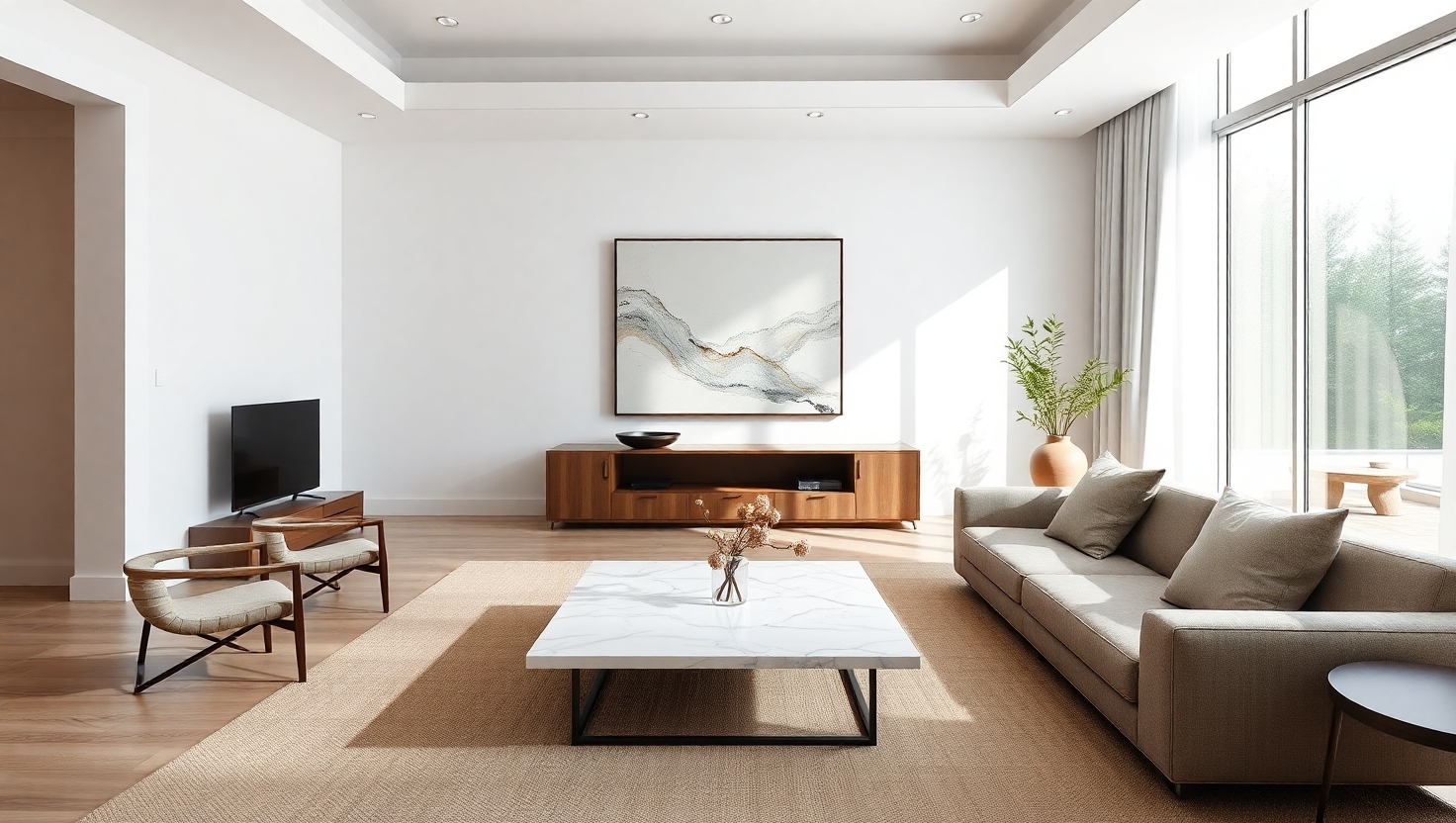
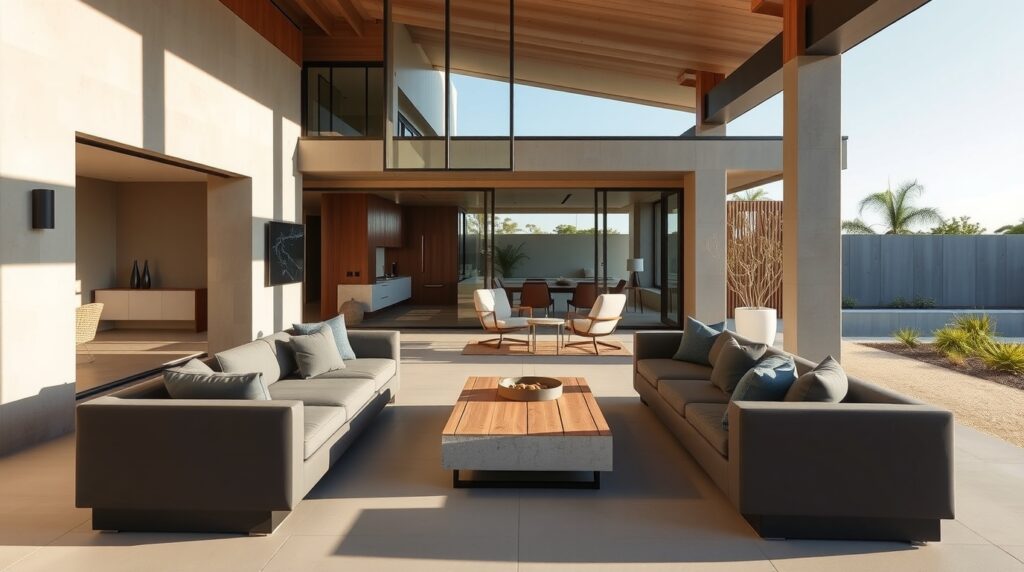
Across Australia, a new design language is reshaping outdoor living — one that draws from architecture rather than mere decoration. Homeowners are embracing outdoor furniture that feels built-in, sculptural, and part of the home’s structural dialogue. This is the rise of architectural outdoor furniture — where precision, geometry and material integrity redefine luxury.
Design as Architecture, Not Accessory
Gone are the days when outdoor pieces were afterthoughts. Today’s discerning homeowners expect furniture that stands confidently beside their architecture. Angular profiles, bold frameworks, and low linear forms echo the lines of modern homes. Each chair, sofa, and table contributes to the architectural composition, connecting the indoors to the open air with continuity and grace.
Minimalism Meets Structure
The architectural trend is rooted in restraint. Simplicity of line, purity of material, and balance of proportion produce quiet sophistication. Lounges with concealed joinery, dining tables with monolithic bases, and recliners shaped like extensions of the deck itself illustrate this approach. It’s luxury that whispers, not shouts.
The Power of Material Authenticity
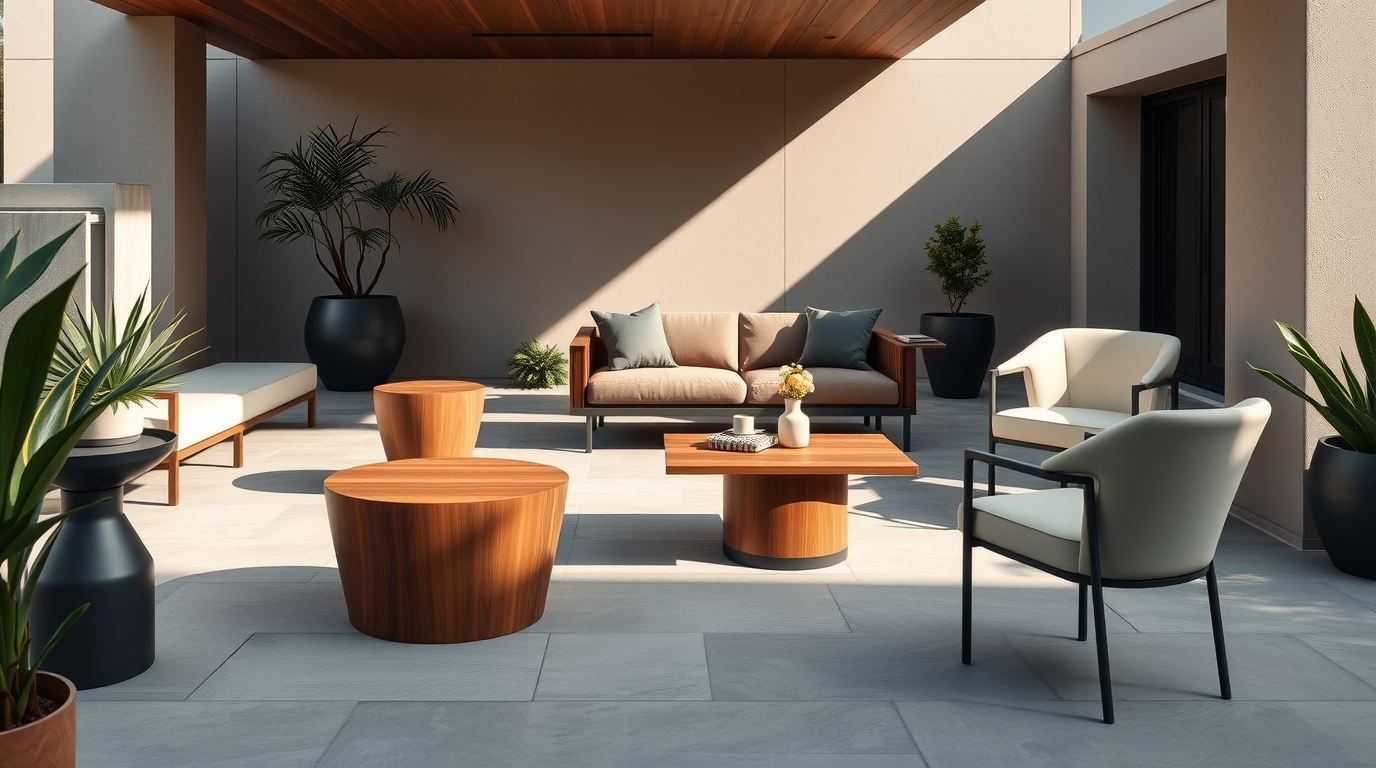
Architectural outdoor furniture values honesty in materials. Brushed aluminium reveals craftsmanship; solid teak celebrates organic beauty; ceramic and stone surfaces add gravitas. These materials don’t pretend — they express their natural character proudly. Combined, they create a sense of permanence that aligns with the solidity of modern homes.
Indoor-Outdoor Continuity
One of the defining hallmarks of contemporary Australian design is the seamless flow between interior and exterior. Architectural furniture plays a vital role in this connection. Finishes and tones echo those indoors, ensuring that moving between spaces feels effortless. The home becomes a unified expression of design rather than a collection of separate zones.
Scale and Geometry
Architectural pieces often explore proportion and geometry in bold ways. Oversized lounges create a grounded focal point, while slender tables appear to float within space. Balance is key — the harmony between mass and void. The result is visual stability that enhances the experience of architecture itself.
Customisation: Precision Made Personal
No two architectural homes share identical proportions, and bespoke outdoor furniture ensures perfect fit. Whether matching a cladding tone or echoing a window frame profile, customisation allows the homeowner to participate in the design process. It transforms an architectural concept into a lived reality of comfort and beauty.
Durability as Design Integrity
Materials engineered for longevity elevate architectural furniture beyond fashion. UV-stabilised coatings, marine-grade fittings, and water-resistant upholstery ensure that form never succumbs to function. When quality construction meets strong aesthetic principles, furniture achieves the same permanence as the building it complements.
Harmony with the Landscape
Australian architecture often draws inspiration from the environment — from coastal dunes to bushland textures. Outdoor furniture that embraces these references feels authentic to place. Muted palettes of stone, clay and eucalyptus sit naturally within the landscape, allowing structures and furniture to coexist harmoniously with nature.
Timelessness Over Trend
True architectural furniture resists trends. Its appeal lies in proportion, craft, and integrity — values that endure long after passing styles fade. Homeowners seeking longevity recognise that restraint is the ultimate luxury.
The Australian Ideal
This design movement embodies the Australian spirit: open, robust, and elegantly uncomplicated. Architectural outdoor furniture invites dwellers to inhabit the landscape with sophistication — spaces that look as if they have always belonged there.
Explore modern architectural design for outdoor living at www.theexclusivehome.com.au.