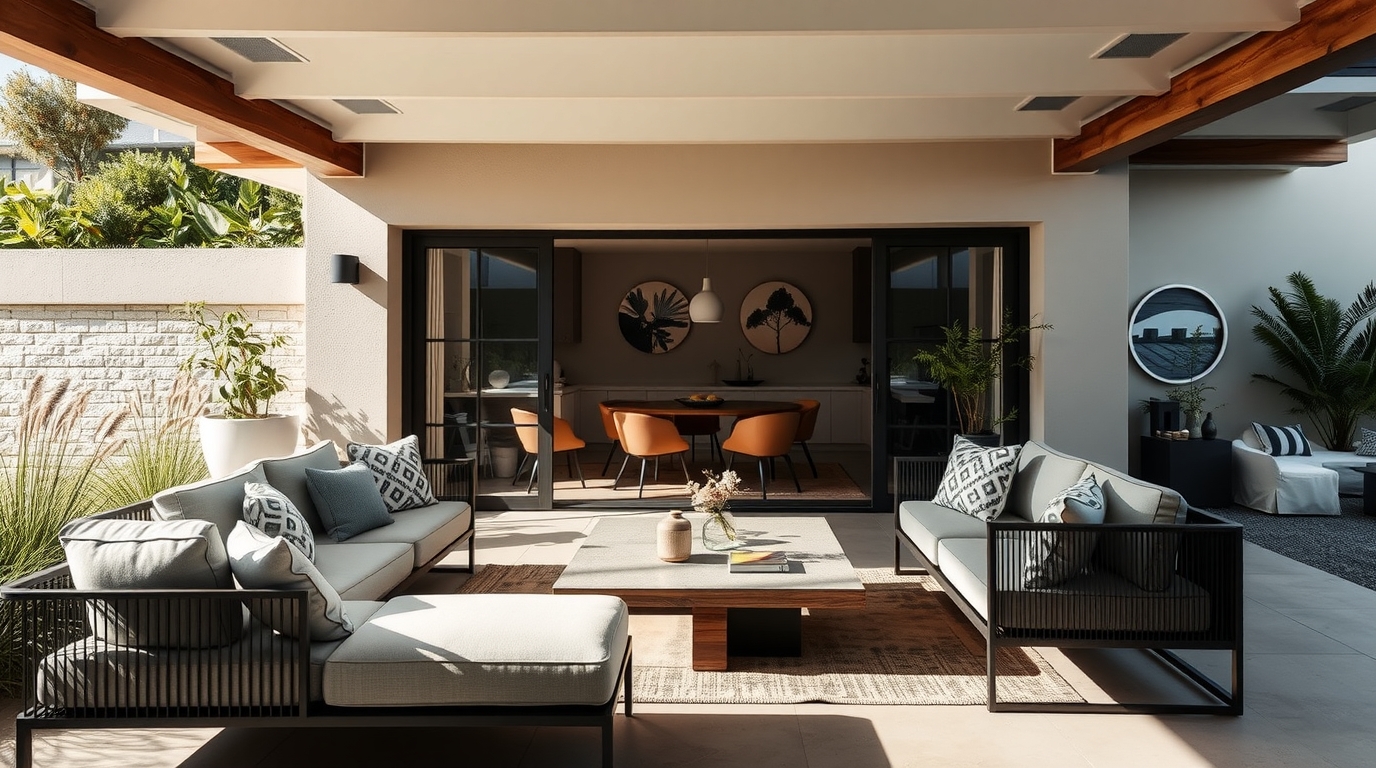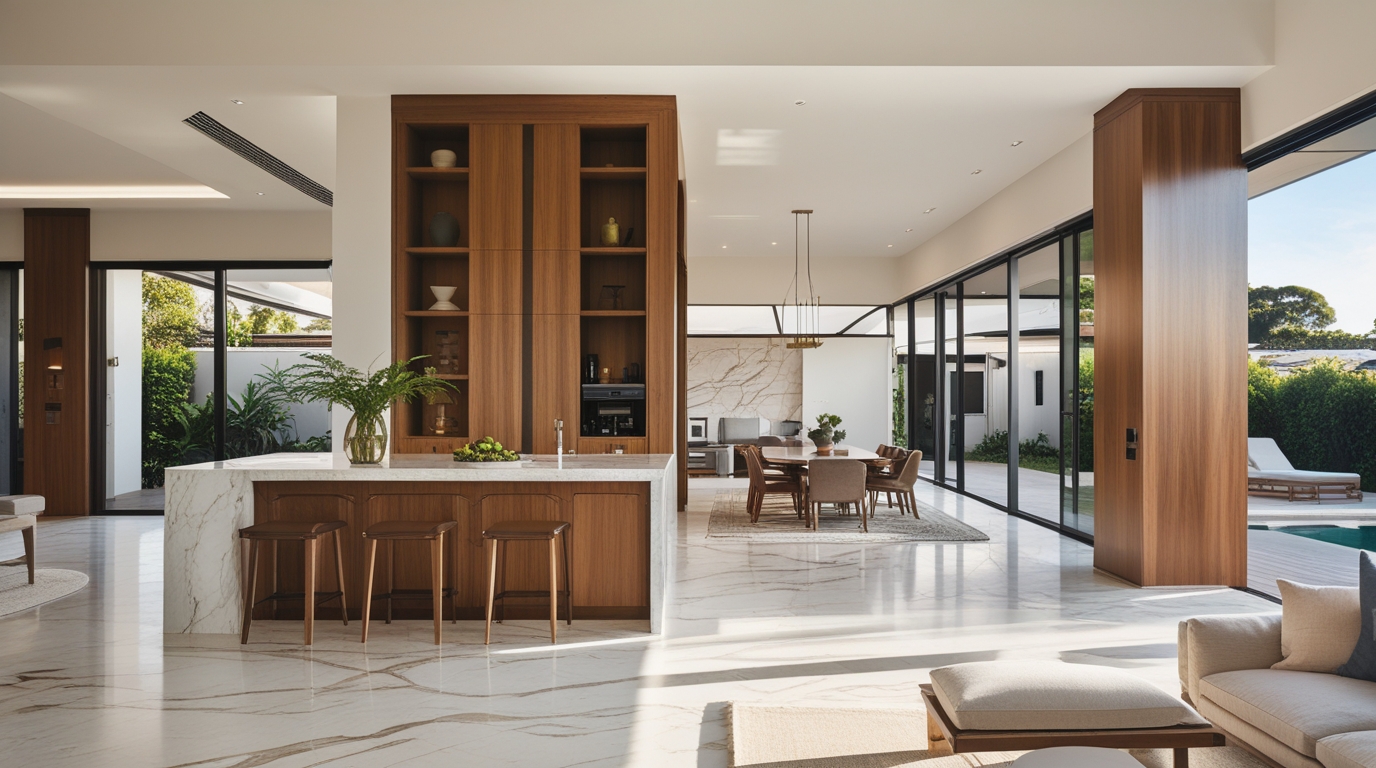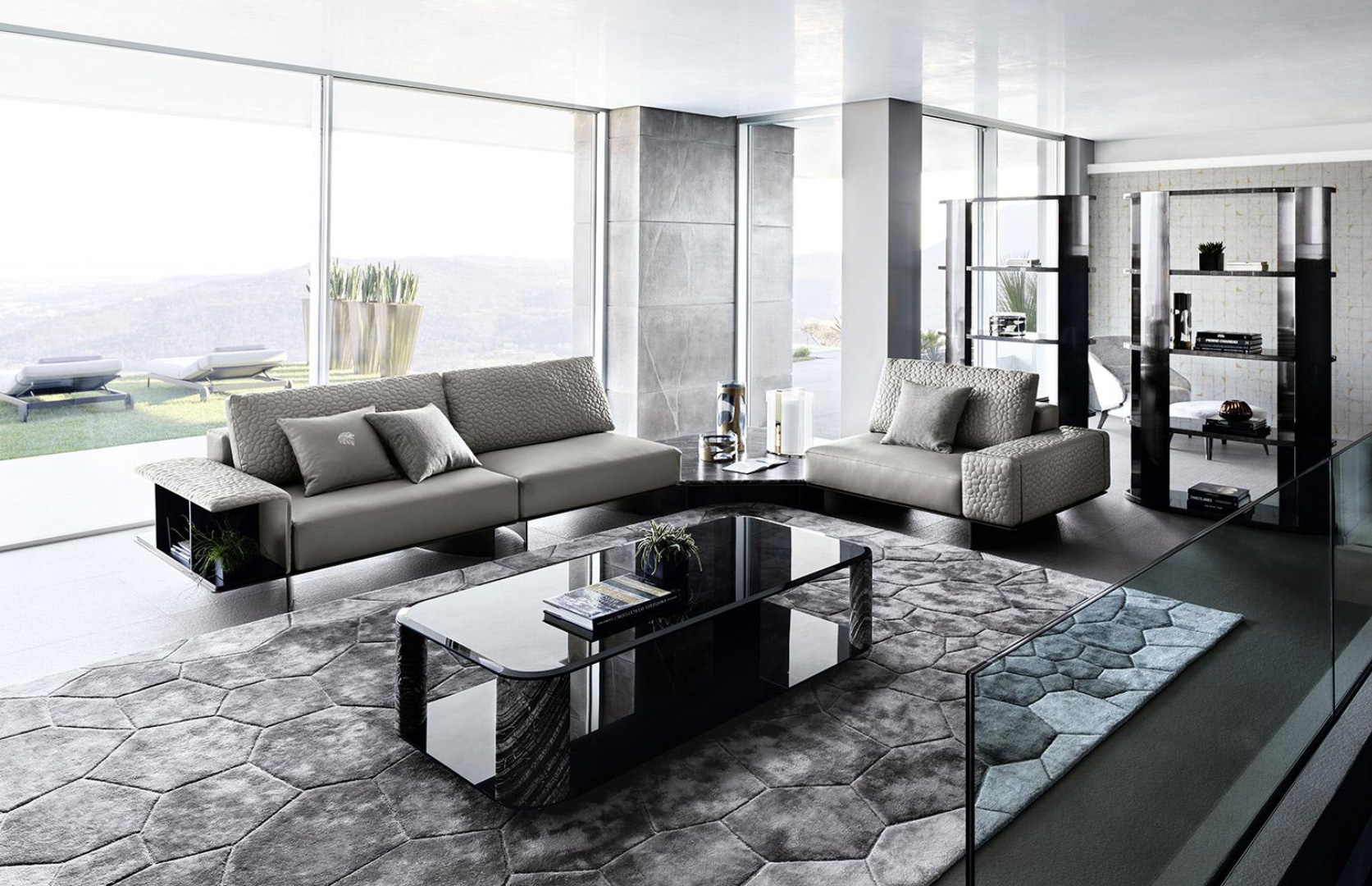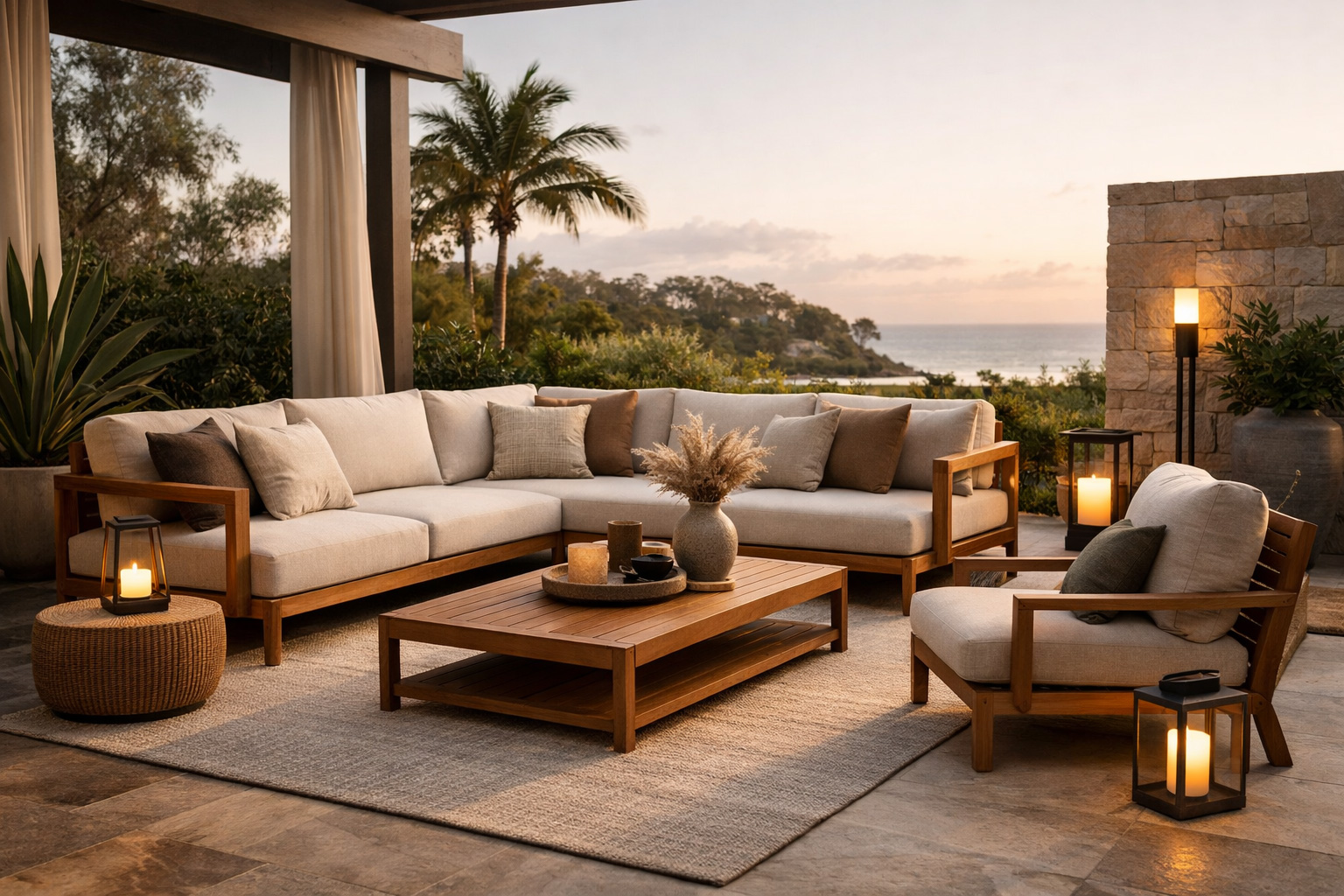
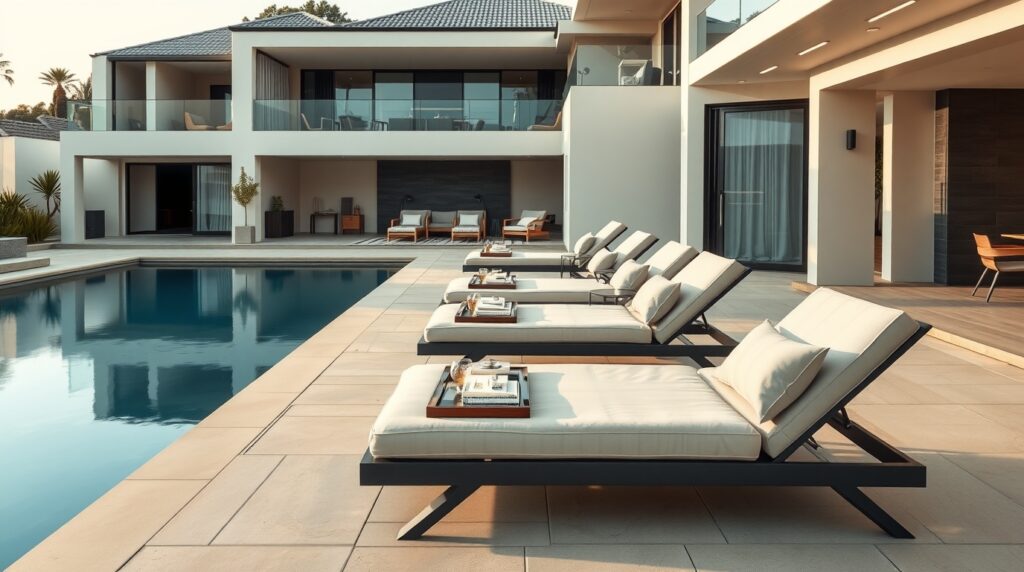
In today’s luxury homes, the humble sun lounger has grown up. It’s no longer just a practical place to park yourself with a book; it has become a central design element that sets the tone for the entire alfresco area. When you choose statement-quality loungers, you’re not simply buying somewhere to relax – you’re defining the character of your outdoor living room.
The modern luxury alfresco space is an extension of the interior, not an afterthought. That means the same attention to proportion, fabric selection, detailing and colour harmony that you’d apply to a living room sofa now needs to be applied to your poolside and terrace seating. A pair (or quartet) of carefully chosen sun loungers can visually “anchor” the pool deck, align with your indoor aesthetic, and immediately communicate that this is a considered, curated home – not just a backyard with a pool.
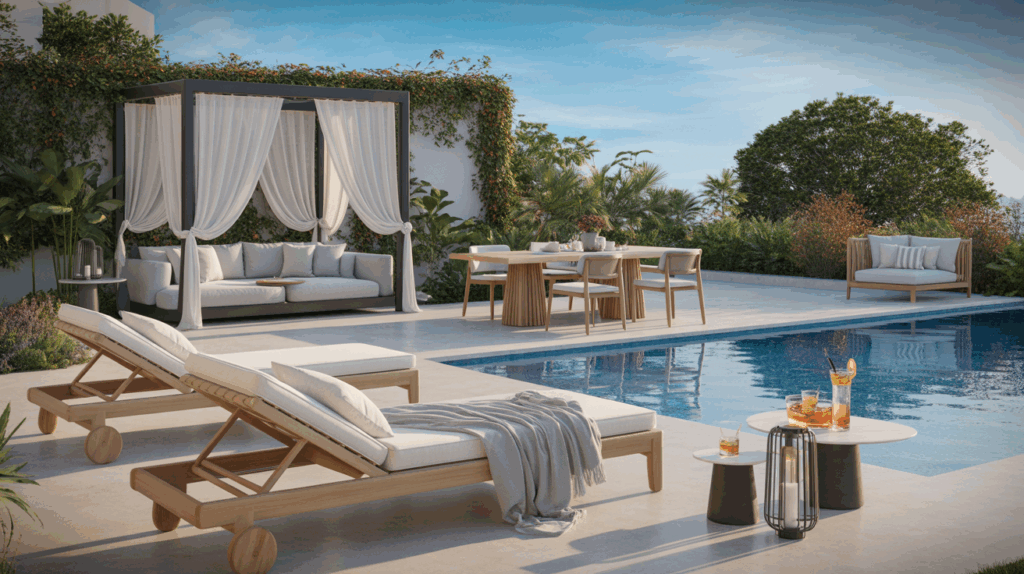
The Sculptural Presence of High-End Design
One of the defining characteristics of high-end outdoor loungers is their sculptural presence. Slimline, stack-’em-high cheap frames are visually weak; they don’t hold their own against architectural lines or generous landscaping. In contrast, a properly proportioned statement lounger has a strong silhouette – a generous frame, resolved angles, elegant legs, and a backrest that looks as good upright as it does fully reclined. Even before anyone lies down, the loungers are already “performing” as design pieces.
Comfort, of course, is non-negotiable at the luxury level. Today’s best designs use high-performance foam cores, breathable outdoor fabrics and ergonomically contoured bases so you can spend hours reading, napping or simply watching the light move across the water. The trick is to deliver that comfort without bulk. The most successful statement loungers manage to look visually light while still offering deep cushioning and support, thanks to clever frame design and high-spec materials.
Creating a Cohesive Furniture Family
Another key trend at the top end of the market is the shift from “pool gear” to “furniture family”. Rather than mixing a random assortment of loungers, side tables and dining chairs, designers are now selecting coordinated outdoor collections where the lounger design echoes the lines of the modular sofas, the dining setting and even the occasional chairs. This gives the whole alfresco space a cohesive, high-end look. It also makes your loungers far easier to integrate with your indoor furniture, creating that sought-after seamless flow from living room to terrace.
Colour and fabric are doing more of the heavy lifting than ever before. The classic white frame with navy cushion will always have a place, but many Australian homeowners are now using their loungers as an opportunity to inject personality – olive and eucalyptus tones for bushland outlooks, soft taupes and stone greys for minimalist architecture, or deep charcoal frames with warm, textured neutrals for urban rooftops. The most successful schemes treat the lounger as the “hero piece” and then pull those colours through plant pots, umbrellas, outdoor rugs and even pool tiles.
Versatility and Material Excellence
Functionally, adjustable backrests and optional arms remain important, but the real leap has been in flexibility and configurability. Some statement sun loungers can convert into low daybeds, double-width platforms or even join together to create an outdoor “sofa” when needed. This is immensely valuable in Australian homes where one space often has to work as a quiet retreat on weekday mornings and an entertaining hub on weekends. Investing in loungers that can adapt to different uses gives you far more value than a single-purpose piece.
Materials are a major differentiator. At the luxury level, powder-coated aluminium frames are incredibly popular because they offer strength without weight, resist rust in coastal environments and can be finished in sophisticated colours that complement your exterior palette. High-performance outdoor fabrics – especially solution-dyed acrylics and premium olefin – offer excellent fade resistance and are far more pleasant against bare skin on a hot day than cheaper synthetics. They also allow you to specify refined textures and weaves that feel more like interior fabrics than old-fashioned canvas.
Aligning with Architectural Style
If your home has a modern architectural language – clean lines, generous glazing, crisp render and minimalist landscaping – a sleek aluminium lounger in a tailored outdoor fabric will usually feel more appropriate than bulky traditional rattan. On the other hand, if your home leans more towards resort or coastal Hamptons styling, you can still use aluminium frames but soften the look through fabric colour, piping detail, bolster cushions and the addition of teak or timber detailing on armrests and side tables.
The positioning of the loungers in your alfresco plan is as important as the pieces themselves. Think of them as “front-row seats” to your best outlooks. That may be the pool, the view, a standout tree, or even a striking architectural element. Avoid the trap of lining loungers up in a row against a fence. Instead, create considered vignettes: a pair of loungers with a shared side table; a cluster of four arranged around a low outdoor coffee table; or a double-width daybed style lounger centred at the end of the pool to create a focal point.
Atmosphere Through Lighting and Engineering
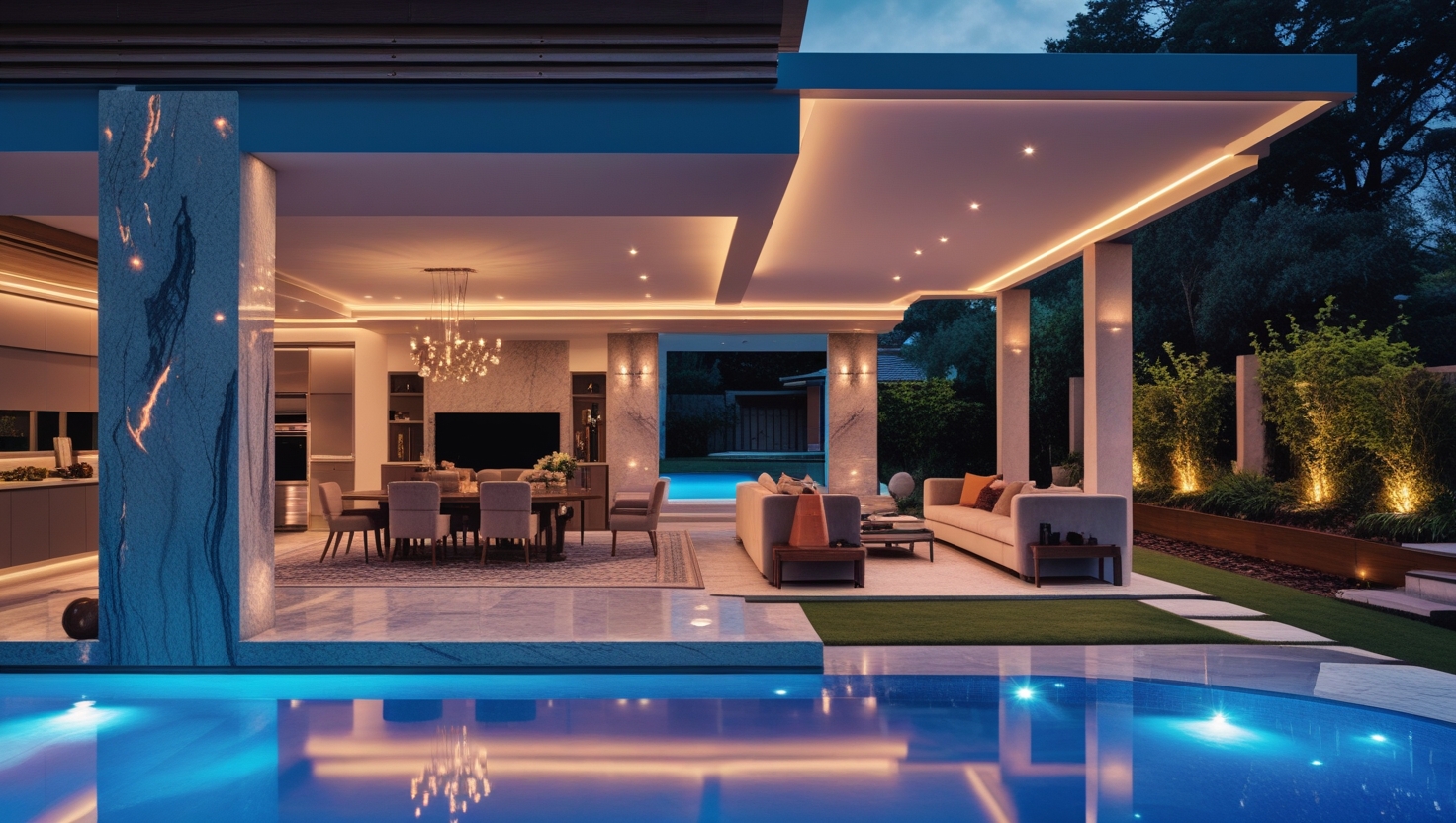
Lighting is another often-overlooked factor. Statement loungers should look just as alluring at night as they do in the daytime. Discreet in-ground uplights, low bollard lights along the pool edge, or warm, indirect lighting from nearby walls can dramatically enhance the shape and texture of your loungers and cushions. In a considered scheme, the night-time view from inside your home should reveal a beautifully lit composition of furniture and landscaping, with the loungers playing a starring role.
From a practical standpoint, the best luxury loungers hide their practicality very well. Integrated wheels that don’t spoil the profile, discreet slots for moving the frame, removable and washable cushion covers, and quick-dry foam are all signs that a piece has been designed for both real-world use and aesthetics. In Australia’s climate, performance matters – you want pieces that can handle sudden showers, strong UV and the odd accidental splash from the pool without warping, rusting or fading prematurely.
Investment Quality and Customisation
At the very top of the market, homeowners are increasingly treating outdoor loungers as investment pieces in the same way they might view a quality sofa or dining setting. That means looking beyond short-term fashion to forms and palettes that will feel relevant for years. Soft, natural neutrals teamed with classic frame colours (charcoal, white, soft greys and bronzes) tend to age well, especially when the design has strong, timeless lines rather than gimmicky shapes.
For those who want their alfresco areas to genuinely reflect their personal style, customisation is crucial. Being able to specify frame colours, fabric shades, piping, cushion thicknesses and even minor dimensional changes allows you to match your loungers perfectly to your home’s palette and proportions, rather than compromising with whatever happens to be on the showroom floor. This level of choice also makes it far easier to carry your interior aesthetic outside – echoing your indoor sofa tones, accent cushions or timber stains in your alfresco scheme.
Conclusion: The Ultimate Lifestyle Statement
Ultimately, a statement sun lounger is not just something you lie on. It’s the centre piece of alfresco design – a visual anchor, a lifestyle statement and a daily reminder that your outdoor space is an integral, considered part of your home. When you get it right, every time you look out from your living room or kitchen, you’ll see an inviting, beautifully composed scene – loungers positioned just so, cushions plumped, ready for you to step outside and genuinely live in that space.
If you’re ready to explore statement-quality outdoor loungers, with the freedom to customise frame colours, fabrics and finishes to suit your home without paying extra for those options, visit www.theexclusivehome.com.au.