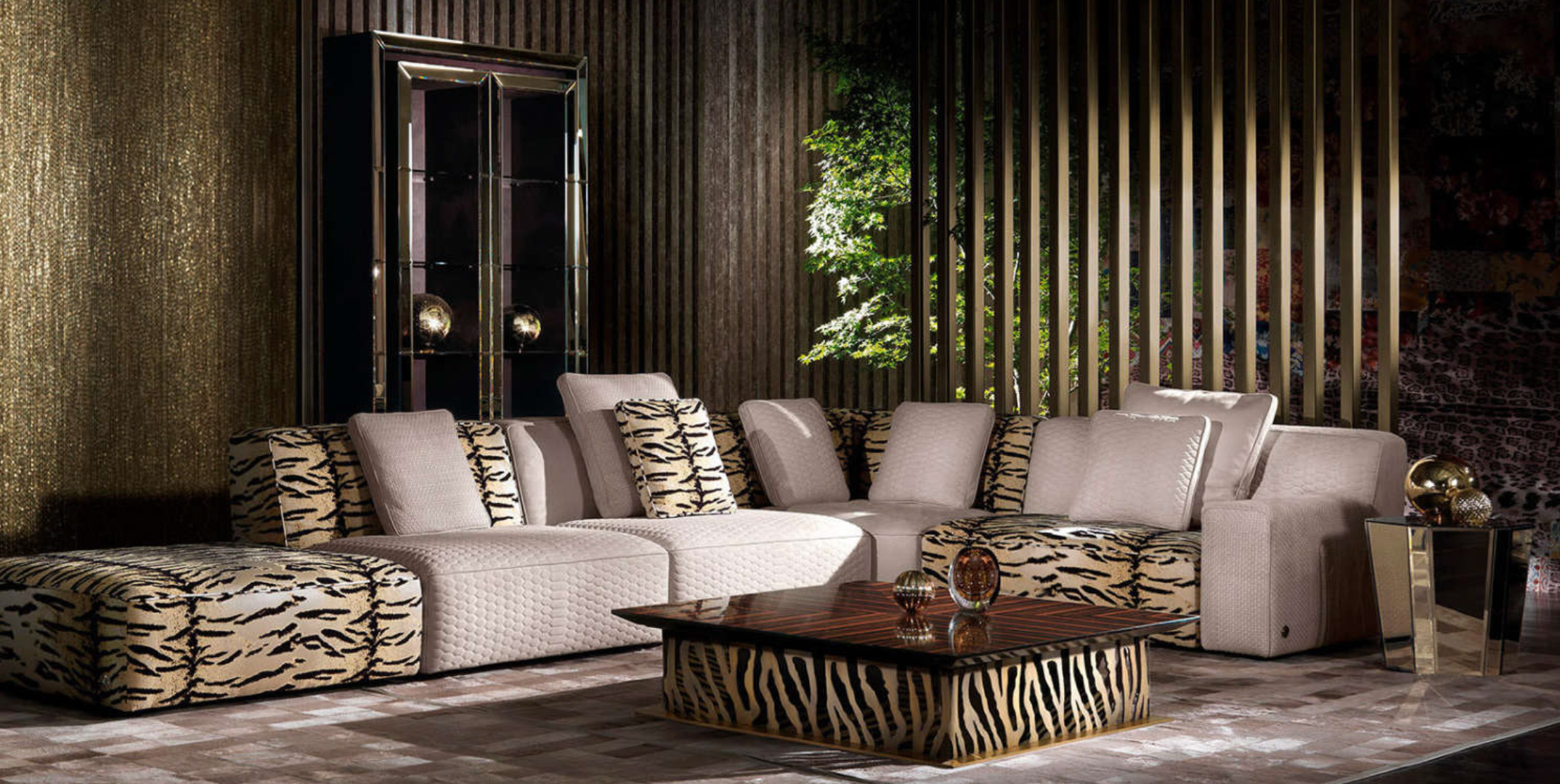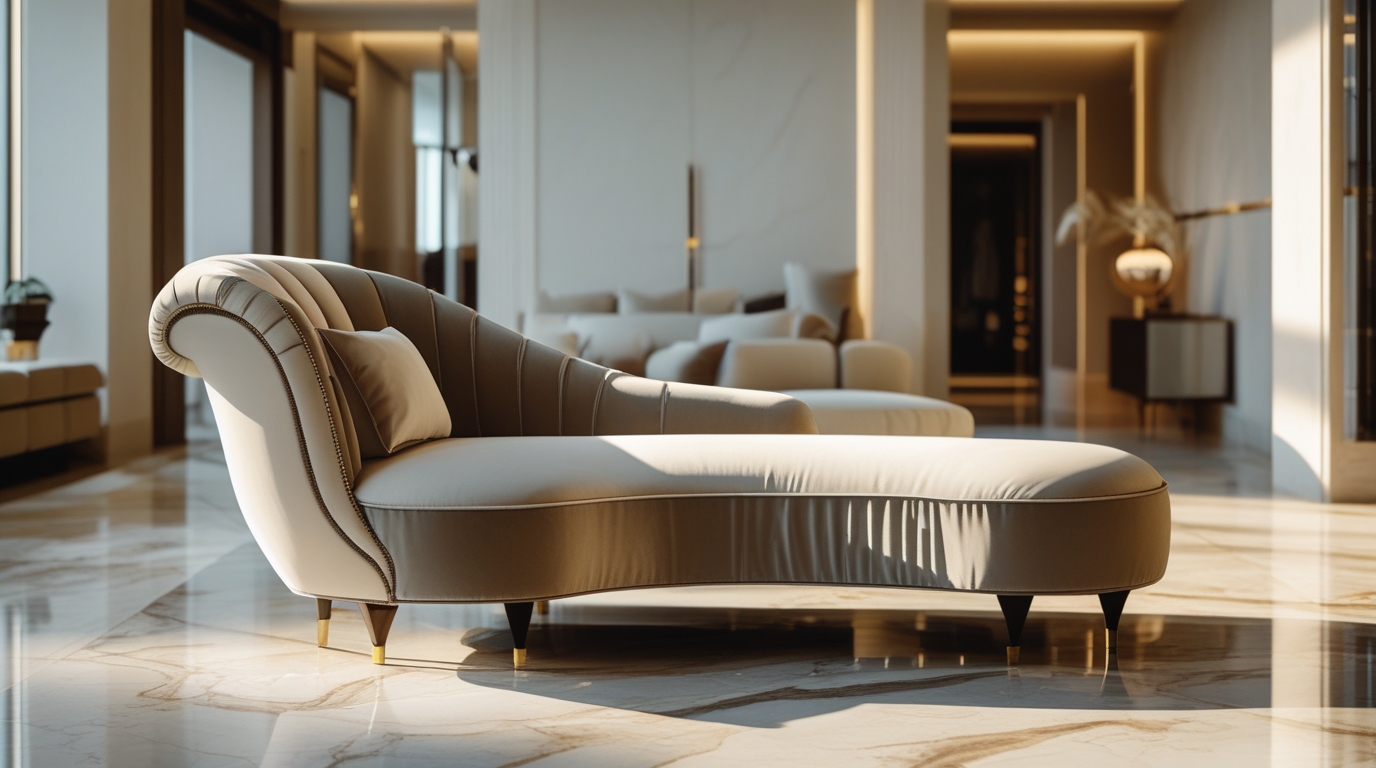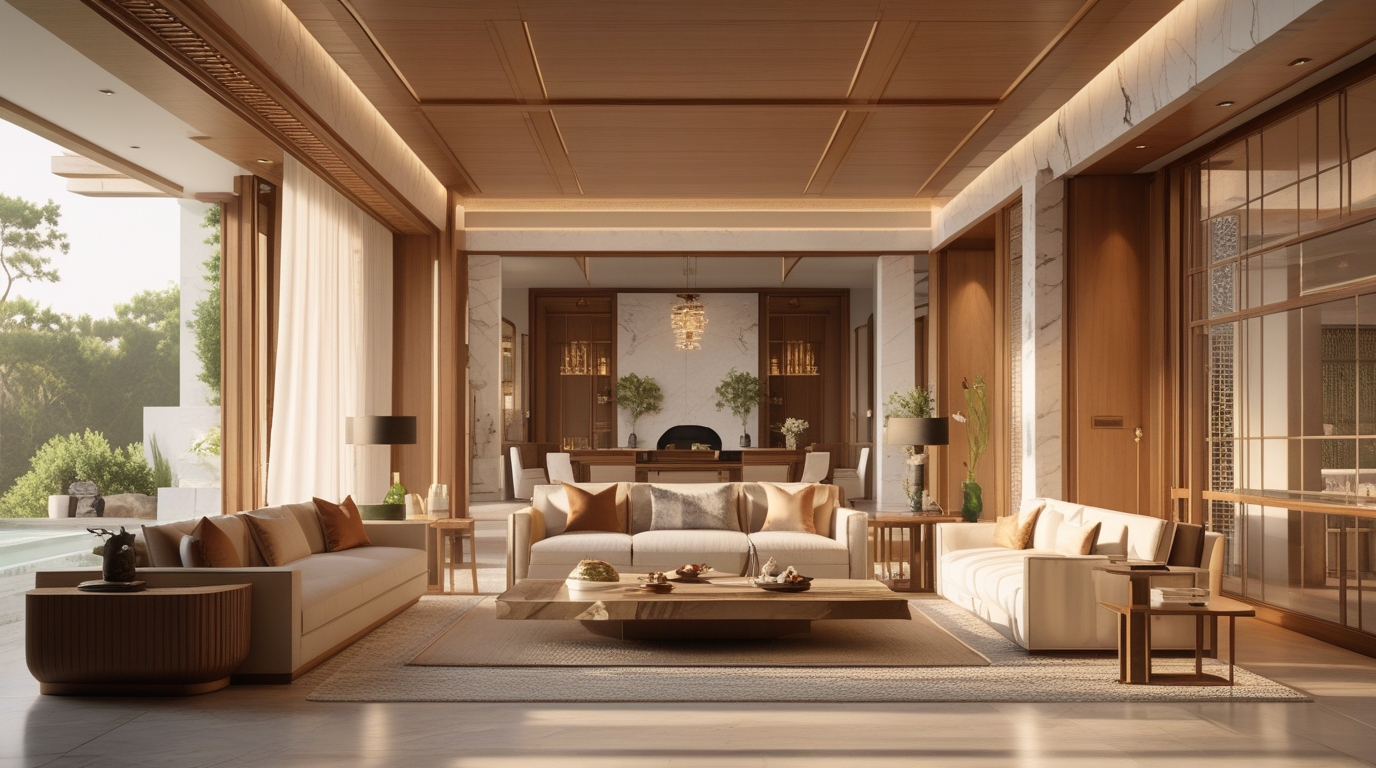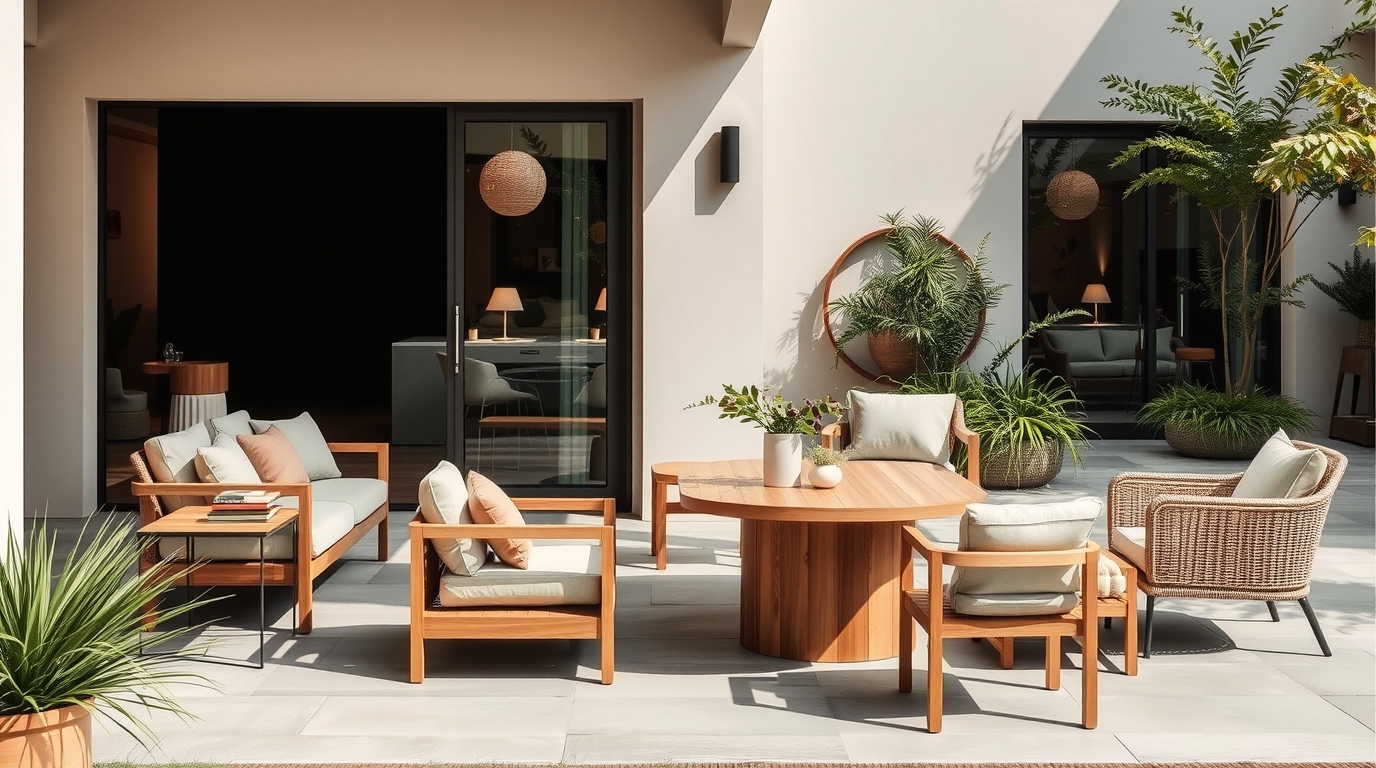
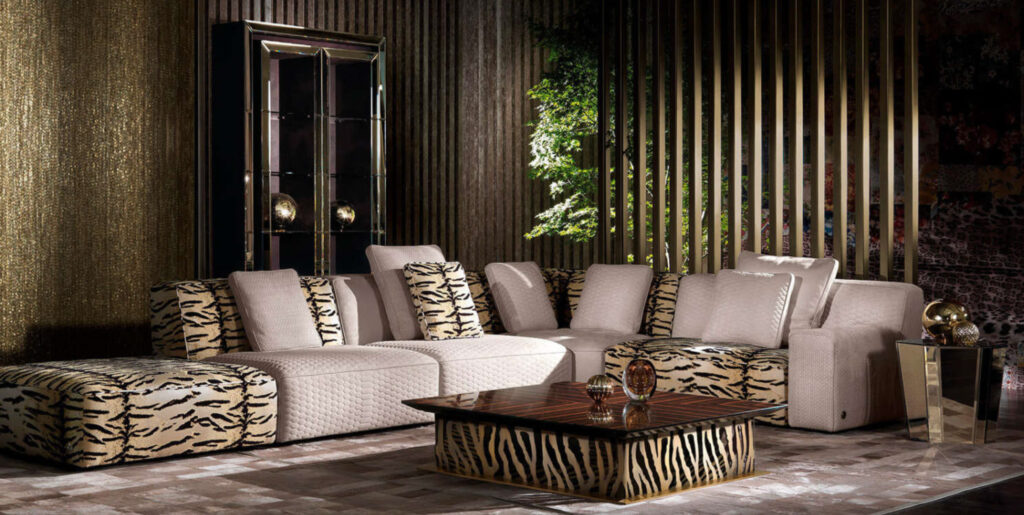
Exclusive furniture is difficult to sell through product information alone.
Customers often want to see the piece in context, understand its materials, appreciate its proportions and develop a sense of the craftsmanship behind it. They may also want to know who designed it, how it was made, where it fits within a wider interior and whether the company has produced work of a similar standard before making an enquiry.
Social media can provide that context.
For furniture brands, platforms such as Instagram, Facebook, Pinterest and YouTube can act as visual extensions of the showroom. They can introduce new collections, document craftsmanship, present completed interiors, explain materials and give prospective customers repeated opportunities to encounter the brand.
However, visibility is not the same as commercial performance.
A furniture business can publish attractive photographs every day and still generate little meaningful business from social media. The problem is often not the quality of the furniture. It is the absence of a clear strategy connecting visual content with customer interest, brand positioning, website traffic and enquiries.
For exclusive furniture brands, social media works best when it communicates what makes the collection worth considering.
That means showing more than the finished product.
It means showing the thinking, materials, craftsmanship, context and details that make the design distinctive.
1. Treat Social Media as an Extension of the Showroom
A physical showroom allows customers to experience furniture from different angles.
They can see scale.
They can examine finishes.
They can touch materials.
They can compare pieces.
They can speak with someone about customisation.
Social media cannot reproduce all of that, but it can provide a digital version of the discovery process.
A carefully photographed dining table can be shown in a complete interior.
A close-up can reveal the grain of the timber.
A short video can demonstrate a drawer mechanism.
A project photograph can show how several pieces work together.
A designer can explain the inspiration behind a collection.
The result is more than a product catalogue.
It becomes a sequence of visual and informational experiences that helps prospective customers understand the furniture.
This is particularly valuable for businesses selling high-value products where the customer may spend considerable time researching before making a decision.
2. Start With What Makes the Furniture Distinctive
Before deciding what to post, identify what actually differentiates the furniture.
That could be:
- distinctive design
- unusual materials
- specialist craftsmanship
- limited production
- custom dimensions
- unusual joinery
- heritage techniques
- designer collaborations
- sustainable material choices
- locally manufactured pieces
- particular finishes
- made-to-order production
- highly detailed upholstery
Social media content should repeatedly communicate these genuine points of difference.
This does not mean repeating the same sales message.
The same feature can become several different pieces of content.
For example, a furniture maker specialising in solid timber could create content showing:
The material
Where the timber comes from and why it was selected.
The process
How it is prepared and worked.
The detail
A close-up of the grain or joinery.
The finished piece
The completed product in a real interior.
The care
How the customer should maintain the material.
One product can therefore support an entire content story.
3. Use Photography to Create Desire
Photography is one of the strongest tools available to furniture brands on visual platforms.
But the objective should not simply be to make the furniture look attractive.
Good photography should communicate:
- proportion
- texture
- material
- scale
- colour
- craftsmanship
- relationship with the surrounding interior
A single product photograph against a plain background can be useful for catalogue purposes.
Lifestyle photography serves a different purpose.
It allows the customer to imagine the furniture in their own environment.
For example, a luxury armchair photographed in a carefully designed living room communicates considerably more than a product cutout alone. The surrounding lighting, flooring, textiles and architectural details provide context.
That context can influence how the viewer perceives the furniture.
4. Show Furniture in Real Interiors
Exclusive furniture becomes easier to understand when customers can see how it works within a complete space.
This is why project photography should form a significant part of a luxury furniture brand’s social media strategy.
Content can show:
- dining rooms
- living rooms
- bedrooms
- home offices
- entrance spaces
- hospitality interiors
- commercial projects
- architectural spaces
The furniture should remain visible, but the surrounding environment provides the context.
This is especially useful for larger or unusual pieces.
A customer might struggle to visualise the scale of a substantial sideboard from a studio image.
Placed within a real room, its proportions become easier to understand.
Project content can also demonstrate that the company understands interiors rather than simply manufacturing individual objects.
5. Make the Details Worth Stopping For
Luxury furniture often contains details that are easy to miss in a standard product photograph.
These details can become excellent social media content.
Consider:
- hand-finished edges
- timber grain
- stitching
- joinery
- handles
- metalwork
- upholstery details
- stone surfaces
- drawer interiors
- hardware
- curved forms
- concealed mechanisms
A close-up image accompanied by a useful explanation can communicate craftsmanship more effectively than another generic product photograph.
For example, instead of simply writing:
Beautiful craftsmanship in every detail.
Explain what the detail actually is.
A caption might describe how two materials meet, why a particular joint was selected or how a finish changes the appearance of the timber.
Specific information gives the audience something to learn.
That is more valuable than repeatedly describing products as luxurious, elegant or timeless.
6. Use Video to Show What Static Images Cannot
Video can reveal movement, process and scale.
A short video could show:
- a cabinet door opening
- a table extension mechanism
- upholstery being completed
- timber being shaped
- a finish being applied
- a piece being assembled
- furniture being installed
- a designer discussing a collection
- a showroom walkthrough
- a completed project
This does not require every piece of content to become a highly produced commercial film.
Simple, well-lit footage can be highly useful when it demonstrates something genuinely interesting.
For furniture businesses, process content can be particularly powerful because customers rarely see what happens between design and finished product.
A short workshop sequence can make craftsmanship tangible.
A detailed explanation from the maker or designer can also add credibility that a polished product photograph cannot provide on its own.
7. Tell the Story Behind the Design
Exclusive furniture often has a story.
It may have been inspired by:
- architecture
- a historical design movement
- a particular material
- a geographical landscape
- a manufacturing technique
- a functional problem
- a designer’s experience
- a specific interior requirement
That story can make the collection more meaningful.
The important point is to tell the story accurately.
Avoid inventing elaborate narratives simply because they sound luxurious.
If a chair was designed to solve a particular ergonomic problem, explain that.
If a collection was inspired by a building, explain the actual connection.
If a material was selected for a practical reason, explain why.
Authentic design stories give customers another reason to engage with the product.
8. Introduce the People Behind the Furniture
Furniture can be highly personal.
Customers may want to know who designs, makes, finishes or installs the pieces they are considering.
Social media provides an opportunity to introduce:
- designers
- furniture makers
- upholsterers
- craftspeople
- showroom staff
- installers
- founders
- creative directors
This does not mean turning every post into a personal profile.
Instead, people should appear where their expertise adds value.
A furniture maker explaining a particular construction technique can demonstrate knowledge.
A designer explaining why a collection uses a particular proportion can provide context.
A founder discussing the company’s approach to materials can communicate values.
This creates a more human brand without sacrificing premium positioning.
9. Build Content Around Materials
Materials provide an almost endless source of useful content for furniture brands.
A business might create content around:
- oak
- walnut
- ash
- marble
- natural stone
- leather
- linen
- wool
- brass
- stainless steel
- specialist veneers
- upholstery fabrics
Each material can support different types of content.
Education
Explain characteristics, maintenance and appropriate applications.
Inspiration
Show the material within completed interiors.
Craftsmanship
Demonstrate how it is processed or finished.
Comparison
Explain meaningful differences between available options.
Product application
Show which pieces use the material.
This helps turn social media from a stream of product announcements into a useful source of knowledge.
10. Use Collections Rather Than Only Individual Products
Posting one product after another can quickly become repetitive.
A better approach is to create themes around collections.
For example:
The Dining Collection
Show tables, chairs, lighting and complementary pieces together.
The Natural Materials Edit
Bring together furniture featuring timber, stone, leather and natural textiles.
A New Collection
Introduce the design philosophy before revealing individual products.
Inside a Recent Project
Show how several pieces were used within one completed space.
Collections help customers understand relationships between products.
They can also increase the likelihood that someone exploring one item discovers another relevant piece.
11. Create Content for Different Stages of the Buying Journey
Not everyone following a furniture brand is ready to purchase.
Some people are discovering the brand for the first time.
Others are actively researching a particular product.
Some are already considering an enquiry.
Social content should therefore address different stages.
Discovery content
Designed to introduce the brand and visual identity.
Examples include:
- collection photography
- design inspiration
- completed interiors
- short videos
Consideration content
Helps customers evaluate products.
Examples include:
- material comparisons
- dimensions
- finishes
- craftsmanship
- product demonstrations
- project examples
Decision-stage content
Helps reduce remaining uncertainty.
Examples include:
- customer projects
- testimonials
- showroom information
- delivery information
- consultation details
- product availability
This creates a more balanced social presence.
The feed does not have to become a continuous stream of “buy now” messages.
12. Use Social Media to Support Search and Website Traffic
Social media and SEO serve different functions, but they can support each other.
A social post can introduce a new furniture collection.
A customer interested in that collection can visit the website.
The website can provide detailed product information.
That customer may later search for the brand directly.
The social platform therefore becomes part of a longer discovery process.
The website remains important because it provides the depth that social media usually cannot.
A post may introduce a bespoke dining table.
The product page can then provide:
- dimensions
- materials
- finishes
- pricing
- lead time
- product photography
- enquiry options
This relationship should be deliberate.
Social media creates interest.
The website provides the information needed to evaluate the purchase.
13. Make Product Links and Calls to Action Relevant
A social post should not always send visitors to the homepage.
If the post features a specific dining table, link to that product where the platform and format allow it.
If the content discusses a collection, direct visitors to the collection.
If the post explains a completed project, send visitors to the project page.
If the subject is bespoke furniture, direct them towards the relevant enquiry or consultation route.
The closer the relationship between content and destination, the less work the customer has to do.
Calls to action should also match the content.
Examples include:
- Explore the collection
- View the full project
- Discover the materials
- See the complete product
- Read the design story
- Visit the showroom
- Request a consultation
- Enquire about this piece
The language should remain consistent with the brand.
Luxury does not require aggressive calls to action.
14. Use Pinterest for Long-Term Visual Discovery
Pinterest can be particularly relevant to furniture and interiors because users often use the platform to collect ideas for future spaces.
Furniture businesses can create useful collections around:
- dining room ideas
- luxury living rooms
- contemporary furniture
- bespoke interiors
- natural materials
- bedroom design
- home offices
- furniture details
- specific collections
The content should still connect back to the company’s own products and website.
The objective is not simply to collect impressions.
It is to make the furniture discoverable when people are researching interiors and developing their preferences.
15. Use Instagram for Visual Brand Building and Product Discovery
Instagram’s visual nature makes it particularly suitable for furniture.
A strong furniture account might combine:
- finished interiors
- individual products
- Reels
- Stories
- workshop footage
- material details
- designer content
- customer projects
- collection launches
The format can change while the brand remains consistent.
The feed should not look like a catalogue that simply repeats product photographs.
Equally, it should not become so editorial that customers struggle to understand what the company actually sells.
The strongest balance is usually achieved when brand storytelling and commercial clarity support one another.
16. Use Facebook as Part of a Broader Customer Journey
Facebook can remain useful for furniture businesses, particularly where the audience includes established homeowners, local customers and people researching projects.
Content can include:
- new collections
- completed projects
- showroom events
- product launches
- videos
- customer stories
- useful articles
- seasonal collections
The important consideration is not whether every post receives large engagement.
It is whether the platform contributes to awareness, website visits, enquiries or ongoing customer relationships.
Different businesses will see different results depending on their audience and customer base.
17. Consider Paid Social for Specific Commercial Objectives
Organic social media can build an audience over time.
Paid social can provide additional reach and targeting options.
For furniture businesses, paid campaigns might be used to:
- introduce a new collection
- promote a showroom event
- reach previous website visitors
- promote a specific product category
- support a seasonal campaign
- generate consultation enquiries
However, paid social should be evaluated according to its objective.
A campaign designed for awareness should not necessarily be judged using the same measures as a campaign designed to generate enquiries.
The important question is:
What commercial or marketing outcome was the campaign designed to support?
18. Use Remarketing Carefully
Furniture purchases often involve considerable research.
A prospective customer might discover a product today and make a decision several weeks later.
Remarketing can help maintain visibility among people who have already interacted with the brand or website, subject to appropriate platform settings, consent requirements and privacy obligations.
A customer who viewed a particular collection may later see relevant content reminding them of the range.
The creative should add value rather than simply repeat the same advertisement.
For example, someone who previously viewed a sofa could be shown:
- a completed project featuring the sofa
- fabric options
- a product demonstration
- a designer explanation
- a related collection
This can provide another reason to return to the website.
19. Turn Customer Homes Into Social Proof
Completed customer projects are valuable because they demonstrate the furniture in real environments.
With appropriate customer permission, brands can feature:
- finished rooms
- installation photographs
- customer styling
- bespoke configurations
- before-and-after transformations
- short customer comments
This is different from simply publishing a product image.
The customer can see how the furniture functions in an actual home.
It can also demonstrate that the business has experience delivering projects rather than simply producing catalogue imagery.
Testimonials should remain genuine and accurately attributed.
20. Use Social Media to Explain Bespoke Services
Bespoke furniture requires more explanation than standard products.
Customers may not understand:
- what can be customised
- how the process works
- whether a designer is involved
- how measurements are taken
- how finishes are selected
- how long production takes
- whether installation is available
- how much flexibility exists around dimensions
Social media provides an excellent format for answering these questions.
A series might be titled:
How Our Bespoke Process Works
Post 1: Initial consultation.
Post 2: Measurements and requirements.
Post 3: Design development.
Post 4: Materials and finishes.
Post 5: Manufacturing.
Post 6: Installation.
This transforms an unfamiliar process into something the customer can understand.
21. Do Not Confuse Engagement With Commercial Success
Likes and comments are easy to measure.
They are not necessarily the most important outcomes.
A furniture brand should consider a wider set of measures, depending on its objectives:
- website visits
- product page views
- collection views
- enquiries
- consultation requests
- showroom visits
- catalogue downloads
- qualified leads
- assisted conversions
- sales
- repeat customers
A post may receive relatively modest public engagement but lead several high-value customers to the website.
Another post may receive thousands of likes from people who have no realistic intention of purchasing.
This is why social media reporting needs commercial context.
The right measurement framework depends on what the business is trying to achieve.
22. Build a Content System Instead of Chasing Daily Posts
Furniture companies do not necessarily need to publish every day.
The priority should be useful, high-quality content that can be produced consistently.
A practical monthly content system could include:
Product content
New pieces and important products.
Project content
Completed interiors and installations.
Craftsmanship content
Manufacturing and detail.
Material content
Timber, stone, leather, fabric and finishes.
Designer content
People, inspiration and design decisions.
Educational content
Answers to common furniture questions.
Brand content
Showroom, company history and values.
This gives the brand a balanced presence.
It also makes content planning easier because the company is not starting from a blank page every week.
23. Repurpose Strong Content Across Channels
A professionally photographed project can provide months of useful marketing material.
One project might become:
- an Instagram carousel
- a short Reel
- a website case study
- a Pinterest collection
- a Facebook post
- an email feature
- an SEO article
- a product-page gallery
The important point is to adapt the content to each channel rather than copying the exact same post everywhere.
This makes the original investment in photography and project documentation more valuable.
For luxury furniture businesses, professional photography can therefore serve as a core marketing asset rather than content that is used once and forgotten.
24. Protect the Brand’s Visual Consistency
Exclusive furniture brands need a recognisable visual identity.
That does not mean every photograph must look identical.
It means customers should recognise the brand through elements such as:
- photography style
- typography
- colour treatment
- composition
- tone of voice
- graphic design
- editing style
- presentation of products
Consistency matters because social media is often where prospective customers encounter the brand before visiting the website.
If the social feed looks premium but the website looks completely different, the customer may experience a disconnect.
The same applies in reverse.
The brand should feel coherent across the entire customer journey.
25. Avoid Turning Luxury Social Media Into a Sales Catalogue
One of the easiest mistakes is making every post promotional.
A feed consisting of:
New product. Buy now.
New product. Buy now.
New product. Buy now.
does little to explain why the furniture deserves attention.
Luxury customers often need context.
Show the material.
Show the process.
Show the designer.
Show the project.
Show the detail.
Explain the decision.
Demonstrate the product.
Then give the customer a route to explore further.
The commercial message becomes stronger because it is supported by useful information.
26. Common Social Media Mistakes for Luxury Furniture Brands
Posting without a defined purpose
Not every piece of content needs to sell immediately, but every content category should have a reason for existing.
Relying on product cutouts
Catalogue imagery alone rarely communicates the full value of luxury furniture.
Using generic captions
Words such as “beautiful”, “luxurious” and “timeless” are weak when they are not supported by specific information.
Ignoring craftsmanship
The making process can be one of the strongest points of differentiation.
Showing only finished products
Customers also want to understand materials, process and application.
Chasing engagement
High interaction does not automatically translate into high-value enquiries.
Publishing inconsistently
Long periods of inactivity can make a brand appear less established.
Overposting
More content is not necessarily better if quality and relevance decline.
Failing to connect social media with the website
The audience should have an easy path from inspiration to detailed product information.
Using poor-quality imagery
Luxury positioning becomes difficult to maintain when photography does not represent the quality of the furniture.
27. A Practical Social Media Framework for Exclusive Furniture Brands
A structured approach can make social media easier to manage.
Stage 1: Define the visual proposition
Identify the design language, materials, craftsmanship and customer experience the brand wants to communicate.
Stage 2: Establish content pillars
Create consistent categories such as products, projects, materials, craftsmanship, designers and education.
Stage 3: Build a visual asset library
Organise product photography, project photography, videos, workshop footage and detail shots.
Stage 4: Match content to the customer journey
Use inspirational content for discovery, educational content for consideration and project evidence or consultation information for decision-making.
Stage 5: Connect content to the website
Where appropriate, link directly to relevant products, collections, projects or enquiry pages.
Stage 6: Reuse strong content
Adapt high-value photography and video into multiple useful formats.
Stage 7: Measure commercial outcomes
Track website activity, enquiries, qualified leads and sales alongside platform-level engagement.
This approach makes social media part of a broader digital marketing system rather than an isolated publishing task.
Social Media Should Make the Furniture Easier to Understand
Exclusive furniture benefits from visual storytelling because customers are not simply buying an object.
They are considering design, materials, craftsmanship, proportions, functionality and how the piece will exist within their own environment.
Social media can bring those qualities to life.
A carefully photographed room can demonstrate scale. A close-up can reveal craftsmanship. A workshop video can explain the making process. A designer interview can provide context. A completed customer project can demonstrate how the furniture works in practice.
The most useful social strategy therefore goes beyond publishing attractive photographs.
It creates a connected body of content that helps customers discover the brand, understand its products, evaluate quality and move towards the next stage of the buying journey.
The website remains an important part of that journey. Social media can create interest, but detailed product information, collections, project pages, enquiry forms and purchasing facilities generally need to live on the company’s own digital property.
For luxury furniture businesses, the objective should not be to maximise the number of posts or chase engagement for its own sake. It should be to build a credible visual presence that supports brand recognition, product discovery, customer education and commercial opportunities.
When photography, video, craftsmanship stories, project content and useful information work together, social media becomes much more than a place to display furniture.
It becomes a digital showroom that customers can revisit throughout the decision-making process.
Home & Lifestyle Marketing Co specialises in digital marketing for home and lifestyle businesses, including furniture and interiors. If your furniture brand needs a stronger social media presence that connects visual storytelling with website traffic, enquiries and wider digital marketing activity, a structured review of your content, channels and customer journey can identify where the strongest opportunities lie.
To learn more, please visit www.hlmco.com.au