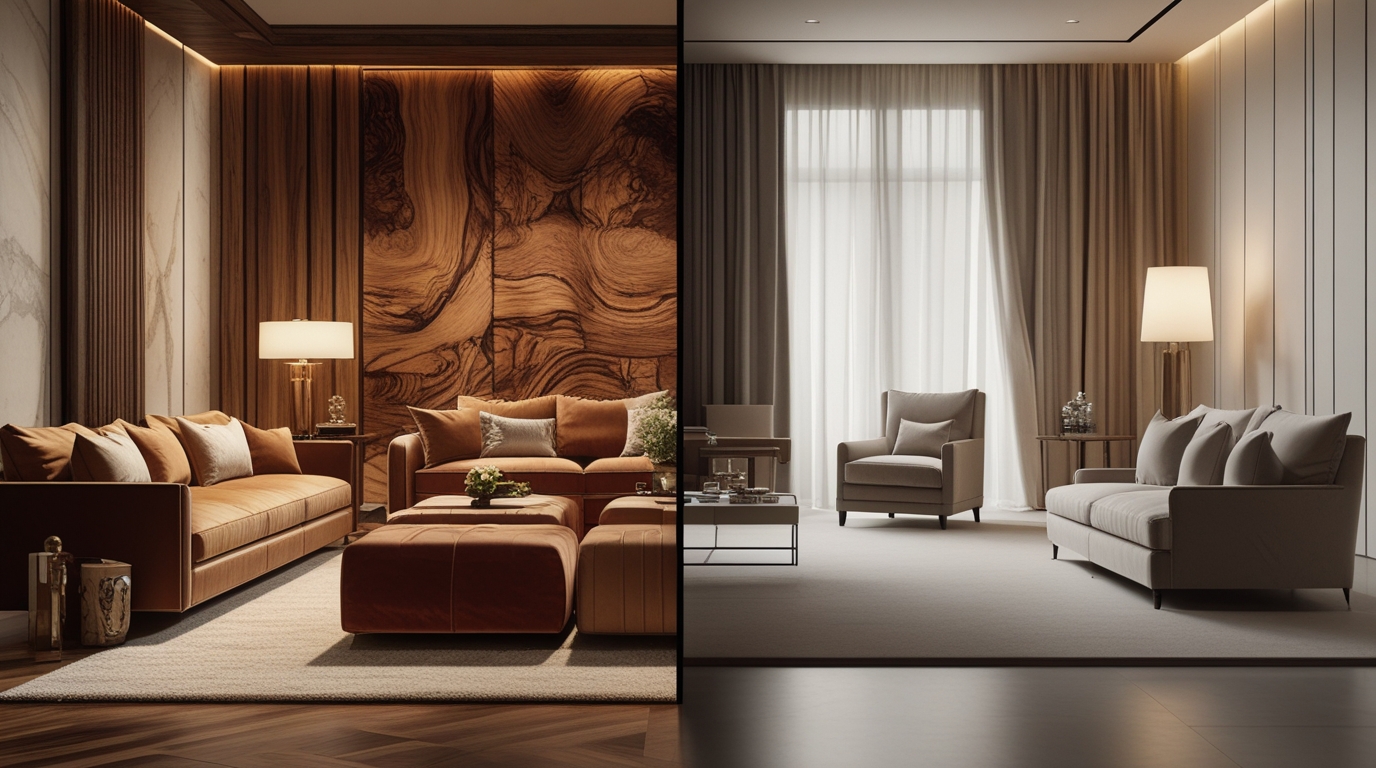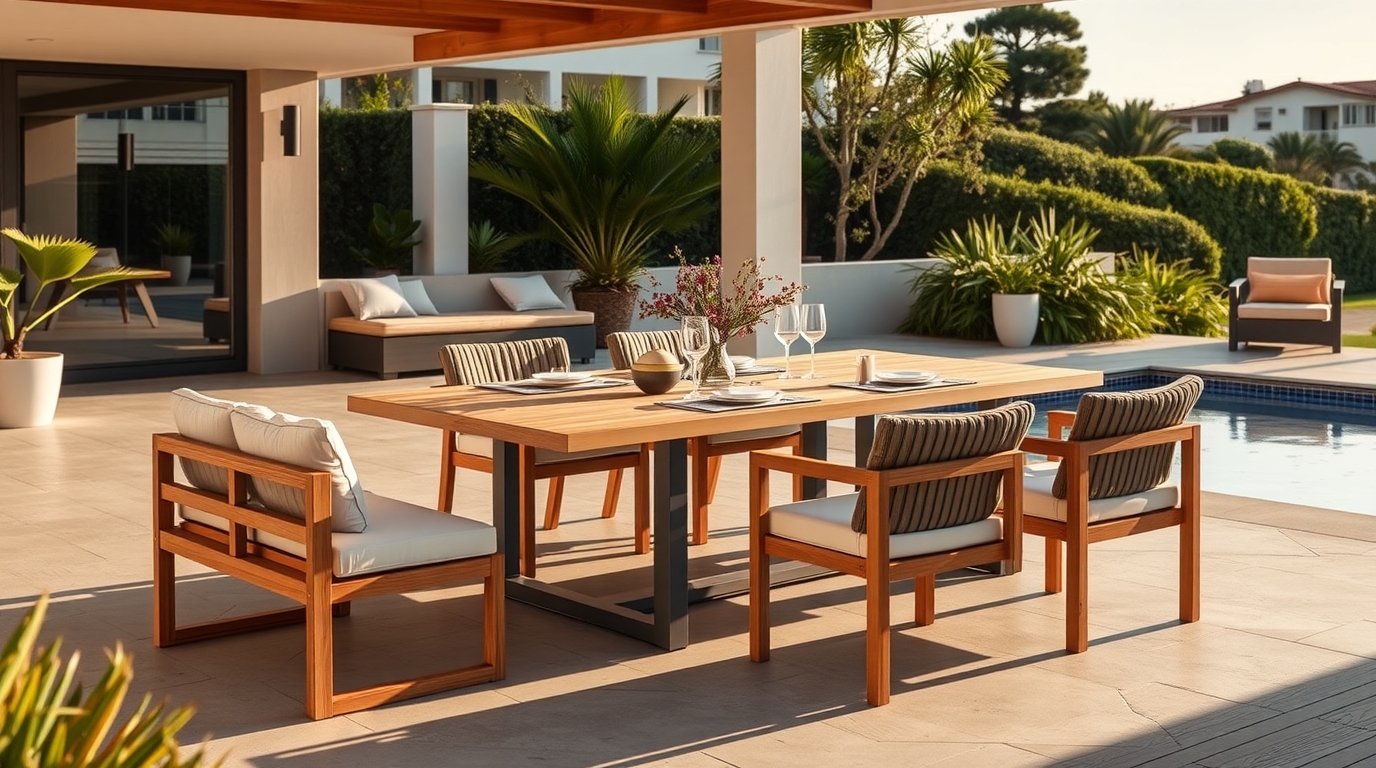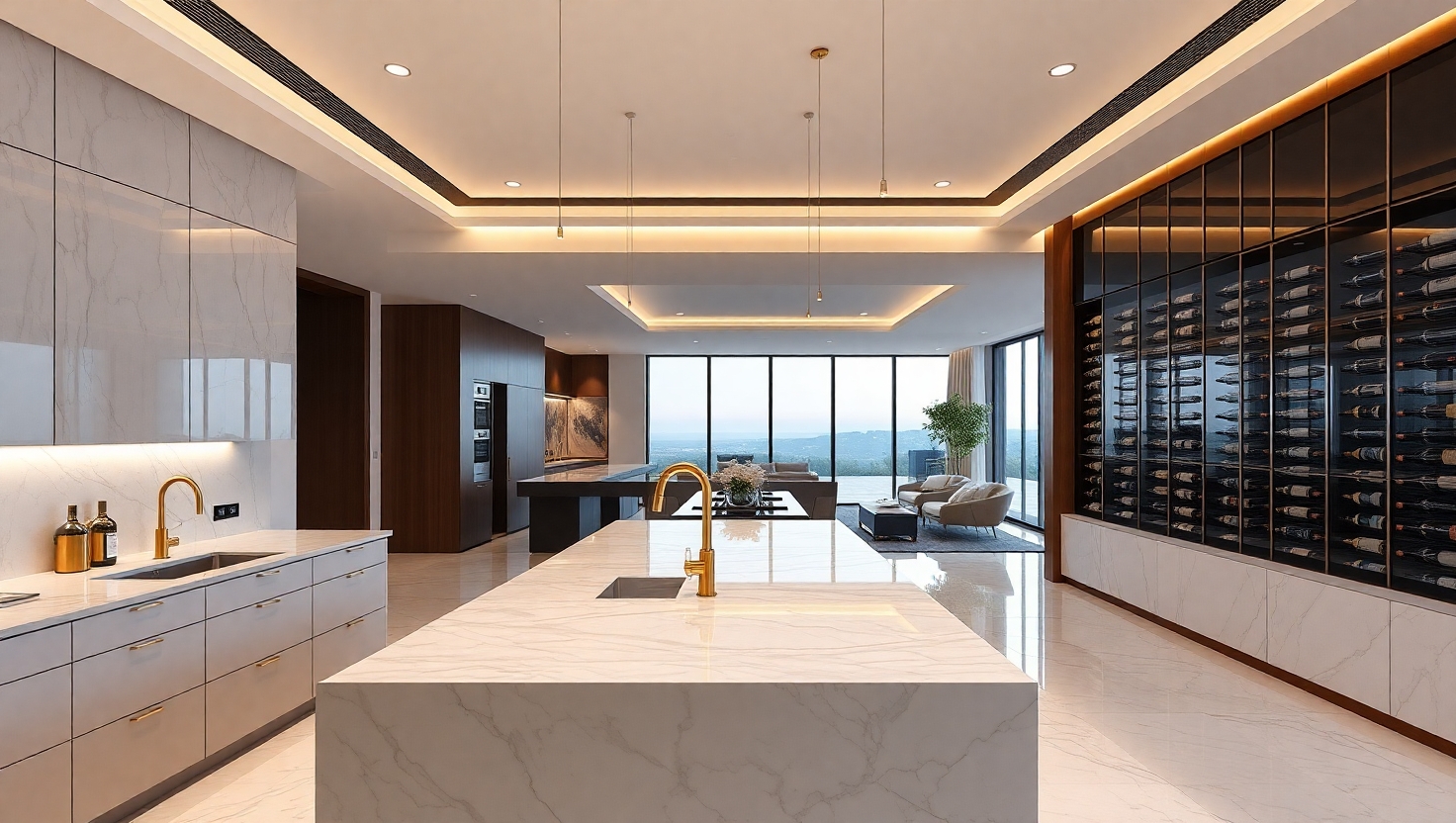

Luxury property is almost absurdly well suited to social media.
Architect-designed homes, waterfront properties, premium interiors, landscaped gardens, dramatic views, material details and beautifully resolved living spaces all produce the kind of visual content people naturally stop to inspect.
That gives luxury real estate agencies, architecture practices, property developers and design-led property businesses an advantage.
They already have visually interesting subject matter.
But visual appeal alone does not create a strong luxury brand.
An Instagram account can contain flawless photography, careful typography and enough polished concrete to construct a small civic centre while still giving prospective clients very little reason to trust the business behind it.
Luxury property branding through social media should therefore do more than make the audience think:
“That looks expensive.”
It should gradually help them think:
“This business understands high-value property.”
Then:
“They have experience with the sort of project or property I care about.”
And eventually:
“I would trust them enough to make contact.”
That progression is where social media becomes commercially useful.
Social Media Has Significant Reach in New Zealand
Social media is deeply embedded in New Zealand’s wider digital environment.
DataReportal’s Digital 2026 New Zealand report estimates that there were 4.24 million social media user identities in the country in October 2025, equivalent to 80.6% of the total population.
Among adults, advertising-platform data indicated approximately 3.71 million social media user identities aged 18 and over, equivalent to 90.2% of New Zealand’s adult population.
The report also estimated:
- Facebook advertising reach of around 3.45 million people
- Instagram advertising reach of around 2.65 million
- TikTok advertising reach of around 2.04 million adults
- LinkedIn advertising reach based on approximately 3.30 million registered members
These are advertising-platform estimates and should not be interpreted as perfectly de-duplicated active-user counts, but they illustrate the scale of social media’s presence in New Zealand.
For luxury property businesses, this matters because potential clients do not exist inside one isolated marketing channel.
They move between:
- property portals
- websites
- YouTube
- offline referrals
Social media often sits somewhere in the middle of that journey.
Luxury Property Decisions Usually Take Time
A person selling a premium home may not choose an agency after seeing one post.
Someone considering a major architectural project may follow a practice for months before contacting it.
A buyer interested in a luxury development may:
- See a project on Instagram.
- Visit the development website.
- Return to social media.
- Watch construction updates.
- Read about the architect.
- Request more information several weeks later.
The commercial value of social media therefore often lies in repeated exposure and reassurance rather than immediate conversion.
That makes luxury social media fundamentally different from direct-response advertising for low-cost consumer products.
Start With Brand Positioning
Before deciding what to post, the business needs to understand what it wants to be known for.
A luxury real estate agency might want to build authority around:
- architecturally significant homes
- coastal property
- high-value vendor representation
- discreet premium sales
- city apartments
An architecture practice may focus on:
- contemporary residential architecture
- coastal homes
- high-end renovations
- difficult sites
- lifestyle properties
A developer may want to communicate:
- architectural quality
- premium locations
- strong project teams
- careful material selection
Social media should reinforce that position repeatedly.
If the brand claims to specialise in refined architectural property but half the feed contains unrelated generic lifestyle quotes, the positioning becomes weaker.
Consistency does not require repetition.
It requires coherence.
Luxury Branding Requires More Than Expensive-Looking Photography
Beautiful photography matters.
But the strongest luxury content combines:
visual quality
with:
meaning.
A photograph of a contemporary home may attract attention.
A caption explaining:
- why the home was oriented in a particular direction
- how the design handles coastal exposure
- what material was selected
- how privacy was balanced with views
adds expertise.
Likewise, a premium real estate post should not merely say:
“An extraordinary residence.”
It can explain what makes the property distinctive.
For example:
- architecture
- landscape
- location
- craftsmanship
- spatial quality
- outlook
The audience should leave knowing more than they did before.
Tell Project Stories
Luxury branding becomes stronger when social content explains projects rather than simply displaying them.
An architectural project can be broken into several stories.
The Site
Explain:
- orientation
- views
- slope
- access
- weather
The Client Brief
What did the owners want?
The Design Response
How did the project address the brief?
Material Selection
Why were particular materials chosen?
The Finished Experience
How does the completed home function?
One project can therefore generate many pieces of high-quality content without inventing random filler.
Show the Problem as Well as the Result
Finished photographs are seductive because everything looks effortless.
Premium work rarely is.
Behind a successful architectural or property outcome may be:
- complex planning
- difficult land
- construction constraints
- limited access
- heritage considerations
- privacy challenges
- weather exposure
Sharing some of that context demonstrates expertise.
The finished result then has more meaning.
Architects Should Show Design Thinking
For architecture practices, social media is an opportunity to show how design decisions are made.
Content might include:
- sketches
- models
- plans
- material studies
- site observations
- construction details
A post might explain:
Why we positioned the living areas on this side of the house
or:
How we approached privacy on a compact urban site
This is far more valuable than posting another finished kitchen with a caption consisting mainly of adjectives.
Premium clients are evaluating thought, not merely taste.
Luxury Real Estate Agencies Can Show Marketing Capability
For premium agencies, every property campaign is also evidence of how future vendors may be represented.
A seller may look at social media and ask:
- How do they photograph homes?
- How do they write about properties?
- Do they understand architectural quality?
- Does their marketing look generic?
- Would I want my own home presented this way?
That means social media is not only attracting buyers.
It is also selling the agency’s marketing capability to potential vendors.
Property Developers Can Build Confidence Before Completion
Developers have a particularly useful opportunity because social media can document the project over time.
Content may include:
- site preparation
- architectural design
- material selection
- construction milestones
- interiors
- landscaping
- completion
For off-plan or under-construction projects, this ongoing visibility can help potential buyers understand that progress is real and the team is active.
That is much more useful than disappearing for six months and returning with:
“Exciting things are happening.”
What things, exactly?
Premium buyers generally enjoy evidence.
Use Video to Show Space
Property is three-dimensional.
Photography captures moments.
Video can communicate movement.
A short project walkthrough can show:
- arrival
- circulation
- room connections
- views
- indoor-outdoor flow
- scale
For architecture, this helps viewers understand design.
For real estate, it helps buyers understand the property.
For developers, it can show progress and completed spaces.
Short-Form Video Can Still Feel Premium
Short-form video does not have to mean frantic editing and trending audio.
Luxury brands can use short video for:
- architectural details
- slow walkthroughs
- property introductions
- construction updates
- designer commentary
- neighbourhood context
The style should fit the brand.
Premium does not mean boring.
But it also does not mean every architect needs to point at floating text while dancing beside a concrete wall.
Civilisation can survive without that innovation.
Long-Form Video Has a Different Role
Some subjects deserve more time.
Examples include:
- full property tours
- architect interviews
- development presentations
- neighbourhood guides
- project case studies
These may work well on:
- YouTube
- website
Longer formats can deepen trust with already interested prospects.
Instagram Can Function as a Visual Portfolio
Instagram is particularly suited to architecture, interiors and luxury property.
DataReportal estimates that Instagram’s potential advertising audience in New Zealand reached around 2.65 million users in late 2025, equivalent to approximately 63.2% of New Zealand adults according to Meta’s advertising data.
A strong profile should quickly communicate:
- what the business does
- the quality of its work
- where it operates
- how to learn more
Highlights might include:
- Projects
- Properties
- Architecture
- Developments
- Process
- Team
- Reviews
- Media
- Contact
The profile should feel like a curated extension of the website.
Facebook Can Still Support Property Audiences
Facebook’s estimated advertising reach in New Zealand remained substantial in late 2025, with Meta’s tools indicating around 3.45 million users.
It may be useful for:
- project galleries
- longer property posts
- market commentary
- local community visibility
- paid campaigns
The right platform mix depends on the actual audience.
Luxury brands should resist the human urge to create seven social accounts simply because somebody made a checklist.
LinkedIn Can Support Professional Authority
LinkedIn is particularly relevant to:
- architects
- developers
- property consultants
- design professionals
Content can include:
- project milestones
- industry insight
- professional appointments
- collaborations
- planning commentary
- commercial achievements
DataReportal notes that LinkedIn’s advertising tools reported approximately 3.30 million registered members in New Zealand in late 2025, though those membership figures should not be compared directly with monthly active-user estimates from other platforms.
For B2B property relationships, LinkedIn may serve a very different role from Instagram.
Platform Selection Should Follow the Customer
A luxury residential architecture practice might focus on:
- YouTube
A high-end real estate agency might prioritise:
- YouTube
A premium developer might use:
- YouTube
There is no universal platform formula.
The correct questions are:
- Where are our prospects?
- What type of content can we produce consistently?
- Which platform supports our customer journey?
Use New Zealand Context Naturally
Premium property content should feel recognisably local.
Useful settings may include:
- Auckland apartments
- Wellington hillside homes
- Queenstown residences
- coastal Bay of Plenty property
- Christchurch architectural homes
- rural lifestyle properties
The content can also discuss:
- coastal weather
- views
- indoor-outdoor living
- local architecture
- landscape
These details help the brand feel connected to real New Zealand property rather than an international luxury template with “NZ” pasted into the biography.
Show the People Behind the Work
Premium property decisions involve relationships.
Clients want to know who they may be dealing with.
Useful team content might include:
- architect commentary
- property agent market insights
- developer interviews
- designer explanations
- construction team expertise
The emphasis should remain professional.
A team post does not need to reveal everyone’s favourite coffee order.
Specific expertise is more commercially useful.
Build Authority Through Educational Content
Luxury branding should not be purely visual.
Expert posts might address:
Architecture
- designing coastal homes
- major renovation planning
- material selection
- architect-client process
Property
- preparing premium homes for market
- property presentation
- architecture and value
- campaign strategy
Development
- project design
- materials
- planning process
- construction progress
This helps the business become associated with knowledge.
Use Captions to Add Value
A good caption should contribute something the photograph cannot.
For example:
Photo: Large window overlooking coastal landscape.
Weak caption:
“Designed to connect with nature.”
Better caption:
Explain how the orientation, glazing and sheltered outdoor area were developed around views while managing weather exposure.
The second demonstrates thought.
Luxury audiences do not need endless poetry about spaces “whispering to the landscape”.
They need reasons to believe the business knows what it is doing.
Social Media Can Strengthen Search Behaviour
A prospective client may first discover a business on Instagram, then search the company name on Google.
They may examine:
- website
- project pages
- Google Business Profile
- reviews
- media coverage
That means social media contributes to branded search and wider digital trust.
The channels reinforce each other.
The Website Must Match the Social Brand
If premium social content directs users to a website with:
- weak photography
- poor mobile design
- outdated projects
- broken forms
the brand experience collapses.
The website should continue the same:
- quality
- tone
- positioning
- credibility
Social media creates curiosity.
The website usually needs to do the heavier commercial work.
Send Traffic to Relevant Pages
Do not direct every social post to the homepage.
A project post might link to:
- complete case study
A property post:
- listing page
A development post:
- project page
An architecture education post:
- relevant guide
This creates continuity.
Social Proof Can Strengthen Premium Positioning
Testimonials and reviews can help reduce perceived risk.
Potential clients may value feedback about:
- communication
- professionalism
- design process
- campaign management
- responsiveness
- market knowledge
But reviews need to be genuine.
The New Zealand Commerce Commission states that online reviews must reflect real experiences and should not be presented in a way that misleads consumers about their overall meaning.
Fake Reviews Carry Real Risk
The issue is not theoretical.
In August 2026, the Commerce Commission reported that The TV Shop was ordered to pay NZ$1.104 million for conduct that included staff members posting positive reviews without disclosing their relationship with the company.
The Commission also found that some negative reviews had been systematically withheld.
The case was not about luxury property, but the broader lesson applies.
If social proof is being used to influence consumer confidence, it needs to be genuine.
Testimonials Should Not Be Selectively Distorted
A business should not take a qualified or mixed testimonial and edit it until it appears to be unqualified praise.
The Commerce Commission’s guidance emphasises presenting reviews in a way that does not mislead readers about the reviewer’s intended message.
Luxury branding depends heavily on trust.
Manipulating evidence to create trust is a remarkably efficient way to undermine it.
Influencer Partnerships Need Clear Disclosure
Luxury property businesses may collaborate with:
- home influencers
- renovators
- interior designers
- architects
- lifestyle creators
- travel or accommodation creators
Where content involves payment or another commercial benefit and advertiser control, it may constitute advertising.
The New Zealand Advertising Standards Authority says audiences should be able to recognise advertising when they first encounter it.
A disclosure hidden in a creator’s biography is not sufficient if the post itself does not make the commercial relationship clear.
Common clear labels include terms such as:
- Ad
- Advert
- Advertisement
according to ASA guidance.
Gifted Products and Services Can Still Create Advertising
A creator does not necessarily need to receive cash.
A commercial arrangement may involve:
- free accommodation
- furniture
- design services
- hosted experiences
- complimentary products
The relevant question is whether the arrangement creates advertising under the ASA’s rules.
Luxury lifestyle brands should therefore agree on disclosure requirements before publishing campaigns.
Advertising Rules Apply Across Social Media
The ASA confirmed in its 2026 annual-report release that New Zealand advertising regulation remains platform-neutral.
Its codes apply regardless of where an advertisement appears, including digital, social and influencer advertising.
The ASA’s business guidance similarly states that advertising rules apply across:
- websites
- social media
- influencer content
- traditional media
for businesses of all sizes.
Instagram does not exist in a separate legal universe simply because the typography is tasteful.
Image Advertising Can Still Create Misleading Impressions
The Commerce Commission specifically recognises “image advertising”, where businesses use imagery to create favourable associations.
It warns that where such advertising creates an impression about a product or business, that impression still needs to be supportable.
This matters for luxury branding.
For example, a business should be careful not to create a misleading impression that:
- it designed a project it did not design
- it sold a property it did not sell
- it represents clients it does not represent
- it has awards or endorsements it does not hold
Credit Project Partners Properly
Architecture and property content often involves several parties:
- architect
- builder
- interior designer
- landscape architect
- photographer
- stylist
Credits should be accurate.
This supports:
- professional relationships
- transparency
- brand credibility
It also reduces confusion about who actually did what.
Awards Should Be Specific
If a practice has won an award, identify:
- award
- category
- year
The Commerce Commission states that claims about past success, qualifications, memberships and endorsements must be truthful and current.
Specificity is better branding anyway.
Winner, 2025 Residential Architecture Award
is more credible than permanently placing:
Award-Winning
beside the logo until the end of civilisation.
Avoid Unsupported Superiority Claims
Luxury marketing often gravitates toward:
- the best
- unrivalled
- leading
- unmatched
Commerce Commission guidance says businesses need reasonable grounds for claims and should rely on credible evidence rather than unsupported assertions.
More meaningful statements include:
- years of relevant experience
- specific project specialisation
- real geographic expertise
- verified awards
Concrete evidence feels more premium than shouting “premium”.
Use Paid Social to Amplify Strong Content
Organic social media will not necessarily reach everyone a business wants.
Paid social can expand selected content.
Campaign objectives may include:
Brand Awareness
Introduce the practice or development to relevant audiences.
Project Promotion
Promote a particular property or development.
Website Traffic
Drive audiences toward project pages.
Lead Generation
Encourage viewing requests, registrations or consultations.
The creative and measurement should match the objective.
Paid Campaigns Need a Destination
A luxury property ad should not end with a social impression.
The next step might be:
- view property
- explore development
- read project case study
- request brochure
- enquire privately
The landing page should continue the same message.
Remarketing Can Support Long Consideration Periods
Someone may view a luxury project today and return weeks later.
Remarketing can reinforce the relationship with:
- project videos
- testimonials
- development updates
- relevant editorial content
The goal is familiarity.
Not stalking.
If someone sees the same apartment advertisement during breakfast, lunch and an unrelated search for garden hoses, restraint may have left the building.
Use Different Creative at Different Stages
An early-stage prospect may respond to:
- project imagery
- architectural storytelling
A more engaged prospect may need:
- case study
- detailed property tour
- testimonial
- brochure
A serious prospect may respond to:
- private viewing
- consultation
- enquiry
Social content should reflect where people are in the decision.
Social Media Can Support Property Launches
For a new luxury listing or development, social content can create a sequence.
Before Launch
- detail
- teaser imagery
- architecture
Launch
- full property
- video
- listing information
During Campaign
- design features
- neighbourhood
- walkthrough
- media feature
This gives the campaign depth rather than publishing one property post repeatedly.
Avoid Artificial Scarcity
Luxury property naturally involves scarcity.
A unique home genuinely is unique.
A development may genuinely have only a few residences remaining.
But claims such as:
- last chance
- only one remaining
- high demand
should be accurate.
The Commerce Commission requires online scarcity and popularity claims to be clear, accurate and capable of substantiation.
Do not manufacture urgency simply because conversion consultants enjoy countdown timers.
User-Generated Content Can Add Authenticity
A completed architecture client or development resident may share their experience.
With appropriate permission, businesses may reuse selected material.
This can provide a different kind of proof from professional campaign content.
The relationship should still be represented honestly.
Avoid Over-Polishing Everything
Luxury brands often fear showing anything less than perfect.
But process can make a brand more credible.
Suitable behind-the-scenes content might show:
- site visit
- material review
- team meeting
- construction progress
- photography preparation
The objective is not casualness.
It is evidence of work.
Content Frequency Should Reflect Quality
A luxury property business does not necessarily need to post every day.
A useful schedule depends on:
- project volume
- available content
- audience
- resources
One strong project story can provide more brand value than ten generic posts.
Posting frequently simply to satisfy an algorithm myth is not strategy.
It is administrative cardio.
Build a Content System Around Each Project
One completed architecture project might generate:
- Hero image
- Exterior carousel
- Interior carousel
- Design-challenge post
- Material-detail post
- Architect commentary
- Short walkthrough
- Full website case study
- LinkedIn professional story
- YouTube project video
A luxury property listing might generate:
- announcement
- architecture feature
- interior feature
- neighbourhood story
- video tour
- agent commentary
This creates efficient, consistent content.
Repurpose, but Adapt
The same underlying project can appear across platforms.
But the format should change.
Instagram may prioritise:
- visual storytelling
LinkedIn:
- professional insight
YouTube:
- deeper video
Facebook:
- property galleries and community reach
Copying one identical post everywhere is technically efficient.
It is also a fine way to pretend platforms have no differences.
Measure More Than Followers
Luxury brands should not judge social media solely by:
- followers
- likes
- impressions
Those numbers provide context.
Commercially useful indicators may include:
- saves
- shares
- profile visits
- branded searches
- website visits
- brochure requests
- property enquiries
- appraisal enquiries
- consultation requests
For long customer journeys, social media may assist rather than directly produce the final conversion.
Saves Can Signal Planning Intent
In architecture and property, a save can be interesting.
Someone saving:
- a renovation project
- coastal architecture
- a development
- interior design
may be building a reference collection.
That does not make every save commercially valuable.
But it can indicate deeper interest than a casual like.
Website Traffic Shows Stronger Intent
If social audiences regularly move from posts to:
- project pages
- service pages
- listings
that indicates stronger engagement.
Businesses should use analytics to understand what happens after the click.
Track Enquiry Source, but Accept Imperfect Attribution
A premium client may:
- See an Instagram project.
- Follow the account.
- Visit the website twice.
- Search Google several weeks later.
- Enquire.
The final conversion may be attributed to Google.
Social media still played a role.
That is why premium branding should be evaluated across the wider customer journey.
Social Media and SEO Reinforce Each Other
Strong project content can be expanded into:
- case studies
- articles
- website pages
Those assets can support SEO.
Meanwhile, people discovering the business through organic search may inspect social profiles before making contact.
The channels build confidence together.
Social Media and Google Ads Also Play Different Roles
Google Ads often captures existing high-intent demand.
Social media can:
- create familiarity
- demonstrate style
- reinforce trust
Someone who has already seen a practice repeatedly on social media may respond differently when they later encounter a Google search ad.
Brand and demand capture are connected.
Social Media Should Not Replace the Website
Social platforms are rented environments.
Algorithms change.
Features change.
Accounts can be restricted.
Businesses should therefore use social media to direct interested audiences toward assets they control:
- website
- case studies
- enquiry process
The feed is useful.
It should not become the entire digital business.
Common Social Media Mistakes in Luxury Property Branding
Posting Beautiful Images Without Context
Explain why the work matters.
Using Generic Luxury Language
Specific expertise is more persuasive.
Chasing Every Trend
Not every trend suits a premium brand.
Publishing Only Completed Work
Process demonstrates expertise.
Copying the Same Post Across Every Platform
Adapt content to audience and format.
Posting Too Frequently at the Expense of Quality
Premium brands benefit from discipline.
Hiding Paid Partnerships
Advertising should be identifiable.
Using Misleading Reviews
Social proof needs to be genuine.
Making Unsupported Awards or Superiority Claims
Claims must be substantiated.
Creating False Urgency
Scarcity claims need to reflect reality.
Sending Social Traffic to Weak Websites
The brand experience needs continuity.
Measuring Only Likes and Followers
High-value enquiries matter more.
A Practical Social Media Checklist for Luxury Property Businesses
A New Zealand architecture, luxury real estate or development business should review whether it has:
- Clear premium positioning.
- Defined target audiences.
- A consistent visual identity.
- Professional photography.
- Project storytelling.
- Detailed captions.
- Short-form video.
- Longer project video where useful.
- Real design or property expertise.
- New Zealand-specific context.
- Accurate project credits.
- Current awards and credentials.
- Team expertise content.
- Authentic testimonials.
- Proper advertising disclosures.
- Appropriate platform selection.
- Paid social where commercially justified.
- Relevant landing pages.
- Remarketing where useful.
- Different content for different buying stages.
- Website integration.
- Analytics.
- Enquiry tracking.
- Brand-search monitoring where possible.
- Regular review based on commercial outcomes.
Luxury Branding Is Built Through Accumulated Evidence
Luxury property branding is not created by repeatedly using the word luxury.
It develops when a prospective client repeatedly encounters evidence that supports a premium position.
They see:
- thoughtful projects
- strong photography
- professional video
- informed commentary
- clear expertise
- consistent presentation
- credible testimonials
Over time, those signals accumulate.
A prospective architecture client may follow a practice for months before requesting a consultation.
A homeowner may observe a real estate agency’s premium campaigns long before deciding to sell.
A development buyer may watch project updates before requesting detailed information.
Social media supports all of those journeys because it keeps the business visible while providing repeated evidence of how it thinks, works and presents property.
New Zealand’s digital environment gives that role significant scale. Social media platform data compiled for 2026 indicate that the overwhelming majority of New Zealand adults can potentially be reached through social channels, although individual platform reach figures are estimates rather than direct measures of active use.
The opportunity is therefore not simply to post more.
It is to build a social presence that strengthens the same premium position communicated through:
- website
- SEO
- paid search
- property marketing
- client experience
For New Zealand architecture practices, luxury real estate agencies, developers and other premium property businesses, the strongest social strategy is one that combines visual quality with genuine expertise and a clear commercial purpose.
For businesses wanting social media to support premium positioning rather than merely produce attractive feeds, Home & Lifestyle Marketing New Zealand can help develop social media strategies integrated with website development, SEO, Google Ads and wider high-value client acquisition.
To learn more, please visit www.hlmco.com.au