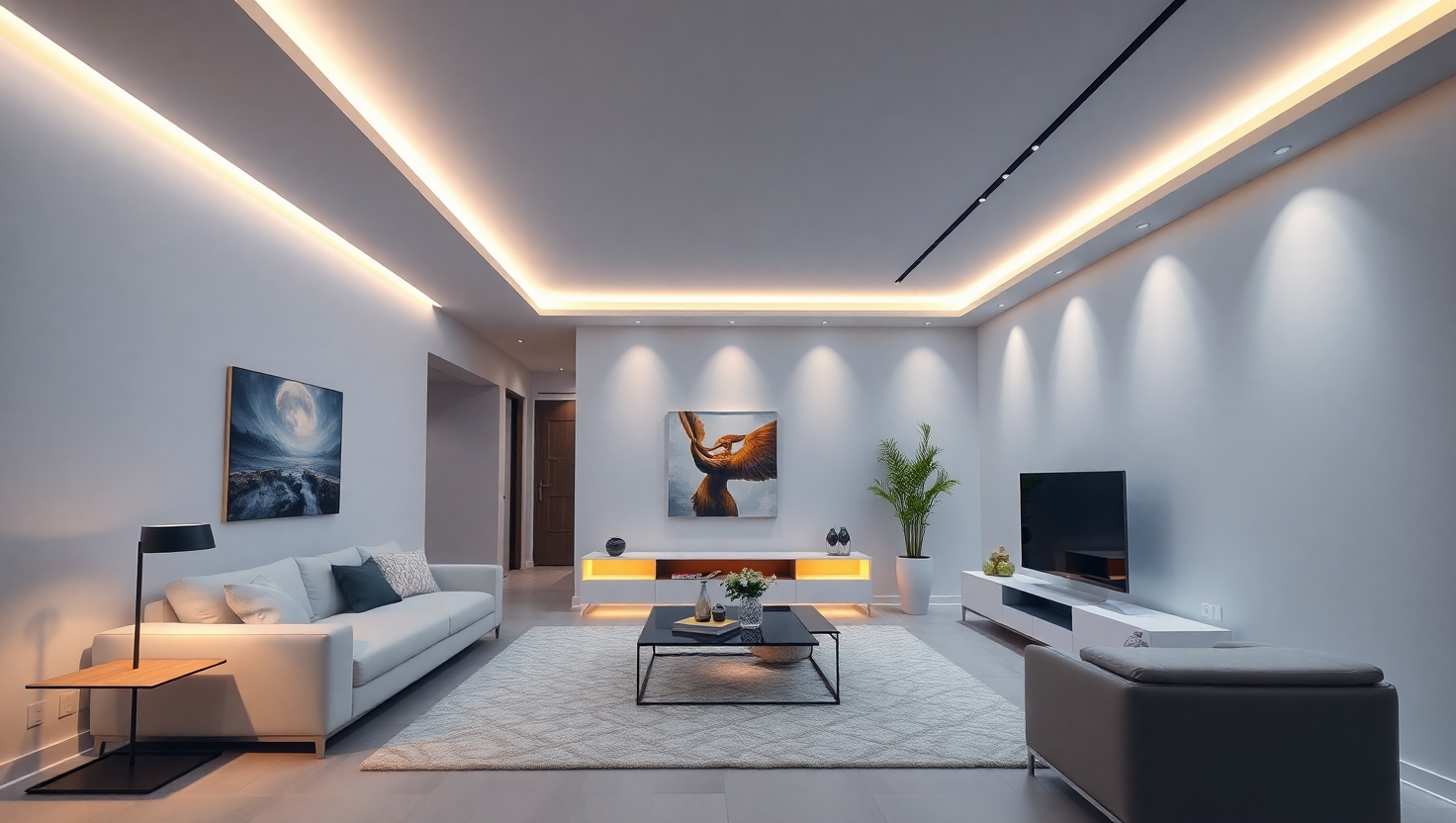

Home styling businesses often have a strong visual presence. Beautiful interiors, carefully selected furnishings and impressive transformations can make an excellent portfolio. But being visually appealing does not necessarily mean being easy to find when potential clients are searching for help.
A homeowner may know that a room does not feel right without knowing exactly what service they need. They might search for a home stylist, interior styling service, room makeover ideas, furniture styling advice or help preparing a property for sale. Others may already have a clear requirement and search specifically for a local home stylist.
This is where search engine optimisation (SEO) can play an important role.
For home styling businesses, effective SEO is not simply about attracting more website visitors. It is about helping the business appear when people are searching for services, solutions and information that genuinely relate to what the business offers.
Google considers factors including relevance, usability, expertise and the meaning of the search query when determining which results to show.
For a home styling business, that means the website needs to communicate much more than an attractive aesthetic. It needs to make the business, its services, locations, expertise and approach clear to both prospective clients and search engines.
1. SEO Helps Home Stylists Be Found During the Research Process
Home styling is often a considered purchase.
A prospective client may not immediately contact the first stylist they discover. They may look through portfolios, compare different approaches, investigate services, read reviews, study previous projects and try to understand what working with a stylist actually involves.
Search can influence several stages of that process.
Someone might initially search for:
- home styling ideas
- how to style a living room
- professional home stylist
- interior styling services
- styling a home before selling
- furniture and decor styling
- home stylist in [location]
These searches represent different levels of commercial intent.
Someone searching for inspiration may be early in the process. Someone searching specifically for a local home styling service is likely to be closer to making contact.
A strong SEO strategy recognises these differences rather than attempting to optimise every page around the same broad keyword.
The objective is to create useful entry points for different types of prospective customer while making the commercial services easy to discover when someone is ready to enquire.
2. The Right Audience Matters More Than Raw Traffic
One of the easiest mistakes in SEO is to focus too heavily on visitor numbers.
A home styling business does not necessarily need thousands of additional website visitors. It needs relevant people who could realistically become clients.
For example, an article receiving substantial traffic for a broad search such as “living room ideas” may generate considerable visibility without producing many enquiries.
By contrast, a service page targeting a specific home styling service in the business’s operating area may receive fewer visitors but generate significantly more commercially relevant enquiries.
This distinction is important.
SEO performance should ultimately be considered in relation to business outcomes such as:
- relevant website enquiries
- consultation requests
- phone calls
- project enquiries
- qualified leads
- quoted projects
- new clients
- project value
Traffic and rankings can provide useful diagnostic information, but they are not the final commercial objective.
For a specialist home styling business, reaching 50 highly relevant potential clients can be more valuable than attracting thousands of people who are simply browsing interior inspiration.
3. Build Service Pages Around What Clients Actually Need
A home styling website should make its services exceptionally clear.
Rather than relying on a single page called “Services”, businesses can create dedicated pages for meaningful service areas where there is enough substance to justify them.
Depending on the business, these could include:
- Home Styling
- Interior Styling
- Property Styling
- Pre-Sale Styling
- Furniture Styling
- Room Styling
- Styling Consultation
- Holiday Home Styling
- Show Home Styling
- Short-Term Rental Styling
The exact structure should reflect the services the business genuinely provides.
Each page should explain what the service involves, who it is for, what the process looks like and what the client can expect.
This also creates stronger opportunities to match specific search intent.
A person searching for “property styling before selling” should ideally arrive at a page specifically addressing that requirement rather than being sent to a generic homepage.
The page can then explain the role of styling, the types of properties served, the process, examples of previous work and how to make an enquiry.
That creates a much more relevant journey from search to website to enquiry.
4. Use Customer Language, Not Just Industry Language
Home styling professionals naturally develop their own terminology.
Clients may not use it.
A business might describe its work using terms such as “spatial curation”, “residential visual composition” or “interior refinement”. Those phrases may accurately describe the business’s philosophy, but they may not correspond with how potential clients search.
SEO research can help identify the language people actually use.
The objective is not to insert keywords unnaturally into pages. It is to understand the vocabulary surrounding the service.
For example, a potential client might search for:
- home stylist
- interior stylist
- home styling services
- room makeover
- property styling
- styling consultation
- interior styling ideas
- home decorator
- styling a house for sale
The appropriate terminology will vary between businesses, markets and service models.
Good SEO connects the business’s professional language with the customer’s search language.
That makes the website easier to understand without compromising the brand’s positioning.
5. Create Content That Answers Questions Before the Enquiry
Not every prospective client starts by searching for a service.
Many begin with a question.
They might want to know:
- How much does home styling cost?
- Is home styling worthwhile before selling?
- What does a home stylist actually do?
- How long does a styling project take?
- Should I buy furniture before hiring a stylist?
- How can I make a small room feel larger?
- What should I change before putting my home on the market?
- What is the difference between interior design and home styling?
These questions create opportunities for useful SEO content.
A well-written article can introduce the business to someone who has not yet decided to hire a stylist.
The content should not simply exist to capture a keyword. It should genuinely answer the question.
For example, an article about preparing a home for sale could discuss furniture placement, visual clutter, room presentation, colour consistency, photography considerations and the importance of presenting the property’s strongest features.
It can then naturally explain where professional styling may help.
This approach allows the business to demonstrate expertise before asking the reader to become a client.
6. Turn Project Experience into Searchable Expertise
Home styling businesses have an advantage that many other industries do not: their work is inherently visual.
Every completed project can potentially become a source of useful content.
Instead of publishing only a gallery of photographs, businesses can develop project pages explaining:
- the client’s starting point
- the property type
- the styling challenge
- the objectives
- the design direction
- furniture and accessory choices
- practical constraints
- the transformation
- the final result
This gives search engines substantially more context about the work.
It also gives prospective clients something more useful than a collection of attractive photographs.
A project page can demonstrate how the stylist thinks.
That is particularly valuable for higher-value services where potential clients are assessing judgement, taste, experience and professionalism before making contact.
Original project content can also create opportunities to connect service pages, location pages and relevant educational articles through internal links.
7. Local SEO Is Particularly Important for Home Styling Businesses
Many home styling businesses operate within defined geographic areas.
A stylist may serve a particular city, region or collection of nearby suburbs rather than an entire country.
That makes local SEO important.
Google states that local results are primarily influenced by relevance, distance and prominence. It also recommends keeping Business Profile information complete and accurate, responding to reviews and adding useful photographs and videos.
A home styling business should therefore make its service area clear.
The website can include useful information about:
- where the business operates
- the types of properties it styles
- local projects
- local service availability
- consultation arrangements
- showroom or studio information where relevant
A properly maintained Google Business Profile can complement the website by providing another source of business information in Google Search and Maps.
Google also explains that local business information can come from the business’s own website, third-party sources, users and other publicly available information.
Consistency therefore matters.
The business name, location information, contact details and core service information should be accurate across the website and relevant business listings.
8. Location Pages Need to Provide Genuine Local Value
Creating dozens of nearly identical pages with different suburb names is not a sensible long-term SEO strategy.
If a business genuinely serves multiple areas, location pages can be useful. But each should contain meaningful information.
For example, a page about home styling in a particular area could discuss:
- the services offered there
- relevant property types
- local project examples
- consultation arrangements
- travel or service boundaries
- particular styling requirements commonly encountered by clients in that market
The goal is to demonstrate genuine relevance rather than manufacture location signals.
A useful location page should be valuable to a person who actually lives in that area.
9. Make the Website Reflect the Quality of the Styling Business
SEO can bring someone to a website.
The website then has to convince them to stay.
This is particularly important for home styling businesses because the visual quality of the website forms part of the brand experience.
A prospective client who discovers a stylist through Google may immediately look for:
- portfolio quality
- project photography
- service information
- process
- testimonials
- credentials
- pricing guidance
- areas served
- contact details
- evidence of previous work
A visually polished website with weak information can create uncertainty.
Conversely, a detailed website with poor photography or confusing navigation can undermine a premium brand.
SEO and website development should therefore work together.
The search result earns the click. The website earns consideration.
10. Use Page Titles and Headings to Make Relevance Clear
Search engines need to understand what individual pages are about.
Clear page titles and headings help communicate that purpose.
A page called “Our Approach” may sound sophisticated from a branding perspective, but it gives limited information about the service.
A more descriptive title such as “Home Styling Services for Residential Properties” communicates considerably more.
This does not mean every heading should be stuffed with keywords.
The language should remain natural and appropriate to the brand.
The same principle applies to:
- page titles
- headings
- introductory copy
- image descriptions where appropriate
- internal links
- service page copy
- project descriptions
Google provides guidance on how websites can influence their appearance in Search, including title links, snippets and structured data.
Clear information helps both the search engine and the potential customer understand what they are looking at.
11. Internal Linking Can Connect Inspiration with Commercial Services
A home styling website may contain several different content types:
- service pages
- project pages
- blog articles
- location pages
- portfolio galleries
- about pages
- contact pages
These should not exist as isolated sections.
Internal linking can connect them into a coherent customer journey.
For example, an article about preparing a living room for sale could link to:
Home Styling Services → Relevant Project → Property Styling Service → Contact
Similarly, a project page could link to the service that produced the work and to a related article explaining the styling approach.
This helps visitors move from information to commercial consideration.
It also gives search engines additional context about the relationship between pages.
12. Build Content Around Different Stages of the Buying Journey
A strong SEO strategy should not treat every searcher as being at the same stage.
A useful framework is:
Early research
The customer is exploring ideas.
Examples:
- home styling ideas
- how to style an open-plan room
- how to make a home feel more cohesive
Problem recognition
The customer knows something is not working.
Examples:
- how to make a small lounge look bigger
- how to prepare a house for sale
- how to style an empty property
Service research
The customer is considering professional assistance.
Examples:
- what does a home stylist do?
- home styling consultation
- professional home styling services
Commercial intent
The customer is actively looking for a provider.
Examples:
- home stylist near me
- home styling company [location]
- property styling service [location]
The content strategy should support these different stages rather than publishing endless generic inspiration articles.
13. Reviews and Trust Signals Support the SEO Journey
SEO may create the initial discovery, but trust often determines whether someone makes contact.
Home styling is personal. Clients are inviting a professional into their home and often making significant decisions about furniture, presentation, colour and investment.
Relevant trust signals can include:
- genuine customer reviews
- project photography
- client testimonials
- detailed case studies
- professional credentials
- clear service processes
- information about the people behind the business
- transparent contact details
Reviews should be genuine and should not be manufactured simply for SEO purposes.
Google also identifies reviews and business prominence as relevant considerations in local search visibility.
More importantly, authentic reviews help prospective clients understand the experience of working with the business.
14. Technical SEO Provides the Foundation
The visible content is only part of SEO.
The website also needs to be technically accessible and usable.
Important considerations include:
- crawlable pages
- sensible site architecture
- appropriate internal linking
- indexable content
- mobile usability
- clear URLs
- useful metadata
- appropriate structured data
- image optimisation
- site performance
- HTTPS
- XML sitemap
- avoidance of unnecessary duplicate pages
For a local home styling business, structured data can also help Google understand business information. Google provides specific guidance for LocalBusiness structured data and recommends using the most specific applicable subtype.
Structured data should support the information already present on the page. It is not a substitute for useful content.
15. Image SEO Matters in a Highly Visual Industry
Home styling businesses have an obvious opportunity with images.
Searchers often want to see the work before contacting the stylist.
High-quality photography can therefore contribute to both the user experience and the broader search presence of the website.
Images should be:
- relevant to the page
- properly sized
- appropriately compressed
- clearly associated with the project or service
- accompanied by useful surrounding context
Image filenames and alternative text should describe images accurately where appropriate, rather than being filled with repetitive keywords.
The objective is to make the visual content understandable and accessible while reinforcing the subject of the page.
16. SEO Can Help Differentiate a Home Styling Business
A home styling market may contain businesses with very different approaches.
One stylist may focus on contemporary residential interiors. Another may specialise in preparing homes for sale. Another may work primarily with high-end properties, holiday homes or investment properties.
SEO provides an opportunity to make that positioning visible.
Instead of trying to rank for every possible styling-related search, the business can build authority around the areas where it genuinely has expertise.
For example, a specialist property stylist could develop content around:
- preparing homes for sale
- styling before property photography
- furniture selection for vacant properties
- presentation before inspections
- room-by-room preparation
- common presentation mistakes
A business focused on luxury residential styling could develop a different content ecosystem around:
- premium furnishings
- layered interiors
- bespoke styling
- material selection
- high-end residential projects
- sophisticated entertaining spaces
This is where SEO becomes more than a technical marketing exercise.
It becomes a way of communicating what the business is actually known for.
17. Connect SEO with Google Ads and Social Media
SEO does not need to operate independently.
A home styling business can use different marketing channels for different purposes.
Google Ads can provide paid visibility for high-intent searches.
SEO can build organic visibility over time.
Social media can showcase projects and create visual awareness.
The website provides the central destination where customers can assess services and make enquiries.
For example, an Instagram post might showcase a completed living room transformation. A visitor can then reach the relevant project page, read about the process and discover the underlying styling service.
An SEO article might answer a common question and introduce a prospective customer to the business. That visitor may later return through branded search or social media.
The channels become more useful when they reinforce one another.
18. Measure SEO by Business Quality, Not Just Rankings
Rankings are useful, but they do not tell the entire story.
A business can rank well for a search that produces very little commercial value.
Better measurement can include:
- organic enquiries
- calls from organic visitors
- consultation requests
- qualified leads
- enquiries by service
- enquiries by location
- conversion rate
- quoted projects
- won projects
- project value
- organic-assisted conversions
Search Console and website analytics can help identify which queries and pages are generating visibility and engagement.
The business can then compare that information with actual enquiries and sales data.
Over time, this can reveal which topics attract potential clients rather than simply generating traffic.
19. Avoid Common SEO Mistakes in Home Styling
Several approaches can weaken an otherwise good SEO strategy.
Writing generic inspiration content
If every article sounds like a generic interior design magazine, the business has limited opportunity to demonstrate its own expertise.
Creating pages for every possible location
Thin location pages can create a poor user experience and add little genuine value.
Focusing only on broad keywords
Highly competitive terms may attract significant attention without producing commercially useful enquiries.
Ignoring service pages
A large blog cannot compensate for weak descriptions of the services the business actually sells.
Using manufacturer or supplier descriptions
Where a stylist recommends products, original explanations are more useful than simply copying supplier material.
Publishing without a strategy
A large volume of unrelated articles does not automatically create topical authority.
Treating SEO as a one-off project
Search visibility requires ongoing attention as services, projects, customer questions and the competitive environment change.
Measuring only traffic
Visitor numbers without lead-quality information can create a misleading picture of performance.
20. A Practical SEO Framework for Home Styling Businesses
A home styling business can build its SEO strategy around a relatively simple structure.
First, define the commercial audience.
Identify the types of clients the business actually wants to attract.
Second, define the core services.
Create clear pages for meaningful services rather than placing everything on one generic page.
Third, research search intent.
Understand the language customers use when looking for services, solutions and information.
Fourth, strengthen the website.
Make the portfolio, service information, process, trust signals and enquiry options easy to find.
Fifth, develop useful content.
Answer genuine customer questions and demonstrate specialist knowledge.
Sixth, build local relevance where appropriate.
Maintain an accurate Google Business Profile and create useful local content where the business genuinely serves those markets. Google states that complete and accurate Business Profile information helps businesses appear for relevant local searches.
Seventh, improve technical foundations.
Make the site accessible, mobile-friendly, logically structured and easy for search engines to understand.
Eighth, connect content internally.
Help visitors move naturally from educational material to projects, services and enquiries.
Ninth, measure commercial outcomes.
Look beyond impressions and rankings to determine whether organic search is producing relevant opportunities.
Finally, refine the strategy.
Use actual search and enquiry data to identify which services, topics and audiences deserve greater attention.
Conclusion
For home styling businesses, SEO is most valuable when it connects the right customer with the right information at the right stage of the buying journey.
That requires more than adding keywords to a website.
The business needs clear service pages, useful project content, relevant local information, genuine evidence of expertise, strong visual presentation and a technically sound website. It also needs content that reflects the questions prospective clients are actually asking.
When these elements work together, organic search can become a consistent source of discovery for people who are already looking for styling ideas, professional advice or a service provider.
The commercial objective is not simply to attract more visitors. It is to make the business easier to discover, easier to understand and easier to trust for the people it is best placed to serve.
For home styling businesses, that makes SEO an important part of a wider digital marketing strategy rather than an isolated ranking exercise.
If your business operates in the home and lifestyle sector and you would like to improve the quality of your digital marketing, Home & Lifestyle Marketing Co can help you assess where the strongest opportunities may lie.
To learn more, please visit www.hlmco.com.au