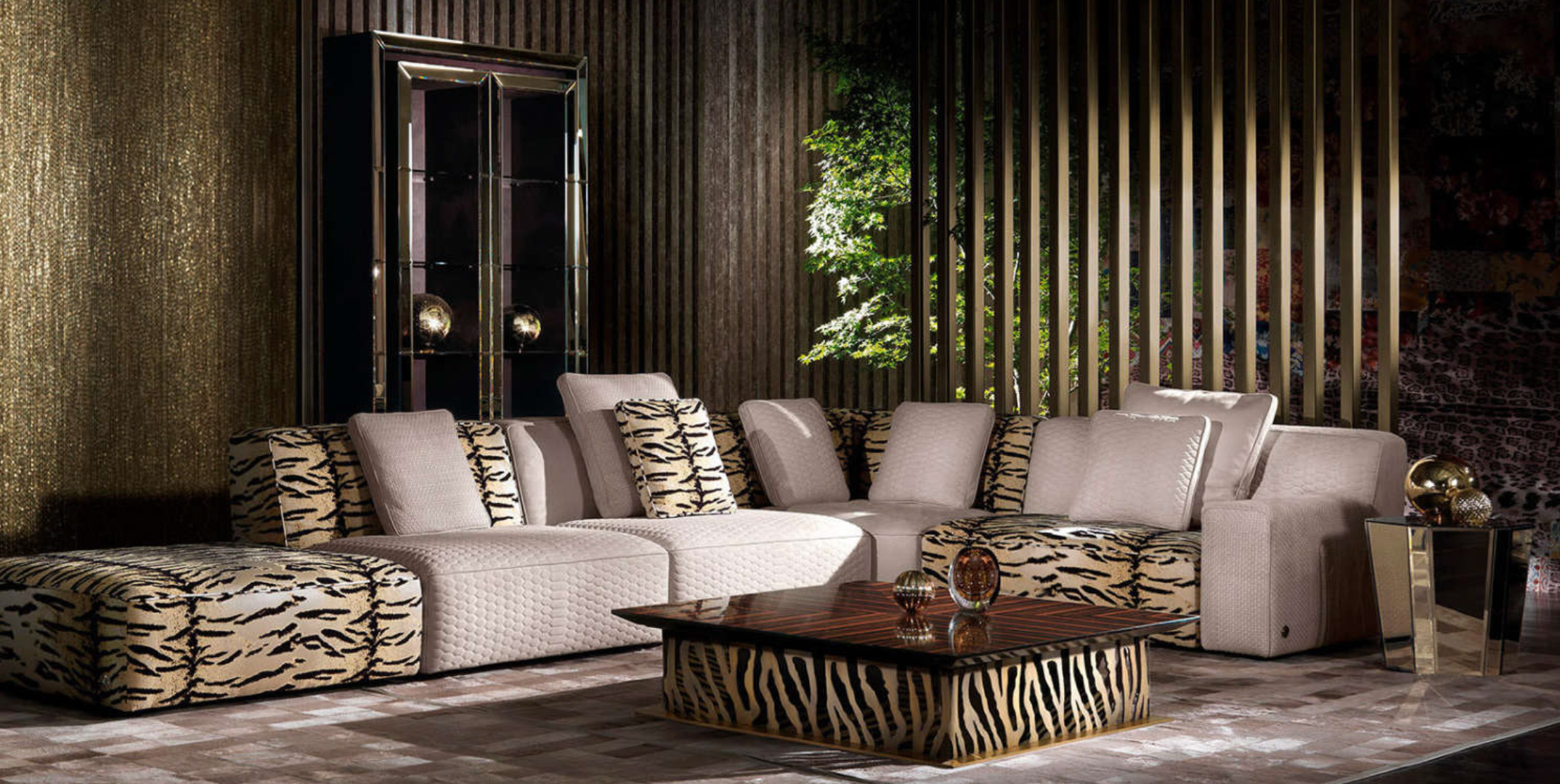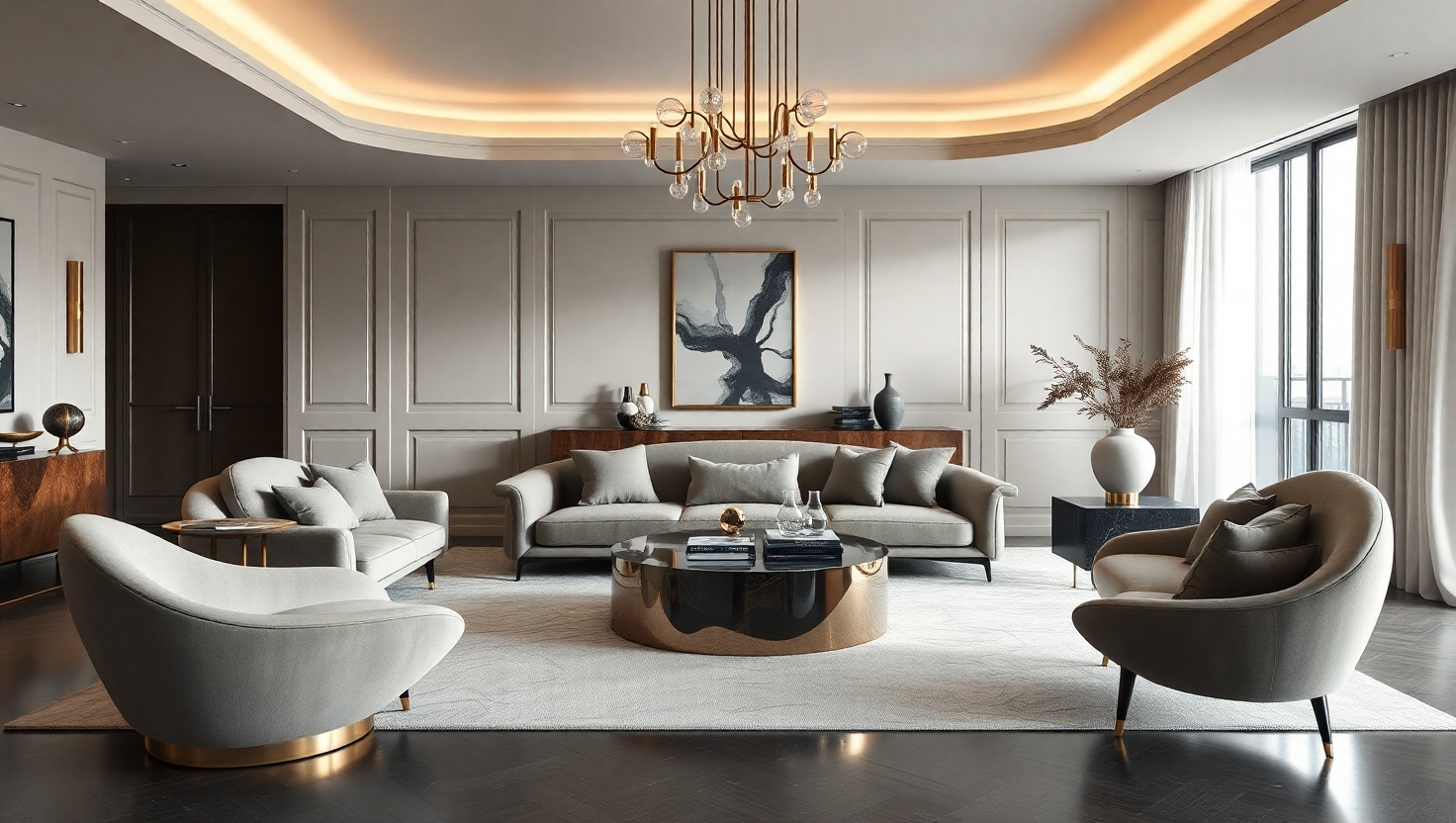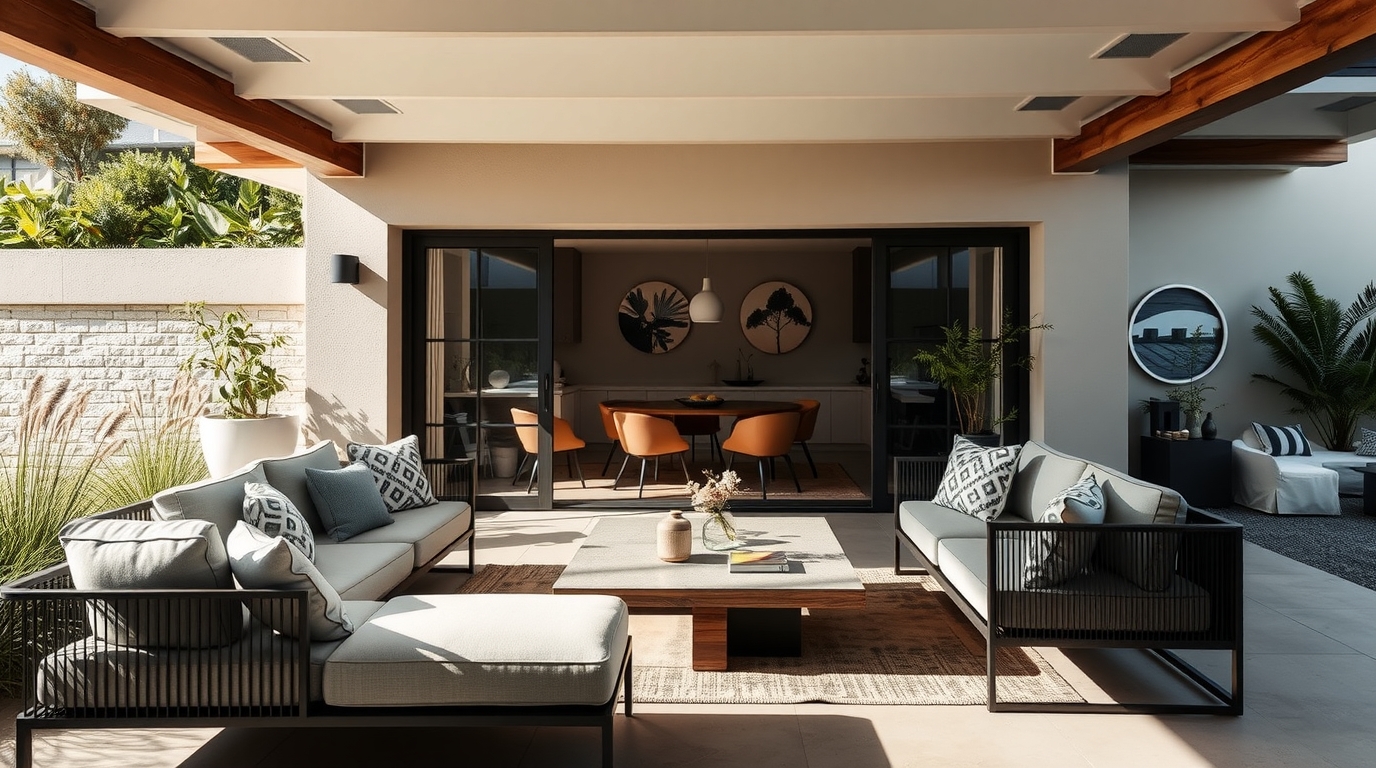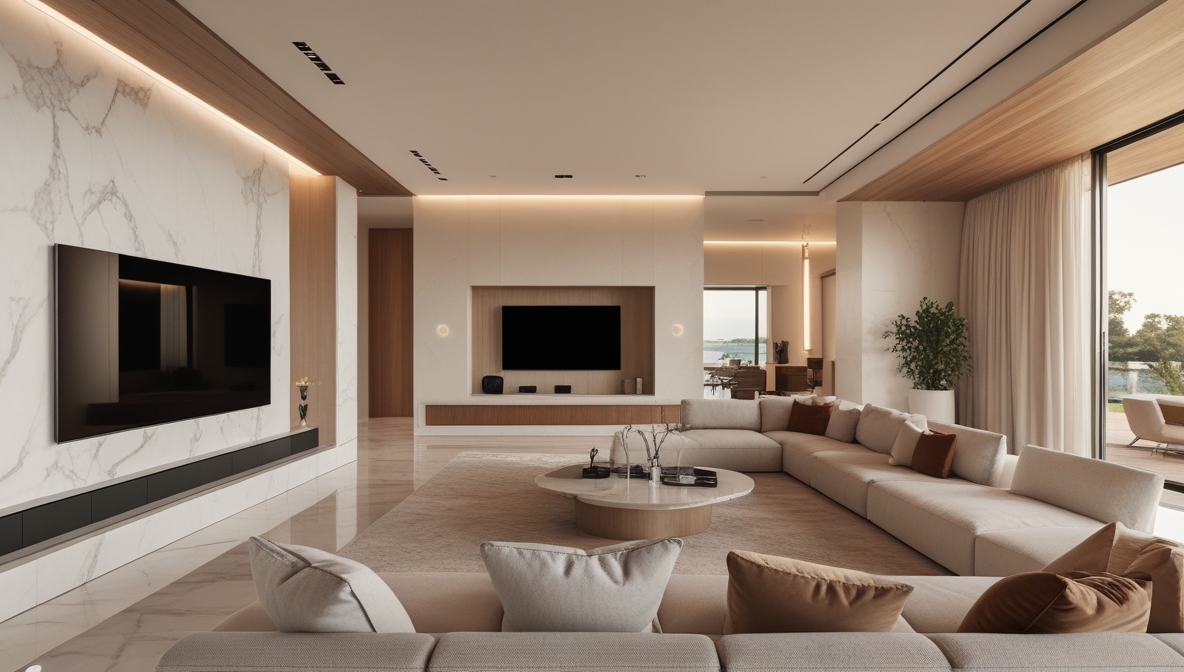
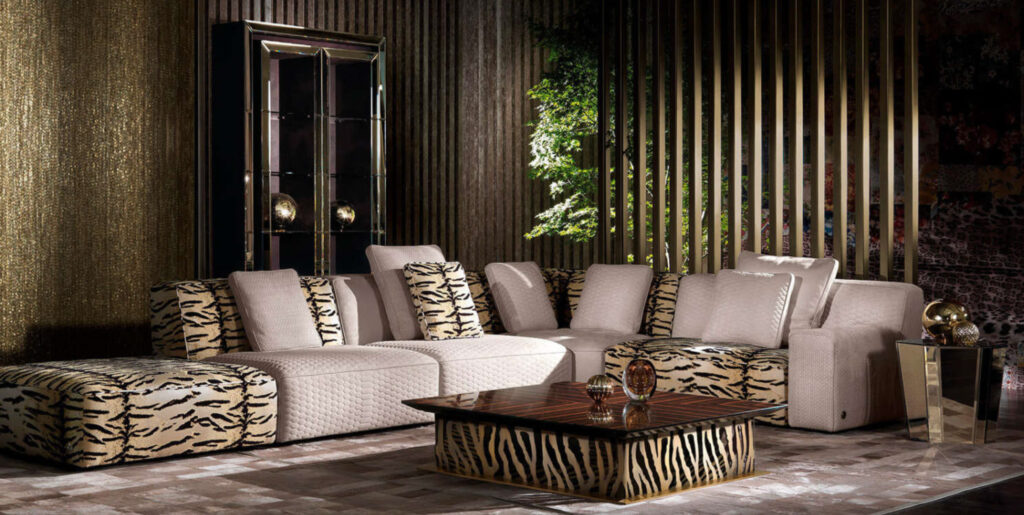
Social media can do more than display beautiful furniture
Furniture is naturally suited to visual marketing.
A well-photographed dining table can communicate shape, proportion and material character within seconds. A carefully styled living room can show how a sofa changes the feel of a space. A short video of a craftsperson working with timber can reveal something that a product description cannot.
For New Zealand furniture businesses, this makes social media particularly useful.
But simply posting attractive photographs is not a social media strategy.
A luxury furniture brand needs to use social platforms to help prospective customers understand its design approach, discover products, see them in real environments and develop confidence in the business behind them.
That is especially important when the products have a high price point or involve customisation.
A customer may not purchase a NZ$5,000 sofa directly after seeing one Instagram post. They may save the post, visit the website, look at several other products, review the business’s projects, follow the account and eventually enquire.
The social post is still part of the commercial journey.
This is why furniture brands should think about social media as a visual discovery and relationship-building channel, rather than simply a place to publish product photographs.
Why social media suits luxury furniture
Luxury furniture has several characteristics that work well on visual platforms.
The first is design appeal.
Furniture can be photographed within carefully considered interiors, allowing customers to understand not just what the product looks like but how it works within a space.
The second is materiality.
Timber grain, upholstery texture, stone surfaces, metal finishes, stitching and joinery can all be demonstrated visually.
The third is storytelling.
A furniture business can show the process behind a product, from material selection through to manufacturing, finishing and installation.
The fourth is inspiration.
Many customers do not begin their furniture search with a specific product name. They may begin with an interior style, room idea or visual reference.
Social media can therefore introduce the brand before the customer has developed a specific buying intention.
That makes it particularly valuable at the top and middle stages of the customer journey.
New Zealand already has a large social-media audience
Social media is not a niche channel in New Zealand.
DataReportal’s Digital 2026 New Zealand report estimated 4.24 million social-media user identities in the country in October 2025, equivalent to 80.6% of the population. Its platform data also indicated around 2.65 million Instagram users and 3.45 million Facebook users in late 2025. These figures represent platform identities or advertising reach rather than necessarily unique individuals, so they should be interpreted accordingly.
More recent platform-derived data published by NapoleonCat also reports millions of Facebook and Instagram users in New Zealand during 2026.
The practical point for a furniture business is not that every social-media user is a potential customer.
They are not.
The opportunity is to use these platforms selectively to reach people who have an interest in interiors, renovation, architecture, design, property and home improvement, while building a recognisable brand presence for customers who may purchase later.
Start with the visual identity of the furniture brand
Before planning posts, establish what the brand should look and feel like online.
A luxury furniture business should not necessarily copy other premium furniture accounts.
Instead, its social presence should reflect its own:
- Design philosophy
- Materials
- Craftsmanship
- Colour palette
- Product range
- Customer
- Interior style
- Brand personality
A business specialising in handcrafted solid-timber furniture might use close-up material photography, workshop footage and natural interiors.
A contemporary furniture brand may require cleaner architectural imagery.
A business producing custom upholstery may place greater emphasis on fabrics, silhouettes, colour combinations and completed interiors.
The objective is consistency.
When someone sees a post without immediately reading the account name, the visual style should still feel connected to the brand.
Product photography should create context
A product photographed against a plain background has a purpose.
It can clearly show the item.
But lifestyle photography can answer a different question:
What could this furniture look like in my home?
That distinction is important.
Consider a dining table.
A studio photograph may show the construction and finish accurately.
A lifestyle photograph can show:
- Scale
- Seating arrangement
- Lighting
- Surrounding materials
- Floor relationship
- Room proportions
- Styling
- Overall atmosphere
For luxury furniture, the second type of imagery can be particularly persuasive because customers are often purchasing an aesthetic as well as a functional object.
The strongest social content often combines both.
Use clean product imagery when the customer needs clarity.
Use styled interiors when the customer needs inspiration.
Use close-ups when the customer needs to appreciate materials and workmanship.
Show the details customers cannot experience through a screen
Furniture is tactile.
Customers can normally touch a timber surface, sit on a sofa, examine stitching or inspect the finish in a showroom.
Social media cannot reproduce that experience completely.
It can, however, reveal more detail.
Short videos can show:
- Timber being sanded
- Joinery being assembled
- Upholstery being finished
- A surface being oiled
- A piece being inspected
- Hardware being fitted
- A finished item being installed
Macro photography can show surface texture and craftsmanship.
Slow video movements can reveal proportions more effectively than a single static image.
The objective is not to make every post cinematic.
It is to use the format that best communicates the feature being discussed.
Use video to show the making process
For furniture businesses, manufacturing content can be especially valuable.
A customer may see a finished dining table and think it looks attractive.
Showing how it was produced provides a different type of information.
For example, a short video could follow a piece of furniture through several stages:
Material selection → preparation → construction → finishing → final inspection.
This can communicate care and craftsmanship without relying on exaggerated language.
It can also provide a steady source of content.
One finished project might produce:
- A final photography post
- A workshop video
- A material close-up
- A designer explanation
- A before-and-after installation
- A customer project feature
- A finished-room video
The same project can therefore become a content asset rather than a single post.
Tell the story behind the materials
Materials are a natural content category for furniture brands.
Instead of simply stating that a product uses oak, walnut, timber, leather or a particular fabric, explain what makes the selected material relevant to the product.
Depending on the business, content could explore:
- Material characteristics
- Finishing methods
- Colour variations
- Texture
- Maintenance
- Durability
- Where the material is sourced
- How different finishes change the appearance
This type of content can also help customers understand why two visually similar products may have very different prices.
The emphasis should remain factual.
If a business describes a material as sustainable, responsibly sourced or environmentally preferable, the claim should be supportable.
New Zealand’s Commerce Commission states that advertising on social media is covered by the Fair Trading Act and that businesses must not mislead customers about matters such as quality, features, price or discounts.
Build content around rooms, not only products
A furniture business can easily fall into a product catalogue mentality on social media.
Monday: sofa.
Wednesday: dining table.
Friday: armchair.
The result can become repetitive.
A stronger approach is to organise some content around spaces and problems.
For example:
Living rooms
Show how different sofa configurations work within larger and smaller rooms.
Dining areas
Explore table proportions, seating arrangements and lighting.
Bedrooms
Show beds, bedside tables, occasional furniture and styling combinations.
Home offices
Feature desks, seating, storage and lighting.
Outdoor areas
Show furniture within appropriate outdoor settings and discuss materials, care and placement.
This allows the brand to participate in the customer’s design process rather than simply promoting individual products.
Use New Zealand homes as the visual context
Local relevance should be visible without becoming forced.
New Zealand contains a broad range of housing and interior environments.
Depending on the target market, furniture content might naturally feature:
- Villas
- Bungalows
- Weatherboard homes
- Contemporary houses
- Apartments
- Townhouses
- Coastal homes
- Holiday homes
- Rural properties
- Lifestyle properties
The point is not to label every photograph with a city or suburb.
It is to show how the furniture actually works within environments familiar to New Zealand customers.
A sofa photographed in a realistic Auckland apartment communicates something different from the same sofa photographed in a large international showroom.
Likewise, furniture shown within a Christchurch renovation or a Wellington home can provide local context without turning the content into location-based keyword stuffing.
Make completed projects a major content category
One of the strongest forms of social content for a premium furniture business is a completed project.
Instead of saying:
“Our new dining table.”
tell the story of where the table went.
For example:
The Brief
The clients wanted a large dining table suitable for regular entertaining.
The Design
The table was developed around the dimensions of the room and the desired seating arrangement.
The Material
Explain the selected timber and finish.
The Installation
Show the completed piece within the finished space.
The Result
Explain how the furniture works within the room.
This gives potential customers far more information than a product photograph alone.
It also demonstrates that the business can work within real projects.
Use customer content carefully
User-generated content can provide valuable social proof.
Customers may share photographs of furniture in their homes, which can give prospective buyers a more realistic impression of the finished product.
With appropriate permission, businesses can republish relevant customer content.
Useful examples include:
- Customer room photography
- Installation photographs
- Finished project videos
- Customer styling
- Long-term product photographs
- Testimonials
But social proof needs to be genuine.
The Commerce Commission specifically notes that social-proof claims used in online selling need to be clear, accurate and substantiated. Claims such as numbers of people viewing or purchasing a product need to reflect reality.
For a premium brand, authentic customer evidence is considerably more useful than manufactured urgency.
Instagram can act as a visual showroom
Instagram is particularly relevant to furniture because of its visual format.
Rather than treating the platform as a stream of advertisements, a furniture brand can build an organised visual catalogue covering several content categories.
For example:
Product
New furniture, collections and individual pieces.
Projects
Completed residential and commercial work.
Process
Design and manufacturing.
Materials
Timber, fabric, stone, metal and other finishes.
People
Designers, makers and the team.
Education
Furniture selection, care and design advice.
Brand
Showroom, studio and company story.
This creates a much richer account.
A prospective customer can arrive because of one product but discover an entire body of work.
Use Reels for process, movement and atmosphere
Short-form video is useful when movement itself communicates something.
A static image is often sufficient for a beautifully styled chair.
A Reel can be more appropriate for:
- A workshop process
- A furniture installation
- A room transformation
- A showroom walkthrough
- A before-and-after
- A close-up material sequence
- A designer explaining a product
- A custom piece moving through production
The video should have a clear point.
Do not create short videos simply because short videos are popular.
For a luxury furniture brand, quality and relevance matter more than producing a large quantity of low-value clips.
Pinterest can support long-term visual discovery
Pinterest can be useful for furniture and interiors because users often browse for ideas before they know exactly what they want to purchase.
A furniture brand can organise content around themes such as:
- Dining room ideas
- Contemporary living rooms
- Timber furniture
- Small-space furniture
- Neutral interiors
- New Zealand home interiors
- Custom furniture
- Bedroom design
- Outdoor living
Each piece of content should ultimately connect to useful material on the company’s website.
That might be a product page, collection page, project page or design article.
This creates a relationship between social discovery and website traffic rather than leaving social media as a disconnected channel.
Use social media to introduce products before asking people to buy
A common mistake is to make every post a sales message.
Luxury furniture generally benefits from a more gradual approach.
A customer might first encounter:
An interior photograph
Then:
A close-up of the material
Then:
A video explaining the design
Then:
The product page
Then:
A completed customer project
Then:
An invitation to visit the showroom or enquire.
This sequence builds familiarity.
It also reflects how higher-value furniture decisions are often made.
Not every interaction needs to generate an immediate enquiry.
Some content should create awareness.
Some should educate.
Some should demonstrate credibility.
Some should drive a direct response.
Create content for different levels of buying intent
Not every social-media follower has the same level of interest.
A useful content strategy can recognise three broad groups.
People discovering furniture ideas
They need visual inspiration.
Useful content includes:
- Room photography
- Design ideas
- Styling
- Materials
- Trends
- Project inspiration
People researching a purchase
They need information.
Useful content includes:
- Product details
- Dimensions
- Materials
- Care
- Customisation
- Comparisons
- FAQs
People ready to enquire or buy
They need reassurance and a clear next step.
Useful content includes:
- Available products
- Pricing
- Delivery information
- Showroom details
- Customer projects
- Testimonials
- Consultation options
This prevents the social feed from becoming either purely inspirational or relentlessly promotional.
Connect social posts to the website
Social media should not become a closed environment.
When someone discovers a product, the website should provide the next layer of information.
A post about a dining table might link to its product page.
A project post might link to a case study.
A custom furniture video might link to the custom design service.
An educational post about timber care might link to a detailed guide.
This creates a pathway:
Social discovery → website research → enquiry or purchase.
The website therefore needs to support the promise made in the social content.
If an Instagram post promotes a particular product, the linked page should make it easy to find that product.
If a post promotes a collection, the collection page should provide enough information to continue the customer’s research.
Social media can support SEO, but it should not replace it
Social media and SEO perform different jobs.
Social platforms are useful for discovery, engagement and visual storytelling.
Search engines are particularly useful when someone has an active information or purchasing need.
For example, a customer may discover a furniture brand on Instagram but later search Google for:
custom dining tables NZ
or
solid timber furniture Auckland
or the company’s brand name.
This is why social media should work alongside SEO rather than replace it.
The website should contain the detailed information that social content introduces.
Project content can serve both channels.
A design article can support search visibility and be promoted socially.
A product page can receive traffic from social campaigns while also targeting relevant search demand.
The channels become more valuable when they support each other.
Use paid social selectively
Organic social media can build an audience, but paid advertising can extend the reach of specific content.
For luxury furniture businesses, paid social may be used to:
- Introduce a new collection
- Promote a showroom
- Generate enquiries
- Reach relevant audiences
- Promote a project
- Retarget website visitors
- Support seasonal campaigns
- Promote a consultation or design service
The objective should determine the campaign structure.
A campaign designed to build awareness should not be judged solely on immediate sales.
A campaign designed to generate enquiries should be measured differently.
The important point is to define the commercial objective before spending money.
Retarget people who have already shown interest
Someone who visits a furniture website may not be ready to purchase during the first session.
For higher-value products, this is normal.
Subject to appropriate privacy and platform requirements, remarketing can help reconnect with people who have already interacted with the brand.
For example, someone who viewed a particular furniture collection could later see relevant advertising.
A visitor who explored custom furniture could receive content related to the custom process.
A person who visited a showroom information page might see a reminder about an upcoming showroom event or consultation opportunity.
The messaging should remain relevant.
Repeatedly showing the exact same product advertisement can quickly become intrusive.
Use social media to support showroom visits
For furniture businesses with physical showrooms, social media can help bridge the gap between online inspiration and physical experience.
Content can show:
- Current showroom displays
- New arrivals
- Material samples
- Room settings
- Designer consultations
- Behind-the-scenes preparation
- Seasonal displays
Calls to action might invite people to:
Visit the showroom
Book a consultation
View the collection
Ask about availability
This is particularly useful for products where customers benefit from seeing or touching the furniture before committing.
Seasonal content should reflect New Zealand life
Furniture content can naturally respond to New Zealand’s seasons.
Spring
Focus on refreshing interiors, renovations, entertaining spaces and new collections.
Summer
Highlight outdoor furniture, entertaining, dining and holiday-home or bach settings where relevant.
Autumn
Show warmer interiors, timber, upholstery and changes in room styling.
Winter
Focus on living spaces, comfort, texture and indoor entertaining.
This should not become a forced calendar of promotional posts.
Instead, seasonal content should reflect genuine customer needs.
A furniture business selling outdoor products has an obvious seasonal opportunity.
A business specialising in dining furniture may focus on entertaining periods.
The content should follow the products and the customer’s behaviour.
Do not make every post look like an advertisement
Luxury brands sometimes make the opposite mistake from low-quality social accounts.
Everything becomes polished.
Everything becomes staged.
Everything contains a product.
Everything contains a sales message.
The feed can then feel distant and repetitive.
A stronger content mix can include the people and process behind the brand.
Show:
- Designers discussing decisions
- Craftspeople working
- Materials arriving
- Installation days
- Showroom preparation
- Product development
- Project challenges
- Design details
- Customer stories
This gives the audience reasons to follow the business even when they are not immediately looking to buy furniture.
Be careful with influencer and promotional claims
Luxury furniture businesses may collaborate with designers, creators, interior specialists or other public-facing personalities.
These partnerships can provide useful exposure, but businesses should ensure promotional content is transparent and accurate.
The broader principle is straightforward: social media does not create an exemption from New Zealand advertising requirements.
The Commerce Commission states that the Fair Trading Act applies to social-media advertising and that businesses must not mislead consumers.
Claims about discounts, product quality, scarcity, popularity, origin or environmental credentials should therefore be supportable.
Even the overall impression created by imagery can matter. The Commerce Commission notes that important information cannot simply be hidden in fine print if the overall advertising impression is misleading.
For a premium brand, accuracy is also commercially sensible.
Trust is difficult to build and easy to damage.
Measure the commercial contribution of social media
Follower numbers are easy to report.
They are not necessarily the most useful business metric.
A furniture business should consider what happens after social engagement.
Useful measurements can include:
- Website visits from social platforms
- Product-page visits
- Collection-page visits
- Enquiries
- Consultation bookings
- Showroom visits attributed to campaigns
- Product purchases
- Custom furniture enquiries
- Cost per qualified enquiry
- Revenue associated with campaigns
The right measurements depend on the business model.
An ecommerce furniture company can place greater emphasis on transactions.
A bespoke furniture studio may place more emphasis on qualified enquiries and consultation bookings.
A showroom-led business may need to connect digital activity with physical visits.
The important distinction is between attention and commercial progress.
A post reaching 50,000 people may be useful for brand awareness.
A post reaching 5,000 relevant people and generating several high-value enquiries may have a very different commercial outcome.
Build a repeatable content system
Consistency does not require publishing something completely new every day.
Instead, create a system around the business’s existing assets.
One completed furniture project could generate a week’s worth of content.
For example:
Monday: Finished project photograph.
Tuesday: Material close-up.
Wednesday: Short video showing the manufacturing process.
Thursday: Designer explanation of the design decision.
Friday: Customer testimonial or project story.
The exact schedule can vary.
The principle is to extract multiple useful stories from genuine business activity.
This is usually more sustainable than constantly searching for unrelated social-media ideas.
A practical social media framework for luxury furniture businesses
A New Zealand furniture business can structure its content around several core pillars.
1. Products
Show what is available.
2. Projects
Demonstrate how the furniture performs in real environments.
3. Process
Show design, craftsmanship and production.
4. People
Introduce the team behind the brand.
5. Materials
Explain the physical qualities of the products.
6. Education
Answer questions customers genuinely ask.
7. Inspiration
Help customers imagine furniture within their own homes.
8. Commercial content
Promote collections, consultations, showroom visits and relevant offers.
The balance should vary according to the business.
A bespoke furniture maker may need more process and project content.
An ecommerce brand may require more product and collection content.
A showroom may need more local and appointment-focused content.
Common social media mistakes for premium furniture brands
Posting only product photographs
This can make the account feel like a catalogue rather than a brand.
Chasing every trend
Not every social trend suits a luxury furniture business.
Overusing promotional language
Constant sales messages can reduce engagement and weaken brand positioning.
Ignoring video
Furniture is physical, and video can communicate movement, texture and craftsmanship particularly well.
Using poor-quality photography
Visual quality matters when the product itself is highly visual.
Failing to link social activity with the website
Social content should have somewhere useful to send interested customers.
Measuring followers instead of outcomes
Audience size is not the same as qualified demand.
Making unsupported claims
Statements about quality, origin, sustainability, scarcity or popularity need to be accurate and supportable.
Treating every customer as identical
Homeowners, interior designers, architects and commercial buyers may need very different information.
Social media works best as part of a wider marketing system
A furniture business should not expect social media to perform every marketing function.
SEO can capture people actively searching.
Google Ads can target high-intent queries.
Local SEO can help customers find a showroom.
Email can nurture existing prospects and customers.
The website can provide detailed product information and convert interest into enquiries or purchases.
Social media sits across these activities by creating awareness, demonstrating the brand and giving people reasons to explore further.
A potential customer may discover a chair on Instagram, search the brand on Google, read several website pages, visit the showroom and eventually purchase.
No single channel necessarily deserves all the credit.
The customer journey is connected.
Final thoughts
For New Zealand furniture brands, social media offers a valuable opportunity to show far more than the finished product.
It can reveal the materials, the people, the design process, the craftsmanship and the environments in which the furniture belongs.
The strongest social presence is therefore not simply a collection of attractive images.
It is a carefully developed visual representation of the brand.
For luxury furniture businesses, that distinction matters.
Customers purchasing high-value furniture often need time, information and reassurance before committing. Social media can support that process by creating familiarity first, demonstrating credibility through genuine projects and process content, and directing interested customers towards a website, showroom, consultation or product page.
The goal is not to maximise the number of posts.
It is to make each piece of content useful to the right audience.
HLM helps home and lifestyle businesses approach social media as part of a broader digital marketing system, connecting visual content with website performance, SEO, paid advertising and measurable commercial outcomes.
For a New Zealand furniture brand, social media should ultimately do more than make the collection look desirable.
It should help the right customers discover the brand, understand its value and take the next step.
To learn more, please visit www.hlmco.com.au