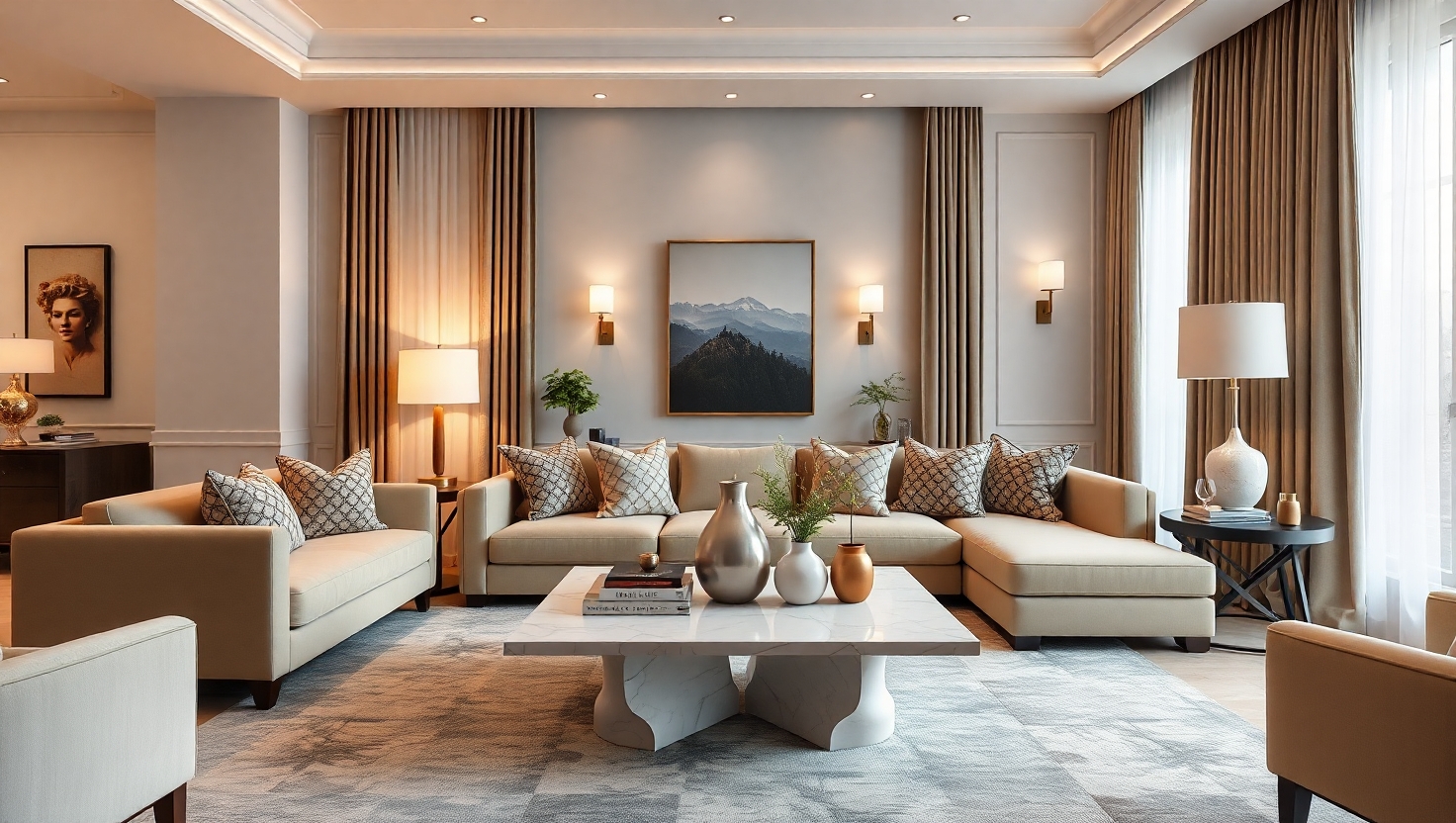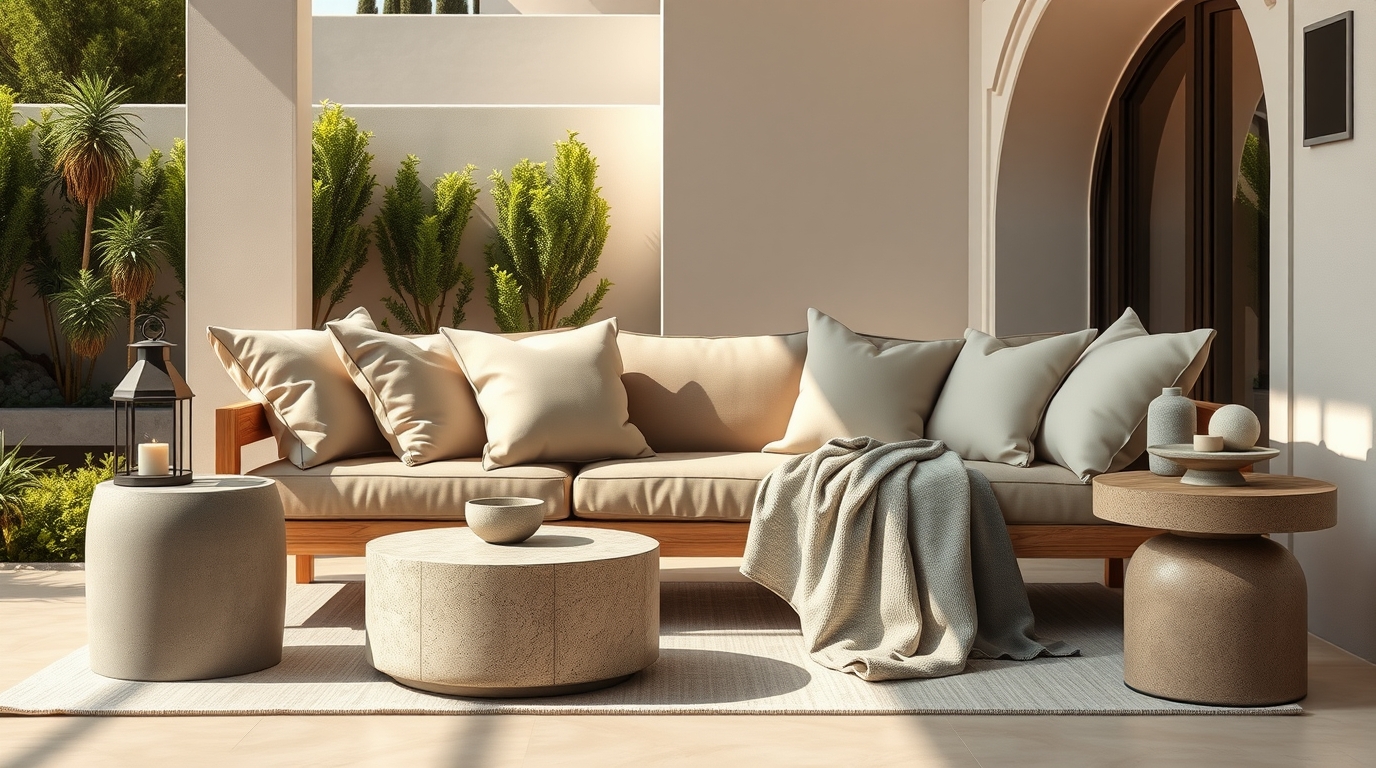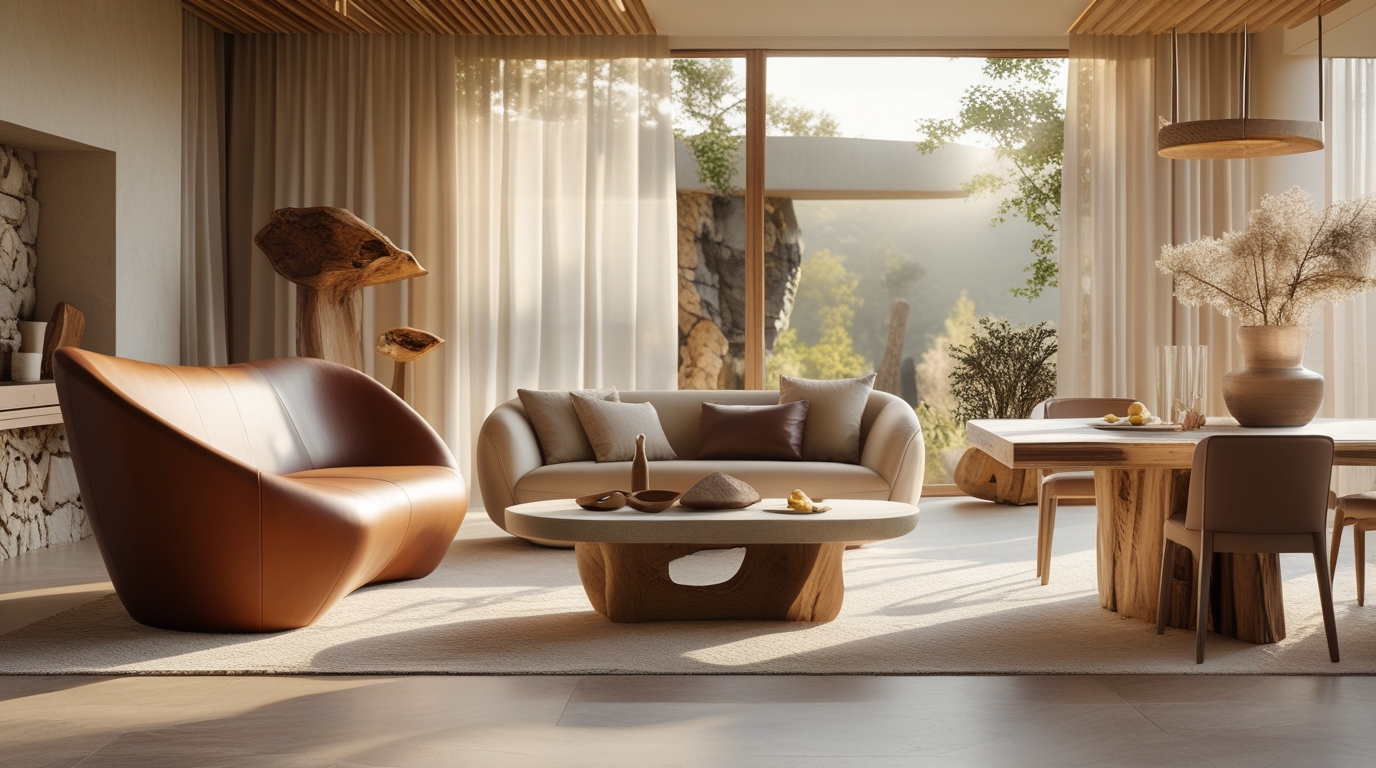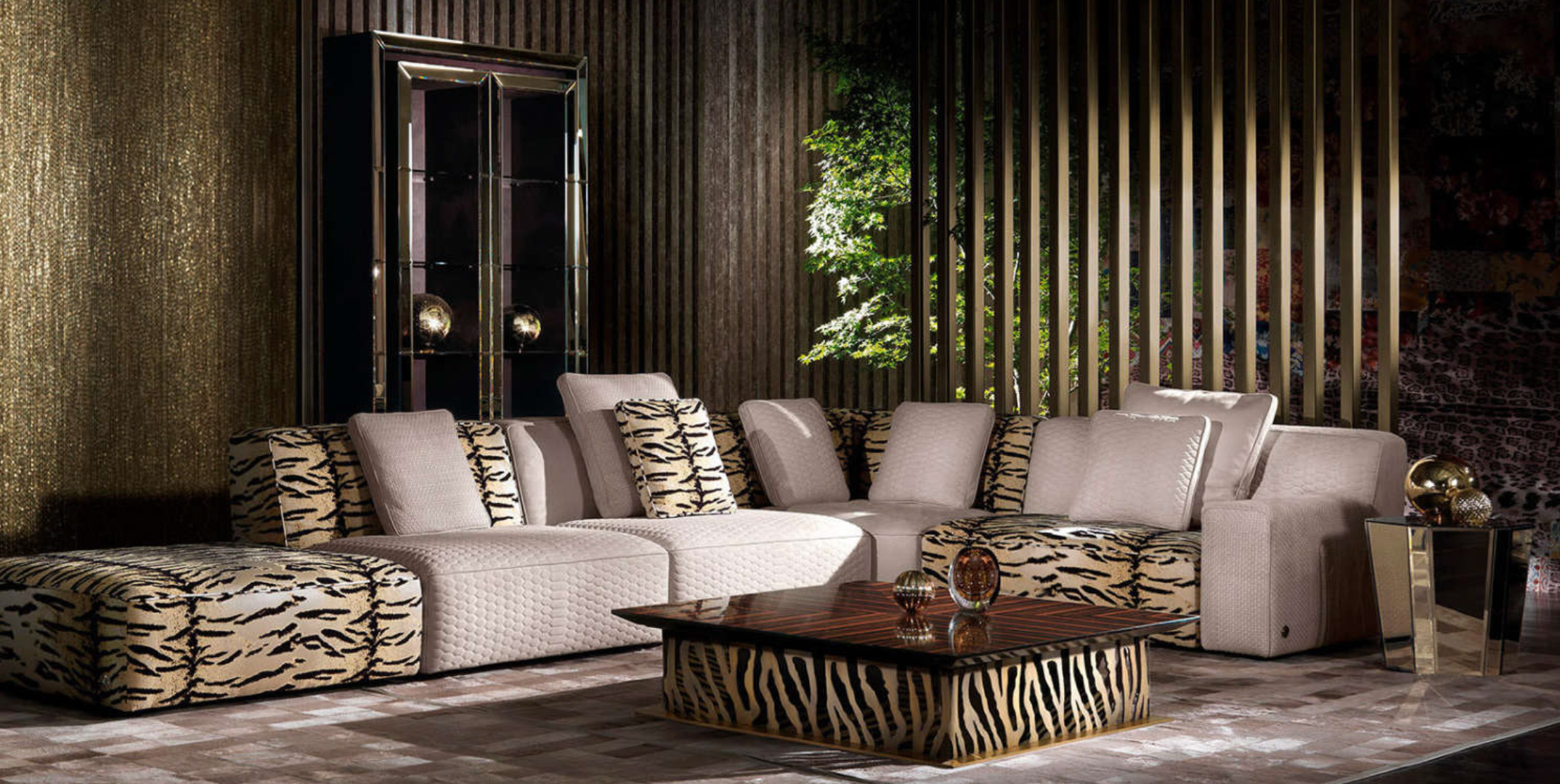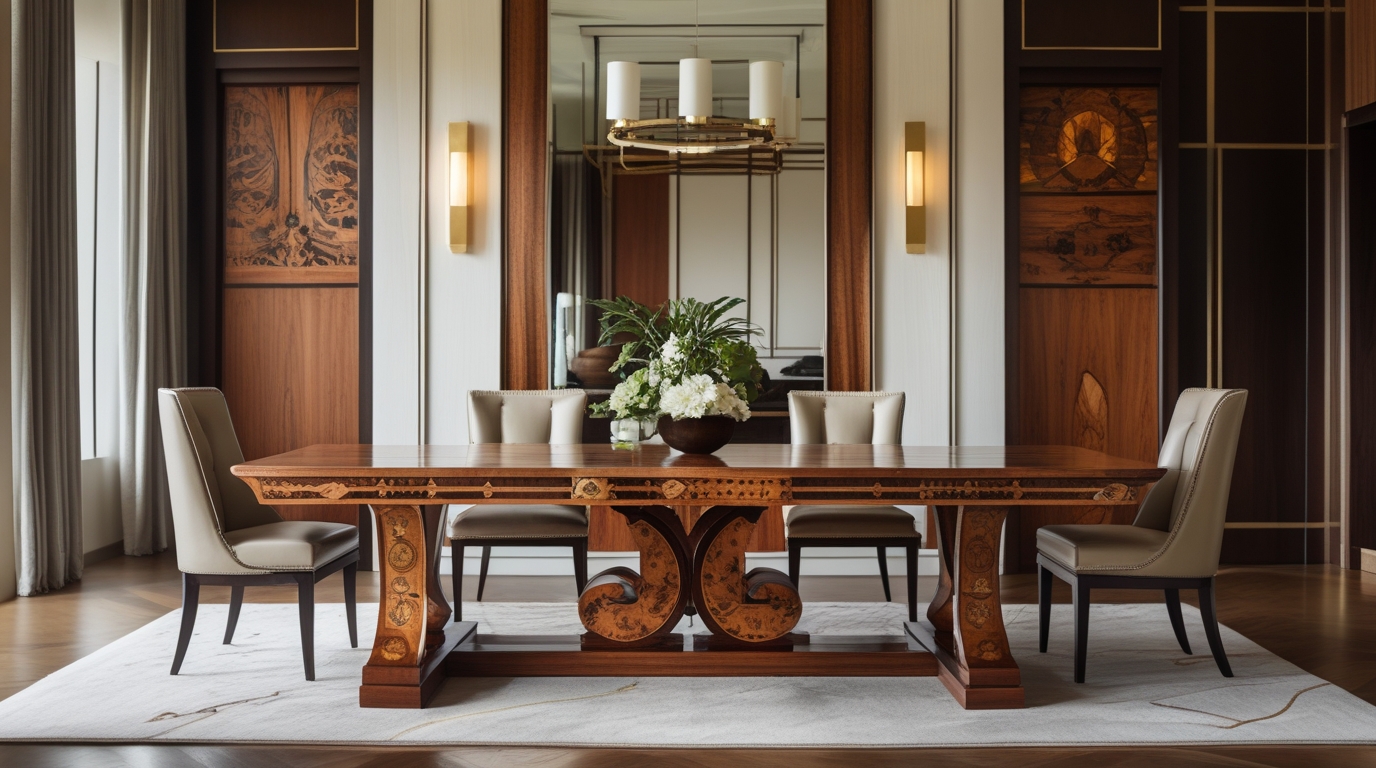
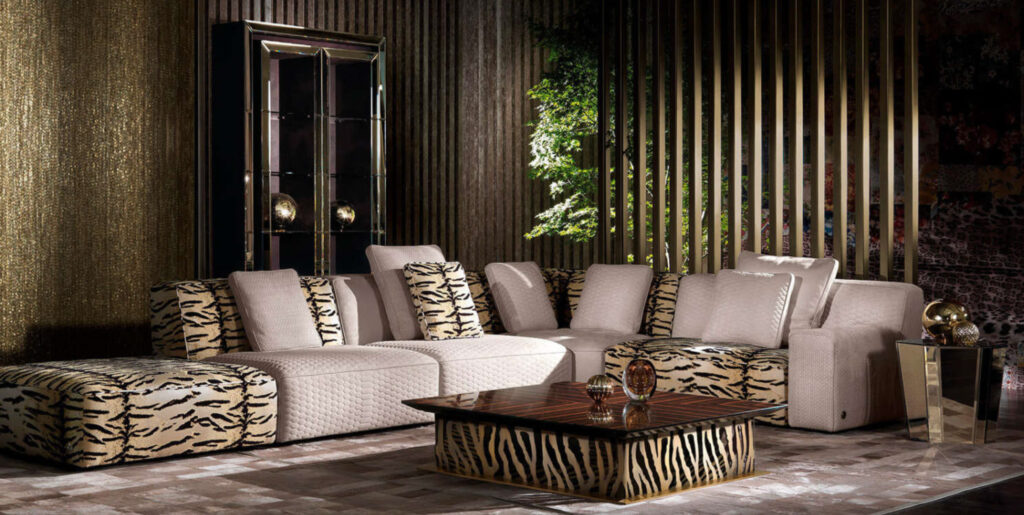
A furniture product page has to do more than display the product
A furniture website can have excellent photography, an attractive homepage and a strong brand identity, yet still lose sales on individual product pages.
The reason is simple.
When customers reach a product page, they are often moving from interest to evaluation.
They are no longer asking only:
“Does this look good?”
They may now be asking:
- Will it fit my room?
- What is it made from?
- Is the colour accurate?
- How large is it?
- How comfortable is it?
- How long will delivery take?
- Can I customise it?
- What happens if something goes wrong?
- Is the price justified?
- Can I return it?
- Is this business trustworthy?
If the website does not answer those questions, the customer may leave and continue researching elsewhere.
This matters even more for premium furniture.
A customer purchasing a low-cost household item may accept some uncertainty.
Someone considering a NZ$4,000 sofa, NZ$7,000 dining table or made-to-order furniture is likely to spend considerably more time evaluating the purchase.
The product page therefore needs to function as more than an online catalogue.
It should act as a digital sales environment.
Why detailed product information matters for furniture
Furniture has a particular ecommerce challenge.
Customers cannot physically experience the product through a screen.
They cannot sit on the chair.
They cannot run their hand over the timber.
They cannot judge the exact colour under their own lighting.
They cannot walk around a dining table to understand its proportions.
The product page has to compensate for some of those limitations.
That means providing enough information for customers to form a realistic understanding of what they are considering.
For a furniture product, useful information can include:
- Dimensions
- Materials
- Finish
- Colour
- Weight
- Construction
- Upholstery
- Available configurations
- Customisation
- Price
- Availability
- Lead time
- Delivery
- Assembly
- Care
- Warranty information
- Returns or applicable consumer rights
Not every product requires a huge block of text.
The information simply needs to be complete enough for the decision the customer is making.
The first job is to remove uncertainty
Conversion optimisation is often described as persuading customers to buy.
For premium furniture, a more useful approach is to think about reducing uncertainty.
A visitor who is uncertain about the product may hesitate.
A visitor who understands the product, knows the dimensions, can see the materials, understands the delivery arrangements and trusts the business has fewer unanswered questions.
This does not guarantee a purchase.
It does, however, make the website more useful.
A good product page should therefore identify the questions customers are likely to have and answer them before they become reasons to leave.
Product photography should show more than one angle
Furniture is a visual product.
The main product image needs to make a strong first impression, but one photograph is rarely enough.
A useful image gallery can include:
Main product image
A clear photograph showing the complete piece.
Lifestyle image
The furniture shown within a realistic interior.
Detail image
Close-up photography of timber, upholstery, stitching, joinery, handles or other significant features.
Alternative angle
Side, rear or three-quarter views where these help customers understand the product.
Scale or context
An image showing the furniture within a room can help customers judge proportions.
Finish or colour options
Where products are available in different finishes, customers should be able to see meaningful differences.
The objective is not to fill the page with photographs for their own sake.
Every image should answer a question or strengthen understanding.
Show furniture in realistic New Zealand interiors
Context matters.
A furniture product photographed in a huge international showroom may look impressive, but it may not help a New Zealand customer imagine the product in their own home.
Where possible, lifestyle photography should show realistic environments.
That might include:
- Contemporary houses
- Villas
- Bungalows
- Apartments
- Townhouses
- Coastal homes
- Holiday homes
- Rural properties
The objective is not to artificially label every photograph with a location.
It is to demonstrate how the furniture behaves within genuine living environments.
A dining table photographed within a realistic dining room can communicate scale and atmosphere far more effectively than an isolated product image.
Dimensions should be impossible to miss
Furniture dimensions are among the most commercially important pieces of product information.
A customer needs to know whether the product will actually fit.
Important measurements may include:
- Overall width
- Overall depth
- Overall height
- Seat height
- Arm height
- Tabletop thickness
- Clearance requirements
- Weight
- Internal dimensions where relevant
Use clear formatting rather than hiding measurements inside a paragraph.
For example:
Dimensions
Width: 2,400 mm
Depth: 1,000 mm
Height: 760 mm
If a product has multiple sizes, make the differences obvious.
Where possible, diagrams can be useful, particularly for large furniture.
This can prevent a customer from having to contact the business simply to understand the basic dimensions.
Help customers understand scale
Dimensions alone do not always communicate scale.
A customer may know that a sofa is 2,400 mm wide but still struggle to imagine what that means within their living room.
This is where contextual photography, diagrams and room-setting images become valuable.
A product page might show:
- The sofa beside other furniture
- A dining table with chairs
- A bed within a bedroom
- A desk within a workspace
The purpose is not to create an exact visual representation of every customer’s home.
It is to give them a more useful reference point.
Explain materials precisely
“Premium materials” is not enough information.
If a product is made from solid timber, explain the species where appropriate.
If upholstery is available in different fabrics, identify the relevant options.
If a product contains veneer, describe it accurately.
If a finish is applied to timber, explain what type of finish it is where useful.
Material information can include:
- Timber species
- Upholstery composition
- Fabric characteristics
- Leather type
- Metal finish
- Glass specifications
- Stone type
- Surface treatment
- Construction materials
Specific information allows customers to compare products more intelligently.
It can also help explain differences in price.
Explain what “custom” actually means
Many furniture businesses use terms such as:
Custom
Made to order
Bespoke
Personalised
But customers can interpret these terms differently.
If a product can be customised, explain the actual options.
Can customers change:
- Width?
- Height?
- Depth?
- Timber?
- Fabric?
- Colour?
- Finish?
- Configuration?
- Hardware?
If only certain elements can be changed, say so.
A dedicated customisation section can be particularly useful for higher-value furniture.
For example:
Custom options
Available in three timber finishes, five standard widths and selected upholstery options. Bespoke dimensions are available on request.
The exact information will depend on the business.
The principle is transparency.
Make product variations easy to navigate
Furniture frequently comes in multiple variations.
A sofa might have several configurations.
A dining table may be available in different lengths.
A chair might have dozens of upholstery choices.
A bed may come in several sizes.
The interface needs to make these options understandable.
Where a variation affects the price, availability or lead time, that should be clear.
Customers should not have to select several options and reach checkout before discovering that the chosen configuration costs substantially more.
Google specifically supports structured data for product variants, including furniture sold in different sizes, colours, materials or patterns. This can help Google understand the relationship between variants and make products eligible for relevant search experiences.
That technical work should support the customer experience rather than replace it.
Price transparency can reduce friction
Not every premium furniture business needs to display a fixed price.
For genuinely bespoke furniture, a quotation may be appropriate.
But where a product has a defined retail price, displaying it can make the website easier to use.
Where the price varies, explain why.
For example:
From NZ$3,950
could be accompanied by information explaining that the final price depends on size, material or upholstery.
Customers can then decide whether the product is within their budget before spending significant time researching it.
New Zealand’s Fair Trading Act applies to online selling and requires businesses to avoid misleading customers about prices, product characteristics and other important information.
Price information should therefore be accurate, current and clear.
Delivery information is part of the product decision
Furniture is not an ordinary small parcel.
Customers need to know how and when a large product will reach them.
A product page should provide relevant information about:
- Estimated lead time
- Delivery areas
- Delivery charges
- Assembly
- Installation
- Access requirements
- Rural delivery
- Apartment delivery
- Large-item delivery
- What happens if delivery is delayed
For made-to-order furniture, production and delivery should be distinguished where appropriate.
For example:
Production: 8–10 weeks
Delivery: Additional time depending on location
The exact timeframe should reflect the actual business process.
Avoid promising delivery periods simply because they sound commercially attractive.
Explain lead times honestly
Lead times can have a major effect on purchasing decisions.
A customer furnishing a newly purchased home may have a different timeframe from someone replacing a sofa.
If a product is in stock, say so.
If it is made to order, explain that.
If materials need to be sourced before production begins, explain the relevant process where useful.
A transparent product page can state:
Made to order
Estimated production: 6–8 weeks
Delivery timeframe varies by location
This is more useful than simply writing:
Available soon.
Customers can then make an informed decision.
Make care information part of the product experience
Furniture ownership does not end when the customer receives the product.
Care information can therefore add value to a product page.
Depending on the material, explain:
- Cleaning
- Spill response
- Heat exposure
- Direct sunlight
- Moisture
- Recommended products
- Maintenance frequency
- Fabric care
- Timber care
This is especially useful for premium materials.
It also communicates confidence.
A business willing to explain how customers should care for a product demonstrates that it is thinking beyond the initial sale.
Use FAQs to answer purchase objections
A product-page FAQ section can be highly effective when it addresses genuine questions.
For a sofa:
Can the upholstery be changed?
Is the cover removable?
What is the seat filling?
Can the configuration be reversed?
For a dining table:
Can the dimensions be customised?
What timber is used?
Is the finish suitable for everyday use?
How should the surface be maintained?
For a large furniture item:
Can it be delivered upstairs?
What access dimensions are required?
Is assembly included?
These questions should be based on real customer enquiries, not invented for SEO.
Over time, the sales team can identify recurring questions and turn them into useful website content.
Reviews can provide product-specific reassurance
Reviews become more useful when they provide context.
A statement such as:
“Beautiful product. Highly recommended.”
provides limited information.
A detailed review describing:
- Product purchased
- Quality
- Delivery
- Customer service
- Customisation
- Long-term experience
can help prospective customers understand what to expect.
Where genuine reviews are available, product pages should present them clearly.
Businesses should not fabricate, selectively misrepresent or manipulate customer feedback.
The objective is to provide credible evidence.
Show completed projects alongside individual products
A product can look different in isolation compared with a completed interior.
If a particular sofa has been used in a residential project, show it.
If a dining table has been installed in a large open-plan home, show the finished space.
This gives the customer additional evidence of how the product works.
A product page can link to relevant project stories:
See this table in a completed Christchurch renovation.
or:
Explore the full residential project.
The customer can then move from product information to real-world application.
Make the manufacturing story accessible
For furniture brands that manufacture or finish products themselves, the production process can be an important differentiator.
A product page can include a short section explaining:
- Where it is made
- How it is constructed
- Key manufacturing stages
- Craftsmanship
- Quality-control processes
This is particularly valuable for bespoke and premium products.
But avoid turning every page into a manufacturing essay.
A concise explanation with supporting imagery may be more effective.
Customers who want greater detail can then follow a link to a dedicated craftsmanship or About page.
Avoid vague claims about quality
Luxury furniture websites often use words such as:
- Exceptional
- Premium
- Superior
- Best
- Finest
- World-class
- Heirloom
- Unmatched
These words may contribute to brand positioning, but they are weak substitutes for evidence.
Instead of:
“The finest dining table available.”
explain:
- What timber is used
- How the table is constructed
- What finish is applied
- What customisation is available
- Where it is manufactured
- What warranty applies
- What care is required
Specific information gives customers something they can evaluate.
New Zealand’s Fair Trading Act prohibits misleading or deceptive conduct and unsubstantiated claims. This includes claims about a product’s characteristics, quality, origin, benefits and other important attributes.
Product pages should support search visibility
A detailed product page can also create an important SEO asset.
Search engines need to understand:
- What the product is
- Who makes it
- What it costs
- Whether it is available
- What variations exist
- What materials are involved
- What the page is about
That requires more than repeating the product name.
Useful page elements include:
- Descriptive product title
- Unique product description
- Clear headings
- Relevant dimensions
- Material information
- Product specifications
- Internal links
- High-quality images
- Appropriate image alt text
- Product structured data
- Accurate price and availability
Google explains that Product structured data can make product pages eligible for richer search appearances containing information such as price, availability and review details.
Eligibility does not guarantee that Google will display a particular enhanced result.
The underlying page still needs to be useful.
Write unique descriptions for important products
Copying the same manufacturer description across dozens of websites makes it harder for a retailer to establish a distinctive product page.
Where appropriate, develop original descriptions that explain the product in the context of the business and its customers.
A useful product description can cover:
What it is
A concise explanation of the product.
Why it is distinctive
Materials, design or construction characteristics.
How it works
Configurations, dimensions and practical features.
Who it suits
Relevant use cases without making unsupported claims.
What customers need to know
Lead time, care, customisation and delivery.
The writing should remain natural.
Do not turn the description into a list of repeated search phrases.
Use product names customers can understand
Creative product names can work well for branding.
But if a product is called:
The Aria No. 7
a customer may not know what it is.
The page title could combine the brand name with a descriptive category.
For example:
Aria No. 7 Solid Timber Dining Table
This provides both brand identity and immediate product clarity.
The same principle applies to product collections.
A distinctive collection name can be retained while supporting it with a descriptive explanation.
Internal links can guide customers through the range
A product page should not always be a dead end.
Useful internal links can connect customers to:
- Related products
- Matching chairs
- Other sizes
- Alternative finishes
- The wider collection
- Care guides
- Project pages
- Custom furniture services
- Delivery information
- Showroom information
For example, a dining table page could include:
Complete the setting
with links to relevant dining chairs and lighting.
This helps customers explore the range without returning to the homepage.
Related products should actually be related
A common ecommerce feature is:
You may also like…
But random product recommendations do not necessarily help.
Recommendations can be based on:
- Similar design
- Same collection
- Complementary products
- Alternative size
- Alternative material
- Higher or lower price
- Matching furniture
The recommendation should help the customer make a decision.
For a premium furniture brand, excessive product grids can also weaken the sense of curation.
Quality is more important than quantity.
Build a clear path to purchase
A detailed product page still needs a clear conversion mechanism.
Depending on the business, this may be:
Add to Cart
Buy Now
Request a Quote
Enquire About This Product
Book a Consultation
Check Availability
Visit Showroom
The primary action should reflect the actual purchasing process.
A bespoke furniture maker should not pretend that a complex custom order can be completed through a generic checkout.
An ecommerce furniture retailer should not force every customer to submit an enquiry when the product can be purchased directly.
The website should match the real sales process.
Make the next step obvious on mobile
A significant portion of ecommerce discovery occurs on mobile devices.
The product page therefore needs to work well on smaller screens.
Customers should be able to:
- View product images
- Select variants
- Read essential information
- See the price
- Understand availability
- Add to cart or enquire
- Contact the business
without excessive scrolling or awkward controls.
Important information should not disappear behind difficult navigation.
If the product is expensive, customers may still want to read extensively on mobile.
The solution is not necessarily to remove information.
It is to structure it clearly.
Accordion sections, tabs and concise summaries can help organise larger amounts of product information.
Do not bury the most important information
A product page may contain excellent information but still perform poorly if customers cannot find it.
Prioritise information around the buying decision.
A useful hierarchy could be:
Product name
Key image
Price
Short value proposition
Available options
Primary action
Availability/lead time
Dimensions
Materials
Delivery
Detailed description
Care
Reviews
FAQs
The exact structure can vary.
The principle is that customers should not have to read the entire page before discovering whether the product is relevant to them.
Make returns and consumer information easy to find
Online customers need confidence about what happens if the product does not meet expectations or something goes wrong.
Businesses should provide clear information about their applicable returns, refunds, delivery and other policies.
New Zealand’s Consumer Guarantees Act provides consumer protections for products bought from businesses, including that products should be of acceptable quality, match their description and be fit for purpose. The Act can also provide remedies when goods fail to meet those guarantees.
The exact rights and policies can depend on the circumstances.
A product page does not need to reproduce legislation.
But it should link clearly to relevant policy information and avoid creating misleading expectations.
Be transparent about extra costs
The advertised product price is not always the final cost.
Furniture websites may have additional charges for:
- Delivery
- Installation
- Assembly
- Rural delivery
- Special access
- Customisation
- Selected materials
- Premium finishes
If an additional cost is likely to affect the purchasing decision, make it clear.
New Zealand Consumer Protection guidance states that businesses must not mislead customers about prices and that advertised prices should be genuine and clear, with relevant extra costs disclosed.
This is particularly important for large furniture purchases where delivery costs can be material.
Use urgency carefully
Furniture websites sometimes use messages such as:
Only 2 left
Sale ends tonight
Last chance
Almost sold out
These messages should reflect reality.
Artificial scarcity can damage trust and create legal risk if it misleads customers.
If only two products are actually available, a stock message may be useful.
If an item is made to order and always available, pretending that supply is about to disappear creates a different impression.
New Zealand’s Fair Trading Act specifically addresses misleading advertising, bait advertising and misleading claims about scarcity or promotions.
For premium brands, honest urgency is generally more credible than manufactured pressure.
Use video where it adds information
Furniture can benefit significantly from video.
A product video might show:
- The furniture from multiple angles
- How a mechanism operates
- A chair being sat on
- A table extension being opened
- Drawer operation
- Upholstery details
- Material texture
- Assembly
- A customisation process
Video should answer questions that photographs cannot answer as effectively.
It should not simply duplicate the same information.
Connect product pages to the showroom
For businesses with physical showrooms, ecommerce does not have to replace the showroom.
The product page can encourage customers to experience the product in person.
For example:
See this sofa in our Auckland showroom.
View available finishes in store.
Book a furniture consultation.
Check showroom availability.
This is particularly valuable for products where tactile experience affects the purchase decision.
The website becomes the first stage of the showroom journey.
Use customer questions to improve product pages over time
The sales team is one of the best sources of product-page content.
If customers repeatedly ask:
“What is the seat height?”
add it.
If they repeatedly ask:
“Can this be made in a smaller size?”
add the answer.
If they repeatedly ask:
“How long will delivery take?”
make that information easier to find.
If customers regularly ask whether a particular fabric is suitable for family use, provide clear information about the fabric’s characteristics and any relevant care requirements.
A product page should evolve based on real customer behaviour.
Track what happens after the product page
Website analytics can reveal where customers are dropping out.
Useful events to monitor can include:
- Product views
- Variant selections
- Add-to-cart actions
- Checkout starts
- Purchases
- Enquiry submissions
- Phone clicks
- Consultation bookings
- Brochure or specification downloads
For higher-value furniture, the conversion may not happen during the first visit.
A customer might view the product, leave, return through Google several days later and then submit an enquiry.
This is why conversion tracking should consider the broader customer journey rather than simply measuring one session.
Use search and paid traffic to test product-page performance
A product page may receive traffic from:
- Organic search
- Google Ads
- Social media
- Direct visits
- Referral traffic
If a product page receives substantial traffic but very few meaningful actions, the problem may not be traffic acquisition.
The page itself may need improvement.
Potential issues include:
- Weak product photography
- Unclear pricing
- Missing dimensions
- Poor mobile design
- Complicated variants
- Unclear delivery information
- Weak trust signals
- Slow page speed
- Difficult enquiry process
This is why website optimisation should be considered alongside SEO and advertising.
More traffic does not automatically solve a conversion problem.
A practical product-page checklist for NZ furniture businesses
Before launching or reviewing an important product page, ask:
Product clarity
- Is the product immediately understandable?
- Is the product name descriptive?
- Are the key features clear?
Visual presentation
- Are there enough useful photographs?
- Is there lifestyle imagery?
- Can customers see important details?
Specifications
- Are dimensions clear?
- Are materials identified accurately?
- Are weight and other relevant specifications provided?
Variations
- Are sizes, finishes and materials easy to select?
- Do variations affect price or availability clearly?
Commercial information
- Is the price clear?
- Are additional costs explained?
- Is the lead time realistic?
Delivery
- Can customers understand delivery arrangements?
- Are large-item or rural considerations addressed where relevant?
Trust
- Are genuine reviews available?
- Is the business clearly identified?
- Is there information about the company or maker?
Conversion
- Is the primary action obvious?
- Can customers enquire easily?
- Is the process appropriate for the product?
SEO
- Does the page target a meaningful search intent?
- Is the content unique?
- Are internal links useful?
- Is product structured data implemented correctly where appropriate?
Compliance
- Are product, price, availability and promotional claims accurate?
- Are important conditions clearly disclosed?
What better product pages can do for a furniture business
A stronger product page can support several parts of the customer journey at once.
It can help a searcher discover a product through organic search.
It can give a Google Ads visitor somewhere relevant to land.
It can give a social-media visitor more information.
It can answer questions before a showroom visit.
It can help an existing customer compare options.
And it can give a ready-to-buy customer the information needed to complete an order.
That makes product-page quality a broader marketing issue, not simply an ecommerce design issue.
Final thoughts
For New Zealand furniture businesses, a product page should be treated as one of the most important commercial assets on the website.
It needs to make the product attractive, but attractiveness is only the beginning.
Customers also need enough information to understand the furniture, judge its suitability, assess the price, understand delivery and feel confident about the business selling it.
This is particularly important for premium furniture, where the financial commitment and consideration period can be significantly greater.
The most effective product pages therefore combine strong photography, precise specifications, useful explanations, transparent commercial information, credible trust signals and a clear next step.
They also need a strong technical foundation.
Google’s current ecommerce guidance supports Product structured data and product-variant structured data, including for furniture products with variations such as size, colour and material. These features can help search engines understand product information and may make pages eligible for richer search experiences, although enhanced visibility is not guaranteed.
For NZ businesses, accuracy is equally important. Product descriptions, prices, delivery information and promotional claims need to give customers a clear and truthful impression. New Zealand’s Fair Trading Act applies to online sales and prohibits misleading or unsubstantiated claims.
HLM approaches website development with this broader commercial perspective. For furniture brands, improving product pages can sit alongside SEO, Google Ads, ecommerce development and conversion optimisation as part of a connected digital strategy.
The goal is not simply to create pages that look good.
It is to create product pages that give customers the information and confidence they need to move from “I like this” to “I understand this product, I trust this business and I know what to do next.”
That is where better product-page content can contribute to stronger online furniture sales.
Sources and further reading
- Google Search Central – Product structured data: Guidance on product markup and richer product search appearances.
- Google Search Central – Product variants: Specific guidance for products such as furniture with variations in size, colour, material and other attributes.
- Google Search Central – Ecommerce product data: Guidance on structured data and Google Merchant Center for ecommerce websites.
- New Zealand Consumer Protection – Fair Trading Act: Requirements covering advertising, product claims, pricing, promotions and online sales.
- New Zealand Consumer Protection – Misleading prices or advertising: Guidance on accurate pricing, discounts, scarcity claims and unsupported representations.
- New Zealand Consumer Protection – Online shopping: Information on Consumer Guarantees Act and Fair Trading Act protections for online purchases.