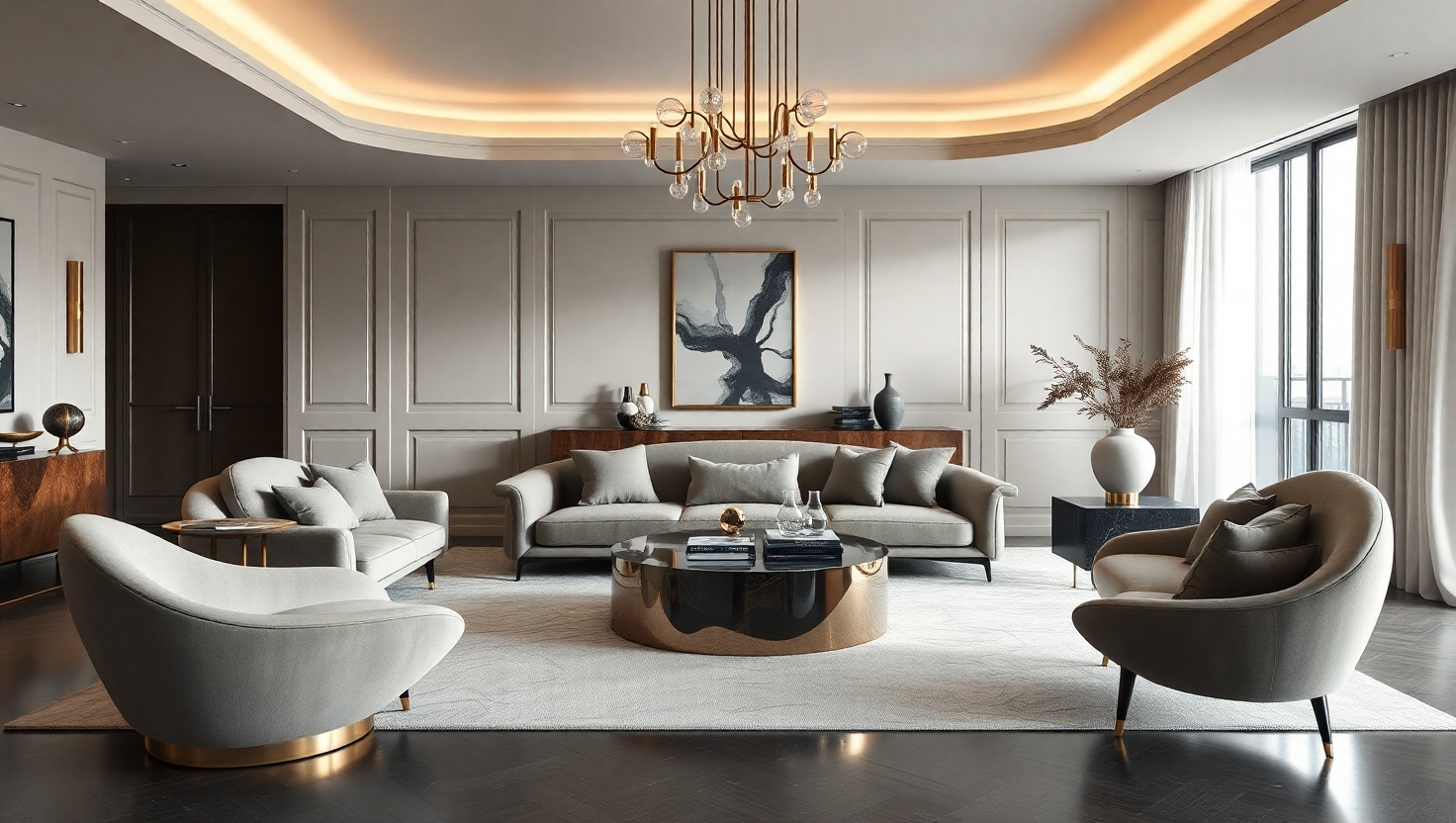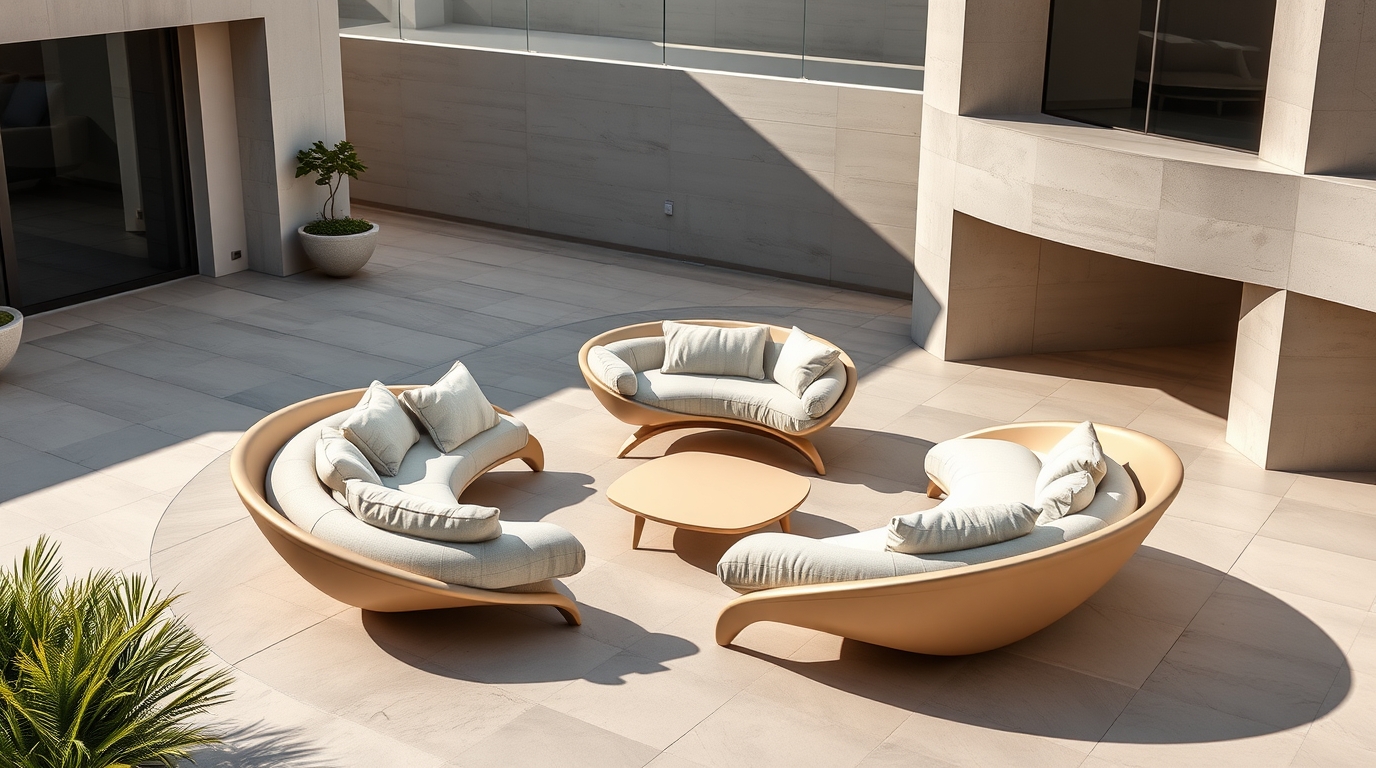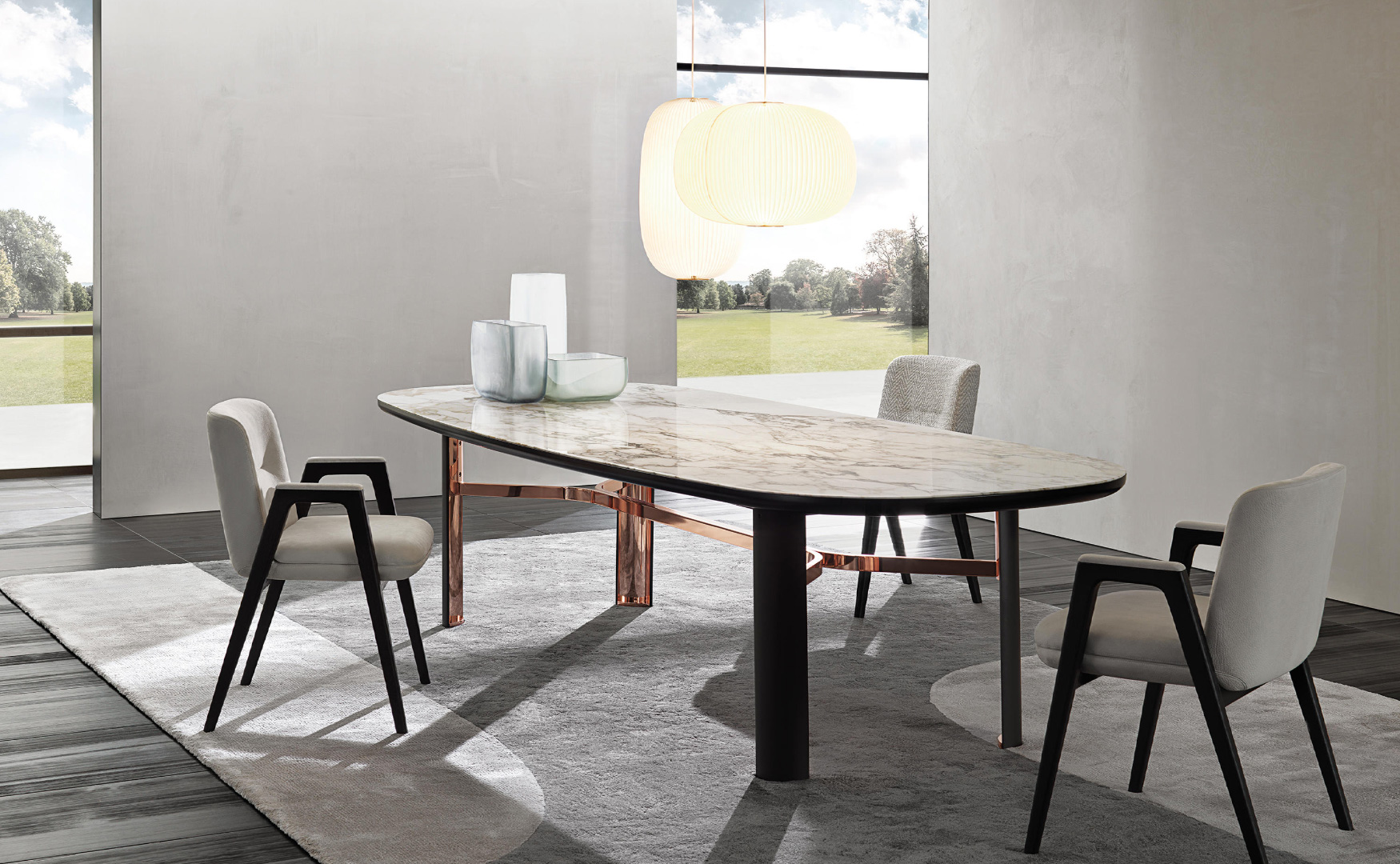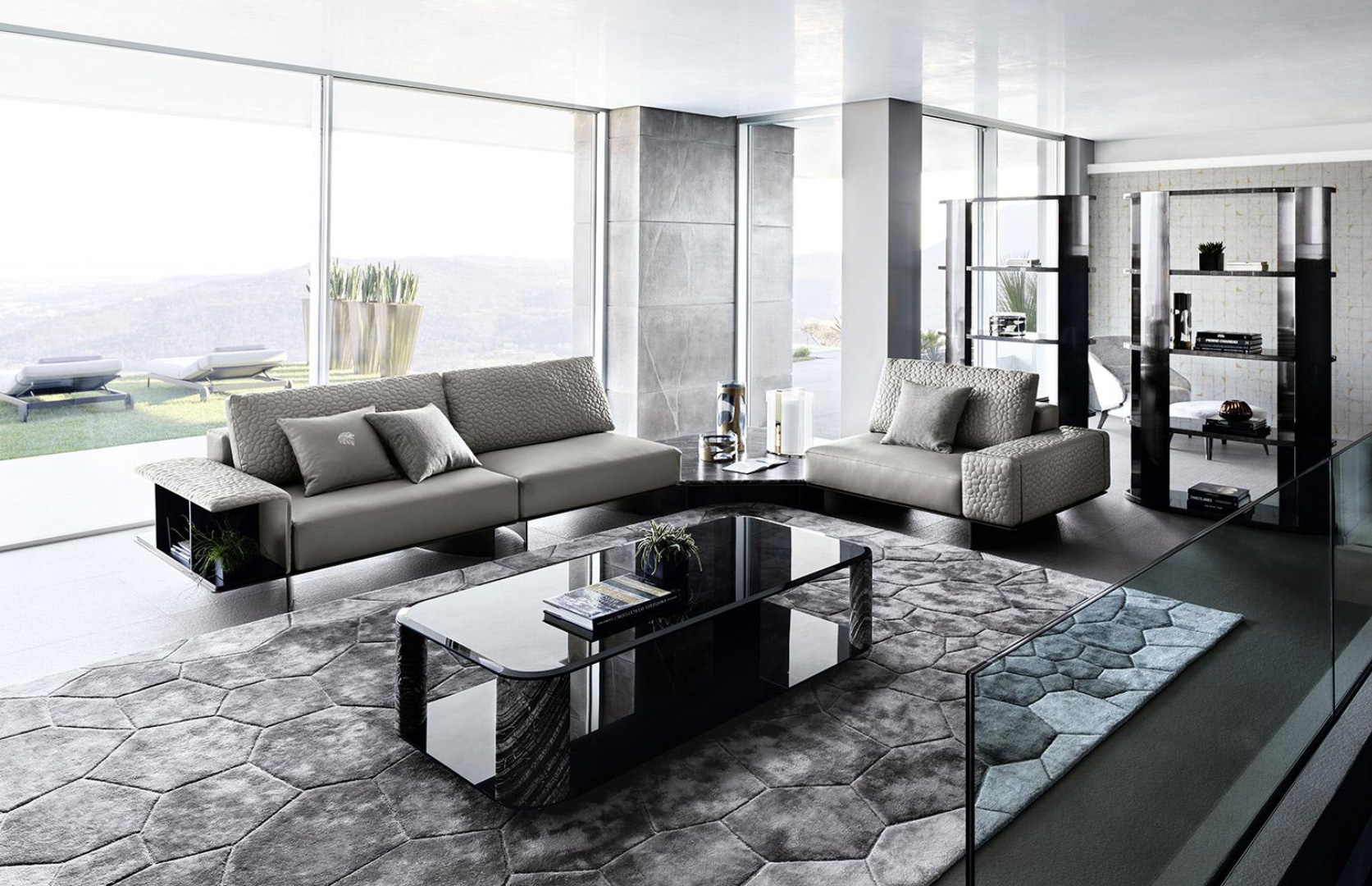
Selling furniture online is fundamentally different from selling many smaller consumer products.
A customer can see a photograph of a chair and immediately decide that they like its shape. But liking the design is only the first step.
Before purchasing, they may want to know whether the chair is comfortable, how large it is, what it is made from, how the fabric feels, whether the colour is accurate, how long delivery will take and what happens if the product arrives damaged.
The higher the price, the more questions tend to matter.
This creates a particular challenge for New Zealand furniture brands selling premium designs online. The website needs to create the same sense of confidence that a well-presented showroom can provide, while also making the purchasing process convenient.
That means a successful furniture e-commerce strategy is not simply about uploading a catalogue.
It is about creating a digital buying environment in which design creates interest, information builds confidence and the website makes purchasing straightforward.
New Zealand consumers are already comfortable with online purchasing. MBIE’s 2024 Consumer Survey found that 91% of respondents had purchased a product or service online during the previous six months, while 19% reported shopping online at least weekly.
For furniture businesses, the opportunity is therefore not whether customers will buy online.
The more important question is:
What does a premium furniture brand need to do to make a high-value online purchase feel sufficiently clear and trustworthy?
Premium Furniture Needs More Than a Product Catalogue
A traditional furniture website can easily become a digital catalogue.
There may be hundreds of products organised into categories such as:
- Sofas
- Chairs
- Tables
- Beds
- Storage
- Outdoor furniture
- Lighting
- Accessories
That structure is useful, but it does not necessarily help a customer make a purchasing decision.
Premium furniture often involves considered buying.
A customer may spend several weeks comparing a sofa before ordering. They may save photographs, discuss options with a partner, visit a showroom, search for reviews and return to the website multiple times.
The website therefore needs to support the entire decision-making process, not just the final transaction.
A strong e-commerce experience should help customers answer four questions:
1. Do I like it?
This is primarily visual and emotional.
2. Is it right for my home?
This involves dimensions, style, materials, colour and suitability.
3. Can I trust the business?
This involves reviews, policies, information, contact details and reputation.
4. Can I confidently buy it online?
This involves pricing, availability, delivery, payment and returns.
If the website answers only the first question, it is functioning primarily as a showroom.
If it answers all four, it becomes a sales channel.
Build the Website Around How People Actually Buy Furniture
Furniture customers rarely move through a perfectly linear buying journey.
One person may begin with a Google search for a specific sofa.
Another may discover a dining collection through social media.
Another may search for interior inspiration and eventually discover the brand.
Another may already know the brand but visit the website to compare colours and dimensions before contacting the business.
The website should accommodate all of these journeys.
That means the information architecture should support:
- discovery
- inspiration
- product research
- comparison
- reassurance
- purchase
- after-sales support
This is why e-commerce website architecture matters.
The customer should be able to move from an inspirational collection to an individual product without having to repeatedly navigate backwards and forwards.
For example:
Living Room → Sofas → Modular Sofas → Specific Model → Fabric → Dimensions → Delivery → Purchase
That journey is considerably more useful than simply presenting an attractive homepage.
Make Product Pages the Centre of the Sales Experience
For premium furniture brands, product pages deserve significant attention.
The product page should answer as many purchasing questions as possible without overwhelming the customer.
A strong furniture product page can include:
- product photography
- lifestyle imagery
- dimensions
- materials
- available finishes
- fabric options
- colours
- construction information
- care instructions
- delivery information
- stock or lead-time information
- warranty information
- reviews
- related products
- frequently asked questions
The exact structure will depend on the product.
A dining table needs different information from an upholstered sofa.
A bed requires different considerations from an outdoor chair.
The principle remains the same:
The customer should not have to contact the business simply to discover basic information that could reasonably be provided online.
That does not mean removing personal service.
Quite the opposite.
Good product information allows sales staff to spend more time helping customers with genuinely complex decisions.
Use Photography to Communicate More Than Style
Furniture is an inherently visual purchase.
A customer needs to understand not only what the product looks like but how it might exist within their own home.
That requires multiple forms of imagery.
Use clean product photography
Clean images help customers inspect the product itself.
They should make it possible to understand:
- shape
- proportions
- construction
- colour
- finish
- details
Use lifestyle photography
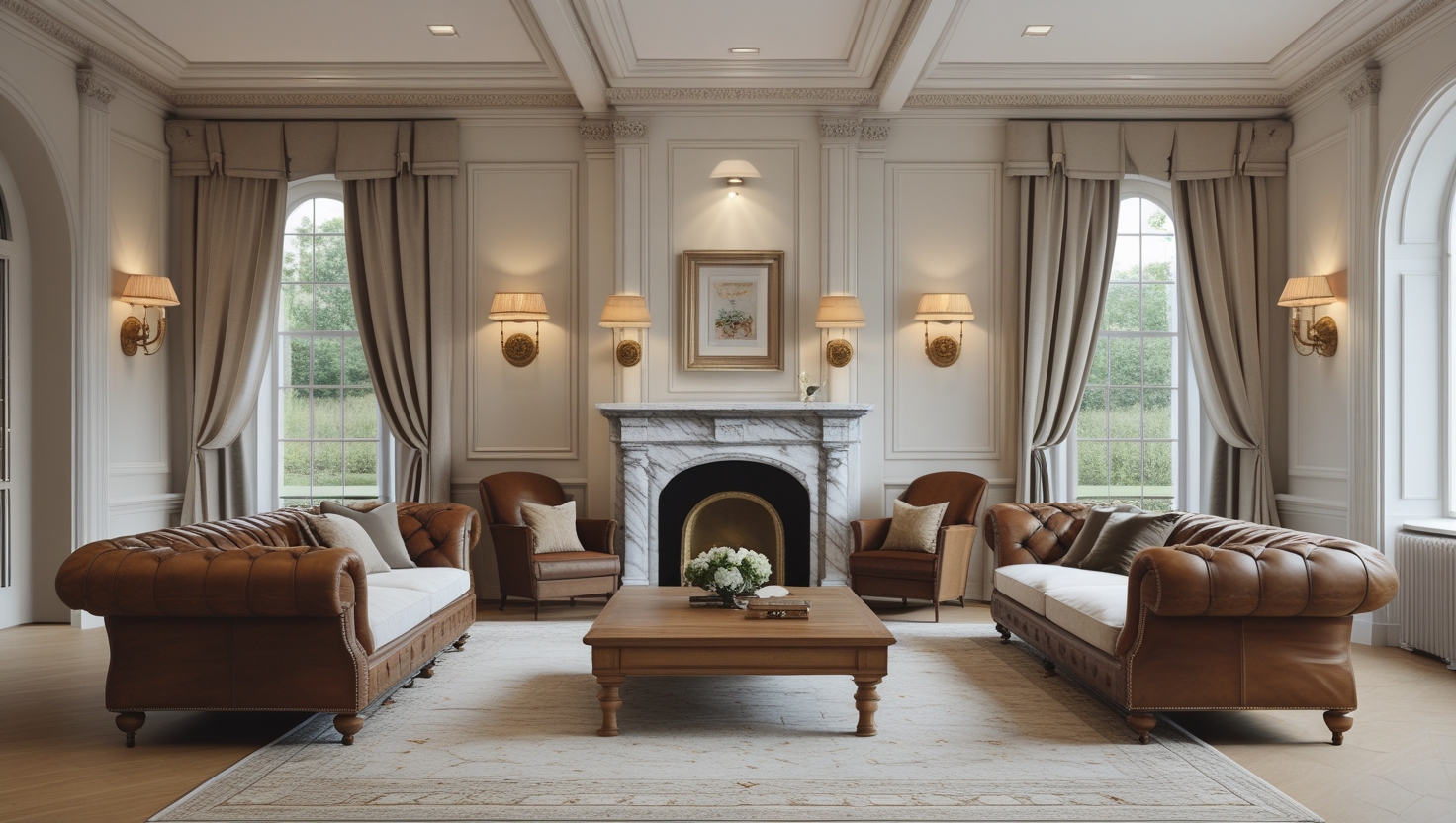
Lifestyle images provide context.
A sofa photographed in a thoughtfully designed living room communicates something that an isolated product photograph cannot.
It helps the customer imagine the product in use.
Show important details
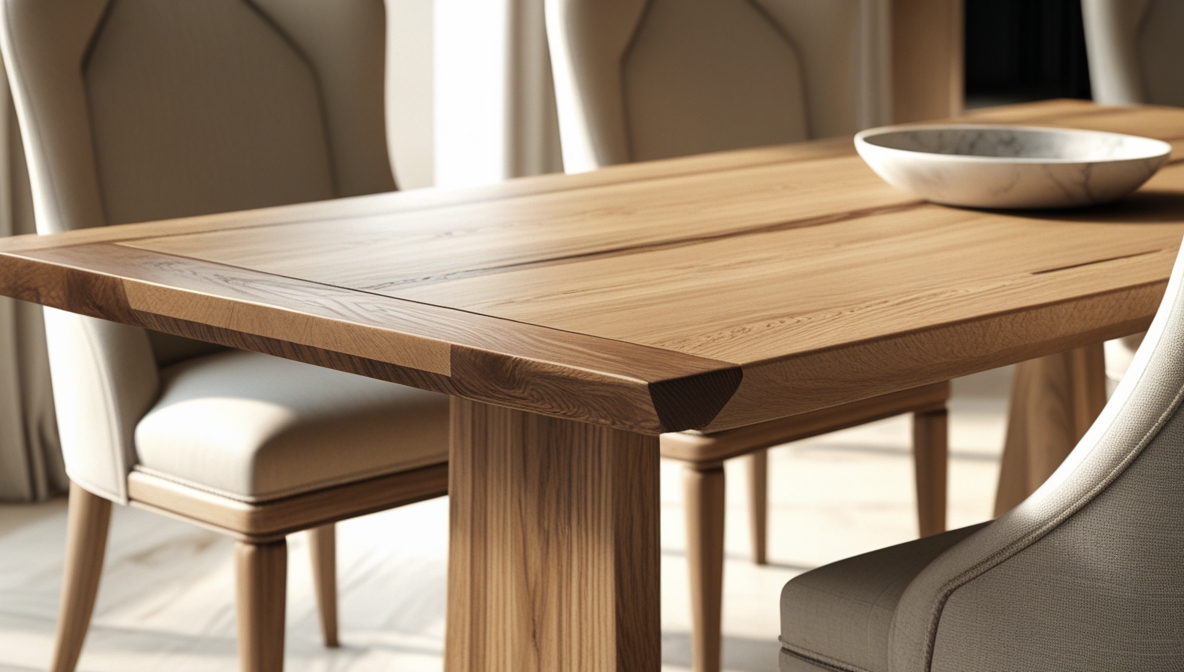
Close-up photography can be particularly valuable for premium products.
For example:
- timber grain
- stitching
- upholstery
- joinery
- metal finishes
- stone surfaces
- woven textures
These details can help justify the product’s positioning and price by showing the characteristics customers cannot physically inspect online.
Show scale
Furniture dimensions can be difficult to visualise.
Where appropriate, include imagery that helps communicate scale.
A sofa may look relatively compact in an isolated photograph but occupy considerably more space than a customer expects.
Visual context helps reduce that uncertainty.
Give Customers the Information They Need to Judge Quality
Premium furniture buyers are often evaluating more than appearance.
They are also evaluating construction and longevity.
Instead of simply describing a product as:
“Beautifully crafted from premium materials.”
explain what that actually means.
For example:
- What material is used?
- Where is it used?
- What type of finish has been applied?
- How is the frame constructed?
- What upholstery options are available?
- Is the product assembled?
- What care does it require?
- Is replacement hardware available?
- What is the expected maintenance?
The more expensive the product, the more valuable specific information becomes.
Marketing language can create interest.
Specific evidence helps support the purchase decision.
Be Precise With Furniture Dimensions
Dimensions are one of the most important elements of online furniture selling.
A customer needs to know whether a product will actually fit.
For furniture, consider providing:
- overall width
- depth
- height
- seat height
- seat depth
- clearance requirements
- packaging dimensions where relevant
- weight where relevant
For larger furniture, additional practical information can be useful.
For example:
Will it fit through a standard doorway?
Will it fit in a lift?
Does it require assembly?
How much clearance is required around it?
This information can reduce uncertainty before checkout.
It can also reduce avoidable delivery problems.
Make Materials and Finishes Easy to Understand
Premium furniture often has variations in:
- timber
- stone
- leather
- fabric
- metal
- glass
- finish
Customers should not have to guess what these materials actually look or feel like.
Where possible, provide:
- material descriptions
- close-up images
- finish samples
- colour options
- care information
- variation explanations
Natural materials may have variation in colour, grain or texture.
That should be explained clearly rather than hidden.
Good product information manages expectations.
It does not attempt to make the product appear artificially perfect.
Create a Digital Showroom Experience
A premium furniture website should not necessarily feel like a large online marketplace.
The visual experience should reinforce the brand’s positioning.
This includes:
- considered typography
- high-quality imagery
- consistent spacing
- clear navigation
- restrained design
- intuitive product filtering
- well-structured product pages
- strong mobile presentation
- fast loading
- straightforward checkout
However, premium does not mean complicated.
A website can look sophisticated while remaining extremely easy to use.
The best combination is often:
high-quality presentation + low-friction navigation.
Customers should feel that the brand understands design without making them work unnecessarily hard to purchase.
Use Collections to Help Customers Shop by Lifestyle
Customers do not always think in product categories.
They may think:
“I need to furnish my new living room.”
rather than:
“I need to browse category number three.”
Furniture brands can therefore create collections around customer needs.
Examples could include:
- Apartment Living
- Contemporary Dining
- Natural Timber
- Outdoor Entertaining
- Small-Space Furniture
- Relaxed Coastal
- Modern Classic
- Home Office
- New Season Collection
These collections can bring products together around a practical or aesthetic purpose.
They can also increase opportunities for cross-selling.
A customer browsing a dining table can see the chairs, lighting and accessories that complement it.
The website becomes a source of direction rather than simply a product database.
Turn Room Inspiration Into Shoppable Content
One of the strongest opportunities for premium furniture brands is to connect editorial content with e-commerce.
Imagine a page featuring a complete New Zealand living room.
The page could include:
The Sofa
The Coffee Table
The Lounge Chair
The Rug
The Lighting
The Side Table
Instead of leaving customers to identify the products themselves, each item can connect directly to its product page.
This creates a natural transition:
Inspiration → Product discovery → Product research → Purchase
The same principle can be applied to:
- dining rooms
- bedrooms
- outdoor entertaining areas
- home offices
- apartments
- holiday homes
- larger lifestyle properties
This is particularly useful for customers who know the look they want but are less certain about individual products.
Create New Zealand-Relevant Furniture Content
A premium furniture brand selling in New Zealand has an opportunity to create content that is specifically useful to local customers.
Generic international content is easy to produce but often less commercially valuable.
Consider topics such as:
How to Choose a Sofa for a Compact Auckland Living Room
What to Consider When Furnishing a Coastal New Zealand Home
How to Choose Outdoor Furniture for NZ Conditions
How to Measure Your Room Before Buying a Dining Table
How to Furnish a Modern New Zealand Villa
The objective is not to insert place names into every article.
It is to answer genuine questions that New Zealand customers may have.
Regional relevance should be used where it changes the advice.
Account for New Zealand’s Geography in Delivery
Furniture logistics can be more complicated than delivering small consumer goods.
A customer in Auckland, Hamilton or Christchurch may have different delivery expectations from someone in a more remote location.
Businesses should therefore explain:
- delivery regions
- delivery methods
- estimated timeframes
- delivery charges
- large-item delivery
- assembly
- room-of-choice delivery, if offered
- rural delivery conditions
- what happens when nobody is home
- what customers should do if an item arrives damaged
This information is part of the buying experience.
If delivery appears uncertain, the customer may delay purchasing even when they love the product.
Make Delivery Information Visible Before Checkout
Do not hide important delivery information until the final stage.
For premium furniture, delivery costs can be material.
A customer buying a $4,000 dining table may want to know the delivery arrangements before investing significant time in the purchase process.
Consumer Protection NZ states that when a retailer arranges delivery, the retailer remains responsible for ensuring goods arrive on time and in acceptable condition under the Consumer Guarantees Act.
The commercial lesson is straightforward.
Your delivery process should be clear enough that customers know what to expect.
Build Trust Into the E-Commerce Experience
Trust is particularly important when a customer is purchasing an expensive product without seeing it physically.
The website should make it easy to identify:
- the business
- its physical location, where relevant
- contact details
- customer service options
- delivery policies
- returns policies
- warranty information
- payment methods
- product reviews
- product specifications
Consumer Protection NZ specifically recommends checking a seller’s identity and contact details, reviews, delivery terms and refund or return policies before purchasing online.
These are not merely compliance details.
They are conversion assets.
A customer who can easily find the information they need has fewer reasons to hesitate.
Use Reviews as Evidence, Not Decoration
Premium furniture businesses should make good use of customer reviews.
A generic five-star rating provides some reassurance.
A detailed review can provide considerably more.
For example, a useful review might discuss:
- product quality
- comfort
- colour accuracy
- delivery
- assembly
- durability
- customer service
MBIE’s 2026 Consumer Survey notes that consumers continue to rely on independent information sources such as reviews and ratings when making purchasing decisions.
Furniture brands should therefore consider where reviews appear.
Useful locations include:
- product pages
- collection pages
- homepage
- buying guides
- relevant campaign landing pages
Product-specific reviews are particularly useful because they address the exact purchasing decision.
Do Not Hide Negative Product Characteristics
Premium positioning should not mean pretending every product is perfect for every customer.
Suppose a particular fabric requires careful maintenance.
Explain it.
Suppose a timber product can develop natural variation.
Explain it.
Suppose a piece is particularly heavy.
Explain it.
Suppose a sofa has a deeper seat that may not suit everyone.
Explain it.
Clear information can actually increase trust.
Customers are more likely to feel that the business is helping them make the right decision rather than simply trying to close the sale.
Make Returns and Guarantees Clear
Furniture returns can be more complicated than returns for smaller products.
A customer needs to understand the retailer’s own policy as well as their legal rights.
Under New Zealand’s Consumer Guarantees Act, products sold by businesses must meet specified guarantees, including acceptable quality, fitness for purpose and matching their description. Products must also be delivered on time or within a reasonable time and in good condition.
A change of mind is different. New Zealand Consumer Protection guidance states that businesses generally do not have to accept a return simply because a customer has changed their mind, unless the retailer’s own policy provides for it.
Furniture brands should therefore clearly explain:
- their change-of-mind policy
- damaged-goods procedure
- faulty-product process
- warranty information
- customised-product conditions
- delivery damage reporting
- relevant timeframes
The exact wording should be reviewed against current New Zealand consumer law and the business’s actual policies.
Use SEO to Capture Furniture Customers Before They Are Ready to Buy
Search engine optimisation can help furniture brands reach customers at several stages.
Someone might search:
“modern living room ideas NZ”
Then:
“best sofa for small living room”
Then:
“linen sofa NZ”
Then:
“linen sofa Auckland delivery”
These searches represent different levels of commercial intent.
A furniture brand should not expect every customer to arrive through a product search.
Some customers need inspiration first.
Others are comparing materials.
Others already know exactly what they want.
A strong SEO strategy can support each stage.
Build Useful Buying Guides
Furniture buying guides can perform an important commercial role.
For example:
Sofa Buying Guides
- How to measure for a sofa
- Choosing sofa depth
- Choosing upholstery
- Modular versus fixed sofas
- Selecting a sofa for a small room
Dining Furniture Guides
- Choosing the correct dining table size
- How many chairs fit around a table?
- Timber versus other materials
- Round versus rectangular dining tables
Bedroom Guides
- Choosing a bed size
- Selecting bedroom storage
- Choosing bedside tables
- Bedroom furniture proportions
These pages should not exist simply to attract search traffic.
Their purpose should be to help customers make decisions and move naturally towards relevant products.
Use Google Ads for High-Intent Furniture Searches
SEO can build visibility over time, while Google Ads can provide access to customers actively searching for products and categories.
Potential campaigns could target searches involving:
- specific furniture products
- furniture categories
- materials
- styles
- brand names
- high-intent product terms
But paid traffic only becomes commercially useful when the landing experience is strong.
A customer searching for a premium sofa should ideally arrive at a relevant sofa category, collection or product page rather than being sent to the homepage.
The relationship should be clear:
Search → Ad → Relevant landing page → Product → Purchase
A disconnected landing experience wastes both advertising spend and customer attention.
Use Shopping Feeds and Structured Product Information
Furniture businesses with substantial product catalogues can also benefit from making product information machine-readable and consistent across their e-commerce infrastructure.
Important information includes:
- product names
- prices
- availability
- images
- descriptions
- variants
- identifiers
- shipping information
Accurate product data helps create consistency between the website and other digital shopping environments.
The underlying principle is simple:
The product information presented in search or advertising should match what the customer finds on the website.
Discrepancies can damage trust and create unnecessary customer-service problems.
Make the Mobile Experience a Priority
Furniture research increasingly happens across multiple devices.
A customer may first discover a product on their phone, later inspect it on a laptop and eventually return to their phone to complete the purchase.
The website should therefore work well across devices.
On mobile, customers should be able to:
- browse categories
- view large images
- zoom into details
- change product options
- read dimensions
- check delivery information
- add products to the cart
- complete checkout
Avoid making customers pinch, zoom or hunt through menus simply to find basic information.
Premium design should extend to usability.
Help Customers Visualise Furniture in Their Own Homes
One of the fundamental disadvantages of buying furniture online is uncertainty about how the product will look in the customer’s space.
Furniture brands can reduce this through:
- room photography
- dimensions
- scale references
- multiple viewing angles
- customer photographs
- styling examples
- colour and material samples
- downloadable specification sheets
Where technically appropriate, brands may also explore room visualisation or augmented-reality features.
However, technology should solve a real customer problem.
Adding a complicated visual tool simply because it appears impressive does not necessarily improve conversion.
Use Cross-Selling to Complete the Room
Furniture purchases frequently create opportunities for complementary products.
A customer buying a dining table may also need:
- chairs
- lighting
- a rug
- sideboard
- tableware
A customer buying a sofa may also need:
- coffee table
- side table
- floor lamp
- rug
- cushions
The website can present these relationships naturally.
Instead of:
“You might also like…”
the recommendation can communicate:
“Complete the look”
or:
“Designed to pair with this collection.”
The emphasis should remain on usefulness.
Offer Human Assistance for High-Value Purchases
E-commerce does not have to mean removing human interaction.
For premium furniture, a hybrid approach can be extremely useful.
The website can handle:
- product discovery
- specifications
- pricing
- availability
- basic questions
- purchasing
Human staff can then assist with:
- complex room planning
- fabric selection
- custom orders
- large purchases
- delivery questions
- trade or designer enquiries
Useful calls to action might include:
Speak With a Furniture Specialist
Request Fabric Samples
Ask About This Product
Book a Design Consultation
Discuss Your Space
This approach recognises that some customers want to buy independently while others want expert guidance.
Capture Customers Who Are Not Ready to Purchase Today
A premium furniture customer may not purchase during their first visit.
They may still be renovating.
They may be waiting for settlement on a house.
They may be comparing several brands.
They may need to discuss a purchase with another household member.
That means the website should provide ways to stay connected.
Depending on the business model, this could include:
- email subscriptions
- product wishlists
- saved collections
- showroom appointments
- downloadable buying guides
- sample requests
- enquiry forms
The objective is not to force an immediate purchase.
It is to maintain a useful relationship until the customer is ready.
Understand the Difference Between Traffic and Sales
Furniture businesses can become overly focused on website traffic.
More visitors can be useful.
But traffic alone does not establish whether an e-commerce strategy is working.
Important commercial measures include:
- e-commerce conversion rate
- revenue
- average order value
- product-level sales
- add-to-cart rate
- checkout completion
- returning customer rate
- enquiry volume
- sample requests
- consultation bookings
- revenue by marketing channel
For premium furniture, assisted conversions can also matter.
A customer may:
- discover the brand through Google,
- browse products,
- return through social media,
- visit the showroom,
- contact the business,
- purchase later.
If the business measures only the final click, it may misunderstand how customers actually move towards a purchase.
Use Customer Questions to Improve the Website
One of the most valuable sources of e-commerce insight may already exist inside the business.
Sales staff hear customer questions every day.
For example:
“Will this fit through my doorway?”
“Is the fabric suitable for children?”
“How long will delivery take to Christchurch?”
“Can I order a different colour?”
“How does this timber finish age?”
Each repeated question can potentially become useful website content.
That creates a powerful cycle:
Customer question → Website answer → Better customer experience → Fewer uncertainties → Stronger conversion opportunity
The website becomes more useful over time because it reflects real customer needs.
Common Mistakes Furniture Brands Make Online
1. Treating the website as an online brochure
An attractive website is not automatically an effective e-commerce website.
2. Using only lifestyle photography
Customers also need detailed product imagery.
3. Hiding dimensions
Furniture cannot be evaluated properly without accurate measurements.
4. Using vague descriptions
“Premium”, “luxurious” and “beautiful” do not explain how a product is made or why it is worth buying.
5. Making delivery information difficult to find
Uncertainty around large-item delivery can stop a purchase.
6. Treating every customer as an impulse buyer
Premium furniture often involves extended consideration.
7. Ignoring mobile customers
A poor mobile experience can undermine otherwise excellent photography and design.
8. Sending every paid visitor to the homepage
Advertising should connect with the customer’s search intent.
9. Overloading customers with choice
Curated collections can make decision-making easier.
10. Measuring traffic instead of commercial outcomes
The goal is not simply to attract visitors.
The goal is to build a system that contributes to enquiries, purchases and sustainable revenue.
A Practical E-Commerce Framework for Premium Furniture Brands
A New Zealand furniture brand can use the following framework when reviewing its online sales operation.
Stage 1: Attract
Use:
- SEO
- Google Ads
- social media
- editorial content
- visual inspiration
- partnerships and PR where appropriate
Stage 2: Inspire
Use:
- room photography
- collections
- project galleries
- lifestyle imagery
- curated product combinations
Stage 3: Educate
Provide:
- dimensions
- materials
- specifications
- care information
- buying guides
- FAQs
Stage 4: Reassure
Show:
- reviews
- business information
- delivery details
- returns policy
- guarantees
- contact options
Stage 5: Convert
Make:
- product selection
- cart
- checkout
- payment
- delivery choices
as straightforward as possible.
Stage 6: Assist
Provide:
- sample requests
- consultations
- enquiries
- human support
- showroom appointments
where appropriate.
Stage 7: Retain
Use:
- post-purchase service
- useful email
- new collections
- complementary products
- customer reviews
- repeat-purchase opportunities
This turns e-commerce into an ongoing commercial system rather than a one-time website project.
The Role of the Website in a Premium Furniture Brand
For a premium furniture business, the website is not simply another marketing channel.
It can become the place where several parts of the business meet.
SEO brings customers who are researching.
Google Ads captures higher-intent searches.
Social media creates visual discovery.
Content answers questions.
Product pages provide evidence.
Reviews build confidence.
E-commerce removes purchasing friction.
Customer service handles more complex decisions.
Analytics show what is actually producing commercial results.
The website therefore needs to support the entire ecosystem.
A beautiful homepage alone cannot do this.
Neither can a technically capable shopping cart.
The strongest results come when the visual identity, content, search visibility, product information, conversion experience and commercial measurement are designed to work together.
Final Thoughts
New Zealand furniture brands have an opportunity to sell premium designs online without sacrificing the qualities that make a physical showroom valuable.
The key is to understand what customers actually need from the digital buying experience.
They want to see the product beautifully presented.
They want to understand its dimensions and materials.
They want to know whether it will suit their home.
They want confidence in the business.
They want clear delivery information.
They want to understand what happens if something goes wrong.
And when they are ready, they want purchasing to be straightforward.
New Zealand consumer law already establishes important expectations around product quality, descriptions, fitness for purpose and delivery for businesses selling to consumers.
For furniture brands, meeting those obligations should be considered alongside a broader commercial objective: remove unnecessary uncertainty from the customer journey.
That is what a well-designed e-commerce experience does.
It does not attempt to replace the showroom with a collection of photographs.
It recreates the most valuable parts of the showroom experience online: presentation, information, confidence and guidance, while adding the convenience of being able to research and purchase from anywhere.
For a premium furniture brand, that is the real opportunity.
The objective is not simply to sell furniture through a website. It is to build a digital environment where premium design can be discovered, understood, trusted and purchased.
For businesses that want to make e-commerce a meaningful part of their growth strategy, that requires more than adding a shopping cart. It requires the website, content, SEO, paid advertising and customer journey to work together around measurable commercial outcomes.
To learn more, please visit www.hlmco.com.au