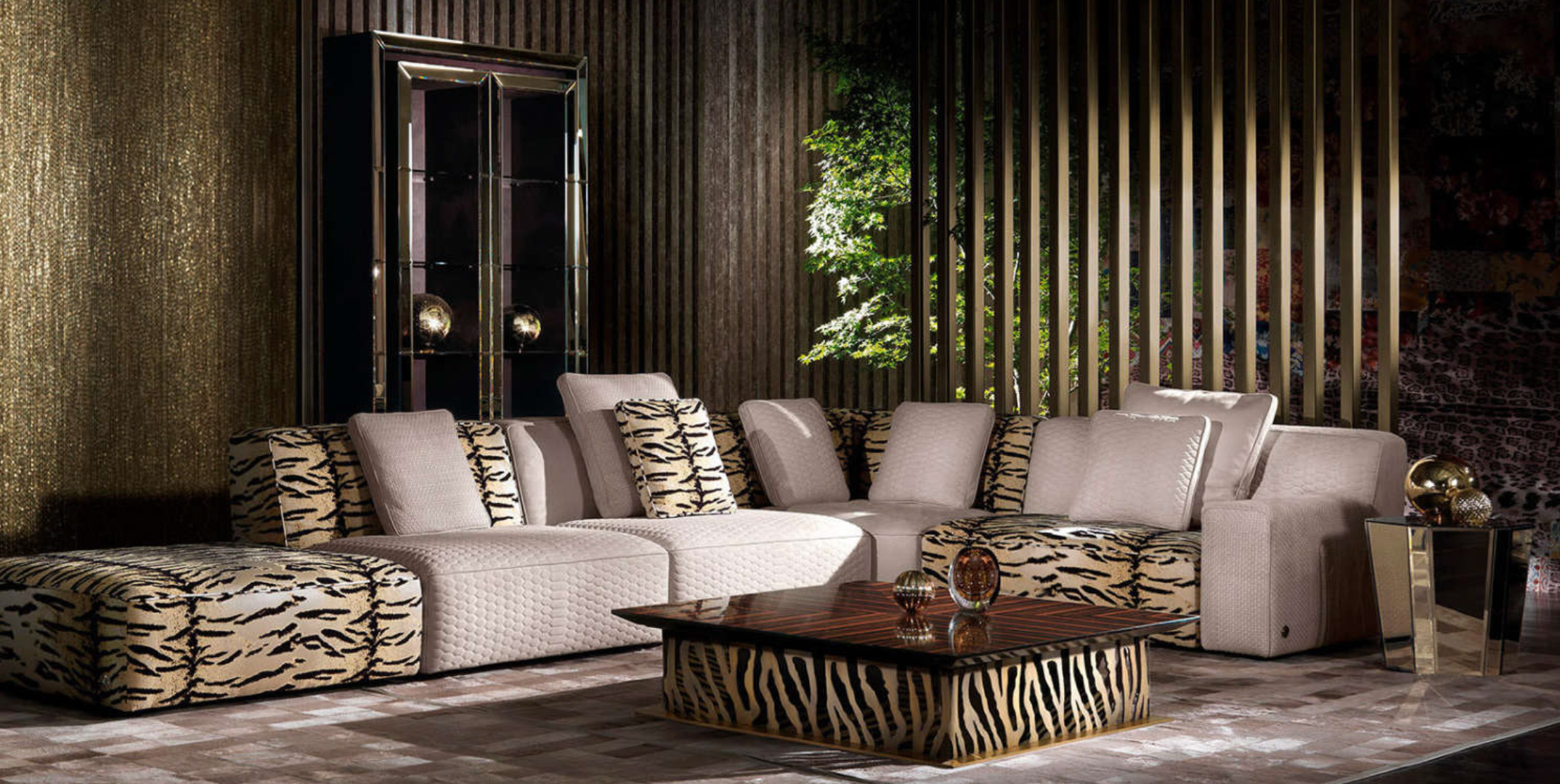
A luxury furniture website has to do more than look beautiful
Luxury furniture is highly visual, but visual appeal alone does not make a website commercially effective.
A beautifully photographed dining table can attract attention. A well-designed collection page can create interest. An impressive homepage can establish a particular aesthetic.
But none of those things automatically turns a visitor into a customer.
For a luxury furniture business in New Zealand, the website often has to perform several jobs at once. It needs to communicate the brand’s design language, present products accurately, answer practical questions, establish trust and give prospective customers a clear next step.
That becomes particularly important when products are expensive, made to order, customised or purchased as part of a larger interior project.
A customer considering a NZ$6,000 sofa is not necessarily looking for the same online experience as someone buying a low-cost household item. They may want to understand the dimensions, upholstery options, construction, delivery arrangements, lead time, warranty information and whether the piece will actually work within their home.
The website therefore needs to support the decision, not simply display the product.
This is where conversion-focused website development becomes important.
A high-converting luxury furniture website does not pressure visitors into buying. It removes uncertainty, communicates value clearly and makes it easier for the right customer to move forward.
Why premium furniture needs a different website strategy
Luxury furniture sits somewhere between retail, design and considered purchasing.
A customer may discover a product through Google, Instagram, Pinterest, an interior designer, a showroom visit or a recommendation. They may then spend days or weeks researching alternatives before making a decision.
That means the website has to accommodate different stages of the buying journey.
A first-time visitor might only want inspiration.
Another visitor may already know the exact style, material or product they want.
Someone else may be comparing several furniture brands and trying to establish which business they can trust.
A designer or architect may be looking for technical information for a client project.
A website designed around only one of these behaviours can lose potential customers at another stage.
For luxury furniture businesses, the objective should be to create a digital environment where visitors can move naturally from:
Inspiration → product discovery → evaluation → reassurance → enquiry or purchase.
The website should answer the questions that become more important as the customer’s intent becomes stronger.
Start with the brand, not the website template
A premium furniture website should feel like an extension of the brand.
That does not necessarily mean making the website minimalist, dark, highly animated or visually extravagant. Those are design choices, not indicators of quality.
The right approach depends on the furniture itself and the audience.
A New Zealand furniture company specialising in solid timber dining tables may require a very different visual language from a contemporary upholstery brand or a business supplying designer furniture to hospitality and architectural projects.
Before choosing layouts, colours or animations, establish:
- What type of furniture does the business specialise in?
- Who is the ideal customer?
- What price range does the business operate within?
- Is the furniture locally made, imported, customised or a combination?
- Is the primary customer a homeowner, interior designer, architect, developer or hospitality business?
- Is the business primarily ecommerce, showroom-led, enquiry-led or project-based?
- What makes the collection genuinely distinctive?
These questions influence the entire website structure.
A luxury website should communicate its market position quickly, but it should also give customers enough substance to understand why the products deserve consideration.
The homepage should establish value quickly
The homepage is often the first significant interaction a potential customer has with a furniture brand.
It should not attempt to explain everything.
Instead, it should establish three things quickly:
What the business offers.
Who it is for.
Why the visitor should explore further.
Strong imagery is important, but the supporting copy also matters.
For example, simply saying:
“Exceptional furniture for exceptional homes.”
does little to distinguish a business.
A stronger message might communicate the type of furniture, design approach, materials, customisation or New Zealand presence.
The homepage can then guide visitors towards the most commercially important destinations:
- Shop furniture
- Explore collections
- View new arrivals
- Discover custom options
- Visit the showroom
- Book a consultation
- View completed projects
The exact calls to action should reflect the business model.
A showroom-led furniture company should not necessarily make “Buy Now” the dominant action on every page.
For higher-value products, “Enquire”, “Book a Consultation”, “Visit the Showroom” or “Discuss Your Project” may be more appropriate.
Product photography needs to answer questions, not just create desire
Luxury furniture is unusually dependent on visual communication.
Customers cannot sit on a sofa, run their hand over timber or inspect the stitching through a screen.
Photography therefore needs to compensate for some of what the physical showroom provides.
A strong product page may include:
- Full product views
- Close-ups of materials and finishes
- Side and rear views where useful
- Scale references
- Furniture shown within realistic interiors
- Different upholstery or finish options
- Detail photography
- Images demonstrating craftsmanship
- Lifestyle photography
The purpose is not simply to make the page attractive.
Each image should help the customer understand something.
A close-up of timber grain can communicate material character.
A detail of joinery can demonstrate construction.
A photograph showing a dining table within a room can help customers understand proportion.
A sofa shown from several angles can reduce uncertainty about its shape and dimensions.
For expensive furniture, this additional information can be commercially valuable because it helps visitors evaluate the product before contacting the business.
Product pages should behave like digital sales consultants
A product page should provide enough information for a customer to make meaningful progress.
For luxury furniture, that can include:
Dimensions
Give dimensions in a clear format using New Zealand measurement conventions.
Where relevant, include:
- Overall width
- Height
- Depth
- Seat height
- Clearance requirements
- Table dimensions
- Weight
- Packaging dimensions where useful
For furniture, dimensions are not minor technical details. They can determine whether a product is suitable for the customer’s home.
Materials
Be specific.
Instead of simply writing “premium timber”, identify the actual material where appropriate.
Explain finishes, upholstery, construction materials and other characteristics that genuinely matter to the purchasing decision.
Colour and finish options
If a product is available in multiple finishes, make the options easy to understand.
Ideally, selecting an option should update the relevant imagery, price and availability information where the website platform supports it.
Lead times
If products are made to order, customers need realistic information about expected production and delivery.
Avoid vague promises when the timeframe depends on material availability, manufacturing schedules or other variables.
Care information
Luxury furniture often requires appropriate care.
Providing practical information about cleaning, maintenance and material characteristics demonstrates professionalism and helps customers understand ownership.
Make customisation easy to understand
Custom furniture can be commercially attractive, but websites often make the process unnecessarily complicated.
A visitor may see:
Custom furniture available.
But what does that actually mean?
Can they change dimensions?
Can they select timber?
Can they choose upholstery?
Can the piece be modified for an unusual room?
Is there a minimum order?
Does customisation affect price?
How does the process begin?
The website should answer these questions.
A dedicated custom furniture section can explain the process from initial consultation through design, quotation, production and delivery.
For example:
- Discuss your requirements.
- Confirm dimensions and materials.
- Review the proposed design.
- Receive a quotation.
- Approve production.
- Complete manufacturing and delivery.
The exact process will vary by business.
The important point is to make it understandable.
A customer should not have to send an email simply to discover what “custom” means.
Build trust before asking for the sale
A luxury furniture purchase involves financial and practical risk.
Customers want confidence that the business is legitimate, that the product will match the description and that the company will provide appropriate support if something goes wrong.
Trust can be established through several parts of the website.
Show the people behind the business
An About page should explain more than when the business was established.
Where appropriate, introduce:
- Designers
- Makers
- Founders
- Craftspeople
- Showroom staff
- Manufacturing partners
This can make a premium business feel more tangible.
Show real projects
Completed projects are particularly useful for furniture businesses.
A project page can demonstrate how a product looks in a real environment and can provide context that a standalone product photograph cannot.
For example, a project might explain:
- The type of property
- The customer’s brief
- Furniture selected
- Materials used
- Design considerations
- Installation or delivery
- Final result
This is also valuable content for organic search and social media.
Use genuine reviews
Customer feedback can help reduce uncertainty, particularly when it addresses specific aspects of the experience.
Useful reviews may discuss:
- Product quality
- Communication
- Customisation
- Delivery
- Installation
- Showroom experience
- Long-term satisfaction
Reviews should be genuine and presented accurately.
Be particularly careful with premium claims
Luxury furniture brands naturally use terms such as:
- premium
- handcrafted
- bespoke
- designer
- sustainable
- locally made
- New Zealand made
- artisan
- heirloom quality
These descriptions can communicate positioning, but they should be used accurately.
New Zealand’s Fair Trading Act prohibits misleading or deceptive conduct and false or unsubstantiated representations. Businesses need reasonable grounds for claims they make about products and services. This applies to online advertising and website content as well as other forms of marketing.
That matters for a luxury furniture website because visual presentation can also contribute to the overall impression created by an advertisement.
If a product is described as “New Zealand made”, for example, the business should be confident that the description accurately represents the product.
Similarly, environmental claims should be specific and supportable rather than broad statements designed primarily to create a premium impression.
Good website copy does not need exaggerated claims.
Specific information about materials, manufacturing, design and provenance is generally more useful.
Make pricing clear enough for the customer to make progress
Luxury furniture businesses sometimes hide all pricing.
There are situations where this can make sense, particularly for genuinely bespoke work where the final cost depends on dimensions, materials and specifications.
But hiding prices across an entire ecommerce catalogue can also create unnecessary friction.
Where a standard product has a defined price, displaying it can help customers qualify themselves.
If the price varies, explain why.
For example:
From NZ$4,800
with a short explanation that the final price depends on dimensions and selected materials.
For made-to-order furniture, the website might use an enquiry process rather than an online checkout.
The key is transparency.
New Zealand consumer guidance makes clear that online traders must not mislead customers about pricing, promotions, additional costs or important conditions.
A luxury website should therefore avoid artificial urgency, unclear discounting or vague pricing that creates a misleading impression.
Design the enquiry process around high-value purchases
A luxury furniture website does not always need to drive customers directly to checkout.
For many businesses, the more valuable conversion may be an enquiry.
That could be:
- Request a quote
- Book a consultation
- Ask about customisation
- Check showroom availability
- Request fabric samples
- Discuss a commercial project
- Ask about delivery
- Speak with a furniture specialist
The form should collect enough information to help the business respond properly without becoming unnecessarily intrusive.
Depending on the business, useful fields might include:
- Name
- Phone
- Product of interest
- Project type
- Preferred timeframe
- Location
- Customisation requirements
- Optional message
For commercial or interior design projects, additional information may be appropriate.
The goal is not to collect as much data as possible.
It is to make the next conversation more productive.
New Zealand delivery information matters
Furniture is different from small ecommerce products.
A customer buying a chair may have relatively simple delivery expectations.
A customer purchasing a large dining table, modular sofa or custom cabinetry-related furniture may have much more to consider.
The website should explain relevant delivery information clearly.
Depending on the business model, this might include:
- Delivery areas
- Estimated delivery timeframes
- Freight arrangements
- Installation options
- Access requirements
- Delivery to apartments
- Rural delivery considerations
- Delivery charges
- What happens if a product is damaged during delivery
Businesses serving customers throughout New Zealand should also avoid giving the impression that every delivery location operates under identical conditions if that is not the case.
A customer in Auckland, Wellington, Christchurch or a rural location may have different logistical considerations.
The website does not need a long logistics manual.
It simply needs to answer the practical questions customers are likely to have before ordering.
Use the website to sell the collection, not just individual products
Luxury furniture brands often organise their websites around individual products.
That is necessary, but collections can be equally important.
A collection page can create a stronger design narrative.
For example, a brand might group furniture by:
- Dining
- Living
- Bedroom
- Outdoor
- Timber collections
- Upholstery
- New arrivals
- Designer collections
- Custom furniture
Collection pages can then introduce the design philosophy before directing visitors towards individual products.
This also creates useful SEO opportunities.
Someone searching for a particular furniture category may not know the name of a specific product.
They may search for:
solid timber dining tables NZ
or:
designer sofas New Zealand
or:
custom furniture Auckland
A well-structured category or collection page can provide a more relevant destination than the homepage.
Build an SEO structure around how customers actually search
Search engine optimisation should be integrated into website architecture rather than added after the design is finished.
A luxury furniture website may need several layers:
Homepage
Broad brand and category positioning.
Collection pages
Important commercial categories and product groups.
Product pages
Specific products and variants.
Service pages
Custom furniture, interior design supply, trade services or other specialist offerings.
Project pages
Completed residential, commercial or design projects.
Helpful content
Answers to genuine customer questions.
This structure helps both users and search engines understand the business.
For example, a customer interested in solid timber dining tables should be able to move naturally from a relevant collection page to a specific product, then to material information, delivery information and an enquiry or purchase option.
Don’t neglect product structured data
Technical SEO can have a meaningful role in ecommerce websites.
Google supports product structured data that can help search engines understand information such as product names, prices, availability, reviews and other product attributes. Product markup can make pages eligible for certain search appearances, although Google does not guarantee that structured data will result in a particular search feature.
This becomes particularly relevant for furniture businesses with multiple product variations.
Google specifically supports product variant structured data for products such as furniture that may vary by characteristics including size, colour or material.
Implementation needs to match the actual website structure and product information.
It should not be treated as a shortcut to rankings.
Instead, it is part of making an ecommerce site technically understandable and search-friendly.
Mobile experience is part of the conversion strategy
A luxury furniture website can look exceptional on a large desktop monitor and still provide a poor experience on a phone.
That is a problem because customers increasingly discover products through mobile search and social platforms.
On mobile, check:
- Product images load efficiently.
- Text remains readable.
- Navigation is straightforward.
- Filters work properly.
- Variant selectors are easy to use.
- Enquiry forms are manageable.
- Phone numbers are clickable.
- Important product information is easy to find.
- Buttons are large enough to use comfortably.
- Pop-ups do not obstruct the content.
The objective is not to make the mobile site visually identical to the desktop version.
It is to make the experience equally useful.
Speed should not be sacrificed for luxury presentation
Large images are important for furniture, but they can also become one of the biggest technical problems on an image-heavy website.
Luxury does not require every photograph to be unnecessarily large.
Images should be properly compressed and delivered in appropriate formats and dimensions.
Animation should also have a purpose.
A subtle transition may improve the experience.
A full-screen animation that delays access to the actual products may do the opposite.
The same principle applies to video.
Use it where it communicates something valuable, such as craftsmanship, showroom experience or the making process.
Do not add motion simply because the technology allows it.
Give customers reasons to visit the showroom
For furniture businesses with physical showrooms, the website should not compete with the showroom.
It should help customers get there.
Useful showroom information can include:
- Address
- Opening hours
- Appointment requirements
- Products currently displayed
- Directions
- Parking information
- What customers can see or experience
- Fabric or material samples available
- Consultation options
A visitor who has already researched a product online can arrive at the showroom with much stronger purchase intent.
The website therefore becomes part of the showroom sales process.
Create content around real furniture questions
Luxury furniture customers often search for information before they search for a particular brand.
That creates opportunities for useful content.
Examples include:
- How to choose the right dining table size
- What timber is best for a dining table?
- How much space should you leave around a dining table?
- What upholstery works best for a busy family home?
- How to choose a sofa for an open-plan living area
- What should you consider when ordering custom furniture?
- How to care for solid timber furniture
- What is the difference between veneer and solid timber?
- How long does made-to-order furniture take?
- How should furniture be measured before delivery?
These articles should not exist simply to generate search traffic.
They should help prospective customers make better decisions and naturally connect them to relevant products or services.
This supports the broader SEO strategy while also strengthening the brand’s authority.
Use project photography as both marketing and evidence
A luxury furniture website becomes considerably more persuasive when visitors can see products in genuine environments.
A completed project can communicate:
- Scale
- Proportion
- Styling
- Material combinations
- Colour relationships
- Product placement
- Design quality
This is particularly useful for customers who struggle to imagine how a product will look in their own home.
Project content can also be valuable for interior designers, architects and property professionals who want to see how a furniture supplier performs within a larger design project.
For New Zealand businesses, local project content also creates an opportunity to demonstrate familiarity with local homes and environments without artificially inserting city names throughout the website.
Build multiple conversion paths
Not every visitor wants to buy in the same way.
A good luxury furniture website can accommodate several levels of intent.
Low-intent visitor
They may simply want inspiration.
Give them:
- Collections
- Project photography
- Journal content
- Design inspiration
Mid-intent visitor
They are actively researching.
Give them:
- Detailed product information
- Materials
- Dimensions
- Reviews
- FAQs
- Delivery information
- Comparison information
High-intent visitor
They are close to making a decision.
Give them:
- Clear pricing
- Availability
- Delivery information
- Enquiry options
- Consultation booking
- Add-to-cart or purchase functionality
This layered approach is particularly useful for expensive furniture because customers do not all arrive at the same point in the buying journey.
Connect the website with Google Ads and SEO
A high-performing website should not exist independently from the rest of the marketing system.
Google Ads can bring high-intent searchers to relevant landing pages.
SEO can build long-term organic visibility.
Local SEO can help customers discover a showroom.
Social media can introduce products and projects.
Email can support existing prospects and customers.
The website sits in the middle.
For example, an advertisement for custom dining tables should ideally lead to a page specifically about custom dining tables rather than a generic homepage.
Similarly, an organic search result for a particular sofa should take the visitor directly to the relevant product page.
The closer the landing page matches the visitor’s intent, the less work the customer has to do.
Measure enquiries, not just website traffic
Traffic is useful, but it is not the commercial outcome.
A furniture website may receive thousands of visitors and generate very few meaningful enquiries.
Another site may receive considerably less traffic but attract customers who are actively looking for high-value furniture.
Measurement should therefore go beyond sessions and page views.
Depending on the business model, useful conversion events can include:
- Product purchases
- Quote requests
- Consultation bookings
- Enquiry forms
- Phone calls
- Showroom appointments
- Sample requests
- Trade enquiries
- Custom furniture enquiries
For a high-value furniture business, the quality of an enquiry may be more informative than the raw number.
A useful reporting system should therefore connect website activity with what happens after the enquiry.
Did the prospect qualify?
Did they request a quotation?
Did they visit the showroom?
Did they purchase?
What was the approximate value of the resulting sale?
This allows marketing decisions to be based on commercial outcomes rather than vanity metrics.
Common website mistakes luxury furniture brands should avoid
Making the homepage too artistic
Beautiful design is valuable, but visitors still need to understand what the business sells.
Hiding essential information
Customers should not have to email the business to discover basic dimensions, materials or delivery information.
Using generic product descriptions
Luxury furniture deserves detailed, useful descriptions that communicate the characteristics of the actual product.
Overusing animations
Motion should support the experience rather than interfere with navigation.
Treating every visitor as ready to buy
Some customers need inspiration or research before they are ready for a sales conversation.
Using vague luxury language
Words such as “exceptional” and “premium” become less meaningful when they appear everywhere.
Specific evidence is stronger.
Ignoring mobile users
A website that only looks good on desktop is not finished.
Forgetting technical SEO
Beautiful pages still need crawlable architecture, appropriate metadata, internal linking and technically sound implementation.
Using unsupported claims
Statements about quality, origin, sustainability or manufacturing should be accurate and supportable under New Zealand consumer law.
Measuring only traffic
The real objective is usually qualified commercial activity, not a larger analytics number.
A practical framework for improving a luxury furniture website
A furniture business does not necessarily need to rebuild its entire website immediately.
A useful audit can begin with five questions.
1. Can visitors understand the brand immediately?
Within a few seconds, is it clear what the business sells and who it serves?
2. Can customers evaluate products properly?
Are dimensions, materials, finishes, pricing and availability sufficiently clear?
3. Can visitors trust the business?
Are there genuine reviews, project examples, company information and clear contact details?
4. Can customers take the next step easily?
Can they purchase, enquire, book a consultation or visit the showroom without unnecessary friction?
5. Can the business measure what happens?
Are important enquiries, purchases and other meaningful conversions being tracked?
If the answer to several of these questions is no, the website may have a conversion problem even if the visual design appears strong.
What a high-value furniture website should ultimately achieve
The best luxury furniture websites do not try to force every visitor towards an immediate transaction.
They create a credible environment in which customers can understand the product, assess the brand and move forward when they are ready.
For some customers, that means adding a product to a cart.
For others, it means requesting a quotation.
For someone planning a renovation, it may mean booking a consultation.
For an interior designer, it could mean downloading information or contacting the business about a project.
The website should accommodate these different journeys.
That is particularly important in New Zealand, where furniture purchases can involve significant consideration around product suitability, delivery, materials, pricing and after-sales expectations. New Zealand consumer guidance also makes clear that online purchases are covered by important consumer protections, including the Fair Trading Act and, in relevant circumstances, the Consumer Guarantees Act.
A strong website therefore combines presentation with information, aspiration with practicality and design with commercial function.
Final thoughts
A luxury furniture website should look refined, but that is only the starting point.
Its more important role is to help the right customer become confident enough to take the next step.
That requires thoughtful product presentation, useful information, credible proof, straightforward navigation, appropriate conversion paths and a technically sound foundation for SEO and digital advertising.
For New Zealand furniture businesses, the opportunity is not simply to put a catalogue online.
It is to build a digital sales environment that reflects the quality of the furniture while making the purchasing process easier to understand.
HLM approaches website development from that broader commercial perspective. For luxury furniture and other home and lifestyle businesses, the website can be developed as part of a wider system involving SEO, Google Ads, local visibility and conversion measurement rather than treated as an isolated design project.
The result should be a website that does more than showcase beautiful furniture.
It should help turn genuine interest into meaningful commercial conversations and, where appropriate, completed sales.
To learn more, please visit www.hlmco.com.au