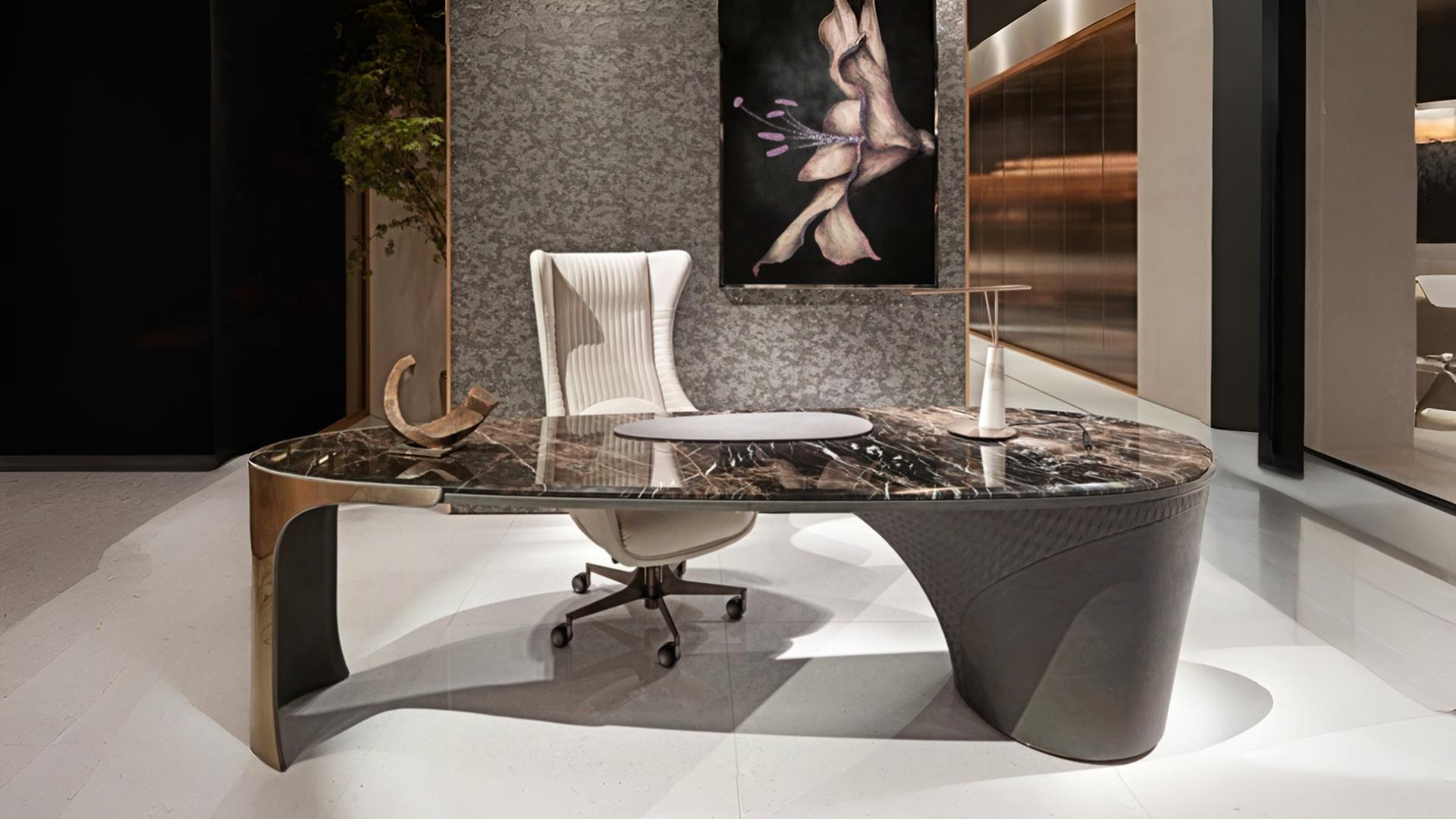

A home styling business can have an impressive portfolio, excellent furniture, strong design instincts and relationships with local agents, yet still be surprisingly difficult to find online.
That matters because many potential clients begin their search before they ever ask an agent, friend or property professional for a recommendation. A homeowner preparing to sell might search for “home staging Auckland”, “property styling Christchurch”, “house staging near me” or simply “how to prepare my house for sale”. A real estate professional might look for a staging company operating within a particular suburb or region.
Search engine optimisation, or SEO, helps a home styling business become more visible at those moments.
For New Zealand home stylists, however, good SEO is not simply about attracting the largest possible number of website visitors. A business operating across Auckland’s North Shore does not benefit greatly from receiving enquiries from homeowners in Dunedin if it cannot service them. Nor is an enquiry from someone seeking a few interior decorating ideas necessarily as commercially valuable as a vendor needing full staging for a vacant four-bedroom property.
The real objective is therefore to become visible to the right people, in the right locations, at the right stage of their decision-making process.
That requires a combination of local SEO, useful website content, strong project presentation, genuine reviews, technically sound web pages and a clear understanding of what New Zealand property owners actually search for.
Why Search Visibility Matters for Home Styling Businesses
Home styling occupies an unusual position between interior design, property preparation and real estate marketing.
Clients are rarely purchasing styling simply because they want attractive cushions and furniture. In many cases they are trying to solve a broader commercial problem: they need a property to present well in photographs, appeal to potential buyers or make a stronger impression during open homes.
New Zealand’s official property guidance acknowledges professional staging as one option when preparing a property for sale, particularly where existing furniture may not present the home effectively. Settled.govt.nz also recommends decluttering, cleaning, improving street appeal and considering how the property is likely to appear to its target buyers.
That context is important for SEO.
Someone searching for a home stylist may already be preparing to list a property. Another person may still be researching what needs to be done before contacting an agent. A third may have an empty property and be comparing furniture-hire or staging options.
A good SEO strategy creates useful entry points for all of these people without treating every website visitor as though they are ready to request a quote immediately.
SEO Should Attract Suitable Enquiries, Not Just More Traffic
One of the easiest SEO mistakes is assuming that more website traffic automatically means better marketing.
It does not.
Consider two hypothetical New Zealand home staging businesses.
The first receives 5,000 website visits in a month, largely from people reading international interior-design inspiration articles. Only three people request quotations.
The second receives 800 visits, but many visitors arrive after searches such as:
- home staging Hamilton
- property styling Tauranga
- vacant home staging Auckland
- house staging costs NZ
- furniture hire for selling a house
- home staging before photography
If 25 of those visitors make suitable enquiries, the smaller traffic number is commercially more valuable.
This distinction is especially important for home and lifestyle businesses because the customer journey can involve several stages of research, comparison and trust-building.
SEO therefore needs to answer two questions:
- Can the right potential clients find the business?
- Once they find it, does the website give them enough confidence to make contact?
Ranking alone solves only the first problem.
Understand What Your Ideal Home Styling Client Searches For
Before selecting keywords, a home styling company should identify the different audiences it wants to reach.
These may include:
- homeowners preparing to sell
- property investors
- developers
- real estate agents
- property managers
- relocation companies
- vendors with vacant homes
- vendors who need partial styling
- owners seeking pre-sale styling consultations
Each audience can search differently.
A homeowner might type:
“Do I need to stage my house before selling?”
An agent may search:
“home staging company Auckland”
A property investor might search:
“furniture hire for vacant property Wellington”
Someone closer to making a purchase could search:
“home staging cost Christchurch”
These searches reflect different levels of intent.
Informational searches can still be valuable because they allow the business to establish expertise early. Commercial searches, meanwhile, should lead visitors quickly to service information, previous projects, service areas and enquiry options.
A well-structured website accommodates both.
Build Service Pages Around What You Actually Offer
A common weakness in small service-business websites is attempting to explain everything on one page.
The home page may say the company offers “complete property styling solutions”, followed by a gallery and contact form. It looks attractive but gives search engines relatively little information about individual services.
If the business genuinely provides several distinct services, separate pages may be more useful.
For example:
Full Home Staging
Explain what is included, what type of property it suits and how the process works.
Partial Home Styling
Describe how existing furniture can be combined with hired pieces, artwork or accessories.
Vacant Property Staging
Explain how an empty property can be furnished for photography, open homes and buyer inspections.
Pre-Sale Styling Consultation
Describe advisory services for homeowners who intend to use much of their own furniture.
Furniture and Accessory Hire
If offered separately, explain rental periods, delivery areas and relevant conditions.
Each page can address a different search intention while helping prospective customers understand the actual differences between services.
This is better than creating thin pages containing nearly identical wording merely to target extra keywords. Useful SEO requires genuinely useful pages. Google’s search guidance continues to emphasise creating content that helps users and ensuring sites are accessible and understandable to search engines.
Local SEO Is Particularly Important for Home Styling
Home styling is usually geographically constrained.
Furniture must be transported. Installations require staff time. Styling consultations may happen at the property. Collection must be coordinated after the campaign or sale.
That means location is not a minor SEO detail. It is part of the business model.
A Christchurch staging company might reasonably service Christchurch, Selwyn and parts of Waimakariri. An Auckland business may divide its operation across central Auckland, the North Shore, eastern suburbs or other parts of the region depending on logistics and capacity.
Pages should accurately explain those areas.
This does not mean creating dozens of near-identical pages such as:
- Home Staging Auckland
- Home Staging North Shore
- Home Staging Takapuna
- Home Staging Milford
- Home Staging Devonport
if every page contains essentially the same text with the suburb changed.
Useful location pages should contain meaningful local information where the business genuinely works in that area.
That might include:
- property types frequently styled there
- examples of completed projects
- service logistics
- typical staging requirements
- relevant testimonials
- photographs from local projects
- areas actually covered
The objective is relevance, not geographic keyword confetti.
Optimise the Google Business Profile
For a locally delivered service, Google Business Profile can be particularly important.
Google explains that local search results are primarily influenced by relevance, distance and prominence. Complete and accurate business information helps Google understand how closely a business matches a search, while reviews and information available elsewhere online can contribute to prominence.
For a home styling company, the profile should be treated as an active marketing asset rather than a listing created once and forgotten.
Important information can include:
- correct business name
- telephone number
- website
- business hours
- appropriate category
- service areas
- professional photographs
- recent project imagery
- service information
- genuine customer reviews
Businesses that travel to clients rather than receiving customers at a public showroom should also make sure their Business Profile accurately reflects how the operation works.
Google says eligible service-area businesses can manage a Business Profile even when services are delivered at customer locations rather than through a traditional shopfront.
For home stylists, that is particularly relevant because warehouses and furniture storage facilities are not necessarily customer-facing premises.
Turn Project Galleries Into Search Assets
Home styling is highly visual, so photography is one of the industry’s strongest marketing resources.
Yet many websites waste that resource.
A portfolio page may contain 50 beautiful photographs with almost no written explanation.
From a visitor’s perspective, the gallery may look impressive. From a search and decision-making perspective, however, much more could be communicated.
A strong project example might include:
Property: Three-bedroom weatherboard home
Location: Grey Lynn, Auckland
Service: Partial staging
Challenge: Existing large furniture made the main living space feel crowded
Approach: Selected pieces were retained while oversized items were removed and replaced
Focus: Improving flow between the lounge, dining space and outdoor area
That information helps both human visitors and search engines understand what the business actually does.
It also demonstrates genuine experience.
The value of professional imagery is not theoretical in the New Zealand property context. Settled.govt.nz recommends professional property photography when marketing a home and advises sellers to present the property’s most attractive features clearly.
A staging company therefore has a natural opportunity to show how its work supports that presentation.
Create Content Around Questions Sellers Actually Ask
Blog content should not exist merely because someone decided that publishing four posts each month was good for SEO.
Useful content answers real questions.
Potential article subjects for a New Zealand home styling business could include:
- Should I stage an empty house before selling?
- How much does home staging cost in New Zealand?
- Full staging versus partial staging: what is the difference?
- When should staging be installed before property photography?
- How long should hired furniture remain in a property?
- Should apartments be staged differently from family homes?
- What should I remove before a home stylist arrives?
- Can I use my own furniture when staging a property?
- Home staging for occupied properties: what homeowners should expect
- How to prepare a house for professional real estate photographs
These subjects can attract people earlier in the decision-making process while demonstrating practical expertise.
New Zealand property guidance itself encourages owners to think about buyer appeal, decluttering, street presentation and whether professional staging may be useful.
A professional stylist can take those broad questions much further by explaining the design and presentation decisions behind them.
Use New Zealand Housing Context Naturally
Localisation should go deeper than adding “NZ” to headings.
The type of advice that suits an inner-city Auckland apartment may not be identical to advice for a bungalow in Hamilton, a townhouse in Christchurch or a coastal property in Tauranga.
A home styling company may encounter:
- compact apartments where scale and furniture placement are critical
- weatherboard villas with strong architectural character
- post-war suburban houses
- new-build townhouses
- contemporary homes with open-plan living
- coastal homes where indoor-outdoor connection matters
- lifestyle properties where outdoor spaces may influence buyer impressions
Content can demonstrate familiarity with these situations where they genuinely match the company’s work.
Regional references should be earned by the subject matter. Inserting Auckland, Wellington, Christchurch, Hamilton, Tauranga, Queenstown and Dunedin into every second paragraph is not localisation. It is simply a geography recital, and nobody has ever hired a stylist because a blog post successfully named six cities before lunch.
Make Images Search-Friendly Without Ruining the Website
Home styling websites often contain large, high-resolution photographs.
That makes visual sense but can create technical problems if images make pages unnecessarily slow.
Image optimisation can include:
- appropriately sized image files
- modern image formats where suitable
- descriptive file names
- meaningful alternative text
- mobile-friendly galleries
- lazy loading where appropriate
- avoiding unnecessary duplicate images
Alternative text should describe the image where doing so is useful, not become a storage locker for keywords.
For example:
Useful:
“Neutral living-room staging in a renovated Auckland villa”
Not useful:
“Best home staging Auckland home staging company NZ property styling Auckland affordable home stager”
The second version does not become better SEO simply because the keyword has been bludgeoned repeatedly.
Build Trust Before Asking for the Enquiry
Someone handing over access to a property, arranging furniture installation and paying for a pre-sale service needs confidence in the provider.
Useful trust signals may include:
- high-quality completed project photographs
- genuine testimonials
- clear service descriptions
- named team members
- transparent process information
- service-area information
- FAQs
- contact details
- realistic explanations of pricing factors
- relationships or experience within the property sector where appropriate
Reviews can be especially important for local service businesses.
However, they must be genuine.
The New Zealand Commerce Commission states that customer reviews must be genuine and presented in a way that does not mislead consumers.
That is not merely theoretical guidance. In August 2026, the Commerce Commission reported a District Court penalty involving, among other conduct, staff posting positive product reviews without disclosing their relationship to the business.
A home styling company should therefore encourage authentic clients to leave reviews, respond professionally and avoid manufactured testimonials or selective practices that create a misleading impression.
Good marketing and accurate marketing are supposed to coexist. A revolutionary concept, apparently.
Explain Pricing Without Necessarily Publishing One Fixed Price
Many prospective clients search for cost information before making contact.
Yet staging prices can vary according to:
- property size
- number of rooms
- full or partial staging
- furniture requirements
- delivery distance
- access
- stairs or apartment logistics
- installation requirements
- hire period
- extension periods
- collection arrangements
A business does not necessarily need to publish a single price if that would be misleading.
Instead, a page can explain the factors that determine cost and perhaps provide realistic examples or starting points where commercially appropriate.
This type of information can serve two functions.
First, it answers common search queries.
Second, it pre-qualifies customers. Someone who understands what determines the fee is likely to submit a more informed enquiry.
SEO performs better commercially when it improves the quality of conversations, not merely the quantity of form submissions.
Connect SEO With the Property-Selling Journey
A useful strategy is to map website content against the stages a vendor goes through.
Early research
The homeowner is thinking about selling.
Useful content:
- whether staging is worthwhile
- preparing a property for sale
- decluttering
- timing
- styling versus renovation
Preparing for market
The owner has chosen an agent or is preparing to list.
Useful pages:
- staging options
- photography preparation
- installation timing
- costs
- consultation services
Comparing suppliers
The owner or agent is choosing a staging company.
Important content:
- project portfolio
- reviews
- process
- service areas
- pricing information
- FAQs
- team credibility
Ready to book
The visitor needs:
- telephone number
- short enquiry form
- consultation request
- quote request
- clear next steps
SEO should support this whole journey rather than concentrating only on a single phrase such as “home staging NZ”.
Develop Relationships and Authority Beyond Your Own Website
Search visibility is not built entirely on-site.
Home styling companies often operate inside a wider property ecosystem involving:
- real estate agencies
- photographers
- developers
- builders
- interior designers
- removal companies
- storage providers
- property managers
- renovation businesses
Legitimate professional relationships can generate mentions, referrals and links.
For example, an agent might publish a guide to preparing a home for sale and reference a staging specialist. A photographer and stylist might collaborate on a useful article about preparing rooms for listing photography.
These connections should be genuine.
Buying large numbers of low-quality links or creating artificial directory listings purely for ranking purposes can create more problems than value.
The aim is to build the same reputation online that a strong styling company would want offline: recognised, trusted and relevant.
Make the Website Easy to Use on Mobile Devices
A homeowner may discover a staging company while speaking with an agent, travelling between properties or scrolling through search results on a phone.
A visually beautiful website that becomes irritating on mobile can therefore undermine the entire marketing effort.
Check whether visitors can easily:
- view project images
- understand services
- read text without zooming
- open menus
- tap the phone number
- find service areas
- request a quote
- submit an enquiry form
Large image galleries also need to load efficiently.
Website design and SEO are closely connected because attracting a visitor is only useful if that visitor can successfully use the site.
For high-value or time-sensitive services, a confusing website creates unnecessary friction at exactly the point where the business has finally earned somebody’s attention.
Measure Enquiries, Not Rankings Alone
SEO reporting for a home styling company should go beyond a monthly spreadsheet containing keyword positions.
Useful measures can include:
- organic search enquiries
- phone calls from organic visitors
- quote requests
- consultation bookings
- enquiries by service type
- enquiries by region
- conversion rate from search traffic
- pages that generate enquiries
- Google Business Profile interactions
- qualified versus unsuitable enquiries
A phrase moving from position nine to position four may be encouraging.
But the more important commercial questions are:
- Did more suitable homeowners contact the business?
- Did agents or property professionals make enquiries?
- Which services generated opportunities?
- Were those opportunities within the correct service area?
- How many enquiries became bookings?
- What was the value of those bookings?
HLM’s approach to SEO should ultimately connect search visibility with business outcomes rather than treating rankings as the final objective.
Common SEO Mistakes Home Styling Businesses Should Avoid
Several recurring mistakes can limit results.
Targeting the whole country when the business only serves one region
Broad traffic can look impressive while producing unusable enquiries.
Creating dozens of thin suburb pages
Location pages should contain real local value, not duplicated text.
Relying almost entirely on Instagram
Social media can display style and personality, but it does not replace a searchable, well-structured website.
Publishing photographs without context
Show what was done, where relevant, why decisions were made and what type of service was provided.
Hiding all useful information behind an enquiry form
Visitors frequently want to understand the process before contacting a business.
Ignoring Google Business Profile
For locally delivered services, Maps and local search visibility can be highly relevant.
Chasing traffic rather than commercial intent
An article producing thousands of visits from overseas design enthusiasts may contribute less revenue than one local service page producing ten serious enquiries.
Buying questionable backlinks
Authority should be earned through useful content, legitimate relationships, mentions and strong work.
Expecting immediate results
SEO is generally a cumulative process. Websites build useful search visibility through stronger pages, technical improvements, content, reputation and ongoing optimisation rather than through a single trick.
A Practical SEO Checklist for a New Zealand Home Styling Business
A useful starting point is to review whether the business has:
- A clear website explaining individual staging services.
- Accurate service-area information.
- A verified and complete Google Business Profile.
- Strong project photography.
- Written project descriptions and case examples.
- Genuine customer reviews.
- Separate pages for commercially important services.
- Useful answers to common customer questions.
- Fast, mobile-friendly website pages.
- Optimised image sizes and descriptive alternative text.
- Clear enquiry and quotation pathways.
- Search content written for New Zealand homeowners.
- Local project examples where relevant.
- Accurate title tags and page descriptions.
- Measurement of organic enquiries, not just website traffic.
- Regular review of pages that are gaining or losing visibility.
- Internal links between useful articles and service pages.
- Genuine links and mentions from relevant professional relationships.
The business does not have to complete everything simultaneously.
Priority should normally be given to the improvements most likely to affect real customer discovery and conversion.
SEO Works Best When the Entire Customer Journey Is Strong
Search engine optimisation cannot compensate indefinitely for a weak website, unclear services or poor presentation.
A potential customer may find the business through Google but then compare it with several competitors.
At that point, questions change.
Does the portfolio look professional?
Does the company style properties similar to mine?
Does it work in my area?
Is the process clear?
Can I see genuine reviews?
What happens after I request a quote?
Does the company appear established and trustworthy?
This is why SEO, website development, photography, content, local search visibility and reputation should work together.
For home styling businesses in particular, visual credibility and search visibility are inseparable. The work itself is the strongest evidence of expertise, but the website must organise that evidence so potential customers can find and understand it.
Reaching the Right New Zealand Audience Through Search
The purpose of SEO for a home styling business is not simply to appear more often on Google.
It is to connect the business with homeowners, vendors, agents and property professionals who genuinely need the services it provides.
That means understanding local search intent, clearly defining service areas, presenting previous projects well, creating useful New Zealand-focused content, maintaining a strong Google Business Profile and measuring enquiries rather than vanity metrics.
A styling company that serves Auckland should be visible when suitable Auckland clients are researching staging. A Christchurch provider should demonstrate its relevance to Christchurch property owners. A business working across several regions should explain those service areas accurately and build appropriate local authority.
The strongest SEO strategy therefore combines visibility with relevance.
When the website answers the right questions, demonstrates real work, communicates trust and makes the next step easy, search traffic has a much better chance of becoming commercial opportunity.
For New Zealand home and lifestyle businesses that want to improve both their organic search visibility and the quality of enquiries generated online, Home & Lifestyle Marketing can help develop an SEO strategy built around the services, locations and customers that matter commercially.
To learn more, please visit www.hlmco.com.au