Selling furniture online involves a challenge that many other e-commerce businesses do not face to the same extent. Customers cannot sit on a sofa, run their hand across a timber finish, open a drawer, judge the weight of a dining table or see how a cabinet will look against their own walls.
The product page therefore has to do more than display a photograph and a price.
For furniture brands, the product page is often the point where inspiration becomes a buying decision. It needs to answer practical questions, communicate design and quality, establish trust and make the next step clear.
This becomes even more important for premium and higher-value furniture. Customers may spend days or weeks comparing styles, dimensions, materials, finishes, delivery options and competing products before committing to a purchase. If important information is missing, they may leave the website rather than contact the business to ask for it.
A detailed product page cannot guarantee a sale. What it can do is remove unnecessary uncertainty and give customers more of the information they need to make a confident decision.
For furniture businesses selling online, that can have a direct effect on the quality of traffic, engagement, enquiries and completed purchases.
Why Furniture Customers Need More Information Before Buying
Furniture is a physical product with practical consequences.
A customer buying a small household item may be willing to make a quick decision from a photograph and a short description. Furniture is different.
A sofa needs to fit through a doorway. A dining table needs to fit the room. A bed needs to work with the customer’s mattress requirements. A sideboard needs sufficient storage capacity. A dining chair needs to be comfortable. A premium timber piece needs to look and feel consistent with the customer’s expectations.
The customer is effectively asking several questions at once:
- What does it look like?
- How large is it?
- What is it made from?
- How does it feel and function?
- What options are available?
- Is the quality worth the price?
- Will it suit my home?
- Can I get it delivered?
- How long will it take?
- What happens if there is a problem?
A weak product page answers only the first question.
A strong product page works through the rest.
Google itself describes a rich product description page as one that provides accurate and comprehensive information to help shoppers identify the right product, feel confident about purchasing it and build trust.
That principle is particularly relevant to furniture.
A Product Page Should Replace Some of the Missing Showroom Experience
A physical showroom provides information almost automatically.
Customers can walk around a product, view it from different angles, inspect its construction, compare finishes, read labels, ask questions and speak to a member of staff.
An online product page has to recreate as much of that experience as practical.
This does not mean filling the page with unnecessary copy.
It means providing the information that helps someone evaluate the product properly.
For example, a premium dining table page could include:
- Multiple high-quality photographs
- Dimensions and measurements
- Timber species
- Finish options
- Available sizes
- Seating capacity
- Construction details
- Care instructions
- Delivery information
- Lead time
- Warranty information
- Pricing
- Customer reviews
- Related products
- A clear purchase or enquiry option
Each element addresses a different part of the buying decision.
The objective is not simply to make the page longer. It is to make the page more useful.
Start With Product Photography That Shows More Than the Product
Furniture is highly visual, so photography is one of the most important components of a product page.
A single front-facing photograph rarely provides enough information.
Customers should ideally be able to understand the product from several perspectives.
Useful imagery can include:
A clear primary image
The first image should show the product clearly without unnecessary distractions.
The customer should immediately understand what they are looking at.
Multiple angles
Side, rear, three-quarter and close-up views can reveal proportions and construction details that are difficult to understand from one image.
Detail photography
Close-ups can show:
- Timber grain
- Stitching
- Joinery
- Handles
- Upholstery
- Edges
- Hardware
- Surface texture
- Finishing details
For premium furniture, these details can help communicate why the product has a particular price.
Lifestyle photography
Furniture also needs context.
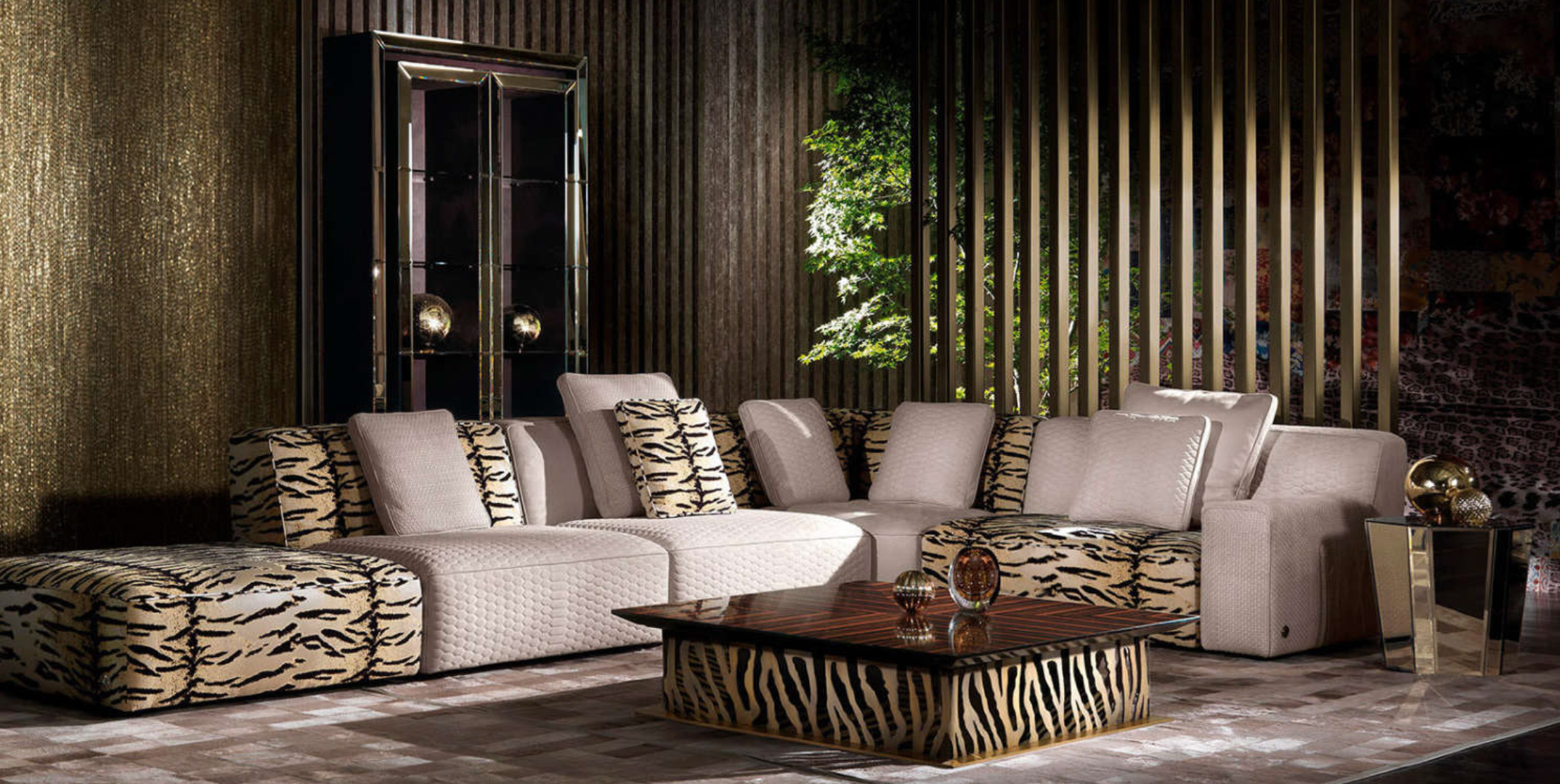
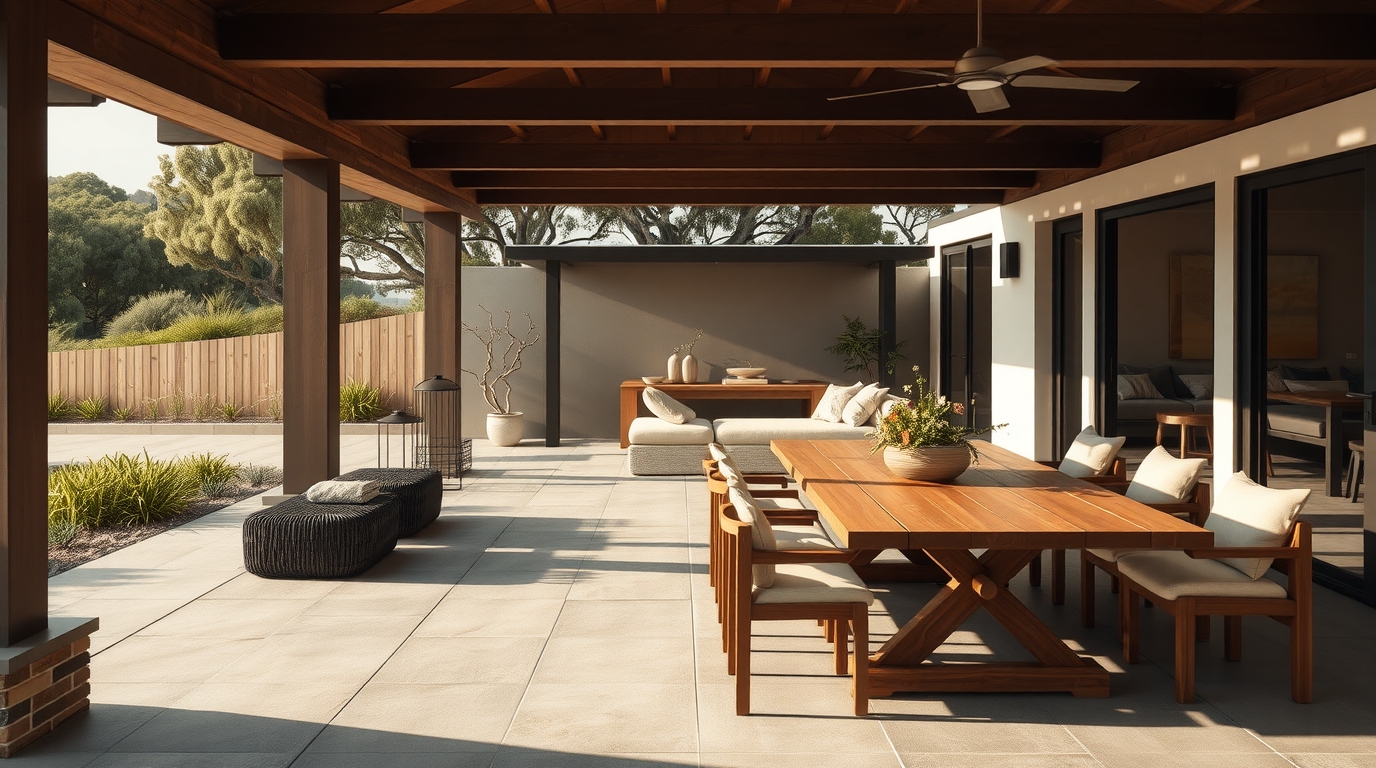
A sofa photographed in a carefully designed living room communicates something different from a sofa photographed against a plain background.
Lifestyle photography can help customers understand scale, styling and how a piece might work within a wider interior.
Google’s current Merchant Center guidance recommends high-quality product images and also supports additional and lifestyle imagery for richer product presentation.
The important point is that photography should serve both aesthetics and information.
Give Customers Precise Dimensions
Dimensions are among the most important pieces of information on a furniture product page.
Yet they are sometimes buried in a specification tab or omitted altogether.
Customers need to know more than whether a product is described as “large” or “compact”.
Provide measurements such as:
- Overall width
- Overall height
- Overall depth
- Seat height
- Seat depth
- Tabletop thickness
- Clearance dimensions
- Internal storage dimensions
- Leg height
- Weight where relevant
For furniture with multiple configurations, show the dimensions for each option.
A sectional sofa, for example, may have substantially different dimensions depending on its configuration.
Where possible, diagrams can make measurements easier to understand.
This is especially valuable for online shoppers because they cannot physically assess scale.
A customer may love a particular cabinet but abandon the purchase after discovering that it will not fit the intended wall.
Providing this information early can prevent unnecessary hesitation and reduce avoidable enquiries.
Explain Materials Rather Than Simply Naming Them
“Solid timber construction” sounds positive, but it does not tell the customer enough.
What species?
Where is it used?
What does the material look like?
How does it age?
What maintenance does it require?
What variation should the customer expect?
For example, instead of simply stating that a dining table is made from solid oak, the page could explain the characteristics of the timber, the type of finish applied and how natural variation may appear from one piece to another.
The same principle applies to upholstery.
A product page can explain:
- Fabric composition
- Performance characteristics
- Available colours
- Cleaning requirements
- Resistance characteristics where supported by manufacturer information
- Whether covers are removable
- Whether replacement covers are available
For leather furniture, customers may want information about leather type, finish, natural markings and expected ageing.
Detailed information helps customers understand what they are actually purchasing.
It also allows a furniture brand to communicate craftsmanship rather than relying on vague claims about quality.
Turn Features Into Practical Benefits
Technical information is important, but specifications alone do not necessarily sell furniture.
The product page should connect features with practical customer benefits.
Consider a dining table with a solid timber top and a particular construction method.
The specification tells the customer what the product contains.
The description should also explain what that means in practical terms.
For example:
Feature: Solid timber construction.
Useful explanation: Designed to provide a substantial, durable dining surface with the natural character and variation associated with genuine timber.
This is more useful than simply repeating the specification.
However, claims should remain accurate.
A furniture business should not describe a product as “built to last a lifetime” unless it has a reasonable basis for making such a claim.
Detailed product content should increase confidence without becoming exaggerated marketing copy.
Make Product Options Easy to Understand
Furniture frequently comes in multiple variations.
A sofa might be available in several fabrics and configurations. A dining table may come in different lengths. A bed might have multiple sizes. A cabinet could be offered in several finishes.
Customers need to understand exactly what changes when they select an option.
If a product has variants, make the differences obvious.
For example:
Finish: Natural Oak
Finish: Smoked Oak
Finish: Black Stain
Then explain what each option actually means.
Where images change with the selected finish, the product page should make that relationship obvious.
Google specifically recommends structured product information for variants such as different sizes, colours and materials, including furniture. Product variant structured data can help Google understand that multiple versions belong to the same product group.
The technical implementation is important, but the customer-facing experience matters just as much.
A customer should never have to guess whether the photograph represents the exact configuration they are about to purchase.
Be Clear About Price
Price is a major part of the buying decision.
Hiding the price does not necessarily create a premium experience. In many situations, it creates uncertainty.
For standard products that can be purchased online, the price should be easy to find and clearly associated with the selected configuration.
If pricing changes according to size, material or customisation, explain the pricing structure.
For example:
- From $2,400
- 1800mm configuration: $2,400
- 2200mm configuration: $2,750
- Custom sizes: enquire for pricing
The exact approach will depend on the business model.
Bespoke furniture may legitimately require an enquiry before a final price can be provided. But even then, the page can explain what influences the cost.
This gives customers a better understanding of the investment before they contact the business.
For products promoted through Google Merchant Center, price information needs to remain accurate and consistent with the landing page and checkout.
That makes accurate product information important not only for conversion but also for the wider e-commerce ecosystem.
Explain Delivery Before the Customer Has to Ask
Delivery is particularly important when selling furniture online.
A customer may be ready to buy but hesitate because they do not know:
- Where the product is delivered
- How much delivery costs
- How long delivery takes
- Whether delivery is kerbside or room-of-choice
- Whether assembly is included
- Whether stairs are an issue
- Whether old furniture can be removed
- What happens if the product arrives damaged
These details should not be hidden in a generic delivery page.
Relevant delivery information should appear on the product page itself, with a link to more comprehensive delivery terms if necessary.
For made-to-order furniture, clearly explain the expected production and delivery timeframe.
Do not promise a specific timeframe unless the business can reasonably support it.
Clear expectations are particularly important for high-value furniture because the customer is taking on a larger financial and logistical commitment.
Use Reviews to Address Real Customer Concerns
Reviews can provide information that a brand’s own product description cannot.
Customers may discuss:
- Comfort
- Appearance in person
- Ease of assembly
- Delivery experience
- Material quality
- Colour accuracy
- Size
- Communication
- Long-term satisfaction
Genuine reviews therefore serve two purposes.
They provide social proof and help future customers understand the ownership experience.
Where possible, reviews should be connected to the relevant product rather than placed only on a general testimonials page.
A review saying that a customer was pleased with a particular dining table is more useful on that table’s product page.
Reviews should remain genuine. They should not be manufactured, selectively distorted or presented in a way that creates a misleading impression.
Answer the Questions Customers Are Already Asking
One of the most effective ways to improve a furniture product page is to listen to customer questions.
Sales staff, customer service teams and showroom employees often know exactly what customers want to understand before buying.
Those questions can become product-page content.
For a sofa, customers may ask:
- Is the cover removable?
- What is the seat filling?
- Is it suitable for everyday use?
- Can I order fabric samples?
- Is the chaise reversible?
- Will it fit through a standard doorway?
For a dining table:
- How many people does it seat?
- Is it extendable?
- What is the tabletop thickness?
- Can I order a different finish?
- Does the timber vary naturally?
- How should it be maintained?
Answering these questions directly reduces the amount of information customers need to find elsewhere.
It can also reduce repetitive enquiries for the sales team.
Use Product Pages to Support Search Visibility
Detailed product pages can also contribute to organic search visibility.
Search engines need enough useful information to understand what a product is, what it is made from, which variations exist and how the page relates to customer searches.
A vague product page provides limited context.
A detailed page can naturally include relevant information about:
- Product type
- Brand
- Material
- Style
- Colour
- Dimensions
- Configuration
- Finish
- Intended use
- Product features
The important word is naturally.
A product page should not be written by repeatedly inserting the same keyword.
Instead, it should comprehensively describe the product in language customers actually use.
Google also supports Product structured data that can provide information such as product details, price and availability. Product markup can make eligible pages available for certain merchant listing experiences in Google Search, Google Images and other surfaces.
For furniture businesses with numerous variants, structured data can also help Google understand relationships between those variants.
Structured data is not a substitute for good product content. It supports it.
Make Product Data Consistent Across the Website and Shopping Channels
A customer might discover a product through Google Shopping, organic search, social media or an advertisement before reaching the product page.
The information needs to remain consistent.
If an advertisement shows one price and the website shows another, confidence falls.
If Google displays one product variation but the customer lands on a different configuration, the experience becomes frustrating.
If a product is described as “Natural Oak” in one place and “Light Oak” in another, the customer may wonder whether these are actually the same finish.
Google’s Merchant Center guidance specifically recommends matching product titles, descriptions, variants and other information between product data and landing pages.
This matters particularly for furniture because product catalogues can become complex.
A business selling dozens of products with multiple finishes, sizes and configurations needs a reliable system for managing this information.
Help Customers Visualise the Product in Their Own Home
One of the biggest obstacles to buying furniture online is visual uncertainty.
Customers want to know:
Will this actually look right in my home?
Lifestyle imagery can help, but furniture brands can go further.
Useful content might include:
- Room photography
- Multiple furniture combinations
- Close-up finish images
- Scale references
- Different configurations
- Styling suggestions
- Matching products
- Images from real customer homes where permission has been provided
A sofa page might show the same design in different room settings.
A dining table page could show different chair combinations.
A bedroom collection could connect the bed with matching bedside tables, dressers and lighting.
This turns the product page from a static catalogue entry into part of a broader design experience.
Connect Related Products
A detailed product page should not necessarily be the end of the customer’s journey.
Furniture purchases often involve complementary products.
A dining table can lead to dining chairs.
A sofa can lead to an ottoman, side table or coffee table.
A bed can lead to bedside tables and bedroom storage.
Use relevant recommendations rather than filling the page with unrelated products.
The objective is to help the customer complete a room or solve a wider furnishing requirement.
This can increase the commercial value of existing traffic without requiring the business to acquire another visitor.
It also makes navigation more useful.
Build a Clear Path From Research to Purchase
Not every customer who reaches a product page is ready to buy immediately.
Some visitors are comparing options.
Others are checking dimensions.
Some may want a fabric sample.
Others may be preparing for a future renovation.
The product page should therefore support different levels of intent.
A straightforward e-commerce product might use:
Add to Cart
A higher-value product might use:
Enquire About This Product
or:
Book a Showroom Appointment
A custom furniture business might use:
Request a Quote
The CTA should reflect the actual buying process.
There is little value in forcing every furniture business into the same e-commerce model.
A premium furniture company may generate better outcomes by combining online product information with showroom appointments, samples, phone enquiries and consultations.
Mobile Product Pages Need Particular Attention
Furniture research increasingly happens across different devices.
A customer may discover a product on their phone and later return on a desktop before buying.
The mobile product page therefore needs to be practical.
Important information should not be difficult to find.
Images should load efficiently.
Product options should be easy to select.
The price should be visible.
The CTA should be clear.
Dimensions and specifications should be readable without excessive scrolling or awkward interactions.
Forms should not ask for unnecessary information.
A beautiful desktop product page that becomes frustrating on mobile is still a weak e-commerce asset.
Measure Whether Better Product Pages Are Actually Improving Sales
The purpose of improving product pages is not simply to make them look more complete.
The business should measure whether the changes improve commercial performance.
Useful measures can include:
- Product-page engagement
- Add-to-cart rate
- Enquiry rate
- Checkout progression
- Conversion rate
- Revenue per visitor
- Average order value
- Product-specific sales
- Assisted conversions
- Returns
- Product-related customer enquiries
For higher-value furniture, enquiry quality can be more meaningful than raw enquiry volume.
Suppose a furniture company receives fewer enquiries after improving its product pages, but the enquiries are from customers who already understand the dimensions, materials, price and delivery requirements.
That could represent a more efficient sales process even if the raw enquiry count has not increased.
Marketing measurement should therefore look beyond clicks.
The commercial question is whether better product information helps more qualified customers move towards a purchase.
Common Product Page Mistakes Furniture Businesses Should Avoid
Short, generic descriptions
“Modern, stylish and comfortable sofa made from premium materials” tells the customer very little.
Too few photographs
One image rarely communicates enough information about a substantial furniture purchase.
Missing dimensions
Customers should not have to contact the business to find out whether a product will fit.
Unclear variants
Different finishes, sizes and configurations should be easy to understand.
Hidden delivery information
Unexpected delivery costs or unclear lead times can stop customers at the point of purchase.
Unsupported quality claims
Claims such as “the highest-quality furniture” are less convincing than specific evidence of materials, construction and craftsmanship.
Copying manufacturer descriptions
If dozens of retailers use the same product description, it does little to distinguish the business or provide additional value.
Overloading the page
Detailed does not mean chaotic.
Information should be organised through headings, tabs, specifications, images, FAQs and clear sections.
Weak calls to action
Customers should know what to do next.
Ignoring mobile users
A product page must work as a practical buying environment, not simply as a desktop design exercise.
A Practical Framework for Better Furniture Product Pages
A useful product-page structure for many furniture businesses could be:
1. Product identity
Clearly state:
- Product name
- Product type
- Brand or collection
- Key distinguishing characteristic
2. Strong primary imagery
Show the product clearly and provide multiple supporting views.
3. Short commercial introduction
Explain what the product is, who it suits and what makes it distinctive.
4. Key specifications
Provide dimensions, materials, construction and other important technical information.
5. Options and variants
Explain available sizes, colours, fabrics, finishes and configurations.
6. Product photography in context
Show the furniture in realistic interiors wherever appropriate.
7. Price and purchase information
Make pricing and the purchasing process clear.
8. Delivery and lead time
Explain what customers can expect before they commit.
9. Care and maintenance
Give customers practical ownership information.
10. Reviews and trust signals
Use genuine product-specific reviews and relevant credibility information.
11. Frequently asked questions
Address the questions customers commonly ask before purchasing.
12. Related products
Help customers discover complementary pieces or complete collections.
13. Clear CTA
Give the customer an obvious next step, whether that is purchasing, requesting a quote, booking an appointment or making an enquiry.
This structure can be adapted according to the product and sales model.
A mass-market online furniture retailer may prioritise immediate purchase and delivery information.
A bespoke furniture manufacturer may place greater emphasis on materials, customisation, project imagery and enquiry generation.
Detailed Product Pages Should Support the Wider Marketing Strategy
Product pages do not operate independently.
They are connected to the rest of the digital marketing system.
A customer might first discover a furniture brand through Google Ads. The advertisement sends them to a product page.
Another customer may find the same product through organic search.
Someone else may discover it through Instagram and visit the website later.
A customer may see the product in a showroom, search for it online that evening and return to the product page before purchasing.
The product page therefore needs to work regardless of where the visitor originated.
This is why website development, SEO, Google Ads, social media and e-commerce should not be treated as completely separate activities.
A strong product page gives each channel a useful destination.
Google Ads can bring relevant commercial traffic.
SEO can help customers discover products through organic search.
Social media can create visual interest.
The website can provide the detail needed to evaluate the purchase.
Reviews can reinforce trust.
The product page brings those elements together.
The Real Value of Product Detail Is Reduced Uncertainty
Furniture customers rarely need more marketing noise.
They need more confidence.
They want to know whether the product will fit, whether it is made from the materials described, whether the finish will suit their home, whether the price is justified, how it will be delivered and what happens after purchase.
A detailed product page cannot remove every concern.
It can, however, address many of the questions that otherwise prevent a customer from progressing.
For furniture brands, that makes product-page content part of the sales process rather than simply part of the website.
The strongest product pages combine high-quality imagery with precise specifications, useful explanations, transparent commercial information, genuine proof and a clear next step.
They also make product data easier for search engines and shopping platforms to understand. Google’s current guidance places considerable emphasis on complete product information, accurate price and availability, strong imagery and consistent landing-page data.
For premium furniture businesses in particular, this level of detail can also communicate something important about the brand itself. A company that takes the time to explain its materials, construction, finishes, dimensions and delivery process demonstrates a greater level of transparency and professionalism.
The objective is not to create the longest product page possible.
It is to create the most useful one.
When customers have the information they need to understand a piece of furniture, visualise it in their home and assess the purchase with greater confidence, the website is doing more than displaying products. It is helping the business sell them.
For furniture brands that rely on e-commerce, that makes detailed product pages an important part of the commercial value of the website.
If your business operates in the home and lifestyle sector and you would like to improve the quality of your digital marketing, Home & Lifestyle Marketing Co can help you assess where stronger website content, SEO, Google Ads, Local SEO and conversion opportunities may exist.
To learn more, please visit www.hlmco.com.au