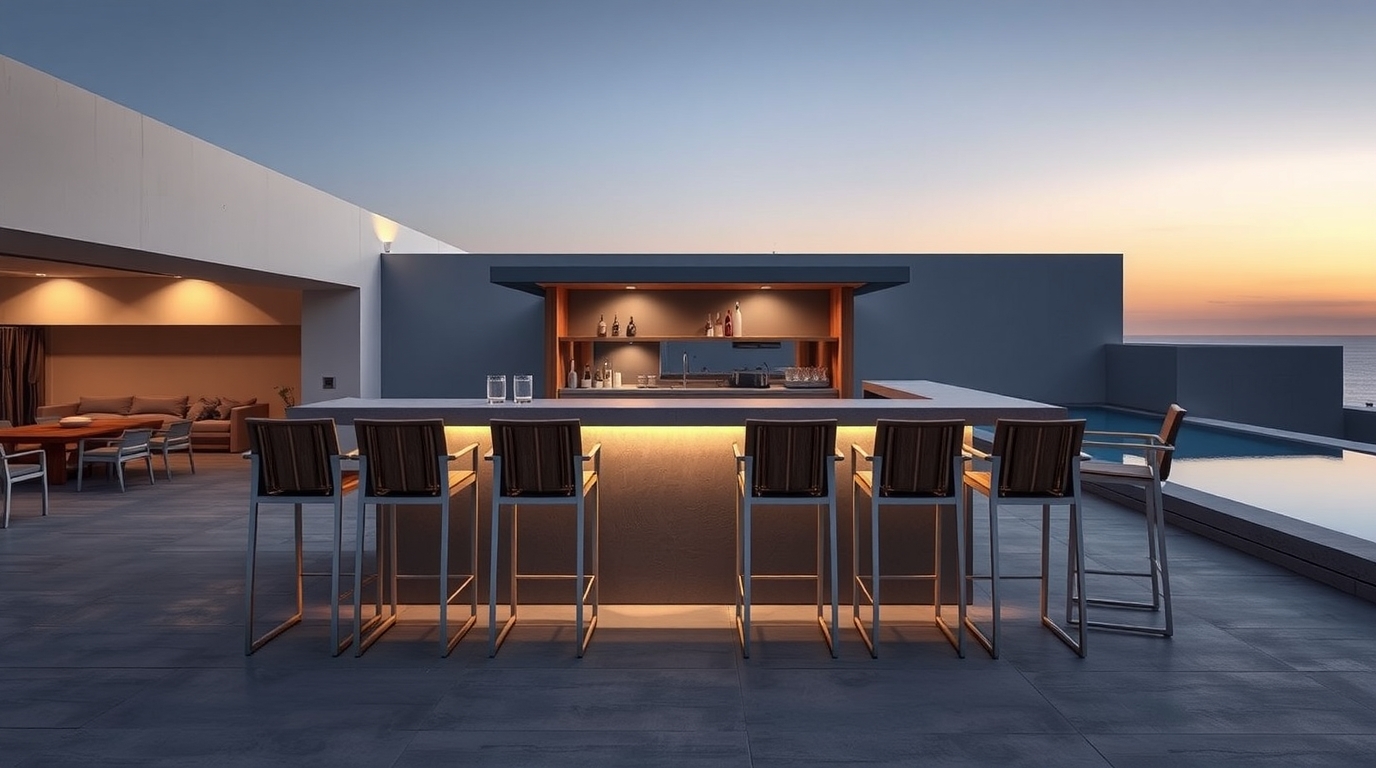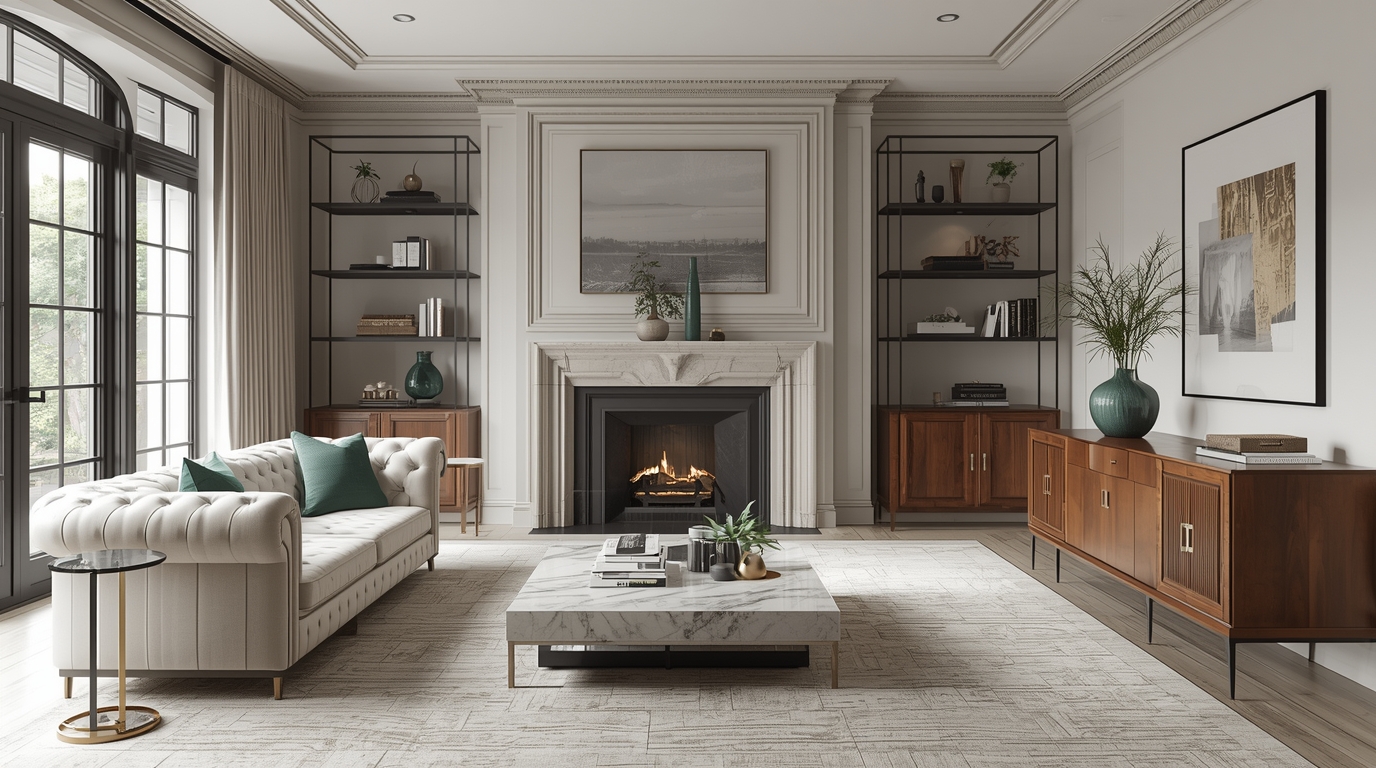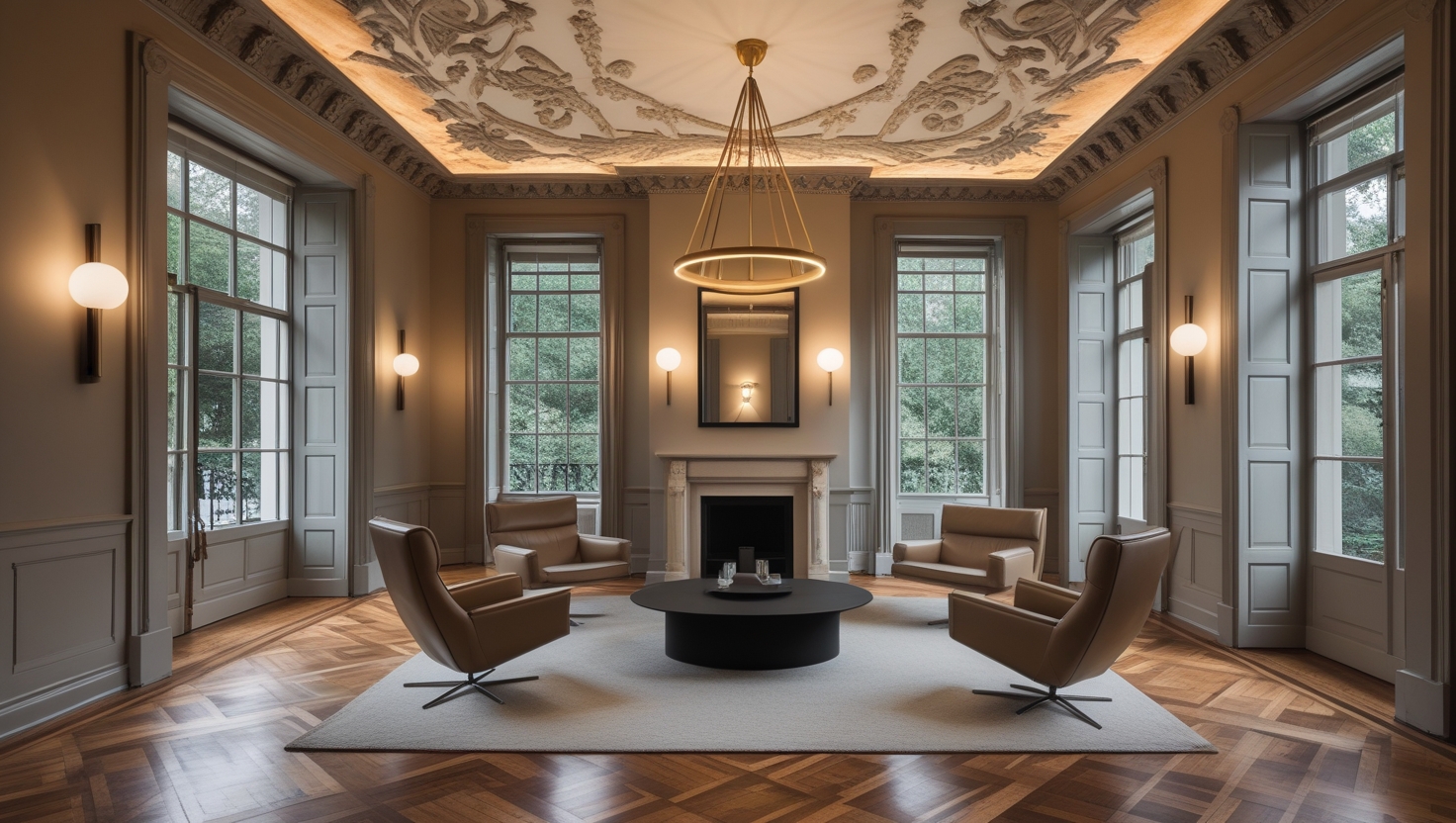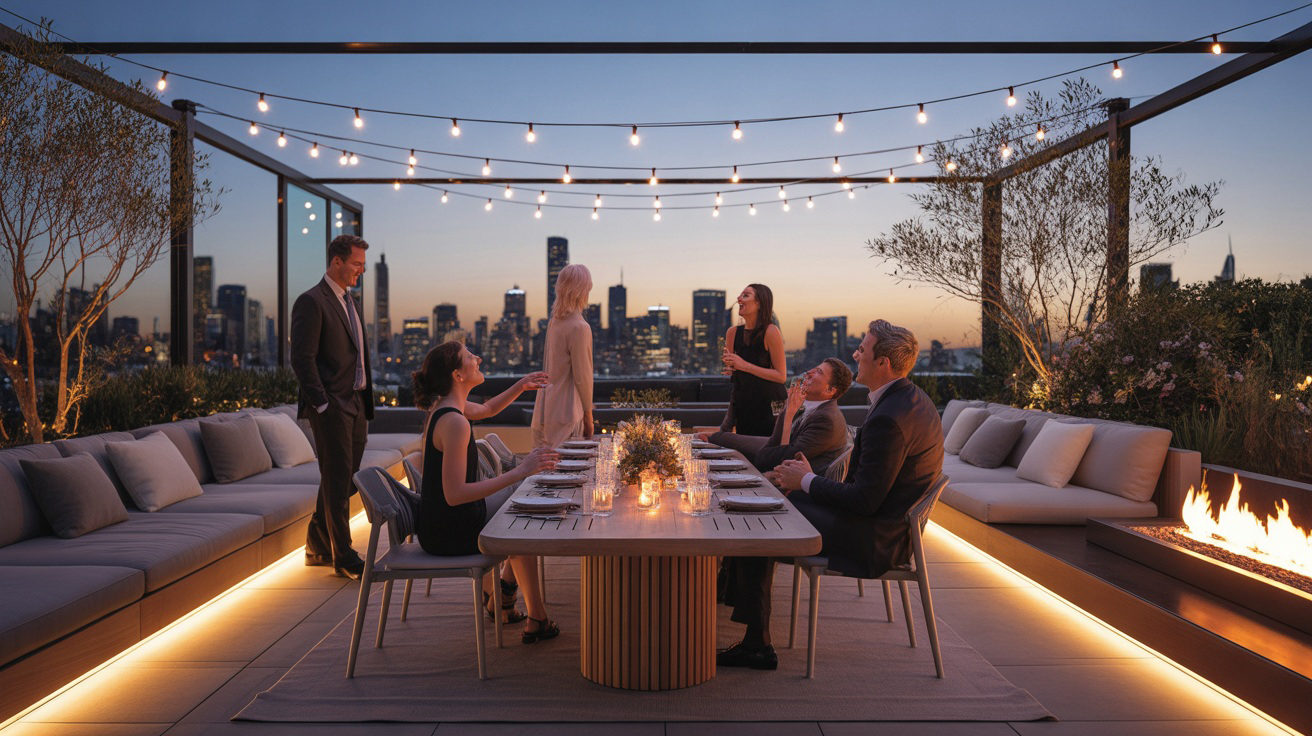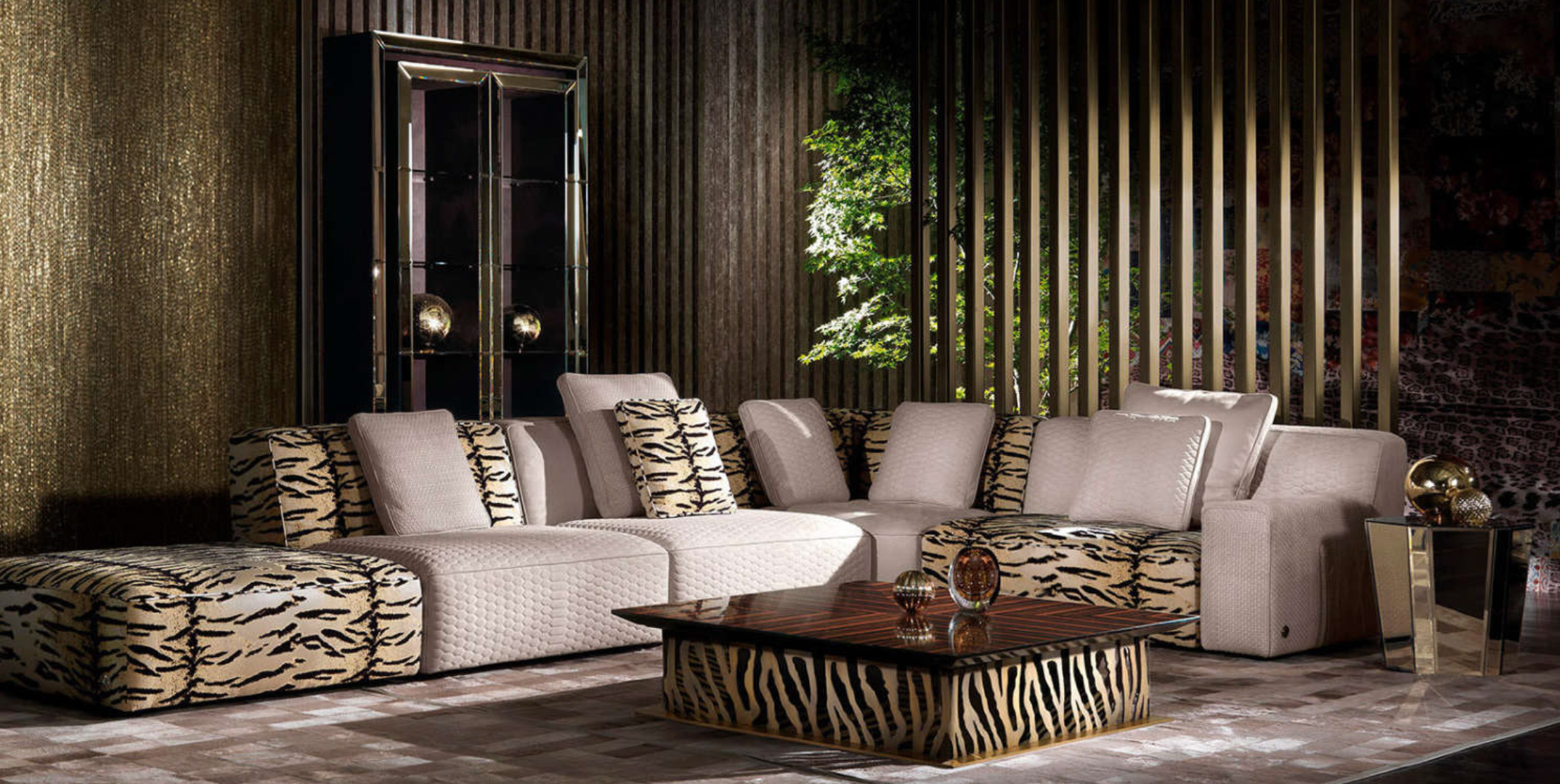
Furniture is one of the more difficult products to sell through a screen.
A customer can look at a dining table online, but they cannot run a hand across the timber. They can view a sofa, but they cannot sit on it. They can inspect photographs of an armchair without fully understanding its scale, texture or how it will look beside the flooring already in their home.
That puts unusual pressure on two parts of the online buying experience: product photography and website design.
Together, they have to replace a significant part of the physical showroom experience.
For New Zealand furniture businesses, this is increasingly important as online purchasing becomes more established. NZ Post reported in July 2026 that New Zealand consumers made nearly six million more online transactions during 2025 than in 2024, representing 6% growth. New Zealand retailers accounted for 79.6% of total online spending, and their average online orders were more than NZ$50 higher than purchases from overseas retailers.
Furniture businesses therefore have a substantial digital opportunity, but putting products online does not automatically make them easy to buy.
A strong e-commerce experience needs to help customers answer a series of practical and emotional questions:
What does this piece actually look like?
How large is it?
What does the material feel like?
Will it work in my room?
Can I trust the colour shown on screen?
How is it delivered?
Is the retailer credible?
What happens if there is a problem?
Professional photography attracts the customer’s attention. Good website design organises the information needed to turn that interest into confidence.
Neither works particularly well without the other.
Online Furniture Buyers Depend Heavily on What They Can See
In a showroom, furniture communicates through several senses.
Customers judge scale by standing beside a piece.
They can compare colours physically.
They can inspect stitching, edges, timber grain and hardware.
Online, much of that information has to be communicated visually.
This makes photography far more than decoration.
The images are part of the product information.
Poor photography can make well-designed furniture appear ordinary. Strong photography can help customers understand why a product is worth considering.
But there is an important limit.
Photography should represent the furniture accurately, not transform it into something more attractive than the item customers will actually receive.
The New Zealand Commerce Commission states that businesses must not make false or misleading representations about goods, and this applies not only to written claims but also to impressions created through pictures, advertising and promotional material.
For furniture retailers, visual accuracy therefore matters commercially and legally.
One Product Photograph Is Rarely Enough
A single front-facing photograph may confirm that the product exists.
It usually cannot answer enough questions to support a high-value purchase.
Furniture product photography should ideally include several complementary views.
Clean product imagery
These images show the shape and construction without excessive visual distraction.
They are useful for comparing products and understanding proportions.
A sofa, for example, might be photographed from the front, side, rear and a slight angle.
Lifestyle photography
Lifestyle images place the furniture inside a believable room.
This helps customers understand scale and styling potential.
A dining table shown in context communicates much more about its visual weight than the same table floating against a white background.
Detail photography
Close-up images can show:
- timber grain;
- upholstery texture;
- stitching;
- joinery;
- handles;
- edges;
- stone surfaces;
- metal finishes.
These details can be especially important for contemporary and premium furniture where material quality contributes significantly to price.
Scale imagery
Customers regularly struggle to interpret dimensions without context.
Showing a chair beside a person, a dining table within a room, or a sofa with ordinary household objects can make size easier to understand.
Configuration imagery
Modular sofas, extendable tables and configurable shelving should be shown in multiple arrangements.
If customers need imagination merely to understand what they are purchasing, the product page is asking them to do work the retailer should have done.
Room Photography Should Help Customers Imagine Ownership
Lifestyle photography is powerful because it changes the question from:
What does this product look like?
to:
What might my home look like with this product in it?
That is a much more commercially useful question.
For a New Zealand furniture brand, room settings can reflect genuine local housing contexts where appropriate.
That might include:
- contemporary Auckland apartments;
- renovated villas;
- compact townhouses;
- Christchurch homes with open-plan living;
- coastal interiors;
- baches;
- larger lifestyle properties.
The objective is not to turn product shoots into tourism advertising.
Local relevance comes from believable spaces, materials and proportions.
A customer furnishing a compact townhouse may relate poorly to every sofa being photographed in an enormous architectural room with four-metre ceilings.
A range should ideally be shown in spaces appropriate to its likely buyers.
Consistency Helps the Brand Look More Credible
Product photography is not only about the quality of individual images.
Consistency matters across the catalogue.
Imagine browsing a furniture site where one chair is photographed in warm afternoon light, another against a blue-grey studio wall, another under harsh fluorescent lighting and the next apparently through a phone camera from 2013.
Even good furniture begins to feel less premium.
A consistent photographic system should consider:
- lighting;
- background treatment;
- image proportions;
- camera angles;
- colour balance;
- cropping;
- resolution;
- styling.
This creates a coherent catalogue.
It also makes product comparison easier.
Customers should be comparing furniture, not compensating mentally for completely different photographic conditions.
Colour Accuracy Matters More Than It Appears
Colour is one of the hardest aspects of furniture photography to represent online.
Timber may shift in appearance according to lighting.
Fabric can look different on different screens.
Paint finishes may appear warmer or cooler than they are physically.
A retailer cannot control every customer’s monitor or phone display, but it can improve consistency by using professional colour management and accurate editing.
Images should not be processed so heavily that the product becomes misleading.
Customers may also benefit from written colour descriptions, material close-ups and, for higher-value items, physical swatches or samples.
Consumer Protection advises online buyers to read descriptions carefully and check matters such as size and materials before purchasing. New Zealand consumer law also requires goods supplied by businesses to match the descriptions provided.
Photography and written specifications should therefore reinforce one another.
Website Design Determines Whether Good Photography Is Actually Useful
A business can spend heavily on exceptional photography and still undermine it with poor website design.
Images need to be presented in a way that supports buying decisions.
Customers should be able to:
- enlarge important details;
- move easily between images;
- understand which finish is being shown;
- see alternative colours;
- compare configurations;
- return to the product information without losing their place.
Photography should integrate with the product page rather than dominate it so completely that basic information disappears somewhere several screens below.
The page needs hierarchy.
Customers generally need to understand the product name, price, primary imagery, available options and key specifications without considerable effort.
Minimal visual design can work extremely well for furniture.
Minimal information generally does not.
Product Pages Should Answer the Questions a Showroom Assistant Would Answer
A well-trained salesperson does more than point at a sofa.
They explain.
The product page should do the same.
Depending on the furniture category, useful information may include:
- exact dimensions;
- material composition;
- timber species;
- upholstery;
- available finishes;
- construction method;
- seating capacity;
- assembly requirements;
- stock position;
- estimated lead time;
- care instructions;
- warranty information;
- delivery conditions.
Consumer Protection specifically advises customers shopping online to check descriptions, size and materials, while the Consumer Guarantees Act requires goods supplied by businesses to match the description given.
Providing useful details therefore does more than improve SEO.
It reduces uncertainty at the point of sale.
Good Design Makes Dimensions Easier to Understand
Dimensions should not be treated as fine print.
They are central purchasing information.
A furniture retailer may technically fulfil its duty by writing:
1800 × 900 × 750 mm
but good website design can make that information significantly more useful.
A dimension diagram can show which measurement refers to width, depth and height.
For sofas, customers may also want seat height, arm height and seat depth.
For dining tables, floor clearance and seating capacity can matter.
For shelving, internal compartment dimensions may be useful.
A website might also provide a guide to measuring doorways, hallways and stairs before ordering oversized furniture.
This is particularly valuable for apartments, townhouses and properties with difficult access.
It is cheaper to explain measuring properly before purchase than to discover the sofa’s relationship with the stairwell during delivery.
Navigation Should Follow How Customers Shop
Furniture websites often grow organically.
A business begins with six products, then adds fifty more, several designers, two collections and an outdoor range.
Before long, navigation begins to resemble a filing cabinet designed by committee.
The site structure should reflect customer behaviour rather than internal company organisation.
Recognisable categories might include:
- sofas;
- lounge chairs;
- dining tables;
- dining chairs;
- coffee tables;
- bedside tables;
- shelving;
- bedroom furniture;
- outdoor furniture.
Additional browsing options may then allow customers to explore by material, style, designer or collection.
Google’s e-commerce guidance recommends clear site hierarchies with direct links between categories and products. Google also notes that products accessible only through an internal search box may not be found easily by its crawlers.
Good navigation therefore serves both the customer and search visibility.
Product Photography Is Also an SEO Asset
Images can attract traffic beyond the product page itself.
Google states that e-commerce content may appear across Google Search, Google Images, Google Lens and other shopping-related surfaces.
Its image SEO guidance recommends using high-quality imagery while ensuring that images are discoverable, responsive and efficiently delivered. Google also notes that images are often among the largest contributors to overall page size.
Furniture businesses should therefore treat images as structured digital assets.
Useful practices include:
- descriptive filenames;
- meaningful alternative text;
- relevant surrounding product copy;
- properly sized responsive images;
- standard HTML image elements;
- image sitemaps where appropriate.
Strong photography can therefore contribute to both conversion and product discovery.
Large Images Need to Be Optimised Properly
Furniture photography tends to be high resolution.
That is useful for product detail and extremely effective at making websites slow when handled badly.
A photographer may provide a 12-megabyte image suitable for printing a wall poster.
Uploading that directly to a product page is not a digital strategy.
Images should be appropriately resized, compressed and delivered in efficient formats while retaining enough quality for customers to inspect them.
This is particularly important on mobile.
Google recommends high-quality images but also explicitly warns that images can make pages slow and advises responsive and modern image-optimisation techniques.
Its Core Web Vitals guidance also identifies loading performance, responsiveness and visual stability as important measures of real-world user experience.
Beautiful imagery and fast pages are not contradictory goals.
They merely require competent implementation, which is apparently the part where life becomes less convenient.
Mobile Furniture Shopping Needs Separate Design Attention
Furniture websites are often designed first on large desktop displays because large screens make photography look impressive.
Customers have the inconsiderate habit of browsing on phones.
The mobile version should therefore be treated as a primary shopping experience, not a compressed desktop afterthought.
Important questions include:
Can customers zoom into materials easily?
Can they swipe between photographs naturally?
Are dimensions readable?
Can they select a finish without accidentally choosing the neighbouring option?
Can they find delivery information?
Does the add-to-cart button remain clear?
Are forms simple?
Does the page load without making the customer wonder whether their Wi-Fi has died?
Strong mobile design should preserve the visual quality of the brand while simplifying interaction.
Product Pages Need Clear Visual Hierarchy
The customer should not have to decide where to look.
A strong product page typically establishes a logical order.
The primary imagery and product name come first.
Price and product variations should be prominent.
Essential specifications should be easy to find.
More detailed information can follow.
Delivery, returns, care and warranty content should remain accessible without overwhelming the initial view.
The objective is progressive disclosure.
Give customers important information when they need it.
Do not dump every technical detail into the first screen.
But do not hide basic information behind decorative interface tricks either.
Good Website Design Reduces Perceived Purchasing Risk
High-value online purchases involve uncertainty.
Customers cannot assess the retailer only through the furniture.
They assess the entire digital environment.
A poorly designed website can create questions:
Is this business established?
Is the checkout secure?
Will they answer if something goes wrong?
Is this product actually in stock?
Will it arrive?
A polished, coherent website cannot guarantee good service, but it can communicate professionalism.
Trust signals can include:
- clear contact details;
- showroom location where relevant;
- business information;
- authentic reviews;
- delivery policies;
- return information;
- warranty information;
- consistent branding;
- professional photography.
Google’s e-commerce guidance recommends clear return, shipping and customer-support information as ways to improve customer trust.
Trust is not a decorative badge added beside the checkout.
It accumulates through the entire experience.
Returns and Delivery Information Should Be Designed into the Buying Journey
Furniture freight can be expensive.
Returns can be complicated.
Those realities make transparency particularly important.
The Commerce Commission states that online traders should make important terms clear and easy to find, including price, delivery, returns and warranties. It also states that delivery costs and estimated delivery times should be clear and achievable.
The website should therefore explain relevant matters before checkout.
Furniture retailers may need to clarify:
- urban and rural freight;
- North Island versus South Island delivery;
- large-item delivery;
- whether furniture is delivered to the kerb, doorway or room;
- assembly;
- packaging removal;
- expected lead times;
- access requirements.
If delivery costs depend on region or postcode, the website should help customers estimate them early.
A surprise NZ$450 freight charge in the final checkout step is an excellent way to test how quickly someone can close a browser tab.
Product Images Must Match What Customers Receive
This is particularly important where products contain natural materials.
Timber grain varies.
Stone can vary.
Leather develops character.
Handmade furniture may have small variations.
The website should explain those differences where relevant.
Professional photography should present representative examples without implying impossible uniformity.
This connects directly with New Zealand consumer requirements.
Goods sold by businesses must match their description, and the Fair Trading Act prohibits misleading representations.
For naturally variable materials, clear communication protects both expectations and trust.
Structured Product Data Helps Search Engines Understand the Page
Website design also has a technical layer customers may never see.
Google recommends adding Product structured data to e-commerce product pages because it can improve Google’s understanding of information including price, availability, shipping and returns.
Eligible product pages may then appear in richer search experiences, including Google Images and other shopping surfaces.
For furniture retailers, relevant structured information may include:
- product name;
- price;
- availability;
- reviews;
- shipping;
- returns;
- variants.
Google also recommends sharing product information through Merchant Center where appropriate.
This means the design of an effective furniture website includes both what customers see and how the underlying product information is organised.
Content Around Products Can Strengthen the Buying Experience
Not every customer lands on a website knowing exactly what to buy.
Some need guidance.
A furniture site can support them with useful editorial content such as:
How to Choose the Right Dining Table Size
How to Measure Your Home Before Ordering a Sofa
Understanding Solid Timber and Veneer
Choosing Furniture for a Compact Apartment
How to Care for Timber Furniture
Selecting Furniture for a Coastal Home
These articles can contain photographs showing real examples and link naturally into relevant product categories.
Google’s e-commerce guidance specifically identifies educational and customer-support content as valuable additions beyond product listings alone.
This turns the website from a catalogue into a useful research resource.
Lifestyle Imagery Should Not Replace Clear Product Imagery
There is a temptation, particularly among design-led brands, to make every photograph highly editorial.
The result can be visually impressive while making individual products difficult to inspect.
Lifestyle imagery and product imagery should complement one another.
A customer may enjoy seeing a chair partially hidden beneath a dining table in a beautiful room.
They still need a clear picture of the whole chair.
The retailer should provide both.
A useful sequence might begin with a strong lifestyle image, followed by clean product views, detail photographs and additional room settings.
That preserves aspiration without sacrificing information.
Website Design Should Support Comparison
Furniture customers frequently compare several products.
The website should make that process reasonably easy.
This may involve:
- consistent dimensions;
- standardised image ratios;
- comparable specifications;
- filtering;
- saved wish lists;
- recently viewed products;
- clear variation pricing.
Category pages should avoid unnecessary visual inconsistency.
If each product card uses a completely different image style, customers have difficulty comparing form and proportion.
Consistent catalogue design reduces cognitive effort.
And reducing cognitive effort is one of those unfashionably effective forms of conversion optimisation.
Photography Can Support Cross-Selling
Room photography can also help customers discover related products.
A dining-table image may include chairs, pendant lighting or sideboards sold by the same retailer.
Those products can be identified and linked.
A styled bedroom may connect a bed, bedside tables and a bench.
This allows the retailer to increase average order value without resorting to aggressive pop-ups.
The room itself becomes a merchandising tool.
The principle should remain useful rather than opportunistic.
If products genuinely work together, show the relationship.
Do Not Sacrifice Credibility for Artificial Conversion Tactics
Furniture brands, particularly premium ones, should be careful about tactics that clash with their positioning.
Fake urgency such as countdown timers and unsupported low-stock claims can damage trust.
The Commerce Commission states that scarcity and popularity claims used online must be clear, accurate and capable of substantiation.
Good design should create confidence rather than panic.
For furniture, factual messages such as:
Two available for immediate dispatch
or
Next production run expected in November
are more useful than theatrical warnings suggesting civilisation will collapse unless the customer orders the sideboard within nine minutes.
Track Whether Design Changes Produce Commercial Results
A website redesign should not be judged purely by taste.
The important question is whether the shopping experience improves.
Furniture businesses can monitor measures such as:
- product page engagement;
- image interaction;
- add-to-cart rate;
- checkout initiation;
- completed orders;
- enquiry submissions;
- sample requests;
- mobile conversion;
- average order value;
- checkout abandonment;
- product returns;
- delivery-related abandonment.
Photography can also be tested.
For example, if products with room-setting images consistently receive stronger engagement or conversion, that may justify expanding lifestyle photography across the catalogue.
Data should not dictate every creative decision.
It should prevent the business from making expensive design decisions based entirely on whether someone in a meeting says a page “feels premium”.
Common Photography and Website Design Mistakes
Furniture businesses frequently encounter the same avoidable problems.
Using only one or two product images.
Customers cannot understand the item properly.
Showing no sense of scale.
Dimensions alone can be difficult to visualise.
Over-editing colours.
The delivered product may not match expectations.
Uploading oversized image files.
The site becomes unnecessarily slow.
Prioritising the homepage over product pages.
Customers arriving from Google or social media may never see the homepage.
Using inconsistent photography.
The catalogue loses cohesion.
Hiding practical information.
Dimensions, delivery or lead times should not require detective work.
Designing mainly for desktop.
Mobile customers receive a compromised experience.
Using too much visual animation.
Movement can distract from the furniture and affect performance.
Treating photography as an SEO afterthought.
Images can contribute to discovery through Search, Images and Lens.
A Practical Furniture Photography and Website Checklist
Before increasing advertising or SEO investment, a furniture retailer should review the fundamentals.
Product photography
Are products shown from several angles?
Are there close-up material photographs?
Can customers judge scale?
Are colour and lighting reasonably consistent?
Are configurations shown where relevant?
Are room settings believable?
Website experience
Are products easy to find?
Can customers browse meaningful categories?
Are dimensions obvious?
Are materials explained?
Are prices and variants clear?
Is delivery information available before checkout?
Mobile performance
Do photographs load efficiently?
Can images be enlarged?
Are product options easy to use?
Can customers complete checkout without unnecessary friction?
Trust
Are contact details clear?
Are returns and warranties easy to find?
Are availability and lead times accurate?
Do products match the visual and written descriptions?
Search readiness
Are images optimised appropriately?
Are products internally linked?
Is Product structured data implemented where relevant?
Is Merchant Center being used where commercially appropriate?
Measurement
Can the business track product engagement?
Can it identify checkout abandonment?
Does it know which product pages and acquisition channels produce sales?
These questions bring the discussion back to commercial performance.
Photography and Website Design Need to Work as One System
The strongest furniture e-commerce websites do not treat photography, design, SEO and conversion as separate departments politely ignoring one another.
Photography creates desire and understanding.
Website design organises that content.
Product copy adds detail.
Technical development keeps pages fast and usable.
SEO helps the products become discoverable.
Delivery and returns information reduce risk.
Checkout converts intent into revenue.
Each part supports the next.
That matters particularly in New Zealand’s growing online retail environment, where domestic retailers continue to capture the majority of online spending and shoppers increasingly expect strong delivery visibility, clear information and credible buying experiences.
For furniture retailers, a customer cannot physically inspect the product until it arrives or they visit a showroom.
The website therefore has to earn confidence before the furniture gets the opportunity to do so itself.
A blurred photograph cannot communicate craftsmanship.
A beautiful photograph cannot rescue a confusing website.
A fast website cannot compensate for missing dimensions.
And a polished interface cannot build lasting trust if the delivered product does not match what was represented online.
The strongest approach combines all of these elements.
Home & Lifestyle Marketing New Zealand works with furniture, interiors and other home and lifestyle businesses to create websites that support both premium presentation and commercial performance. HLM’s website and e-commerce development approach can help furniture businesses strengthen product presentation, navigation, mobile usability, search readiness and conversion paths so high-quality photography contributes to qualified enquiries and sales rather than simply making the website attractive.
To learn more, please visit www.hlmco.com.au