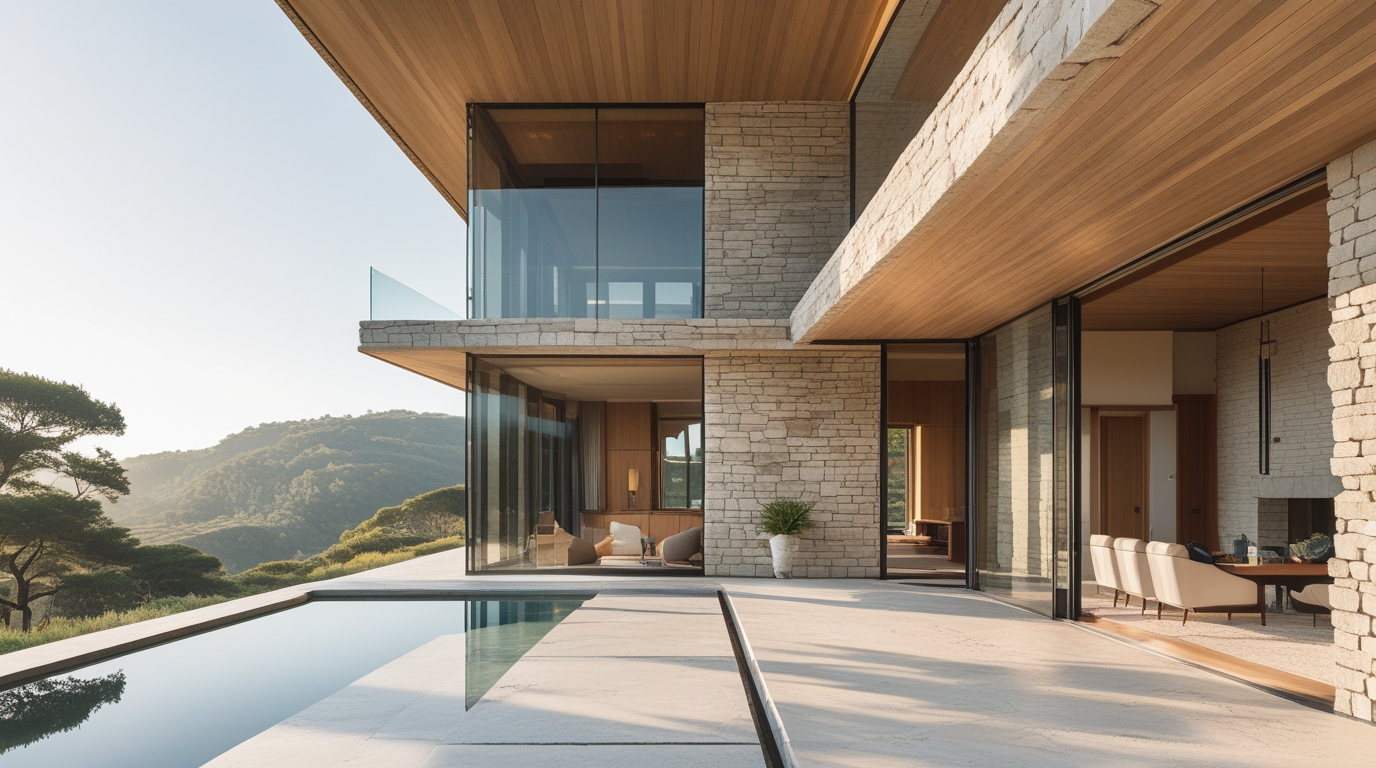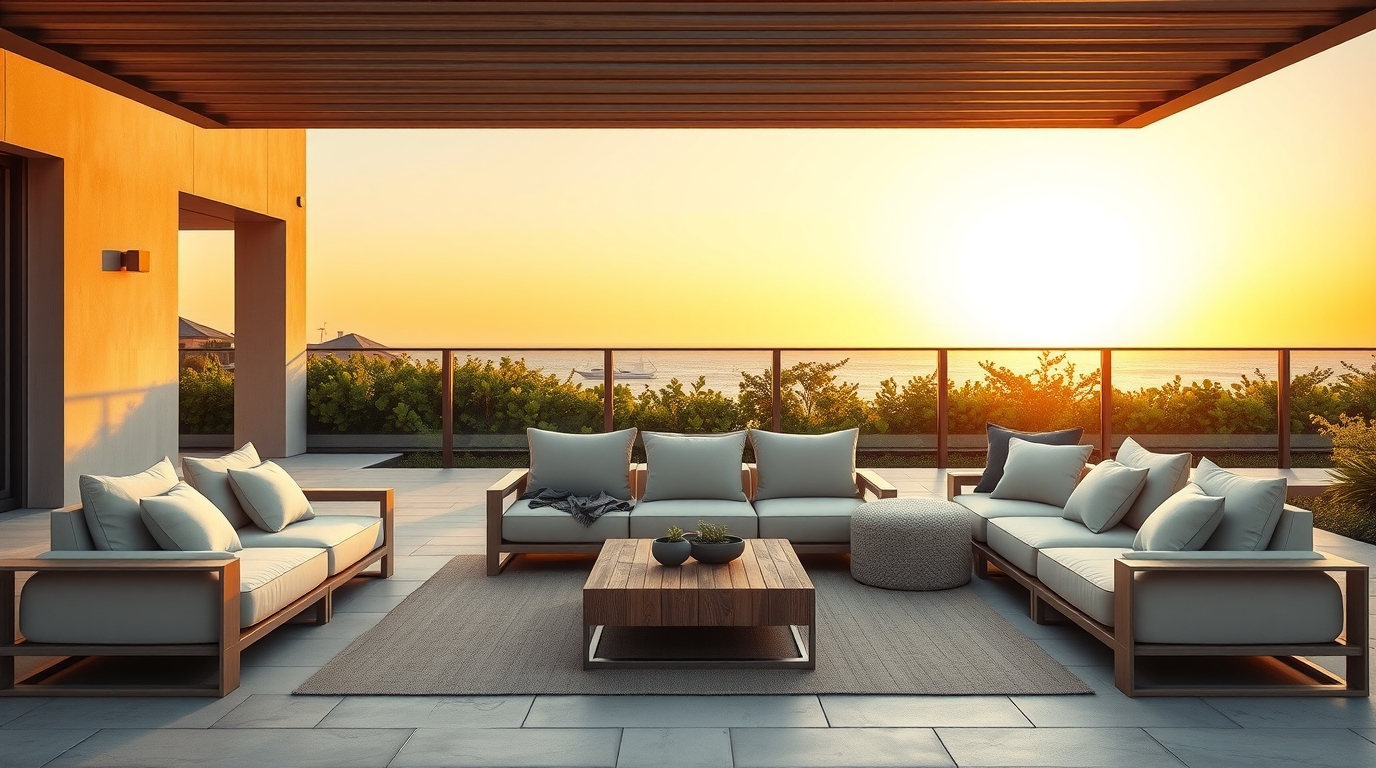
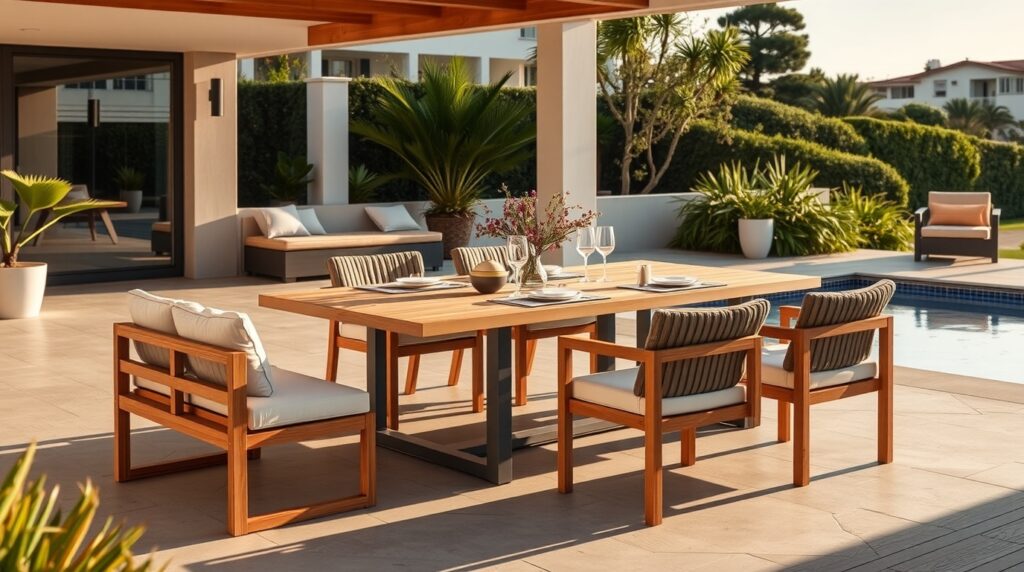
The Essence of Outdoor Dining
Outdoor dining has always been about more than food—it’s an experience of comfort, atmosphere, and natural connection. In Australia, where long summer evenings and open-air living are integral to our lifestyle, choosing the right dining furniture becomes an art form. Among the premium materials used for outdoor dining sets, teak and aluminium stand apart. Each offers unique advantages that influence the mood, longevity, and functionality of an alfresco setting.
Understanding the Materials
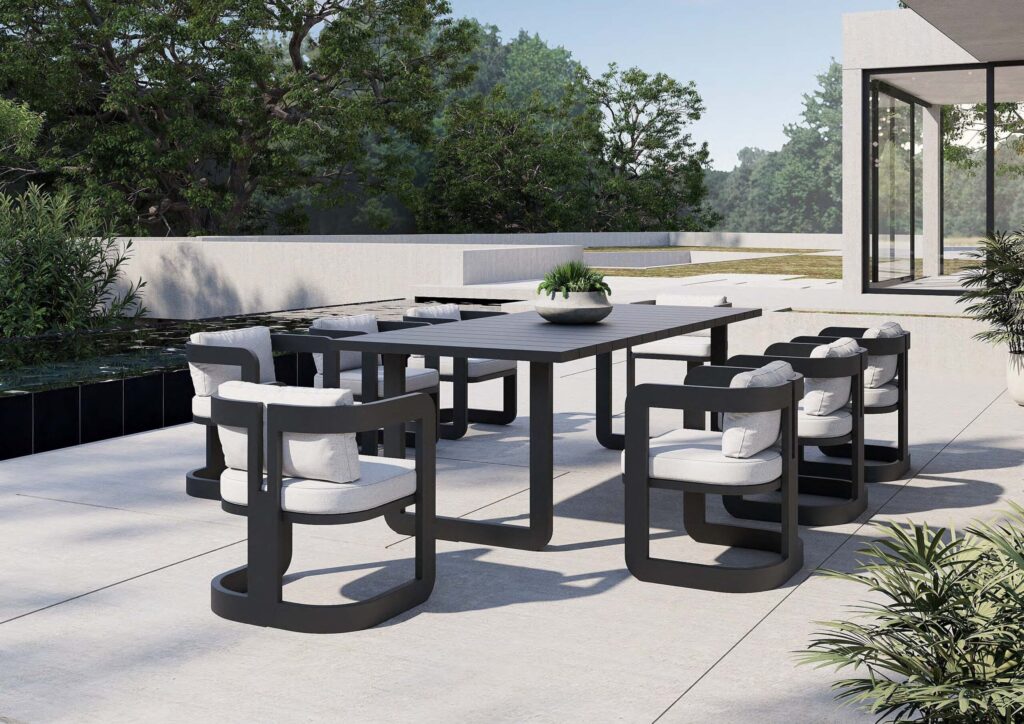
Teak, a tropical hardwood, has long been associated with traditional luxury. Its honey-gold tone, natural oils, and dense grain make it one of the world’s most durable timbers. It resists rot, moisture, and termites, developing a graceful silver patina over time. Aluminium, on the other hand, represents the modern frontier of design—lightweight, rustproof, and exceptionally versatile. Powder-coated finishes, available in refined neutral tones or contemporary matte blacks and greys, elevate its appeal for architectural homes and coastal terraces alike.
Aesthetic Appeal: Warmth vs Minimalism
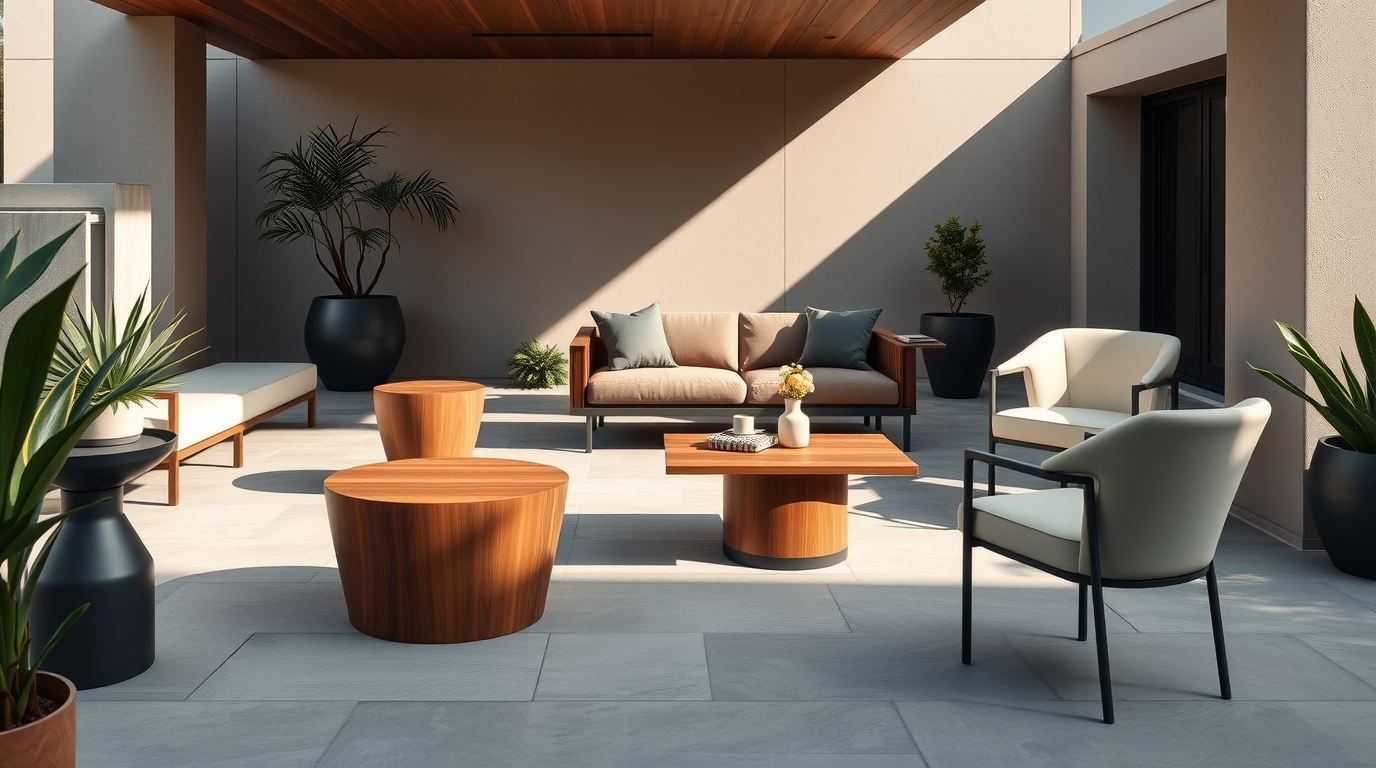
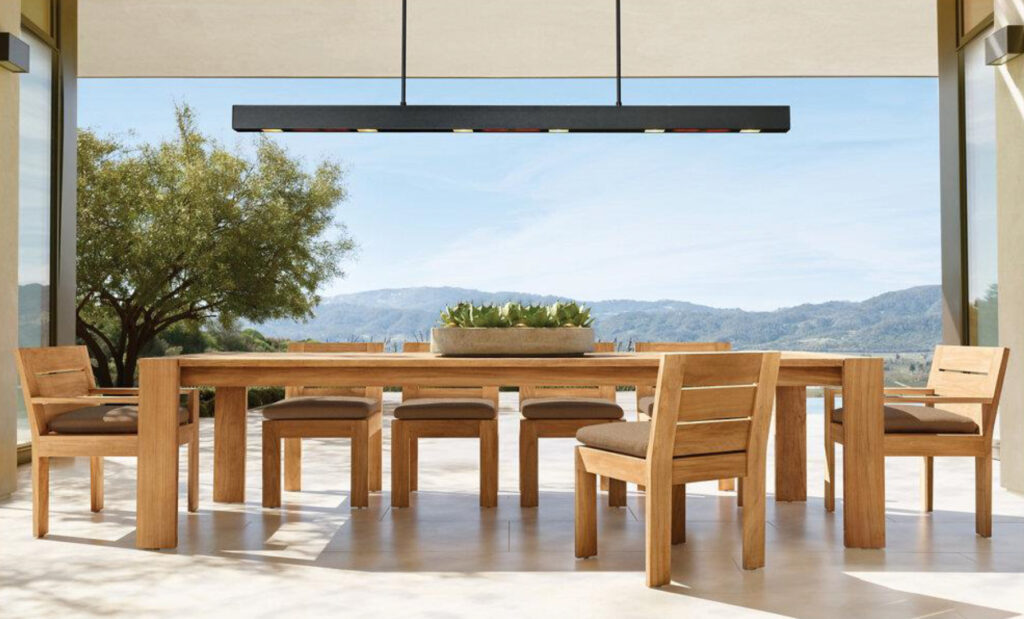
Teak brings a natural warmth and tactile richness that connects seamlessly with landscaped gardens, timber decking, and stone features. It conveys a timeless, organic charm—perfect for those who value the natural authenticity of real wood. Aluminium sets, however, embody modern minimalism. Their crisp lines and precise engineering appeal to homeowners who appreciate sleek sophistication and a low-maintenance approach. Both materials, when thoughtfully designed, can blend beautifully; many high-end collections now combine teak table tops with aluminium frames for a balanced, contemporary aesthetic.
Durability and Climate Performance
Australia’s harsh UV exposure and varied climates challenge outdoor materials like few other places. Teak thrives in sun and moisture alike; its natural oils protect it from cracking or warping. It may grey over time, but this weathered appearance adds character rather than detracting from it. Aluminium is entirely immune to rust, corrosion, and fading when properly powder-coated. It’s particularly suited to coastal regions where salt air and humidity can quickly compromise lesser materials. For homeowners near the sea, aluminium’s resilience provides peace of mind.
Maintenance and Longevity
Teak’s beauty lies in its living nature—it matures and changes gracefully. Some prefer to oil it yearly to preserve the golden hue, while others embrace its natural silvering. Cleaning requires nothing more than gentle soapy water. Aluminium’s maintenance is even easier: a quick wipe-down restores its shine, and it requires no sealing, sanding, or staining. Over a decade or more, both materials age elegantly, though aluminium’s appearance remains virtually unchanged.
Comfort and Functionality in Use
Dining outdoors should always feel inviting. Teak furniture’s solid weight provides a grounded, luxurious presence, ideal for permanent courtyard or poolside installations. Aluminium, lighter and easier to reposition, offers flexibility—ideal for rearranging to accommodate guests or adapting the space seasonally. Many aluminium chairs and tables now integrate subtle curvature and ergonomic shaping, ensuring comfort without compromising aesthetics. Combined with weather-resistant cushions, either material delivers an exceptional dining experience.
Sustainability and Ethical Considerations
Modern consumers increasingly prioritise sustainability. Teak sourced from responsibly managed plantations (with FSC or equivalent certification) ensures regeneration and environmental accountability. Aluminium, while requiring significant energy to produce, is 100% recyclable and can be repeatedly reused without loss of quality. Environmentally conscious brands highlight the recycled content in their aluminium frames and use low-VOC powder coatings to reduce environmental impact. Both materials, when sourced ethically, align with eco-luxury principles—durability reduces waste, and timeless design avoids fast-furniture turnover.
Design Versatility and Customisation
Teak’s natural tones harmonise effortlessly with fabric palettes—from crisp whites to ocean blues and charcoal greys. It works beautifully with both traditional and coastal styles. Aluminium’s strength lies in precision and flexibility—its frames can be slim or architectural, curved or linear. It accommodates modern modular layouts, mixed-material tabletops, and custom powder-coat colours. For designers, aluminium provides unmatched creative freedom; for homeowners, it allows coordination with other outdoor elements such as lighting, fencing, and architecture.
Weight, Mobility, and Practical Use
Weight matters when furniture needs to move between terrace and lawn or be stored for the winter. Teak’s solidity is reassuring but heavy, while aluminium’s lightweight structure makes rearranging effortless. For apartment balconies or rooftop settings, aluminium often proves more practical. For large open courtyards, teak’s permanence adds gravitas. The right choice often depends on lifestyle: those who host large family gatherings may appreciate teak’s classic strength; those who value adaptable entertaining areas may favour aluminium’s ease of movement.
Resistance to the Elements
Teak’s dense grain naturally repels moisture, and it can withstand decades of exposure when properly cared for. Aluminium’s protective powder-coat ensures total weatherproofing, even in torrential rain or searing heat. Importantly, both materials resist Australia’s wide temperature extremes without deforming. Cushions designed with quick-dry foams and Olefin or Sunbrella fabrics complement these frames, ensuring comfort and performance through every season.
Style Coordination with Architecture
Choosing between teak and aluminium often reflects architectural alignment. Teak suits heritage homes, resort villas, and landscapes featuring natural materials like sandstone or travertine. Aluminium, with its structural precision, pairs beautifully with modern glass facades, concrete finishes, and geometric landscaping. For those who appreciate balance, a hybrid teak-and-aluminium dining set delivers the best of both worlds—traditional warmth and contemporary clarity.
Value and Investment
While teak furniture generally commands a higher initial price, it rewards the buyer with unmatched longevity and a surface that improves with time. Aluminium is typically more affordable but still represents a premium investment when built to high standards. Both offer long-term value when the craftsmanship is meticulous. In a market increasingly flooded with low-grade imports, discerning buyers recognise the worth of premium materials tested to international standards.
The Emotional Experience of Material
Material choice also influences emotion. Teak invites touch and conveys a sense of permanence—each grain tells a story. Aluminium communicates modern confidence, architectural precision, and understated strength. In social gatherings, these subtle impressions contribute to atmosphere and enjoyment.
Teak vs Aluminium Dining Sets – The Verdict: Which to Choose?
Neither material is superior in every respect; it depends on the space, climate, and personality of the homeowner. For those drawn to warmth, texture, and organic authenticity, teak remains the ultimate natural choice. For those preferring contemporary elegance, lightness, and effortless care, aluminium stands out. Increasingly, the most sophisticated outdoor environments use both—an aluminium frame for structure and teak surfaces for natural character.
Final Thoughts
Outdoor dining has evolved into a lifestyle expression rather than a seasonal event. Whether you favour the enduring grace of teak or the contemporary finesse of aluminium, investing in quality craftsmanship ensures every meal becomes an occasion. With design excellence, sustainability, and customisation now integral to outdoor furniture, today’s homeowner can curate an alfresco dining experience that endures in both beauty and comfort.
Invest in timeless craftsmanship—The Exclusive Home transforms every outdoor meal into a lasting experience of elegance, comfort, and sustainable luxury.