Sustainability Through Recyclable Strength
In the world of modern luxury outdoor furniture, few materials embody sustainability and strength as elegantly as aluminium. While teak, rattan and stone have their own timeless allure, aluminium has quietly become the backbone of sustainable outdoor living — a material that fuses lightness, durability, and environmental responsibility. Its ability to be recycled indefinitely without losing quality has made it a cornerstone for designers and homeowners who seek both aesthetic beauty and ecological balance.
The conversation around sustainable furniture has evolved far beyond buzzwords. Today’s discerning homeowner wants more than green promises; they demand verifiable sustainability and long-term performance. Aluminium answers that call in ways few other materials can.
A Material Born to Last
Aluminium’s natural resistance to rust and corrosion gives it a longevity unmatched by many other metals. Unlike steel or iron, which can pit and deteriorate when exposed to coastal humidity or harsh Australian sun, aluminium stands firm. Its protective oxide layer is self-healing — meaning that even when scratched, it rebuilds its own barrier against the elements.
For luxury outdoor furniture, this resilience is more than a practical feature; it is an environmental advantage. Every year that an aluminium dining setting, bar chair or modular lounge remains in use is a year without replacement. Fewer replacements mean less waste, fewer transport emissions, and a reduced manufacturing footprint. Sustainability, in this sense, begins with endurance.
Recyclability Without Compromise
When a piece of aluminium furniture eventually reaches the end of its usable life, its journey is far from over. Aluminium is 100 per cent recyclable, and it can be repurposed endlessly without degradation of its core properties. The energy required to recycle aluminium is roughly 5 per cent of that used in its initial production — a powerful statistic that underscores its green credentials.
Many high-end furniture producers now prioritise recycled aluminium, sourcing from post-industrial and post-consumer scrap to reduce mining demand. The resulting metal is every bit as strong, sleek and malleable as newly smelted aluminium, demonstrating how circular design can work beautifully in practice.
Design Freedom Meets Responsibility
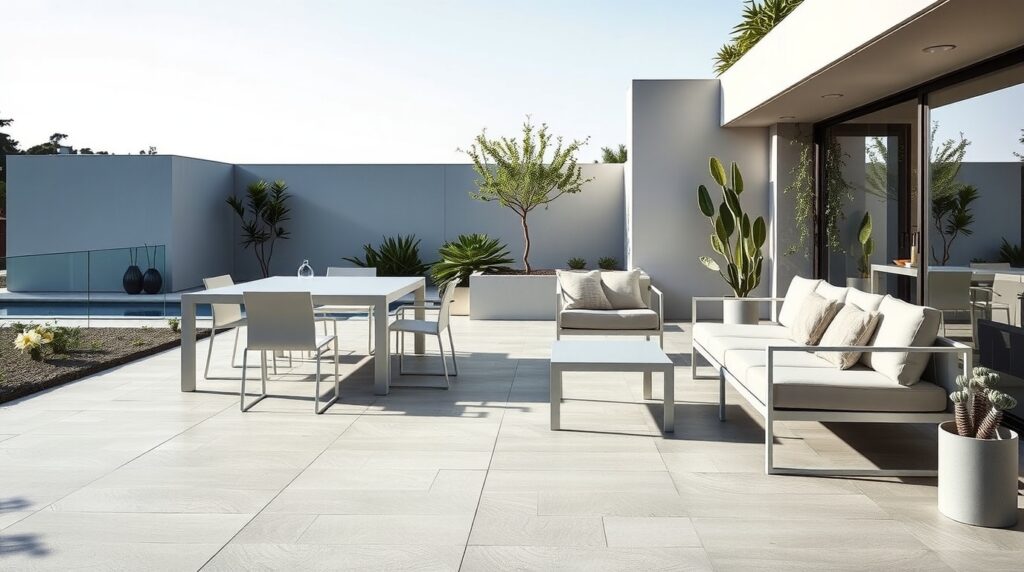
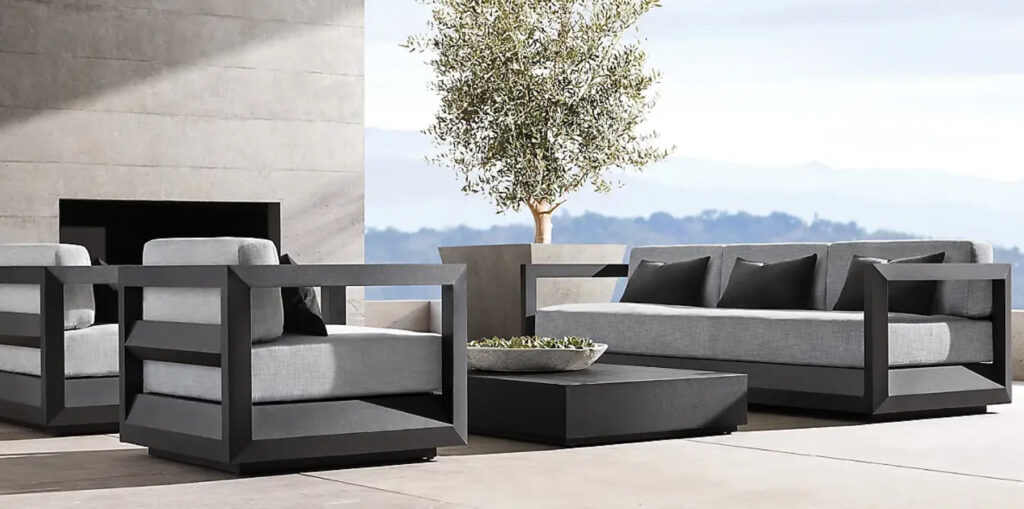
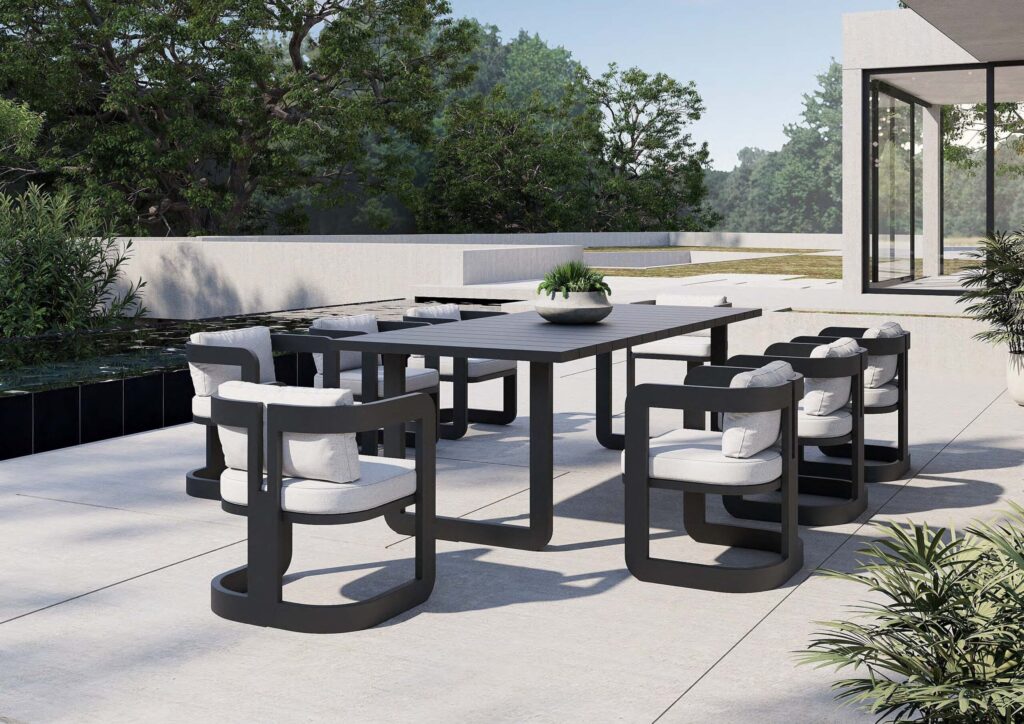
Aluminium’s malleability grants designers unparalleled freedom. Whether curved into sculptural frames for statement lounges or shaped into fine-lined dining chairs that embody modern minimalism, it allows elegance without excess. The material’s lightweight nature reduces shipping costs and fuel consumption, while its structural integrity enables slimmer profiles that use less raw material.
From a sustainability perspective, this efficient design reduces not just material use but visual clutter. Outdoor spaces benefit from clean silhouettes that complement natural surroundings, reflecting a design philosophy grounded in restraint and respect for the environment.
Powder Coating and Eco Finishes
Technological progress has made aluminium finishes far more sustainable than in the past. Advanced powder coating systems are solvent-free, low-VOC, and applied using electrostatic techniques that minimise waste. These coatings do more than provide colour; they act as an additional armour against salt, moisture and UV degradation, extending lifespan even further.
Reputable manufacturers increasingly adopt closed-loop systems, capturing overspray powder and reusing it in subsequent cycles. This commitment to eco-efficiency demonstrates how manufacturing processes can align luxury with low impact — proving that beauty need not come at the cost of environmental health.
The Lifecycle Advantage
Every product has a lifecycle — from raw material extraction to manufacturing, distribution, use, and eventual disposal. Aluminium excels in every stage.
- Extraction: While bauxite mining has historically raised concerns, the industry has evolved with improved rehabilitation programs and energy efficiency.
- Production: New smelters are turning to hydroelectric and solar power, dramatically reducing emissions.
- Usage: The lightweight strength of aluminium means products need less maintenance and transport energy.
- Recycling: Virtually all discarded aluminium can be recovered and reused.
Few materials can claim such comprehensive sustainability performance, making aluminium not just a smart choice, but a responsible one for modern outdoor furniture.
A Circular Future for Outdoor Living
Circular design is no longer theoretical. Furniture designers are integrating replaceable components, modular construction, and standardised fittings that allow refurbishment rather than replacement. Aluminium lends itself perfectly to this philosophy because it can be melted down and reborn repeatedly.
In a future where waste is design’s greatest enemy, aluminium’s recyclability stands as its greatest ally. Whether reincarnated as another chair frame, architectural panel or even a component of electric vehicles, the metal’s second, third and fourth lives are guaranteed.
Beauty, Ethics and Longevity
Luxury once meant exclusivity. Today, it also means responsibility. When a homeowner chooses a beautifully crafted aluminium lounge or dining setting, they are making a quiet ethical statement — that true luxury lies in products built to last and designed with conscience.
From the glittering balconies of Sydney’s harbour apartments to the serene courtyards of coastal Queensland, aluminium furniture is redefining outdoor elegance. It combines sophistication with sustainability, proving that recyclable strength and timeless design are not opposites but partners in progress.
Discover the art of sustainable sophistication — explore the full collection of aluminium-crafted outdoor furniture at The Exclusive Home, where modern design meets timeless responsibility.