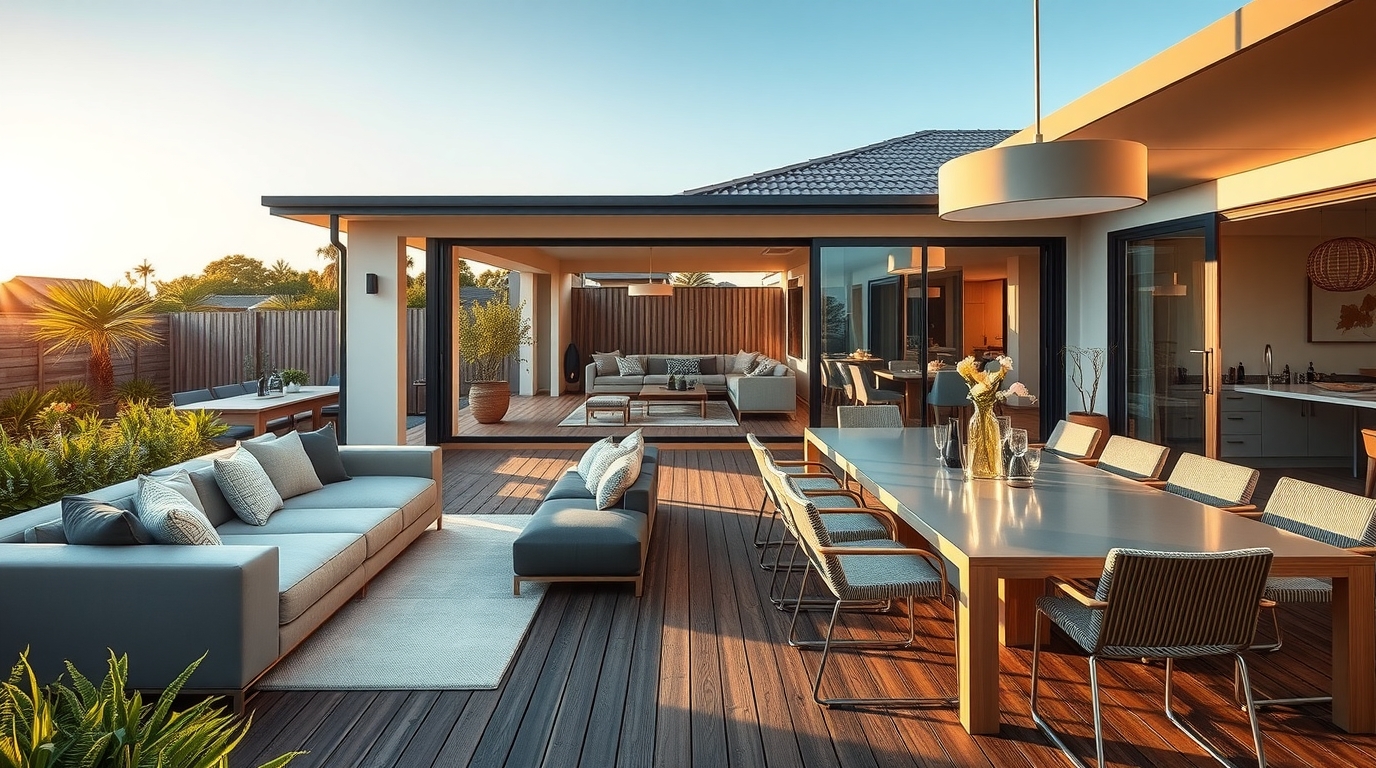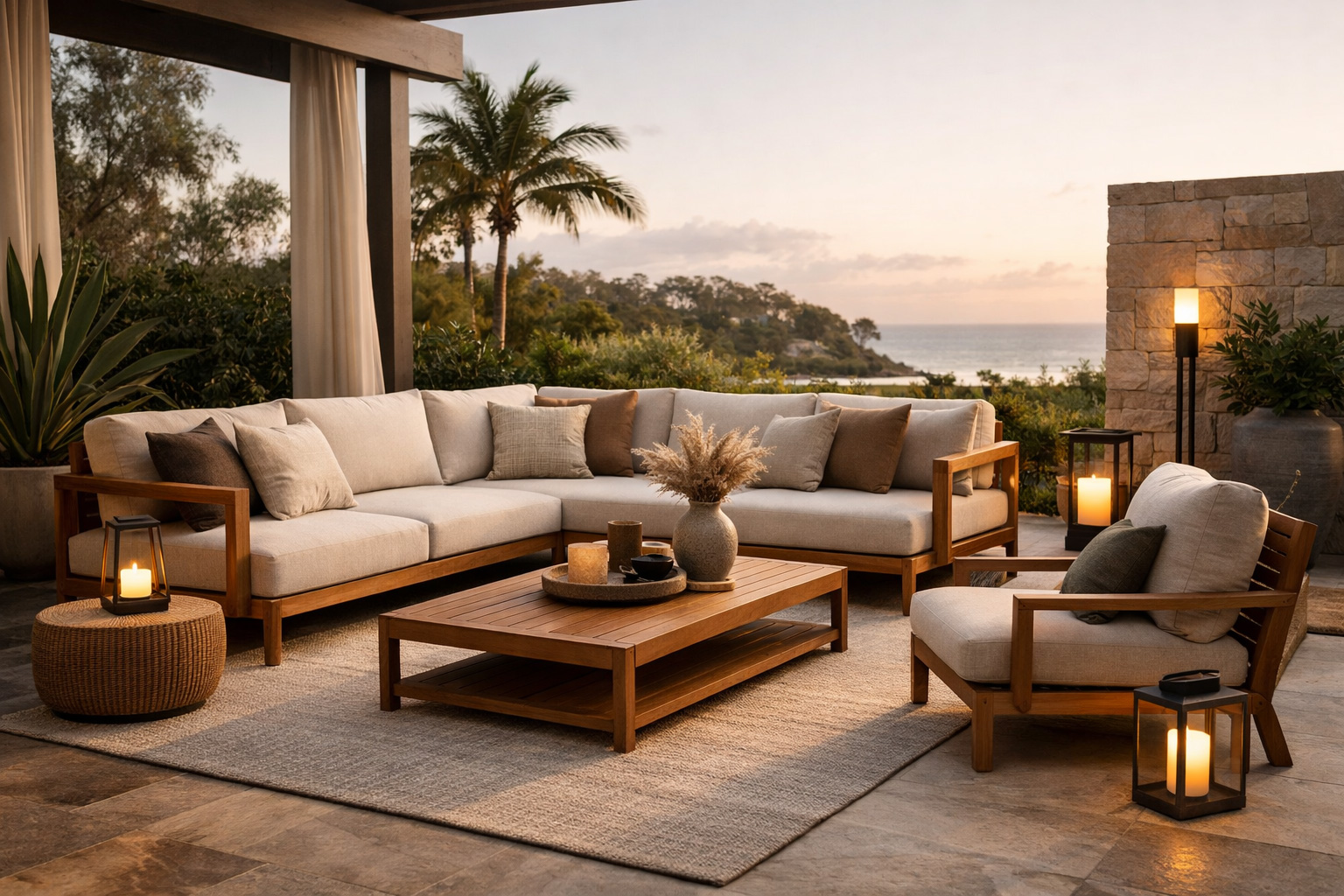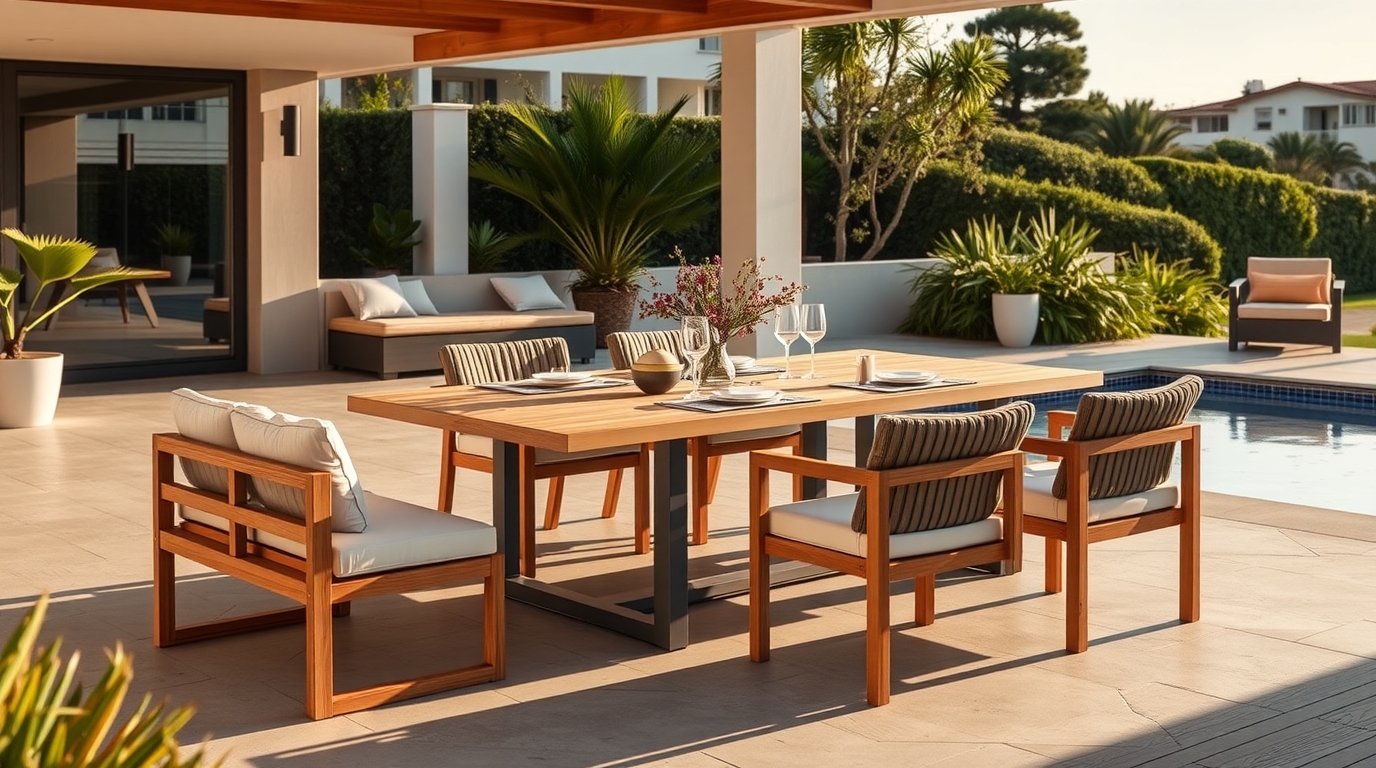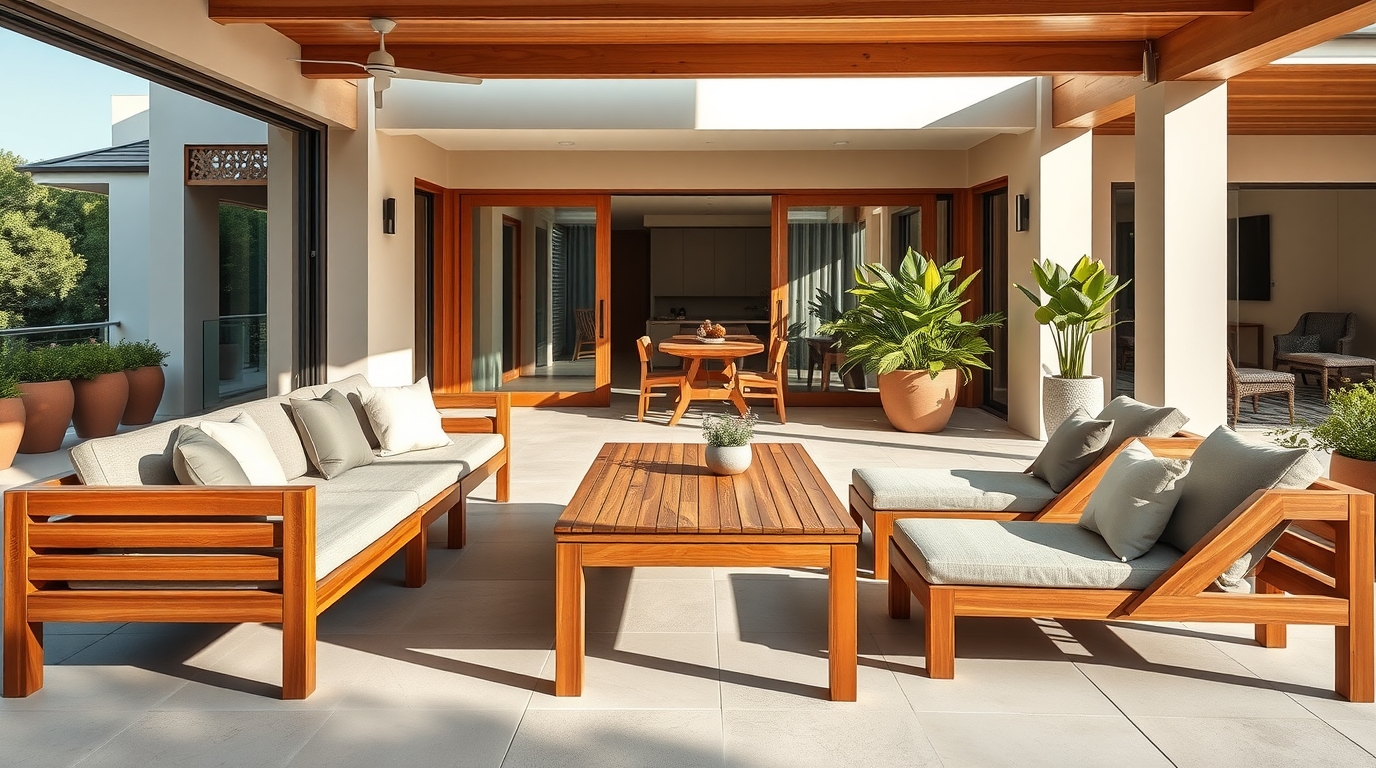
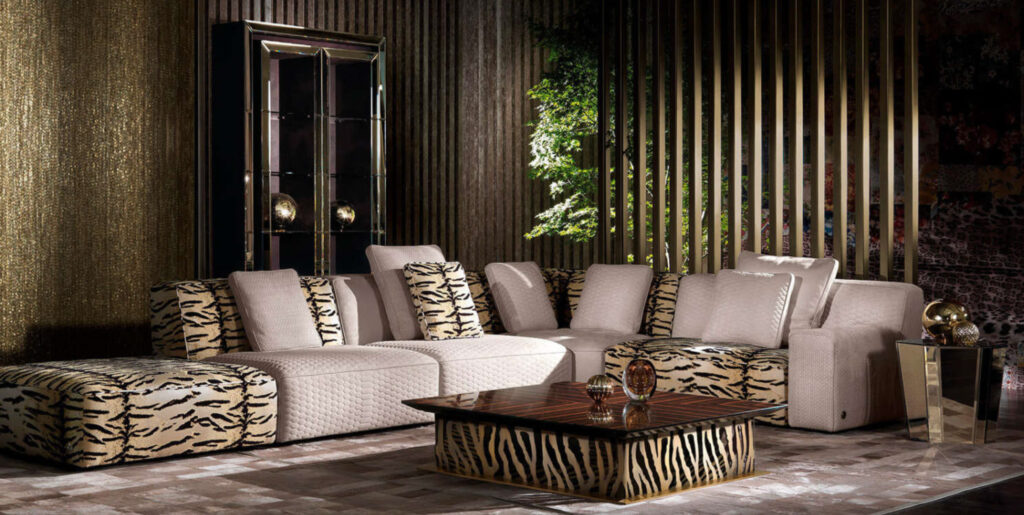
Selling a NZ$4,000 outdoor lounge setting online is very different from selling a NZ$40 cushion.
The higher the purchase value, the more questions a customer is likely to ask before reaching the checkout.
They may want to know:
- What is the furniture actually made from?
- How will it cope with New Zealand weather?
- Can I see the fabric closely?
- What are the exact dimensions?
- Will it fit on my deck?
- Is the product in stock?
- How much will freight cost?
- Does rural delivery cost extra?
- Will the furniture arrive assembled?
- What happens if it is damaged?
- Can I return it?
- Is there a warranty?
- Is this genuinely a New Zealand retailer?
These questions make premium outdoor living e-commerce more demanding than ordinary low-value retail.
But they also create an opportunity.
A well-designed e-commerce website can do much more than display products. It can replace many of the information gaps that would normally be resolved inside a showroom.
That matters because New Zealand shoppers are increasingly comfortable buying online. NZ Post reported in July 2026 that Kiwi consumers made nearly six million more online transactions during 2025 than in 2024, a 6% increase. New Zealand retailers accounted for 79.6% of total online spending covered by the report, and their average order values were more than NZ$50 higher than those of offshore retailers.
For outdoor furniture and lifestyle businesses, the commercial question is therefore no longer whether people will research expensive products online.
They already do.
The stronger question is whether the website gives them enough information and confidence to complete the purchase.
Premium E-Commerce Is Mostly About Reducing Uncertainty
High-value online purchases create more perceived risk.
A customer ordering a NZ$60 accessory may tolerate some ambiguity.
Someone spending several thousand dollars usually will not.
That means a premium outdoor living website has to remove uncertainty around:
- quality
- scale
- materials
- delivery
- returns
- stock
- warranties
- business legitimacy
The easier those questions are to answer, the easier the purchase becomes.
This is one reason premium e-commerce should not be approached as a purely visual design project.
A beautiful website with vague product information can still convert poorly.
The objective is not simply to make products look desirable.
It is to make them feel safe to buy.
Start With a Clear Product Architecture
Premium outdoor ranges can become complicated quickly.
A retailer may sell:
- outdoor dining
- outdoor lounge
- modular seating
- daybeds
- sun loungers
- coffee tables
- side tables
- umbrellas
- shade systems
- outdoor heating
- fire pits
- outdoor kitchens
- covers
- cushions
- accessories
If these products are poorly organised, customers spend more time navigating than shopping.
A strong category structure might include:
Outdoor Dining
Tables, chairs, benches and full settings.
Outdoor Lounge
Sofas, modular seating, lounge chairs and coffee tables.
Shade and Shelter
Umbrellas, cantilevers and related products.
Outdoor Cooking
Freestanding or modular kitchen products, BBQs and accessories.
Heating and Fire
Outdoor heating and fire features.
Accessories
Cushions, covers and smaller lifestyle products.
The structure should reflect how customers actually shop rather than how stock happens to be arranged internally.
Product Filters Should Reduce Choice, Not Create More Confusion
Filters become particularly useful when a product category contains many items.
Customers might want to narrow products by:
- price
- material
- colour
- seating capacity
- size
- collection
- availability
For outdoor dining, seating capacity can be especially useful.
A customer may know they need seating for eight people long before they know which collection they prefer.
Similarly, someone furnishing a compact townhouse patio may search by dimensions rather than brand.
Filters should therefore reflect real buying questions.
Product Photography Carries More Weight Online
Premium outdoor products need excellent photography.
A customer cannot touch the timber, inspect the powder coating or sit on the cushions through a website.
Images therefore have to communicate as much as possible.
Useful product galleries can include:
- front view
- rear view
- side view
- close-up material detail
- fabric texture
- frame finish
- tabletop detail
- complete setting
- furniture shown in a realistic outdoor environment
A premium sofa photographed only against a plain background may explain what the product looks like.
A second image showing it within a well-designed deck or courtyard helps the customer imagine ownership.
Both are useful.
Use Scale Photography
Furniture can be surprisingly difficult to judge online.
A table that looks modest in a product image may be enormous in a small courtyard.
Including people or familiar objects in selected photographs can help communicate scale.
A product page should also make dimensions extremely easy to find.
Do not bury them inside an accordion called “Technical Information” that requires a small archaeological expedition to locate.
Show:
- width
- depth
- height
- seat height
- table height
- individual module dimensions
Where appropriate, include a visual dimension diagram.
Help Customers Understand Whether Furniture Will Fit
One of the biggest barriers to buying large furniture online is fear of choosing the wrong size.
Useful content can explain:
- recommended clearance around dining tables
- how far chairs pull out
- space needed for modular settings
- umbrella base dimensions
- walking clearance
For larger products, the website might include a downloadable specification sheet.
The less uncertainty there is around size, the more confidence the customer has.
Material Information Needs to Be Practical
Premium outdoor furniture often sells partly on material quality.
That information needs to be specific.
Instead of:
Premium weather-resistant materials
explain what the customer is actually buying.
For example:
- powder-coated aluminium frame
- teak timber
- solution-dyed outdoor fabric
- stainless-steel fittings
- synthetic weave
Then explain relevant care.
A coastal property may create different maintenance demands from an inland patio.
Customers should understand:
- cleaning requirements
- storage recommendations
- exposure considerations
- whether cushions should remain outdoors
- protective-cover recommendations
Avoid vague claims such as “maintenance free” unless they can genuinely be substantiated.
Make Product Descriptions Commercially Useful
Premium brands sometimes become so concerned with sounding luxurious that product descriptions become poetic rather than useful.
A customer may read three paragraphs about “timeless outdoor elegance” and still not know whether the chair is stackable.
Good descriptions combine:
emotional appeal
with:
practical detail
A product page should clearly explain:
- purpose
- materials
- dimensions
- key features
- available colours
- assembly requirements
- care
- warranty
- stock
- delivery
The Commerce Commission requires online sellers to ensure product representations are accurate and not misleading, and says important terms relating to price, quality, delivery, returns and warranties should be clear and easy to find.
Make the New Zealand Connection Clear
New Zealand shoppers increasingly value knowing who they are buying from.
NZ Post’s 2026 research found that more than a quarter of shoppers cited factors such as being a New Zealand-based store, delivery visibility and easy returns when choosing retailers.
That means a local outdoor retailer should not hide its identity.
Useful trust signals include:
- New Zealand business address
- local phone number
- showroom information
- warehouse location
- NZ delivery information
- clear company details
The Commerce Commission also reminds consumers that a .co.nz domain does not necessarily prove that a retailer is based in New Zealand.
So genuine local retailers should make their local presence unmistakable.
Trust Has to Be Visible Before Checkout
A premium outdoor purchase involves enough money that many customers will check the retailer before paying.
Trust signals may include:
- genuine reviews
- professional product imagery
- physical showroom information
- clear contact details
- warranty details
- secure payment options
- transparent returns information
- delivery guidance
These should not all be hidden in the footer.
Trust belongs throughout the customer journey.
A customer looking at a NZ$7,000 lounge setting may want reassurance before adding it to the cart, not after.
Stock Availability Must Be Accurate
Premium outdoor products may be:
- physically in stock
- stored in a warehouse
- arriving in a future shipment
- made to order
- temporarily unavailable
The website needs to distinguish these clearly.
Useful status labels may include:
In stock
Low stock
Available to order
Pre-order
Expected arrival: November
The Commerce Commission states that businesses selling online must provide clear and accurate information about availability and when customers can expect delivery. Businesses should not offer products they do not reasonably believe they can supply on the terms advertised.
That matters especially when stock depends on overseas freight.
Delivery Is Part of the Product
For outdoor furniture, shipping is rarely trivial.
Large products may require:
- specialist freight
- multi-box delivery
- rural delivery
- scheduled delivery
- assembly
- difficult-access arrangements
Google Merchant Center itself notes that shipping cost and speed are among the most common reasons shoppers abandon purchases.
That means delivery information should be visible early.
Customers should be able to understand:
- where delivery is available
- approximate cost
- urban versus rural differences
- expected timeframe
- whether assembly is included
- whether delivery is kerbside or to position
The less surprising checkout becomes, the better.
Show Delivery Costs Before the Final Step
A customer who spends fifteen minutes comparing furniture and configuring an order should not discover a large freight charge at the final payment screen.
Where exact freight cannot be calculated immediately, explain the process clearly.
For example:
Standard Auckland delivery from NZ$99. Regional and rural delivery calculated at checkout.
or:
Oversized furniture delivery is quoted according to postcode.
Transparency is better than pretending shipping is simple when it is not.
Merchant Center Shipping Data Should Match the Website
Retailers using Google Shopping or free product listings should keep shipping data accurate.
Google Merchant Center allows businesses to submit shipping cost and speed information at account or product level. It also allows product-level overrides for bulky or fragile goods.
Google advises that submitted shipping costs should closely match the website and that retailers should maintain consistency between account-level and item-level settings.
This is particularly relevant for premium outdoor products because freight can vary significantly between product categories.
Mobile E-Commerce Cannot Be an Afterthought
Customers often discover outdoor products through:
and arrive on a mobile device.
The mobile experience should therefore support serious shopping.
Customers need to be able to:
- browse categories
- enlarge images
- compare products
- select variants
- read specifications
- check stock
- see delivery information
- add to cart
- complete payment
Large product imagery can slow pages considerably if poorly optimised.
A premium website that takes several geological eras to load does not feel especially premium.
Navigation Should Stay Simple
Luxury brands sometimes overcomplicate menus because minimal navigation looks sophisticated.
That may work beautifully until a customer tries to find a six-seat dining table.
Use clear labels.
For example:
- Dining
- Lounge
- Shade
- Heating
- Kitchens
- Accessories
The customer should not have to interpret labels such as:
Gather
Relax
Escape
Those might be suitable campaign headings.
They are less helpful when somebody simply wants chairs.
Search Should Handle Real Product Queries
Site search can be especially useful for larger catalogues.
Customers might type:
- teak dining table
- 8 seater
- black outdoor chairs
- modular sofa
- umbrella
Good internal search should return relevant results rather than displaying:
No results found
because the product database calls it “charcoal” rather than “black”.
Retail e-commerce should accommodate normal customer language.
Premium Products Need Comparison Tools
Customers buying higher-value items often compare several alternatives.
Useful comparison information might include:
- dimensions
- material
- seating capacity
- colours
- warranty
- availability
- price
Even if there is no formal comparison function, consistent product-page layouts make comparisons easier.
Consistency reduces cognitive load.
The customer should not have to hunt for warranty information in a different location on every product.
Product Variants Must Be Easy to Understand
Premium outdoor products may have:
- multiple frame colours
- cushion fabrics
- modular combinations
- table sizes
- seat configurations
Variant selectors should make changes obvious.
If selecting a different fabric changes:
- price
- stock
- lead time
the page should update those details clearly.
The customer should always know what configuration is currently being purchased.
Show the Selected Configuration in the Cart
A cart should display more than a product name.
For configurable furniture, show:
Product: Coastal Modular Sofa
Configuration: 3-piece
Frame: Charcoal
Fabric: Sand
Quantity: 1
This reduces mistakes.
It also gives customers confidence that their selections have been recorded correctly.
Checkout Should Be Short and Predictable
Premium purchases already require thought.
Do not make checkout harder.
Useful practices include:
- guest checkout
- common payment options
- simple address entry
- clear shipping
- visible total price
- clear order review
Avoid collecting unnecessary information.
A customer buying outdoor furniture does not need to complete a lifestyle census.
Payment Options Can Affect Conversion
Higher purchase values may make payment flexibility more important.
The right payment mix depends on:
- customer profile
- product value
- merchant costs
- risk
- business model
Possible options may include:
- card
- bank payment
- supported instalment services
- finance options
Any credit or finance messaging should comply with applicable New Zealand requirements and be presented accurately.
The objective is not to add every possible payment method.
It is to remove avoidable barriers for the customers the business actually serves.
Returns Policies Should Be Easy to Find
Premium furniture can be difficult and expensive to return.
That makes clarity particularly important.
The website should explain:
- change-of-mind policy
- return timeframe
- return freight
- packaging requirements
- damaged-item process
- faulty-product process
The Commerce Commission states that New Zealand consumer rights apply whether goods are purchased online or in-store.
Businesses must also comply with the Consumer Guarantees Act, including guarantees that goods are of acceptable quality, fit for purpose where applicable, arrive in good condition and match their description.
A store policy should not suggest those statutory rights disappear merely because a sofa is large and inconvenient to move.
Use Reviews Where Customers Need Reassurance
Reviews can be especially powerful near:
- add-to-cart buttons
- product descriptions
- delivery information
Useful reviews may address:
- comfort
- quality
- colour accuracy
- service
- delivery
- assembly
For premium products, detailed reviews are often more useful than generic five-star ratings.
Customers want evidence.
Showroom and E-Commerce Should Work Together
Premium outdoor furniture often remains a hybrid purchase.
Some customers want to:
- view online
- shortlist products
- visit the showroom
- sit on furniture
- check fabrics
- buy later online
Others do the reverse.
The website should therefore make showroom information easy to find.
Useful options include:
- showroom location
- opening hours
- book a consultation
- view display stock
Do not treat physical and online retail as rival channels.
They are often part of the same journey.
Allow Customers to Save Products
A premium purchase may take days or weeks.
Wishlists or saved products can help customers return.
This is particularly useful when partners or families are comparing options.
Features might include:
- wishlist
- save for later
- email product
- recently viewed
The longer the decision process, the more useful these tools become.
Build Buying Guides Around High-Value Decisions
Premium outdoor retailers can use content to answer questions such as:
- teak versus aluminium outdoor furniture
- best outdoor furniture for coastal properties
- how to choose outdoor dining table size
- outdoor sofa buying guide
- how to care for outdoor cushions
- best shade options for a deck
These guides can support:
- SEO
- product discovery
- customer confidence
- internal linking
They also help the retailer demonstrate genuine category expertise.
Use Internal Links Commercially
A guide about outdoor furniture for coastal properties can naturally link to:
- aluminium collections
- protective covers
- care guides
A dining-size guide can link to:
- 6-seat dining
- 8-seat dining
- extendable tables
Internal links help customers move from research to relevant products without feeling aggressively sold to.
Support Google Shopping Properly
Outdoor living businesses using Merchant Center should ensure:
- product titles are clear
- prices match the website
- stock is accurate
- shipping settings are current
- images represent the products
Merchant Center requires a product price attribute and uses the submitted price in listings.
Product-feed errors can reduce visibility or cause disapprovals.
E-commerce operations and digital marketing are therefore closely connected.
Site Speed Matters More on Image-Heavy Stores
Outdoor furniture needs rich imagery.
That creates a technical trade-off.
Pages should preserve visual quality while avoiding unnecessarily large files.
Useful approaches include:
- appropriate image sizing
- efficient formats
- lazy loading
- reducing unnecessary scripts
A website developer should monitor:
- loading time
- mobile performance
- checkout speed
Slow websites undermine both usability and marketing performance.
Make Customer Service Easy to Reach
Premium e-commerce should still offer human support.
Customers may want to ask:
- Is this item available to view?
- Will this fit my space?
- Can you send a fabric sample?
- Do you deliver to my town?
- Can I order replacement cushions?
Useful contact options may include:
- phone
- live chat
- product enquiry
- showroom appointment
Good e-commerce reduces repetitive questions.
It does not eliminate human service.
Measure the Full Conversion Funnel
A retailer should understand where customers drop out.
Track:
- Category views
- Product views
- Add-to-cart rate
- Checkout starts
- Completed purchases
Then investigate.
If many customers view products but rarely add to cart, possible problems include:
- price
- weak imagery
- unclear delivery
- poor product information
If carts are created but checkout is abandoned, consider:
- shipping surprises
- payment options
- checkout complexity
Data gives the business a better starting point than intuition alone.
Measure Gross Profit, Not Revenue Alone
Premium products can produce impressive revenue numbers.
They can also carry substantial costs.
Consider:
- freight
- warehousing
- advertising
- payment fees
- returns
- damage
- customer service
A NZ$6,000 sale may generate less profit than expected if delivery and acquisition costs are high.
Useful e-commerce metrics include:
- conversion rate
- average order value
- gross margin
- cost per acquisition
- return rate
- freight cost
- repeat purchase rate
The strongest website strategy should support profitable transactions, not just bigger screenshots inside analytics reports.
Common Premium E-Commerce Mistakes to Avoid
Treating the Website as a Digital Catalogue
Customers need enough information to purchase confidently.
Using Beautiful Images but Weak Specifications
Aesthetic appeal and practical information must work together.
Hiding Delivery Costs
Shipping is part of the purchase.
Being Vague About Stock
Customers need realistic availability.
Ignoring Mobile
Many shoppers discover products on phones.
Creating Confusing Navigation
Premium does not mean mysterious.
Using Weak Product Search
Customers should find products using normal language.
Hiding Returns and Warranty Information
Trust depends on transparency.
Separating Showroom and Website Experiences
Many customers use both.
Measuring Revenue Without Margin
Commercial performance matters more than vanity totals.
A Practical Premium E-Commerce Checklist
Before increasing advertising spend, a New Zealand outdoor living retailer should review whether its site has:
- Clear category navigation.
- Strong filters.
- Useful site search.
- High-quality product images.
- Lifestyle photography.
- Scale references.
- Dimension diagrams.
- Detailed material information.
- Care instructions.
- Clear product variants.
- Accurate pricing.
- Current availability.
- Visible lead times.
- Transparent shipping.
- Rural delivery guidance.
- Clear returns policies.
- Warranty information.
- Genuine reviews.
- Secure checkout.
- Guest checkout.
- Appropriate payment options.
- Wishlist or save functions.
- Mobile-friendly design.
- Fast page loading.
- Clear contact options.
- Showroom information.
- Search-friendly buying guides.
- Accurate Merchant Center data.
- Analytics and conversion tracking.
- Profitability reporting.
Premium Products Need Premium Digital Confidence
A premium outdoor living website succeeds when it removes enough uncertainty for a customer to feel comfortable making a substantial purchase.
That means the website needs to do the work that a good showroom salesperson would normally do.
It should explain:
- what the product is
- why it is valuable
- how large it is
- what it is made from
- whether it suits the customer’s situation
- whether it is available
- when it will arrive
- what happens if something goes wrong
New Zealand’s continuing shift towards online purchasing means outdoor retailers have a growing opportunity to reach customers well beyond their immediate showroom area. NZ Post’s latest reporting suggests domestic retailers retain strong advantages, including local presence, delivery visibility and service.
Those strengths should be built directly into the website.
A premium e-commerce store should not simply look expensive.
It should make expensive products easier to buy.
For New Zealand outdoor furniture and lifestyle retailers wanting to strengthen online sales, Home & Lifestyle Marketing New Zealand can help develop e-commerce websites that combine high-quality visual presentation with mobile usability, search visibility, trustworthy product information and measurable conversion performance.
To learn more, please visit www.hlmco.com.au