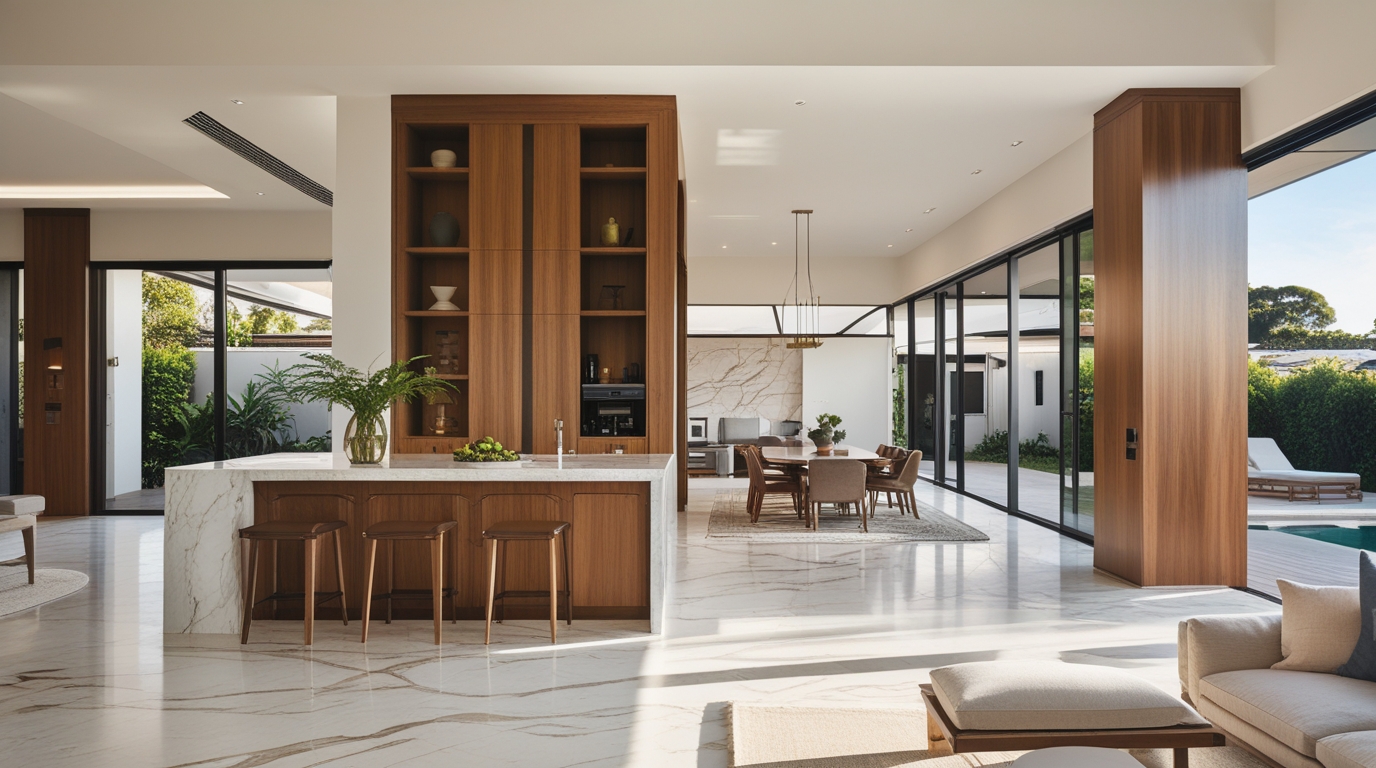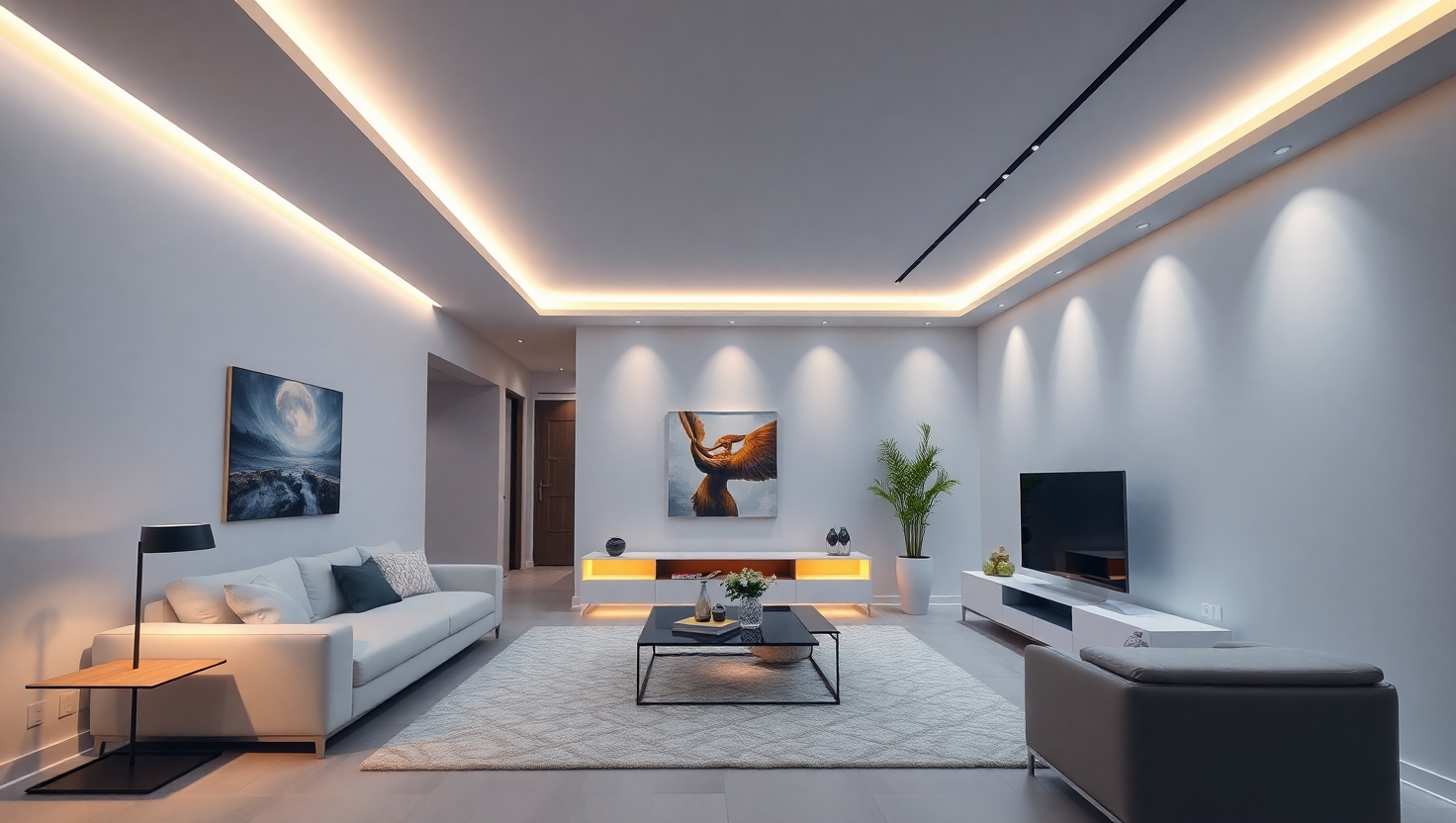

Home styling and decorating are naturally visual services. A well-styled room can communicate colour, proportion, texture, furniture selection and atmosphere within seconds. That makes social media an obvious channel for styling businesses.
But visibility is not the same as demand.
A beautiful room may receive hundreds of likes without generating a single serious enquiry. A carefully produced video may attract thousands of views from people who live outside the business’s service area. A portfolio post may demonstrate excellent taste but give the viewer no clear reason to visit the website or make contact.
For home stylists and decorators, the commercial opportunity lies in connecting inspiration with the next stage of the customer journey.
Social media can introduce a potential client to a business, demonstrate its approach, answer questions, build familiarity and eventually encourage an enquiry. But this requires more than consistently posting attractive interiors.
The content needs to give people a reason to move from “I like this” to “I would like help with my own home.”
That transition is where social media becomes a meaningful part of a customer acquisition strategy.
1. Understand Why People Follow Styling Businesses
People do not necessarily follow an interior stylist because they are ready to hire one.
They may follow because they:
- enjoy interior inspiration
- are planning a future renovation
- have recently moved house
- want ideas for a particular room
- are researching furniture and finishes
- like a particular aesthetic
- are considering professional help
- simply enjoy beautiful interiors
This means social media audiences are often at different stages of the buying journey.
Some are casual observers.
Others are actively researching.
Some may have a project planned for several months from now.
A smaller proportion may be ready to enquire today.
A business should not expect every post to generate a lead.
Instead, the social strategy should gradually move suitable followers towards greater awareness, trust and commercial consideration.
2. Inspiration Is the Starting Point, Not the Final Objective
Styling businesses often have excellent visual content but stop at inspiration.
A post might show a beautifully styled lounge with a caption such as:
“A calm and timeless living space.”
There is nothing inherently wrong with that.
But the post does little to explain how the stylist helped create the result or what a prospective client should do if they want similar assistance.
A more commercially useful approach might explain:
- the client’s original challenge
- what the stylist changed
- why particular furniture was selected
- how colour was used
- how the room was balanced
- what constraints had to be considered
- what the client wanted to achieve
The post remains inspirational, but it also demonstrates expertise.
That distinction matters.
A potential client is not simply looking for someone with attractive photographs. They are considering whether that person can make good decisions in their own home.
3. Show the Thinking Behind the Room
One of the strongest ways to move beyond inspiration is to explain the reasoning behind a project.
For example, instead of simply showing a finished bedroom, a stylist could discuss:
The problem: The room felt visually disconnected and lacked a clear focal point.
The approach: The furniture layout was reconsidered before new pieces were introduced.
The styling decision: A restrained palette was used to create consistency between the existing flooring, textiles and furnishings.
The result: The room became more cohesive without requiring a complete replacement of the existing furniture.
This type of content demonstrates professional judgement.
It also helps potential clients recognise situations that resemble their own.
A viewer may think:
“Our bedroom has exactly the same problem.”
That recognition can be much more commercially valuable than another generic photograph.
4. Use Social Media to Demonstrate Your Process
People often want to understand what happens after they make contact.
Interior styling can feel intangible before the project begins.
A prospective client may wonder:
- Do I need to know exactly what I want?
- Will the stylist work with my existing furniture?
- Does the stylist source products?
- Can they work within a budget?
- How involved does the client need to be?
- How long does a typical project take?
- Does the service cover one room or an entire home?
- What happens during the first consultation?
Social media provides an opportunity to answer these questions naturally.
Content could show:
- initial consultations
- moodboards
- material selection
- furniture sourcing
- colour discussions
- room planning
- installation
- styling days
- final photography
The objective is not to reveal every detail of every project.
It is to make the service easier to understand.
When people know what working with the business involves, the perceived barrier to making an enquiry can be lower.
5. Turn Before-and-After Content into a Story
Before-and-after photographs are particularly effective for styling businesses because they show transformation.
But the strongest examples usually include more than two images.
The business can explain:
Before: What was not working?
Brief: What did the client want?
Challenge: What constraints existed?
Solution: What did the stylist change?
After: What was achieved?
This turns a visual transformation into a miniature case study.
It also creates an opportunity to demonstrate expertise without making exaggerated claims.
For example, instead of saying:
“We completely transformed this room.”
the business can explain:
“The existing sofa and flooring were retained. We changed the furniture arrangement, introduced layered lighting, added warmer textiles and used artwork to create a stronger focal point.”
The second version tells the audience much more about the actual service.
6. Use Different Content Types for Different Customer Questions
A social media strategy does not need to consist entirely of finished project photography.
Different content formats can address different parts of the buying journey.
Project content
Demonstrates the quality of the finished work.
Educational content
Answers questions and demonstrates expertise.
Process content
Explains what happens behind the scenes.
Personal content
Introduces the people and personality behind the business.
Product content
Explains furniture, materials, accessories and styling decisions.
Frequently asked questions
Addresses uncertainty before the enquiry.
Testimonials
Provides genuine evidence of the customer experience.
Short videos
Demonstrate spaces, processes, decisions and details quickly.
A balanced content system can therefore serve both inspiration and commercial consideration.
7. Give Every Commercially Relevant Post a Next Step
Not every post needs a sales message.
But when a post relates directly to a service, the audience should have an obvious next step.
For example:
Project post:
“See how we approached the full styling project on our website.”
Educational post:
“Planning a similar room? Our styling consultation service can help you develop the direction.”
Process post:
“Want to understand how our styling service works? Visit the consultation page.”
Before-and-after post:
“Looking for help with your own living space? Enquire through our website.”
The call to action should fit the content.
It should not feel bolted onto every post.
A viewer who has just seen a project may be ready to explore the service. Someone watching a general styling tip may simply want to save the post.
The objective is to create relevant opportunities rather than pressure every follower to enquire immediately.
8. Make the Website the Commercial Destination
Social media platforms are useful for discovery and engagement, but the business website usually provides much more room to explain a service.
This makes the relationship between social media and the website important.
A potential customer may discover a stylist through Instagram and then want to know:
- What services are available?
- Where does the business operate?
- What projects has it completed?
- What does the process involve?
- What does it cost?
- What do previous clients say?
- How can I make contact?
The website can answer these questions in a structured environment.
The social profile should therefore make it easy to reach the relevant website pages.
A link to a generic homepage is not always the most useful destination.
If the post is about property styling, the link should ideally lead to the property styling service.
If it is about a consultation, the relevant consultation page may be more appropriate.
This creates a clearer path from inspiration to information to enquiry.
9. Build Landing Pages That Match Social Content
The same principle applies to paid social campaigns.
If a business promotes a specific styling service through an advertisement, the visitor should not have to search the entire website to find the service.
For example:
Social advertisement:
“Preparing Your Home for Sale?”
Landing page:
Property Styling Services
The page can then explain:
- what the service includes
- which properties are suitable
- the styling process
- project examples
- customer feedback
- service area
- enquiry options
The closer the connection between the social message and the landing page, the easier it is for the customer to understand what happens next.
10. Use Instagram as a Visual Portfolio, Not Just a Gallery
Instagram is naturally suited to interior styling because of its visual format.
But a profile should ideally communicate more than aesthetic taste.
A prospective client should be able to understand:
- what the business does
- where it operates
- what types of projects it accepts
- its general design approach
- how to make contact
The content itself can then expand on those points.
For example, a sequence of posts might show:
- A completed living room.
- The initial design challenge.
- The furniture selection.
- A styling detail.
- The finished room.
- A short explanation of the project process.
The result is closer to a digital portfolio with context than a collection of disconnected images.
11. Use Pinterest for Longer-Term Discovery Where Appropriate
Pinterest can be relevant to home styling because people often use visual search while planning interiors.
A user may save ideas months before making a purchasing or service decision.
This makes Pinterest different from a platform where content is primarily consumed as a short-lived update.
For businesses using Pinterest, useful content might include:
- room inspiration
- colour schemes
- styling guides
- project photography
- room-specific ideas
- furniture combinations
- before-and-after projects
- links to detailed website content
The important consideration is whether the platform aligns with the target audience and the business’s capacity.
A business does not need to maintain every social platform simply because it exists.
12. Use Video to Demonstrate Expertise
Short-form video can show aspects of styling that static photography cannot.
A stylist could demonstrate:
- how furniture placement changes a room
- how to create balance
- three ways to style a console
- how to combine textures
- what happens during a consultation
- how a moodboard becomes a finished room
- common styling mistakes
- details from a completed project
The value comes from useful information rather than simply producing movement for its own sake.
A video can also create a stronger sense of the person behind the business.
For a service where trust and personal judgement matter, that can be valuable.
13. Let People See the Person Behind the Business
Interior styling is a professional service, but it is also highly personal.
Clients may spend considerable time discussing their home, preferences, lifestyle and budget with the stylist.
Social media can therefore help potential clients become familiar with the person or team behind the business.
Useful content might show:
- the stylist discussing a project
- a sourcing trip
- material selection
- studio activity
- project planning
- professional opinions
- lessons learned from previous projects
This does not mean turning the business account into a personal diary.
The content should remain relevant to the customer.
The purpose is to add human context to the expertise already demonstrated through the work.
14. Use Customer Homes as Genuine Social Proof
Completed projects can provide powerful evidence.
With appropriate client permission, a business can show the finished space and explain the project.
Customer stories can include:
- the original challenge
- the customer’s priorities
- the stylist’s approach
- the completed result
- a genuine testimonial
This is more useful than generic claims such as “we create beautiful homes”.
The work itself becomes evidence.
Testimonials should remain genuine and should not be rewritten into exaggerated marketing language.
Authenticity is particularly important for professional services because prospective clients are assessing whether the experience will be reliable as well as whether the final interior will look good.
15. Use Content to Address Price and Value Carefully
Cost is often one of the barriers to enquiry.
Potential clients may not understand what professional styling involves or why a service costs what it does.
Social media can help explain value without turning every post into a price discussion.
A business could explain:
- what is included in a consultation
- how sourcing works
- why planning reduces unsuitable purchases
- how existing furniture can be incorporated
- how a stylist manages multiple decisions
- what factors influence project pricing
Where pricing can be stated clearly, transparent guidance can reduce uncertainty.
Where the scope varies substantially, explaining the factors that influence cost can still help.
The aim is not to justify a price defensively.
It is to help potential clients understand what they are actually paying for.
16. Use Social Media to Answer Objections Before They Become Objections
People often have concerns that prevent them from making contact.
They may think:
“My home is too small.”
“I already own most of my furniture.”
“I don’t know what style I want.”
“A stylist will make me replace everything.”
“I only need help with one room.”
“I have a limited budget.”
“I am not sure whether styling is right for me.”
These are excellent subjects for social content.
A stylist can address them directly.
For example:
“Do you need to replace all your furniture to work with a stylist?”
The answer might explain how a styling consultation can assess existing pieces and identify where changes would have the greatest effect.
This type of content is commercially useful because it removes uncertainty.
17. Create Content Around Specific Rooms
“Interior styling” is broad.
Specific rooms create clearer subjects.
Content could focus on:
- living rooms
- bedrooms
- kitchens
- dining areas
- home offices
- entryways
- outdoor entertaining areas
- children’s rooms
- guest rooms
This allows the business to connect visual inspiration with specific customer problems.
For example:
“Five ways to make a narrow living room feel more balanced”
can attract someone experiencing a particular problem.
That person may then discover that the business provides living-room styling consultations.
The content becomes a bridge between the customer’s problem and the professional service.
18. Make the Customer Journey Easy to Follow
A social media strategy becomes commercially stronger when the journey is deliberate.
A simple pathway might look like this:
Inspiration → Profile → Website → Service Page → Project Examples → Enquiry
Another might be:
Educational Video → Profile Visit → FAQ → Consultation Page → Booking
Or:
Before-and-After → Project Story → Related Service → Contact Form
The exact journey will vary.
The important point is that the audience should not have to work out what to do next.
Links, profile information and calls to action should make the pathway straightforward.
19. Retarget People Who Have Already Shown Interest
Some people will discover a styling business through social media but will not enquire immediately.
They may be planning a project several months away.
Retargeting can help the business remain visible to people who have already interacted with its website or digital content, subject to platform capabilities, privacy requirements and appropriate consent.
The messaging should reflect the previous interaction.
Someone who visited a property styling page could potentially be shown content related to property presentation.
Someone who viewed project content might see additional examples of completed work.
The objective is not to repeatedly show the same advertisement.
It is to maintain relevant visibility while the customer continues making a decision.
20. Connect Social Media With SEO
Social media and SEO perform different functions, but the content created for one can support the other.
A detailed website article can become:
- a carousel
- a short video
- several individual posts
- a story sequence
- a Pinterest graphic
- a FAQ post
Likewise, recurring questions in social comments can become website content.
If people repeatedly ask:
“How much does a styling consultation cost?”
that question may deserve a detailed FAQ or service-page section.
If followers frequently ask about styling small rooms, that may become a dedicated article or guide.
Social media can therefore provide useful information about customer questions, while SEO content can provide a deeper destination for people who want more information.
21. Build a Content System Rather Than Chasing Constant New Ideas
Creating content becomes easier when each project produces multiple useful assets.
One completed styling project could generate:
Project case study
A detailed website page explaining the brief, process and result.
Portfolio post
A selection of finished photographs.
Before-and-after post
A transformation-focused piece.
Short video
A walkthrough of the completed room.
Educational post
An explanation of one styling decision.
FAQ
An answer to a question that arose during the project.
Testimonial
A genuine client statement where permission has been provided.
This approach is more sustainable than constantly trying to invent completely unrelated content.
It also creates consistency across the website and social platforms.
22. Measure Enquiries, Not Just Engagement
Likes and followers can be useful indicators of audience interest, but they do not necessarily represent commercial value.
A styling business should also monitor:
- website visits from social media
- enquiries from social traffic
- consultation requests
- phone calls
- direct messages
- qualified leads
- project proposals
- new clients
- project value
The business should also pay attention to which content contributes to those actions.
A post with relatively modest engagement might generate several genuine enquiries.
Another post could attract substantial reach but no commercial interest.
This does not make the high-reach post useless. It simply demonstrates that reach and lead generation are different objectives.
23. Track the Quality of Social Enquiries
Not every enquiry is equally valuable.
A useful internal process can classify enquiries according to factors such as:
Fit: Does the project match the services offered?
Location: Is the customer within the service area?
Scope: Is the project appropriate in size and complexity?
Timing: Is the customer planning to proceed within a realistic timeframe?
Budget: Where relevant, is the project commercially viable?
Service: Does the customer want something the business actually provides?
This information can reveal which social channels and content themes attract the most suitable prospects.
The goal is not simply to maximise the number of messages.
It is to increase the proportion of enquiries that have genuine potential to become projects.
24. Avoid Turning the Account into a Catalogue
A common problem for product-led styling businesses is excessive promotion.
Every post becomes:
“Buy this chair.”
“Shop this cushion.”
“New collection available.”
That can make the account feel like a catalogue.
A stronger mix can include:
- inspiration
- education
- project stories
- product recommendations
- styling advice
- behind-the-scenes content
- customer stories
- service explanations
Commercial content still has a place.
But it works better when the audience understands why the product or service is relevant to their needs.
25. Do Not Post Simply for the Sake of Posting
There is no universal number of social posts that guarantees enquiries.
A business should choose a sustainable publishing rhythm based on:
- audience behaviour
- platform
- content quality
- available resources
- project pipeline
- business objectives
Five useful pieces of content may be more valuable than daily posts that add little.
Consistency matters, but consistency should not mean producing repetitive content simply to fill a calendar.
A smaller number of strong project stories, useful educational posts and relevant service content can provide a better foundation.
26. Build a Recognisable Point of View
Interior styling is crowded with visual content.
A business therefore needs more than attractive photographs to become memorable.
Its content can communicate a recognisable perspective.
For example, a stylist may have a clear approach to:
- mixing old and new furniture
- colour
- sustainable sourcing
- practical family interiors
- small-space styling
- premium residential interiors
- rental properties
- minimalist interiors
- layered and collected spaces
This does not mean forcing every project into one aesthetic.
It means communicating how the stylist thinks.
That point of view can help the audience understand why they might choose to work with that particular business rather than simply following another attractive interior account.
27. A Practical Social Media Framework for Generating Enquiries
A home styling business can build its social strategy around a simple system.
Step 1: Define the audience
Identify the types of customers and projects the business wants more of.
Step 2: Define the services
Make sure the audience can clearly understand what can be booked or purchased.
Step 3: Build content pillars
Use a mixture of projects, education, process, people, products, FAQs and customer stories.
Step 4: Show the reasoning
Explain the decisions behind the finished spaces rather than only showing photographs.
Step 5: Address customer objections
Answer questions that might otherwise prevent an enquiry.
Step 6: Use relevant calls to action
Give people an appropriate next step when the content relates directly to a service.
Step 7: Connect social media to the website
Send visitors to relevant service, project and consultation pages.
Step 8: Make the website conversion-ready
Ensure visitors can understand the service and make contact without unnecessary friction.
Step 9: Track commercial activity
Measure enquiries, qualified leads and projects as well as engagement.
Step 10: Refine the content mix
Use actual customer behaviour to determine which subjects deserve greater attention.
Conclusion
Social media gives home styling and decorating businesses an unusually strong opportunity to demonstrate their work before a prospective client ever makes contact.
But inspiration alone does not create a customer.
The commercial value comes from showing the thinking behind the work, explaining the service, answering questions, demonstrating expertise and giving interested people a clear route towards the website and an enquiry.
A finished room can attract attention.
A project story can demonstrate expertise.
A process video can reduce uncertainty.
A genuine testimonial can build trust.
A useful service page can turn that interest into a considered enquiry.
When these elements work together, social media becomes more than a portfolio or source of likes. It becomes part of a wider customer journey in which visual inspiration creates interest, useful information builds confidence and the website provides the next step.
For home styling businesses, the objective should not be to turn every follower into an immediate lead. It is to build a recognisable, credible presence that makes the right prospective clients increasingly comfortable with the idea of working with the business.
That is where social media can contribute genuine commercial value to a styling and decorating business.
If your business operates in the home and lifestyle sector and you would like to improve the quality of your digital marketing, Home & Lifestyle Marketing Co can help you assess where the strongest opportunities may lie.
To learn more, please visit www.hlmco.com.au