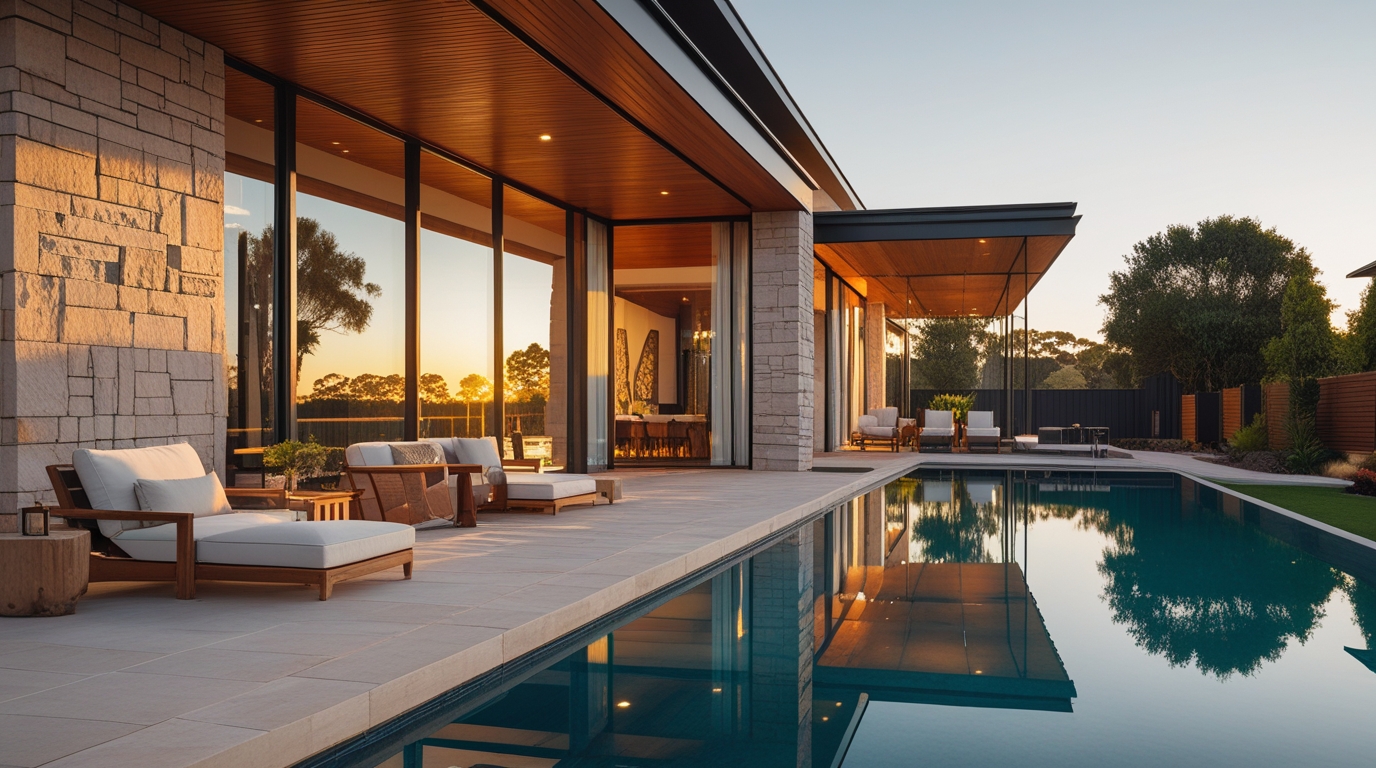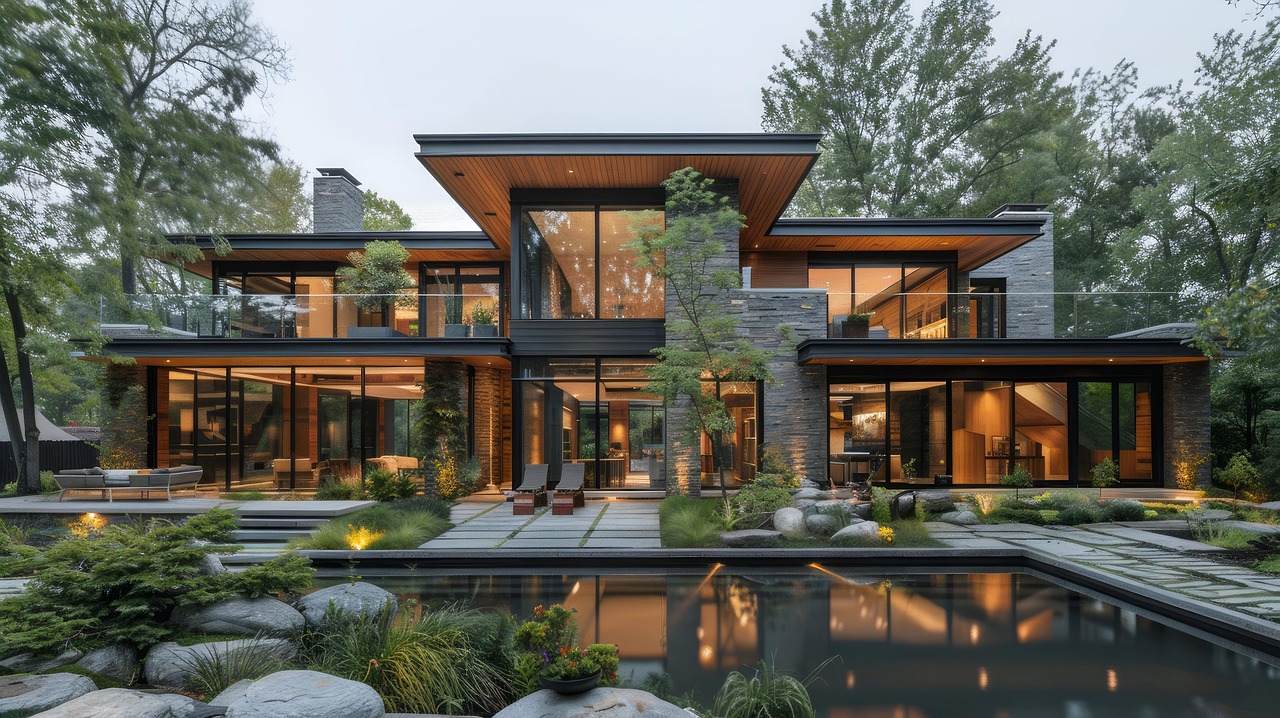

Outdoor entertaining is almost made for social media.
A finished deck, outdoor kitchen, pergola, pool area, dining setting or landscaped garden can communicate its appeal in seconds.
People can immediately imagine:
- summer lunches
- family barbecues
- evening drinks
- sheltered outdoor dining
- weekends at the bach
- entertaining friends
- children using the garden
- relaxing outdoors after work
That emotional response is valuable.
But it is not automatically commercial.
A social media account can accumulate thousands of likes, saves and followers while producing very few serious enquiries.
The reason is straightforward.
People enjoy looking at attractive outdoor spaces even when they have no current intention of paying someone to build one.
For New Zealand outdoor living businesses, the challenge is therefore not merely to publish inspiring content.
It is to use that content to help the right homeowners understand:
- what is possible
- what the business actually provides
- how projects are planned
- whether the company works in their area
- what type of investment may be involved
- what they should do next
Social media becomes commercially useful when inspiration leads to understanding, understanding builds confidence, and confidence eventually produces an enquiry.
Outdoor Living Is Naturally Visual
Some industries have to work hard to create interesting social content.
Outdoor living businesses generally do not.
Their work can include:
- landscape transformations
- decks
- patios
- pergolas
- louvre systems
- outdoor kitchens
- furniture
- pools
- lighting
- fire features
- planting
- privacy screens
- shade structures
All of these can create strong photography and video.
The difficulty is using those visuals strategically.
A photograph labelled:
“Another beautiful outdoor project completed!”
shows the result.
It does not explain:
- what the homeowner needed
- what problem existed
- what was changed
- why particular materials were selected
- how the area is now used
Those details turn a portfolio image into useful marketing.
Show the Problem as Well as the Finished Space
Before-and-after content works because the audience understands change immediately.
Imagine a backyard that originally contained:
- a small exposed deck
- little shade
- no defined dining space
- poor connection with the house
The completed project includes:
- an extended deck
- covered dining
- outdoor kitchen
- lighting
- planting
- seating
A useful social post can explain that progression.
For example:
Before: The existing deck was too small for family dining and received strong afternoon sun.
Solution: The deck was extended and a covered entertaining zone was added, with cooking, dining and planting positioned to create clearer zones.
Result: The homeowners now have a space that can be used for everyday meals as well as larger gatherings.
This tells a potential customer more than a beautiful photograph alone ever could.
Help Customers Recognise Their Own Problems
Strong social content allows people to think:
“That’s exactly the issue we have.”
Potential outdoor-living problems include:
- too much sun
- wind exposure
- lack of privacy
- an unused corner of the section
- nowhere to cook outdoors
- insufficient seating
- poor lighting
- an undersized deck
- awkward indoor-outdoor flow
- furniture that does not fit
Content can address one problem at a time.
For example:
Three ways to create more privacy around an outdoor dining area
or:
What to consider before extending a deck
or:
Why this Wellington courtyard needed shelter before furniture
That type of content combines inspiration with useful expertise.
Use New Zealand Conditions as Part of the Story
Outdoor living is highly dependent on location.
A successful entertaining area in one region may require different design decisions from another.
New Zealand businesses can naturally discuss:
- Auckland rainfall and humidity
- Wellington wind
- coastal salt exposure
- colder South Island conditions
- strong summer sun
- seasonal temperature variation
The business does not need to turn every Reel into a meteorology seminar.
But local context helps demonstrate genuine expertise.
For example:
A Wellington pergola project may focus heavily on shelter.
A coastal outdoor furniture post might explain material care.
A Christchurch entertaining area may demonstrate how shelter, heating and lighting extend seasonal use.
That makes content recognisably New Zealand-focused without stuffing city names into captions like someone trying to win a geography competition.
Seasonal Content Should Follow New Zealand Seasons
New Zealand seasons are:
- Summer: December to February
- Autumn: March to May
- Winter: June to August
- Spring: September to November
This matters for outdoor-living content.
Useful spring topics might include:
- preparing outdoor areas for summer
- cleaning furniture
- planning shade
- ordering products before peak demand
Summer content might show:
- entertaining
- outdoor dining
- shade
- pool areas
Autumn might focus on:
- heating
- shelter
- maintenance
Winter can be useful for:
- planning
- design
- renovation
- larger construction projects
The goal is to connect content with what customers are thinking about at the time.
Importing a Northern Hemisphere content calendar and publishing “summer entertaining inspiration” in July would certainly be memorable, though perhaps not for the intended reason.
Instagram Can Function as a Visual Portfolio
Instagram is well suited to outdoor living because potential customers can inspect many projects quickly.
A strong profile should make several things obvious:
- what the business does
- where it works
- what type of projects it completes
- how to enquire
Useful Highlights might include:
- Projects
- Before & After
- Kitchens
- Pergolas
- Decks
- Reviews
- Process
- FAQs
- Contact
The profile should work as a miniature portfolio rather than merely a chronological feed.
Someone may discover one Reel, visit the profile and then inspect ten projects before deciding whether to visit the website.
That journey should be easy.
Facebook Can Support Local Homeowners
Facebook may still be useful for outdoor living businesses, particularly where the customer base includes established homeowners.
It can support:
- project galleries
- local visibility
- longer captions
- customer reviews
- website links
- paid campaigns
A business should not automatically use every platform.
The better question is:
Where do our actual customers spend time, and which platforms suit the content we can produce well?
The answer may vary by business.
A furniture retailer and a landscape construction company may not need the same platform mix.
Pinterest Can Reach Early-Stage Planners
Pinterest can be valuable for visually driven planning.
People may use it for:
- outdoor kitchen ideas
- deck layouts
- landscaping
- furniture
- entertaining spaces
- shade
- lighting
These users can be relatively early in the decision process.
That does not make them worthless.
Outdoor projects often have long planning cycles.
A homeowner who saves a project today may not request quotes for several months.
Pinterest can therefore support:
- inspiration
- discovery
- website traffic
- long-term brand exposure
Businesses should measure whether that traffic eventually contributes to meaningful outcomes.
Short-Form Video Can Show Space Better Than Photography
Outdoor projects are three-dimensional.
A single photograph may not communicate:
- size
- flow
- connection with the house
- level changes
- garden layout
- circulation
Video can.
A short walkthrough might begin inside the living room and move through doors onto a finished deck, then show:
- dining
- kitchen
- seating
- garden connection
That helps viewers understand the complete design.
Useful video formats include:
- before-and-after reveals
- project walkthroughs
- construction progress
- material demonstrations
- design explanations
- FAQ responses
Video should help potential customers understand something.
It does not need dancing tradespeople pointing at floating text because the internet apparently already has a sufficient supply.
Show Construction, Not Just Completion
Construction content can build trust because it reveals how work is done.
Potential posts might show:
- site preparation
- framing
- paving
- drainage
- kitchen installation
- planting
- lighting
- final styling
This type of content demonstrates that the business understands the entire process.
It also helps customers appreciate why larger outdoor projects require planning and professional execution.
A finished landscape may look effortless.
Showing the work behind it communicates value.
Explain Materials
Material selection is a rich source of content.
Topics can include:
- timber versus composite decking
- aluminium versus timber furniture
- outdoor fabric
- paving
- benchtops
- stainless steel
- powder coating
Instead of simply saying one material is “best”, explain:
- where it performs well
- maintenance
- appearance
- limitations
That positions the business as an adviser rather than simply a seller.
Build Content Around Outdoor Entertaining Scenarios
Another useful approach is to organise content around how people use spaces.
For example:
Family Dining
Show a practical table configuration, shade and lighting.
Large Gatherings
Demonstrate circulation and additional seating.
Small Urban Courtyards
Show how compact furniture and vertical planting can maximise space.
Bach Entertaining
Focus on durable materials, simple maintenance and relaxed use.
Evening Entertaining
Show lighting, heating and shelter.
This helps homeowners relate ideas to their lifestyle rather than simply viewing isolated products.
Outdoor Furniture Retailers Can Show Products in Context
A retailer selling outdoor furniture should avoid relying entirely on studio product shots.
Social media can show products within:
- decks
- patios
- pool areas
- apartments
- coastal homes
This demonstrates:
- scale
- styling
- product combinations
Content might include:
How to style an eight-seat outdoor dining area
or:
Three ways to configure a modular outdoor sofa
or:
Choosing furniture for a compact balcony
These posts can naturally link to relevant product categories.
Outdoor Kitchen Businesses Can Show Complete Projects
Outdoor kitchens benefit from detailed visual content.
A post could cover:
- overall layout
- BBQ placement
- storage
- fridge
- benchtop
- shelter
- lighting
- seating
A customer may initially search for a BBQ.
Seeing a complete outdoor kitchen can expand their understanding of what is possible.
That is one of social media’s strengths.
It can increase consideration by demonstrating a more complete solution.
Use Calls to Action That Match the Post
Not every post should end with:
Contact us now.
Different content suits different actions.
Possible CTAs include:
- Save this idea for your project.
- View the full project.
- See our outdoor kitchen range.
- Read our planning guide.
- Explore our completed projects.
- Tell us about your outdoor space.
- Request a consultation.
An inspiration post may encourage saving.
A detailed project post may justify an enquiry CTA.
The action should feel like a natural next step.
The Website Still Has to Do the Heavy Lifting
Social media is useful for:
- discovery
- inspiration
- credibility
A website is better suited to:
- service explanations
- detailed case studies
- product information
- pricing guidance
- FAQs
- location information
- quote forms
The two should work together.
A social media follower who clicks through should arrive on a page that continues the same quality of presentation.
If polished Instagram content leads to a vague, slow or confusing website, the marketing system has developed a rather unfortunate hole in the middle.
Create Dedicated Landing Pages for Social Campaigns
Paid social campaigns should not necessarily send every visitor to the homepage.
Suppose the campaign promotes:
Custom outdoor kitchens in Auckland
The landing page could show:
- relevant projects
- design options
- process
- service area
- consultation form
A campaign promoting outdoor furniture could lead directly to:
- dining collections
- lounge collections
- seasonal range
Better alignment reduces friction.
Paid Social Can Expand Reach
Organic social content only reaches part of the potential audience.
Paid social advertising can help businesses reach:
- local homeowners
- previous website visitors
- selected audiences
The objective should determine the campaign.
Awareness campaigns may emphasise:
- project imagery
- brand introduction
Conversion-focused campaigns may promote:
- product collections
- consultations
Advertising should be assessed by business results rather than simply impressions.
Remarketing Can Support Longer Buying Journeys
Outdoor projects are rarely instant decisions.
Someone may view:
- a pergola project
- outdoor kitchen page
- furniture collection
and leave.
Remarketing can help reintroduce the business later.
Relevant creative might include:
- another project
- buying guide
- customer review
- consultation invitation
The advertising should remain useful rather than relentless.
Repeatedly following a homeowner around the internet with the same fire pit is less “brand recall” and more “small-scale digital haunting”.
Influencer Collaborations Need Clear Disclosure
Outdoor living and home brands sometimes work with:
- influencers
- renovators
- lifestyle creators
- designers
Where there is a commercial arrangement, the advertising relationship must be clear.
The New Zealand Advertising Standards Authority states that if content is advertising and this is not obvious, all involved parties have responsibility to identify it clearly. This can apply even where the creator receives free products or services rather than direct payment.
The ASA’s guidance says paid influencer content should be identifiable as advertising when consumers first encounter it, rather than requiring them to inspect a profile biography or other information.
That makes transparent disclosure part of campaign planning rather than an optional detail added later.
Advertising Rules Apply Across Social Platforms
Businesses should not assume social media advertising somehow sits outside ordinary advertising requirements.
The ASA reported in May 2026 that its approach remains platform-neutral, meaning its Advertising Codes apply across media, including digital and social channels.
Its business guidance similarly states that the codes apply whether advertising appears on social media, a website or more traditional media.
Outdoor living businesses should therefore ensure that:
- promotional claims are accurate
- paid partnerships are identifiable
- important limitations are not hidden
- customer testimonials are genuine
Professional social media still needs professional advertising standards.
Encourage Genuine Customer Content
Outdoor living businesses can benefit from customer photographs.
A homeowner may share:
- finished furniture
- outdoor kitchen
- landscaped space
- entertaining setup
With appropriate permission, user-generated content can provide authentic social proof.
However, businesses should distinguish genuine customer content from paid or incentivised promotional arrangements where required.
Authenticity is valuable largely because people believe it is authentic.
Manufacturing authenticity rather defeats the concept.
Use Testimonials Alongside Projects
A testimonial has more impact when viewers can see the relevant work.
For example:
Project: Covered deck and outdoor kitchen
paired with feedback about:
- communication
- design
- installation
- finished result
This gives the audience both visual and experiential evidence.
Reviews should remain genuine and accurately represented.
Build a Repeatable Content System
Outdoor businesses often produce content inefficiently.
A complete project can generate many assets.
For one pergola and outdoor kitchen project, the business might produce:
- Before photograph
- Construction Reel
- Completed walkthrough
- Kitchen-detail post
- Shade-system explanation
- Evening-lighting post
- Customer testimonial
- Website case study
- Pinterest images
- Email feature
That creates consistency without inventing filler.
The strongest social content already exists inside the business’s actual work.
It simply needs to be documented systematically.
Do Not Post Every Day Merely to Remain “Active”
Posting frequency should reflect:
- available content
- audience
- business capacity
Daily posting is not inherently better.
A landscaping company completing several major projects each month may have enough material to post regularly.
A specialist outdoor kitchen business may complete fewer projects but have more detailed content from each.
Quality and consistency matter more than publishing low-value posts because an arbitrary social calendar demanded something at 9am Thursday.
Measure More Than Likes
Useful social media measurements may include:
- profile visits
- website clicks
- direct messages
- project-page visits
- enquiries
- consultation bookings
- purchases
- qualified leads
Engagement still matters.
A high save rate may show that content is useful for planning.
But the business should ultimately understand whether social media contributes to:
- revenue
- enquiries
- sales
HLM’s own master brief makes this distinction explicit: likes, impressions, followers and clicks can be indicators, but they are not the final commercial objective.
Track Which Content Leads to Commercial Action
A business may discover that:
- before-and-after posts generate profile visits
- educational videos generate saves
- project walkthroughs produce website traffic
- testimonials produce enquiries
- product demonstrations generate purchases
That information should influence future content.
Do not simply keep producing whichever posts receive the most likes.
The most entertaining content and the most commercially useful content are not always the same.
Content Should Reflect the Customer Journey
A balanced content system can include:
Awareness
- inspiring finished projects
- entertaining ideas
Education
- material comparisons
- planning tips
- maintenance
Trust
- reviews
- team
- process
- construction
Consideration
- detailed case studies
- product demonstrations
- cost factors
Conversion
- consultation availability
- product links
- quote requests
This prevents the account from becoming either:
- endless sales promotion
or:
- an attractive inspiration magazine that never explains what the business sells
Both extremes leave money on the table.
Common Social Media Mistakes Outdoor Living Businesses Should Avoid
Posting Finished Photos Without Context
Explain what customers are looking at.
Chasing Trends That Have Nothing to Do With the Business
A trending sound does not automatically produce a qualified landscaping lead.
Ignoring New Zealand Conditions
Local expertise is valuable.
Using Every Social Platform
Choose channels the business can maintain properly.
Relying Only on Organic Reach
Paid activity may help extend strong content.
Sending Every Link to the Homepage
Connect people to relevant services and products.
Using the Same CTA Everywhere
Match actions to buying stages.
Measuring Only Likes and Followers
Commercial outcomes matter.
Hiding Advertising Relationships
ASA guidance requires ads and influencer partnerships to be identifiable.
Posting Without a Wider Marketing Strategy
Social media works better alongside website development, SEO, Google Ads and reviews.
A Practical Social Media Checklist for Outdoor Living Businesses
A New Zealand outdoor living business should review whether it has:
- A clearly defined target customer.
- Accurate service-area information.
- Strong project photography.
- Before-and-after content.
- Short-form project video.
- Educational posts.
- Material explanations.
- Process content.
- Customer testimonials.
- Seasonal New Zealand content.
- Local climate relevance.
- Platform-specific content.
- Useful profile highlights.
- Clear website links.
- Calls to action appropriate to the post.
- Project landing pages.
- Paid social where commercially appropriate.
- Remarketing where useful.
- Transparent influencer disclosures.
- A system for capturing content during projects.
- Website tracking.
- Enquiry tracking.
- Lead-quality measurement.
- Sales tracking for product businesses.
- Regular review of content performance.
Turn Outdoor Inspiration Into a Reason to Make Contact
Outdoor entertaining ideas perform well on social media because people enjoy imagining how they might improve their homes.
That gives outdoor living businesses an important advantage.
They do not have to manufacture visual interest.
Their work already contains it.
The marketing challenge is turning that visual interest into something commercially meaningful.
A strong social media presence should help homeowners progress from:
“I like that space.”
to:
“That could work at our house.”
then:
“This company understands what we are trying to achieve.”
and ultimately:
“We should contact them.”
That progression requires more than attractive photographs.
It needs:
- useful explanation
- local relevance
- visible expertise
- genuine project evidence
- customer trust
- clear next steps
For New Zealand landscapers, outdoor kitchen companies, pergola providers, furniture retailers and other outdoor lifestyle businesses, social media works best when it supports the wider customer journey rather than operating as an isolated collection of posts.
For businesses wanting to turn visual outdoor content into stronger commercial opportunities, Home & Lifestyle Marketing New Zealand can help develop social media strategies that work alongside SEO, Google Ads, website development and wider digital marketing.
To learn more, please visit www.hlmco.com.au