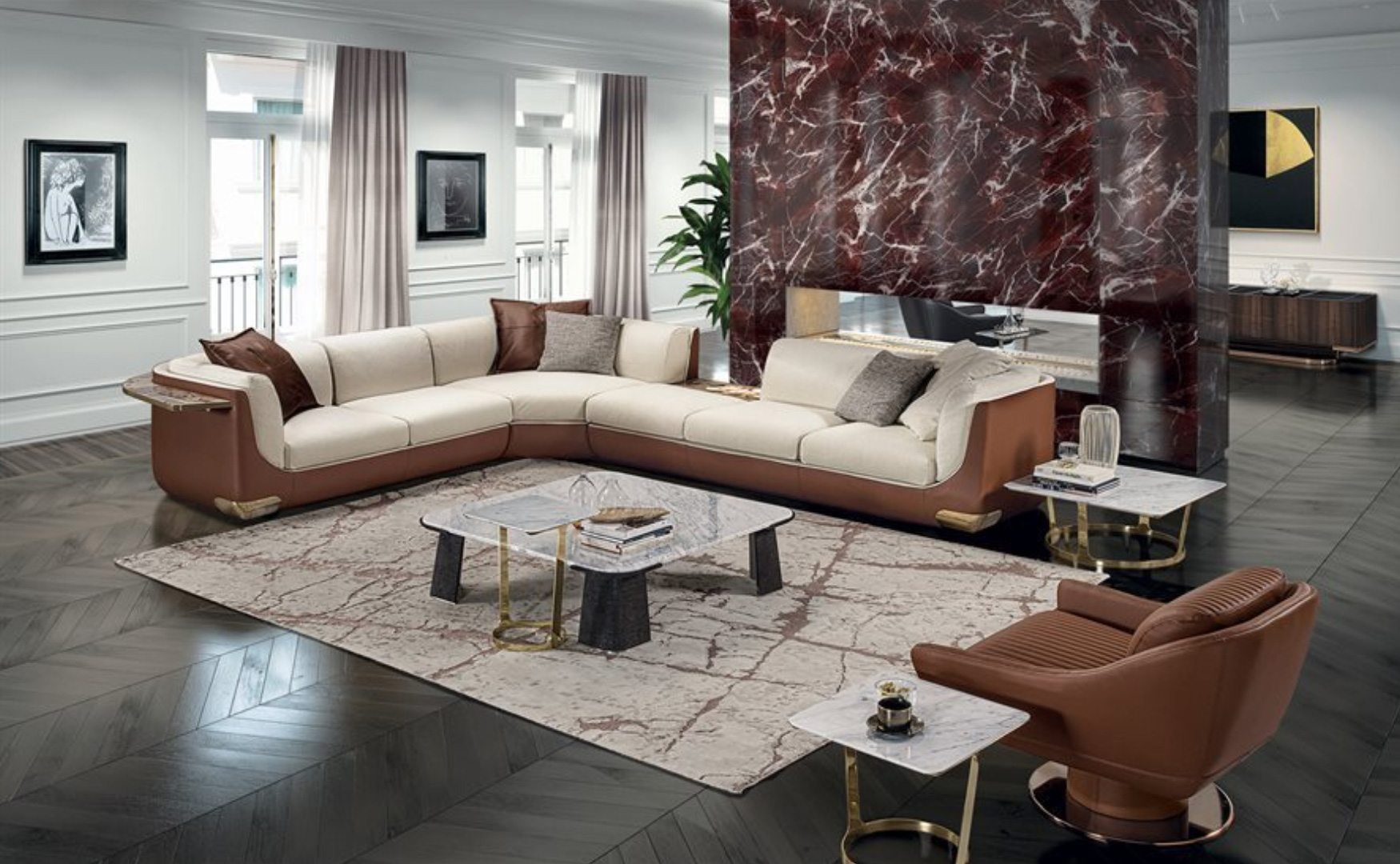
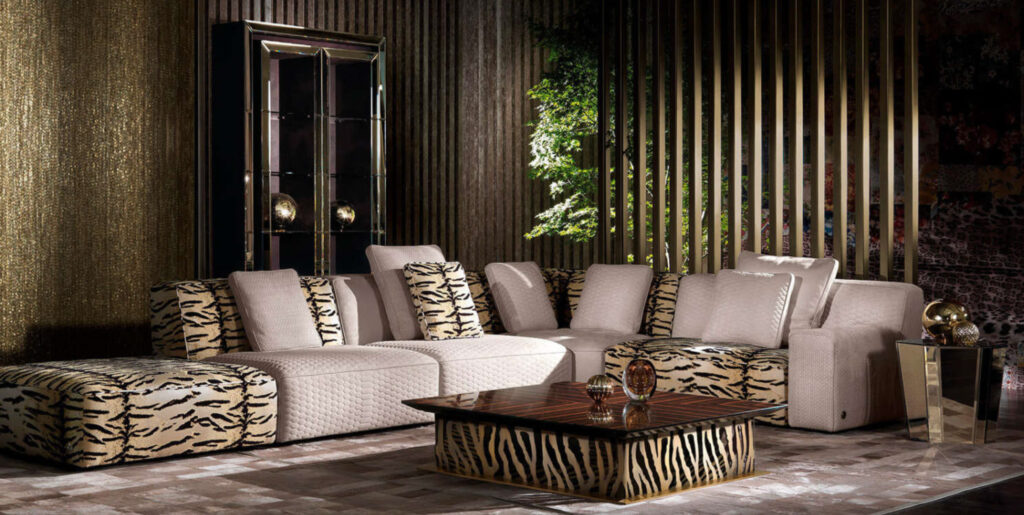
Luxury interior design is a visual business.
A beautifully photographed project can communicate more about a designer’s style than several paragraphs of text. A carefully presented portfolio can demonstrate craftsmanship, taste and attention to detail within seconds.
But there is a problem.
People cannot enquire about an interior designer, explore a furniture collection or discover a specialist design service if they never find the business in the first place.
That is where search engine optimisation, or SEO, becomes important.
For a New Zealand luxury interior brand, SEO is not simply about trying to appear at the top of Google for a handful of broad keywords. A well-planned SEO strategy helps the right people discover the business when they are researching design ideas, looking for a particular service, comparing specialists or actively seeking an interior designer.
It also gives the website a chance to demonstrate expertise before a prospective client makes contact.
For a high-value design service, that matters.
A potential client may spend considerable time looking at projects, reading about the designer, comparing approaches, reviewing services and assessing whether the business feels appropriate for their home.
SEO can help ensure that the business is visible during more of those stages.
Why Visibility Matters for Luxury Interior Businesses
A luxury interior brand may already have an impressive portfolio, an established reputation and a strong referral network.
That does not necessarily mean it is easy to find online.
Someone searching for an interior designer in their area may not know the name of the business.
They may search instead for phrases such as:
- interior designer Auckland
- luxury interior design Auckland
- interior designer Christchurch
- high-end kitchen design
- residential interior designer
- interior design consultation
- custom furniture designer
- coastal interior design
- interior designer for new build
- interior designer for renovation
The exact searches will vary according to location, project type and customer needs.
This is one of the fundamental differences between brand marketing and search visibility.
A customer who already knows the business can search for its name.
A customer who does not know the business needs another way to discover it.
SEO helps create that pathway.
SEO Is More Than Adding Keywords to a Website
One of the most persistent misunderstandings about SEO is that it means inserting popular search terms into website copy.
Modern SEO is much broader.
Google’s current Search guidance covers areas including technical requirements, search appearance, structured data, content and Search Console. Google also emphasises creating useful, reliable, people-first content rather than producing material primarily to manipulate search rankings.
For an interior design business, effective SEO can involve:
- Website structure
- Service pages
- Project pages
- Location relevance
- Search intent
- Page titles
- Headings
- Internal linking
- Image optimisation
- Technical performance
- Useful content
- Search Console monitoring
- Local search visibility
- Authority and relevant links
- Clear information about the business
The objective is to make the website easier for both people and search engines to understand.
That is particularly important for luxury businesses because the website has two jobs.
It needs to be discoverable.
It also needs to persuade the right visitor that the business is worth contacting.
Start With What Potential Clients Actually Search For
A strong SEO strategy starts with the customer rather than a list of keywords.
Imagine a homeowner planning a major renovation.
They may begin with broad research:
“How do I plan an open-plan renovation?”
Later, their searches may become more specific:
“Interior designer for renovation Auckland”
Eventually, they may search for individual services, styles or designers.
The search journey can therefore move from inspiration to investigation to commercial intent.
A luxury interior design website should ideally have useful content capable of meeting customers at several of these stages.
That does not mean creating dozens of pages for every imaginable keyword.
It means understanding the questions prospective clients actually ask and making sure the website provides useful answers.
Build Strong Service Pages Around Real Customer Needs
An interior designer’s homepage should not have to carry the entire SEO strategy.
Individual services deserve their own useful pages.
Depending on the business, these might include:
- Residential interior design
- New-build interior design
- Renovation design
- Kitchen design
- Bathroom design
- Furniture selection
- Lighting design
- Styling
- Interior architecture
- Commercial interiors
- Holiday-home interiors
- Bespoke design
- Design consultation
The exact structure should reflect the actual services offered.
Each page should explain what the service involves, who it is for, what the process looks like and what prospective clients can expect.
This is more useful than creating a page simply because a particular keyword appears to have search volume.
A potential client should be able to read the page and understand whether the service is relevant to their project.
Location Matters for New Zealand Interior Designers
Interior design is often a location-sensitive service.
A client may want to work with someone who understands the local building environment, suppliers, trades, materials, architecture and climate.
That makes local relevance particularly important.
A business serving Auckland, for example, may need a different local SEO strategy from one working primarily in Christchurch, Wellington, Tauranga or Queenstown.
However, simply creating pages titled “Interior Designer Auckland”, “Interior Designer Wellington” and “Interior Designer Christchurch” is not a strategy in itself.
Location pages need genuine substance.
A useful location page might explain:
- Areas the designer services
- Types of projects undertaken
- Relevant local architectural styles
- The design process
- Completed projects in the region
- How consultations work
- Showroom or studio information where relevant
- Practical considerations for local clients
The objective is to give a prospective client useful local information rather than create thin pages designed only for search engines.
Use Project Pages as SEO Assets
Luxury interior designers have something many other businesses struggle to create:
Original visual work.
Every completed project can potentially become a valuable website asset.
Instead of presenting a portfolio as a grid of photographs with minimal information, consider creating detailed project pages.
A strong project page might explain:
- The type of property
- The client’s objectives
- The design challenge
- The approach taken
- Materials selected
- Key design decisions
- Important spatial considerations
- Custom elements
- The finished result
- Relevant photography
For example, rather than simply displaying ten photographs under the heading “Ponsonby Residence”, a project page could explain how the design responded to the proportions of the property, the client’s requirements and the relationship between living spaces.
This creates useful information around the images.
It also gives potential clients a better understanding of how the designer thinks.
Your Portfolio Should Demonstrate Expertise, Not Just Taste
A portfolio can show what an interior designer produces.
A strong project case study can show why particular decisions were made.
That distinction matters for SEO and for prospective clients.
Someone considering an interior designer is not necessarily looking only for attractive rooms.
They may want to understand:
- How does this designer approach renovation projects?
- Can they work with older homes?
- Do they understand new-build projects?
- Can they work with architects and builders?
- Can they manage furniture and finishes?
- How involved are they in procurement?
- Do they work with premium materials?
- Can they manage the practical details?
- What type of client and project is the studio suited to?
Project content can answer these questions naturally.
It also creates opportunities to demonstrate specialist knowledge without turning the article into obvious marketing copy.
Create Content Around the Questions Clients Ask Before Hiring You
One of the most useful applications of SEO for a luxury interior brand is answering questions before a client makes contact.
Potential topics could include:
Planning an Interior Design Project
- When should you involve an interior designer in a renovation?
- What should you prepare before an interior design consultation?
- How does the interior design process work?
Furniture and Materials
- How do you choose furniture for an open-plan living space?
- What should you consider when selecting natural stone?
- How do you choose durable materials for a busy family home?
Renovations and New Builds
- Should interior design begin before architectural plans are finalised?
- How can interior designers work with architects?
- What interior decisions should be made early in a renovation?
New Zealand Homes
- How can you modernise a character villa without losing its identity?
- What should you consider when designing interiors for a coastal home?
- How can interior design respond to New Zealand’s changing seasons?
These subjects can attract people who have not yet chosen a designer.
More importantly, they allow the business to demonstrate useful expertise.
Write for People Who Are Still Researching
Not every search is a request for a quote.
Someone searching “best flooring for a coastal home” may not yet be ready to hire an interior designer.
Someone searching “interior designer Auckland” has potentially stronger commercial intent.
Someone searching for a specific designer’s name may already be close to making contact.
These are different stages of the customer journey.
An effective SEO strategy recognises the difference.
Content should therefore not attempt to turn every search into an immediate sales pitch.
A useful guide can help someone understand a problem.
A project page can demonstrate capability.
A service page can explain what the business provides.
A contact page can make the next step easy.
Together, these pages create a more complete journey.
Luxury Brands Need to Protect Their Positioning
There is a temptation to chase high-volume search terms.
For luxury businesses, that can be counterproductive.
A large amount of irrelevant traffic is not necessarily valuable.
An interior designer specialising in high-end residential projects may have little commercial interest in attracting thousands of visitors looking for free decorating ideas.
The more useful objective may be attracting a smaller audience that is genuinely relevant to the business.
This means SEO strategy should consider:
- Project value
- Client type
- Geographic service area
- Design specialisation
- Service profitability
- Capacity
- Search intent
- Enquiry quality
A luxury brand should not necessarily aim to be visible for everything related to interiors.
It should aim to become highly relevant to the searches that matter to its business.
Optimise Images Without Losing the Visual Experience
Interior design websites rely heavily on photography.
That creates both an opportunity and a technical consideration.
Images can help communicate the quality of a project, but large image files can also affect website performance if they are not handled appropriately.
Images should therefore be prepared with the website experience in mind.
Useful considerations include:
- Appropriate image dimensions
- Efficient file sizes
- Descriptive file names where useful
- Relevant alternative text
- Clear surrounding context
- Appropriate image formats
- Responsive presentation
Image optimisation should not mean reducing a premium portfolio to poor-quality photographs.
The goal is to maintain visual quality while creating a technically sound experience.
Google provides guidance covering how websites can influence their appearance in Search, including image-related search features.
For a design business, that makes the relationship between visual presentation and technical SEO particularly important.
Internal Links Help Customers Explore Your Expertise
A website should not leave every page isolated.
Internal links can help visitors move naturally between related subjects.
For example:
A project page
could link to a relevant service page.
A service page
could link to relevant project examples.
A design guide
could link to a related service.
A location page
could link to projects completed in that region.
This creates a more connected website.
It also helps search engines understand the relationship between different pages.
The objective should not be to add links everywhere.
Links should be useful to the person reading the page.
Build an SEO Structure That Reflects the Business
A luxury interior brand might benefit from a structure such as:
Home
→ About
→ Services
→ Projects
→ Journal / Insights
→ Locations
→ Contact
Under Services:
→ Residential Interior Design
→ Renovation Design
→ New Build Design
→ Furniture & Styling
→ Bespoke Interiors
Under Projects:
→ Auckland Residence
→ Wellington Apartment
→ Christchurch Villa
→ Coastal Home
→ New Build
The exact structure will vary.
The important point is that the website should reflect the business rather than being built around an arbitrary collection of keywords.
A clear architecture also makes it easier for prospective clients to navigate the site.
Local SEO Can Extend Beyond the Website
For an interior design business with a physical studio, showroom or eligible service area, Google Business Profile can be an important part of local visibility.
Google explains that Business Profiles can display information such as business hours, website, phone number, location, photos and reviews across Google Search and Maps.
Google also states that local results are primarily influenced by relevance, distance and prominence, and recommends keeping business information complete and accurate.
For an interior design business, that can mean maintaining accurate:
- Business name
- Address
- Phone number
- Website
- Opening hours
- Business category
- Service information
- Photos
- Reviews
Reviews are particularly useful as trust signals for potential clients.
They should be genuine, and the business should respond professionally rather than attempting to manufacture positive feedback.
Reviews and Reputation Support Search Visibility and Trust
An interior designer can have an excellent website and still lose potential clients if the business appears difficult to trust.
Reviews are one part of that picture.
Google’s guidance notes that reviews and responses can help a business stand out, while its local ranking documentation identifies reviews as one factor associated with prominence.
But reviews should not be treated simply as an SEO tactic.
They provide prospective clients with evidence about the experience of working with the business.
For a luxury service, useful feedback may help answer questions such as:
- Was communication good?
- Was the process organised?
- Did the designer understand the client’s requirements?
- Was the project handled professionally?
- Was the finished result satisfactory?
The strongest reputation strategy is therefore to deliver an excellent client experience and make it straightforward for genuine customers to provide feedback.
Backlinks Can Support Authority, but Relevance Matters
Links from other websites can help establish a website’s broader online authority.
For an interior design business, relevant links may come naturally from:
- Architecture publications
- Design publications
- Industry associations
- Supplier websites
- Project partners
- Architects
- Builders
- Manufacturers
- Property publications
- Local business organisations
- Design awards
The emphasis should be on relevance and credibility.
Buying large numbers of low-quality links simply to manipulate rankings is not a sensible long-term SEO strategy.
A better approach is to create work and content worth referencing.
A genuinely impressive project may be featured by a design publication.
A useful design guide may be referenced by another website.
An award or professional association membership may create a legitimate online reference.
These can contribute to a stronger overall digital presence.
Don’t Ignore Technical SEO
Luxury design websites sometimes prioritise appearance so heavily that technical performance becomes secondary.
That can create problems.
A visually impressive website still needs to be:
- Crawlable
- Indexable
- Mobile-friendly
- Secure
- Logically structured
- Fast enough for a good user experience
- Free from significant broken links
- Clear about canonical URLs where relevant
- Properly connected internally
Technical SEO is not the most exciting part of an interior design website.
It is nevertheless important infrastructure.
Google’s Search Essentials and Search Central documentation provide technical requirements and guidance for websites appearing in Google Search.
For a premium brand, technical quality should support the visual experience rather than compete with it.
Search Console Can Reveal What Is Actually Working
SEO should not be based entirely on assumptions.
Google Search Console provides website owners with information about their site’s performance in Google Search and whether Google can index the site.
For an interior design business, useful questions include:
- Which pages receive organic impressions?
- Which searches are bringing people to the website?
- Which pages attract clicks?
- Are important service pages being discovered?
- Are project pages appearing in search?
- Are there indexing problems?
- Are visitors landing on pages that match their search intent?
This information can guide future content and optimisation.
For example, a business might discover that its article about coastal interiors is attracting relevant searches.
That could suggest opportunities to develop related content or connect the article more effectively with relevant services and projects.
Measure SEO by Commercial Value
Traffic is useful, but traffic alone is not the goal.
For a luxury interior design business, the more important question is whether increased visibility contributes to commercially relevant opportunities.
Useful measures can include:
- Qualified enquiries
- Consultation requests
- Phone enquiries
- Contact form submissions
- Project enquiries
- Organic leads
- Organic traffic to service pages
- Organic traffic to project pages
- Relevant search visibility
- Engagement with key pages
- Enquiry-to-consultation rate
- Consultation-to-project conversion
The exact metrics will depend on the business.
A luxury interior designer might only need a small number of new clients each year for SEO to have meaningful commercial value.
That means judging the strategy purely by traffic volume can be misleading.
Ten highly relevant prospective clients may be more commercially useful than thousands of visitors with no realistic intention of becoming customers.
Avoid Creating Content Simply to Have More Content
A common SEO mistake is assuming that publishing more articles automatically creates better visibility.
It does not.
A luxury interior brand should prioritise useful, original content that demonstrates genuine knowledge.
A weak article might say:
“Interior design is important because it makes your home beautiful and functional.”
A stronger article might explain how a designer approaches spatial planning, lighting, material selection and furniture proportions in a particular type of New Zealand home.
The second approach provides substantially more useful information.
Google’s guidance around people-first content reinforces the importance of creating content for users rather than producing pages primarily to attract search traffic.
The question should therefore be:
Would this page still be useful if Google did not exist?
If the answer is no, the content strategy probably needs reconsideration.
Use New Zealand Context Where It Adds Real Value
An NZ-focused SEO strategy should not simply insert “New Zealand” into generic international content.
The local context should be meaningful.
Interior design content can naturally address factors such as:
- New Zealand architectural styles
- Character villas
- Bungalows
- Weatherboard homes
- Apartments
- New builds
- Coastal properties
- Baches
- Holiday homes
- Lifestyle properties
- Compact urban homes
- Larger rural properties
- Regional climate differences
- Outdoor living
- Natural materials
- Local suppliers and trades
For example, an article about designing a coastal home can discuss salt exposure, moisture, strong sunlight and outdoor living where those factors genuinely affect design decisions.
Likewise, a guide for character homes could address how modern requirements interact with existing architectural details.
These are more valuable NZ signals than simply changing “Australian” to “New Zealand”.
Think About the Whole Customer Journey
SEO works best when it is connected to the rest of the digital strategy.
Consider a potential client searching for:
“luxury interior designer Auckland”
They discover a service page.
That page links to several relevant projects.
The project pages demonstrate the designer’s capabilities.
The visitor then reads an article explaining the design process.
They look at reviews.
They visit the contact page.
They submit an enquiry.
SEO helped generate the initial discovery.
The website helped build confidence.
The portfolio demonstrated capability.
The content answered questions.
The contact process converted interest into an enquiry.
This is why SEO should not be treated as an isolated marketing activity.
It is part of the wider customer journey.
SEO and Google Ads Can Work Alongside Each Other
Organic SEO and paid search serve different purposes.
SEO can build long-term organic visibility.
Google Ads can provide paid visibility for selected searches.
A luxury interior business may use Google Ads for highly relevant commercial searches while developing organic visibility through service pages, project content and useful guides.
The two activities can also provide useful information for each other.
Paid search data may help identify commercially relevant search terms.
SEO can then develop stronger organic coverage around valuable topics.
Neither channel should be judged purely by traffic.
The focus should remain on relevant visitors and commercially useful opportunities.
What a Strong SEO Plan Could Look Like
For a New Zealand luxury interior brand starting from scratch, a practical SEO programme might look something like this.
Stage 1: Understand the business
Identify:
- Most valuable services
- Most profitable project types
- Ideal client
- Geographic focus
- Key design specialisations
- Existing reputation
- Competitive strengths
Stage 2: Research search intent
Identify the searches customers use at different stages:
- Inspiration
- Research
- Service selection
- Location selection
- Brand discovery
- Commercial intent
Stage 3: Review the existing website
Assess:
- Technical performance
- Site structure
- Service pages
- Project pages
- Content quality
- Internal links
- Metadata
- Image handling
- Mobile experience
- Conversion paths
Stage 4: Build priority pages
Improve or create the pages that matter most commercially.
These may include:
- Core service pages
- Key location pages
- Project case studies
- About page
- Contact page
Stage 5: Develop useful supporting content
Create articles and guides around genuine customer questions.
Stage 6: Strengthen local visibility
Where appropriate, maintain the Google Business Profile and ensure business information is accurate and consistent.
Stage 7: Measure and refine
Use analytics and Search Console data to identify what is attracting relevant visitors and enquiries.
Then improve the areas with the greatest commercial potential.
Common SEO Mistakes for Luxury Interior Brands
Chasing broad keywords
High search volume does not automatically mean high commercial value.
Creating thin location pages
A page with a city name inserted into generic text is unlikely to provide much value.
Publishing generic design articles
Content should demonstrate actual expertise.
Neglecting project pages
The portfolio may be one of the strongest demonstrations of capability on the website.
Using poor image optimisation
Large, poorly handled images can compromise the website experience.
Ignoring technical problems
A beautiful website still needs sound technical foundations.
Treating SEO as a one-off project
Search visibility requires ongoing monitoring and refinement.
Measuring only rankings
Rankings matter, but qualified enquiries and commercial outcomes matter more.
Overusing keywords
Natural language is more appropriate than repeatedly inserting the same phrase.
Expecting immediate results
SEO is generally a longer-term marketing activity, and results vary according to the website, competition, search demand, content quality and technical condition.
No responsible SEO strategy should guarantee a particular Google ranking.
A Practical SEO Checklist for a New Zealand Interior Brand
Before investing heavily in SEO, ask:
Website
- Can visitors immediately understand what the business does?
- Are the main services clearly explained?
- Does every important service have a useful page?
- Are project pages detailed enough?
- Is the website easy to navigate?
Search
- Do we understand what our potential clients actually search for?
- Are we targeting commercially relevant searches?
- Do our pages match search intent?
- Can Google clearly understand the business and its services?
Local visibility
- Is our Google Business Profile accurate?
- Is our location or service area clear?
- Are genuine reviews being collected?
- Are our business details consistent?
Content
- Are we answering questions prospective clients genuinely ask?
- Does our content demonstrate specialist knowledge?
- Are articles connected to relevant services and projects?
- Is the content genuinely useful rather than created simply for SEO?
Technical
- Is the website mobile-friendly?
- Are important pages indexable?
- Are images handled efficiently?
- Are internal links useful?
- Are there broken or outdated pages?
Commercial performance
- Are organic enquiries being measured?
- Can we identify which pages generate leads?
- Are we attracting the right type of client?
- Are we measuring qualified opportunities rather than traffic alone?
If the answers are mostly positive, the business has a stronger foundation from which to build organic visibility.
Make Search Visibility Part of Your Brand Strategy
For a luxury interior brand, SEO should not mean sacrificing aesthetics, personality or exclusivity in the pursuit of search traffic.
Done properly, it should strengthen the digital expression of the brand.
The website can remain visually sophisticated while also becoming easier to discover.
Project pages can remain highly visual while providing enough context to demonstrate expertise.
Service pages can remain refined while answering the questions potential clients need answered.
Articles can remain aligned with the brand while providing genuinely useful information.
That is the balance a premium interior business should aim for.
From Being Beautiful Online to Being Discoverable
A luxury interior brand can have exceptional projects, talented designers and a distinctive visual identity.
But if prospective clients cannot discover the business when they are researching interior design services, much of that value remains hidden.
SEO provides a way to make the business more discoverable across the customer journey.
The most effective strategy is not about producing hundreds of pages or chasing every possible search phrase.
It is about building a website that clearly communicates what the business does, demonstrates genuine expertise, serves the locations and customers that matter, answers useful questions and provides a straightforward path from discovery to enquiry.
For New Zealand interior brands, that means combining strong design with strong digital foundations.
The result should not simply be more website visitors.
It should be greater visibility among the people the business actually wants to reach — and a website capable of turning that visibility into meaningful conversations and project opportunities.
SEO is most valuable when it is connected to the wider commercial strategy of a home and lifestyle business.
For an interior design brand, that can mean combining technical SEO with stronger service pages, project content, local search visibility, useful articles and a website designed to turn relevant visitors into enquiries.
HLM works with home and lifestyle businesses on SEO, website development, Google Ads, content marketing and related digital strategies, with the emphasis on commercially useful visibility rather than traffic for its own sake.
To learn more, please visit www.hlmco.com.au