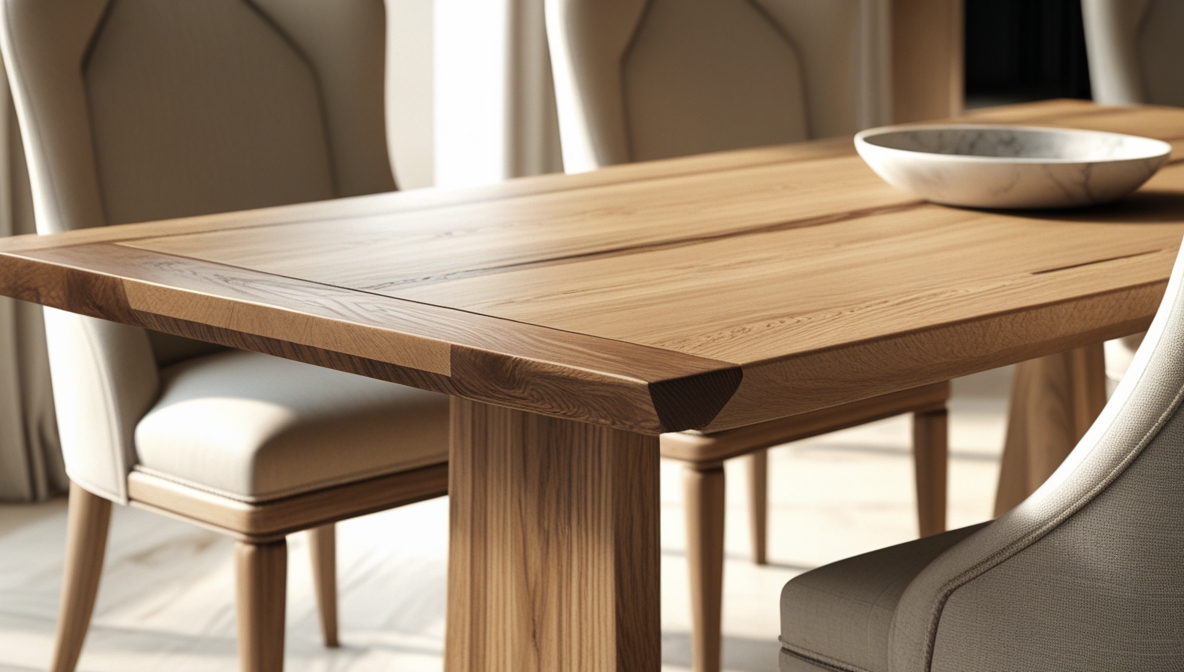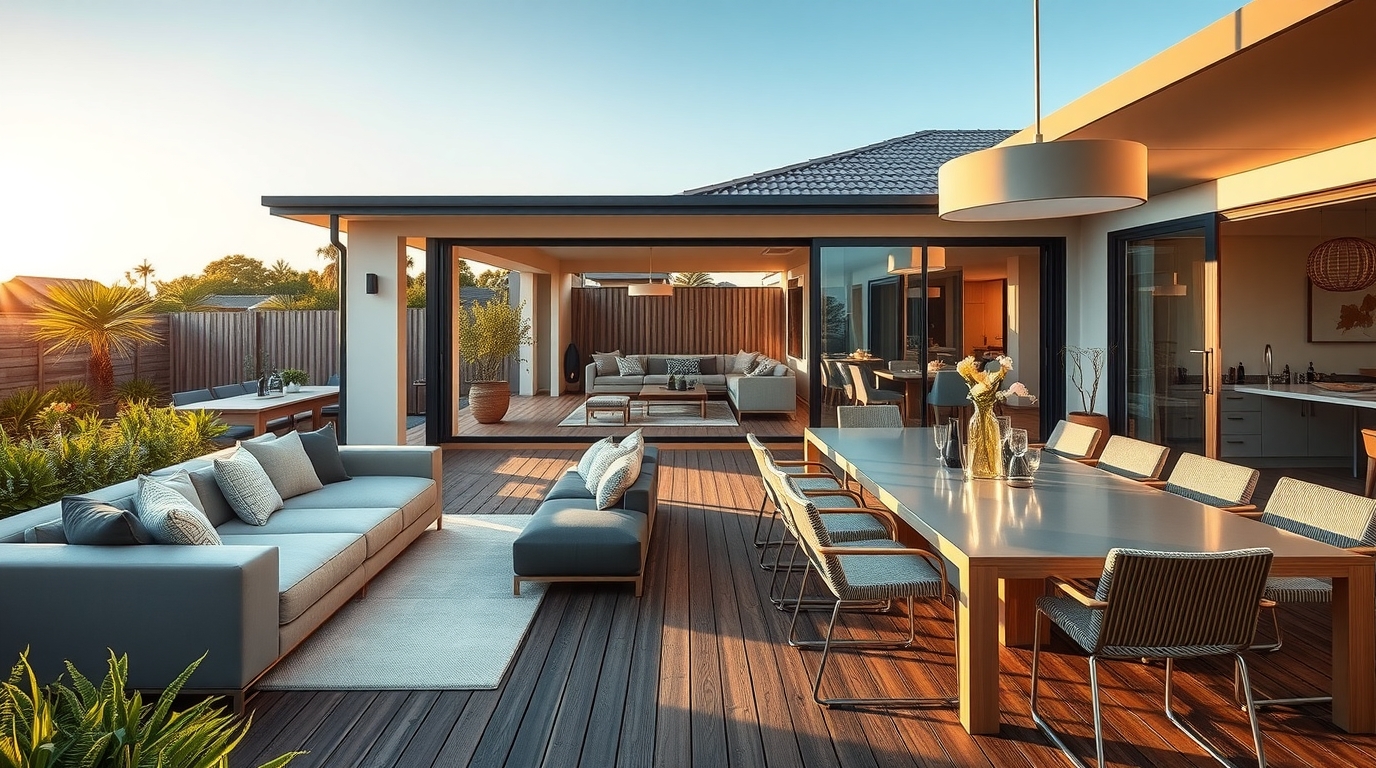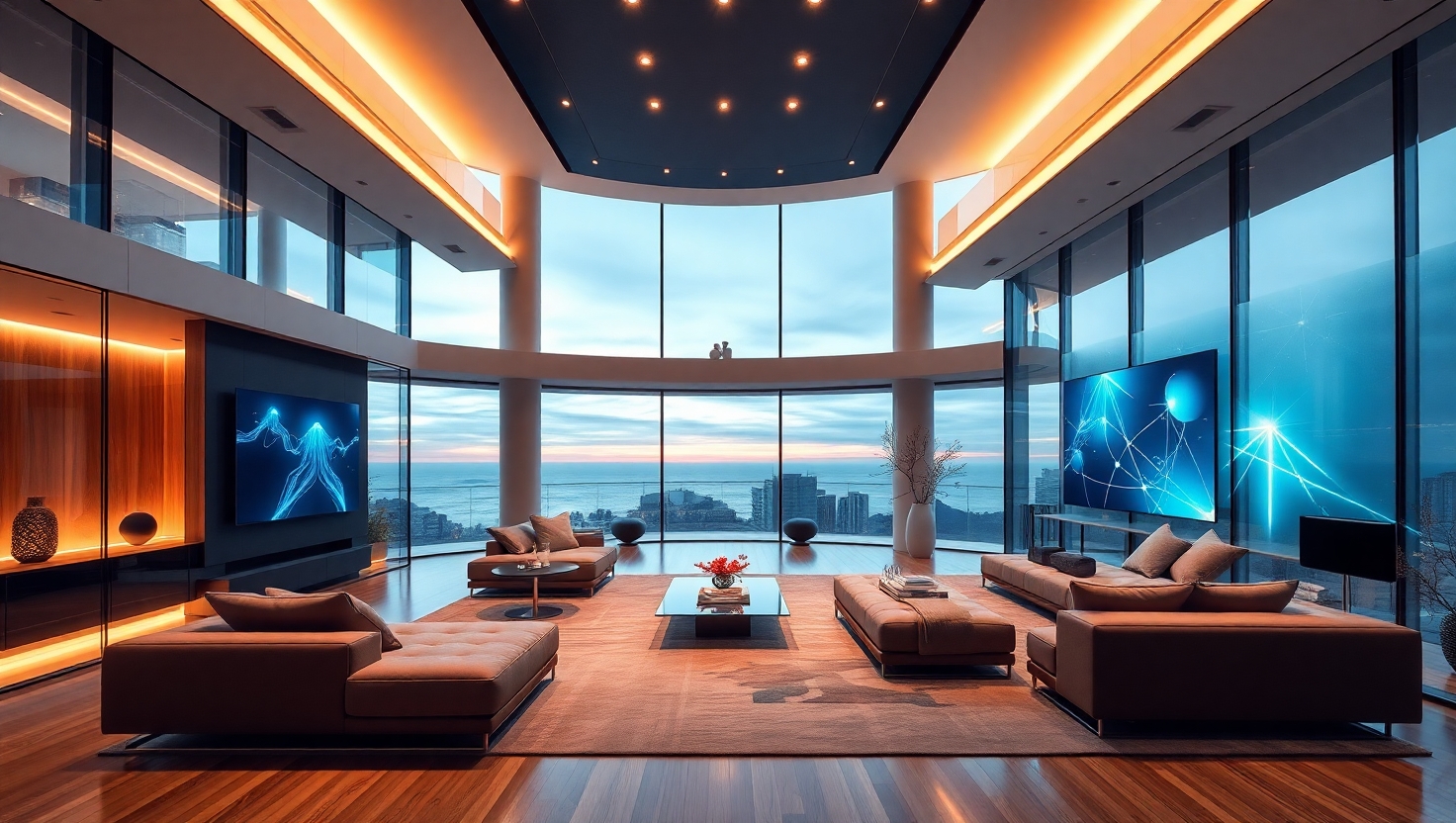

A premium sofa, designer light fitting, statement dining table or carefully selected piece of homeware can look exceptional in a showroom.
Online, the customer has none of the physical cues that make the product compelling in person.
They cannot sit on the sofa, examine the finish, compare the colour under natural light or ask a salesperson whether the dimensions will work in their room.
That creates a particular challenge for New Zealand home design businesses selling online.
E-commerce is not simply a mechanism for putting products on a website and accepting payments. For premium home and lifestyle businesses, the online store has to communicate quality, reduce uncertainty and give customers enough information to make a considered purchase.
For businesses selling higher-value furniture, interiors products, lighting, outdoor living products and specialist homeware, the website can become an important part of the sales process.
The question is therefore not simply whether a premium home design business should sell online.
It is whether its e-commerce experience communicates the same level of quality, expertise and confidence as the products and service offered offline.
E-Commerce Needs to Do More Than Display Products
One of the easiest mistakes for a premium home business is to treat e-commerce as an extension of its product catalogue.
A product catalogue tells people what is available.
A strong e-commerce experience helps them decide what to buy.
That distinction becomes particularly important when products are expensive, visually distinctive, technically complex or difficult to return.
Consider a customer looking at a NZ$4,000 dining table.
They may want to know:
- What are the exact dimensions?
- What materials have been used?
- Where was it made?
- What does the finish look like in natural light?
- Is the colour represented accurately?
- How heavy is it?
- Will it fit through their doorway?
- How will it be delivered?
- What happens if it arrives damaged?
- Can they see it somewhere before ordering?
- How long will they have to wait?
- Is installation available?
- Is the product suitable for their particular home?
A basic product page might answer only some of these questions.
A premium e-commerce strategy anticipates them.
The website therefore becomes part of the sales process rather than simply a digital showroom.
The New Zealand Market Has Practical E-Commerce Considerations
New Zealand’s geography creates practical considerations for home and lifestyle businesses selling products online.
A small homeware item can usually be packaged and shipped relatively easily.
A large dining table, sofa, outdoor setting or substantial lighting product is different.
Delivery may involve freight, regional restrictions, rural delivery considerations, installation or specialist handling.
The customer therefore needs to understand the practical side of purchasing before reaching the checkout.
A strong e-commerce website should make relevant information easy to find.
Depending on the product and business model, this could include:
- Delivery areas
- Freight costs
- Rural delivery information
- Estimated lead times
- Stock availability
- Assembly requirements
- Installation options
- Click-and-collect arrangements
- Showroom collection
- Damage or delivery procedures
- Returns information
A customer should not have to discover important delivery conditions after becoming emotionally invested in a product.
For premium purchases, uncertainty can become a significant conversion barrier.
Premium Products Need Detailed Product Pages
A sophisticated product deserves more than a photograph, price and short description.
Product pages should provide much of the information a customer would normally receive from a knowledgeable salesperson.
Depending on the product, useful information can include:
- Dimensions
- Materials
- Finishes
- Available colours
- Construction details
- Manufacturing information
- Care instructions
- Warranty information
- Delivery options
- Lead times
- Stock status
- Assembly requirements
- Product suitability
- Frequently asked questions
- Customer reviews
- Lifestyle photography
- Detailed product photography
- Video demonstrations
This is especially important because online shoppers cannot physically inspect the product.
The more uncertainty a product creates, the more information the website needs to provide.
For example, a premium furniture retailer could show a dining table from several angles, provide close-up photographs of the timber, explain the finish and show the table styled within a complete dining environment.
That helps the customer understand not only what the product is, but how it might work within their own home.
Help Customers Visualise Products in Their Own Homes
Home design is inherently visual.
People do not buy furniture and interiors products purely because of specifications. They buy them because they can imagine how those products will look and function within their own environment.
This makes lifestyle imagery particularly valuable.
A premium homeware business should consider showing products:
- Within complete rooms
- Alongside complementary products
- From several viewing angles
- At realistic scale
- In different lighting conditions
- Being used rather than simply displayed
This is particularly useful for products where size, texture, proportion or finish can be difficult to understand from a standard product photograph.
Video can provide another layer of information.
A short product video could demonstrate:
- How a mechanism operates
- How a chair moves
- The texture of a material
- The scale of a piece
- How an outdoor product is assembled
- How a lighting product looks when switched on
- How a storage system works
The objective is not to create video simply because video is fashionable.
The objective is to answer questions that photographs and written descriptions may not answer particularly well.
Build Trust Before Asking for the Sale
Trust becomes particularly important when customers are spending substantial amounts online.
A premium-looking website is not automatically a trustworthy website.
Customers need evidence that the business is established, capable and likely to provide the experience promised.
Useful trust signals can include:
- Genuine customer reviews
- Detailed project photography
- Showroom information
- Business history
- Designer or founder profiles
- Manufacturer information
- Warranties
- Clear delivery policies
- Clear returns information
- Secure payment options
- Accessible contact details
- Physical location information
- FAQs
- Installation information
- Relevant trade credentials
The website should also make it easy to contact a real person.
For high-value products, not every customer will want to complete the purchase without speaking to someone.
A strong e-commerce site can therefore support both self-service purchasing and assisted selling.
A customer might browse online, compare products, save their preferred option and then call the business before placing an order.
That should not automatically be regarded as a failed online conversion.
For premium businesses, the website may be one part of a longer customer journey involving a showroom visit, consultation, quotation or direct conversation.
Make Delivery Information Part of the Customer Experience
Delivery deserves particular attention from premium home businesses.
For a customer purchasing a large or expensive product, delivery is part of the purchase decision.
They may want to know:
- Where will the product be delivered?
- How much will delivery cost?
- Is delivery to the room available?
- Is assembly included?
- Will someone contact them before delivery?
- What happens if nobody is home?
- What happens if the product arrives damaged?
- How long will delivery take?
- Can rural addresses be serviced?
- Is showroom collection available?
Where possible, the website should answer these questions before checkout.
For larger products, the business may need a delivery calculator, regional delivery information or a clear process for obtaining a freight quotation.
The exact approach will depend on the product range and logistics model.
What matters is that the customer understands what happens after clicking Buy.
Returns and Consumer Information Need to Be Clear
Premium businesses sometimes worry that detailed returns information makes customers more cautious.
Unclear policies can instead create uncertainty before purchase.
New Zealand businesses selling online need to understand the consumer law that applies to their transactions.
The Consumer Guarantees Act provides guarantees around matters including acceptable quality, fitness for purpose and matching descriptions. The Fair Trading Act also covers misleading or deceptive conduct and other aspects of trading, including representations about products and services.
These obligations apply to online traders as well as businesses operating from physical premises.
Businesses should therefore ensure that product descriptions, pricing, promotional claims and other important information are accurate.
The website should also clearly communicate relevant delivery, returns and refund policies.
For premium products, this becomes particularly important because the financial consequences of a misunderstanding can be greater than with a low-value purchase.
Where a business is uncertain about its particular obligations, appropriate professional or legal advice should be obtained.
New Zealand Pricing Should Be Straightforward
Pricing presentation is another area where premium brands need to balance positioning with clarity.
Customers should be able to understand what they are paying without having to decode the website.
Depending on the business, this may mean making it clear:
- Whether prices are in New Zealand dollars
- Whether GST is included where applicable
- Whether delivery is included
- Whether installation is additional
- Whether customisation changes the price
- Whether an item is made to order
- Whether deposits or staged payments apply
Clear pricing does not diminish a premium brand.
It can instead reduce friction and give customers greater confidence in the purchase process.
For businesses offering bespoke or highly customised products, a transparent enquiry process may be more appropriate than displaying a single fixed price.
The website can explain what influences the final cost and provide a clear path to requesting a consultation or quotation.
E-Commerce and SEO Need to Work Together
Building an online shop does not automatically mean customers will find it.
A premium home design business might have hundreds of products, but if its website structure is unclear, search engines may have difficulty understanding the products and categories being offered.
SEO should therefore be considered during e-commerce planning rather than added as an afterthought.
Build useful product categories
Categories should reflect how customers actually browse and shop.
Depending on the business, this could include:
- Sofas
- Dining furniture
- Bedroom furniture
- Outdoor furniture
- Lighting
- Rugs
- Home accessories
- Storage
- Kitchen products
The structure should reflect the business’s actual range and customer journey rather than being created purely to accommodate search phrases.
Give important products their own pages
Important products should have useful, accessible pages containing sufficient information about the item.
Thin pages containing little more than a product name, image and price provide limited value to both customers and search engines.
Create useful buying content
A premium home business can also attract customers before they are ready to purchase.
Useful articles might answer questions such as:
- How do you choose the right dining table size?
- What should you consider when buying outdoor furniture in New Zealand?
- How do you care for solid timber furniture?
- What size rug works under a dining table?
- How do you choose lighting for an open-plan kitchen?
- What should you consider before buying a sofa?
This type of content supports customers during the research stage and can create natural pathways into relevant product categories.
Connect content and products
A buying guide should not exist in isolation.
Where relevant, it can link to products or categories discussed in the article.
Likewise, product pages can link to related guides.
This creates a connected customer journey from research through consideration to purchase.
Google Ads Can Support High-Intent Searches
SEO can take time to establish.
Paid search can provide another route to customers who are already searching for products or services.
However, an e-commerce Google Ads strategy should not be judged simply by the number of clicks generated.
A premium furniture business needs to understand whether advertising is generating commercially useful customers.
Relevant measures can include:
- Purchases
- Qualified enquiries
- Cost per acquisition
- Average order value
- Gross profit
- Return on advertising spend
- Product-level performance
- Assisted conversions
A campaign producing hundreds of inexpensive clicks but few worthwhile customers may not be commercially useful.
The business economics should therefore influence how campaigns are structured and assessed.
This is particularly relevant for premium businesses where one sale can represent substantially more value than another.
Social Media Should Connect With the Store
Premium home design businesses often have a natural source of visual content.
Completed projects, new collections, product details, installations, design ideas and demonstrations can all provide useful social content.
But social media should not operate separately from the e-commerce website.
A new furniture collection could be introduced through social media, demonstrated through video and then connected to the relevant product or collection page.
A completed interior project could become:
- A social post
- A short video
- A website case study
- An email feature
- A collection of product links
- An SEO article
- A customer story
The same underlying content can therefore support several stages of the customer journey.
The objective is not to publish constantly for the sake of activity.
The objective is to use relevant content to create interest and then provide an easy path for interested customers to research the products further.
The Showroom and Website Should Support Each Other
E-commerce does not necessarily mean a premium home business should push every customer towards online-only purchasing.
For many businesses, the showroom remains an important part of the sales process.
The website and physical experience should therefore complement each other.
A customer might:
- Discover a product through Google.
- Visit the website.
- Research the product.
- Compare finishes or alternatives.
- Find the showroom.
- Visit in person.
- Discuss options with a specialist.
- Return to the website.
- Place the order online.
The purchase may ultimately happen online, in person or through an assisted sales process.
The website has still contributed to the commercial outcome.
This is one reason why simply measuring online transactions may not tell the whole story for a premium home design business.
Design Checkout Around Confidence
A premium website does not need a complicated checkout.
In fact, unnecessary complexity can create friction at the point where a customer is ready to buy.
The checkout should make important information easy to understand.
This can include:
- Product details
- Quantity
- Price
- Delivery costs
- Delivery region
- Payment options
- Contact information
- Applicable terms
- Order confirmation
The experience should work properly across desktop and mobile devices.
Customers should not need to create unnecessary accounts simply to discover whether delivery is available.
Important costs should not appear unexpectedly at the final stage.
Every additional uncertainty creates another reason for a customer to pause.
Measure the Store Against Commercial Outcomes
An e-commerce strategy should ultimately be assessed against the business’s actual objectives.
Useful measures can include:
| Measure | What it helps reveal |
| E-commerce revenue | Overall online sales |
| Conversion rate | How effectively relevant visitors become purchasers |
| Average order value | Revenue generated per transaction |
| Gross profit | Commercial value after relevant costs |
| Cost per acquisition | Cost of generating a customer |
| Cart abandonment | Potential friction in the purchase journey |
| Product-level sales | Which products perform online |
| Qualified enquiries | Value of assisted-sales opportunities |
| Returning customers | Repeat purchasing behaviour |
| Organic traffic | Contribution from SEO |
| Paid search revenue | Commercial contribution from advertising |
The most useful measurements will depend on the business model.
A homeware retailer may focus heavily on direct online transactions.
A bespoke furniture business may receive relatively few direct online purchases but generate valuable consultation and quotation enquiries.
A premium lighting business may generate online sales for standard products while using its website to attract larger commercial or residential project enquiries.
Measurement should therefore reflect how the business actually generates revenue and profit.
Common E-Commerce Mistakes Premium Home Businesses Should Avoid
1. Making the website beautiful but difficult to use
Visual quality matters, but customers still need straightforward navigation.
2. Providing too little product information
A beautiful photograph cannot answer every buying question.
3. Hiding delivery costs or conditions
Unexpected freight charges can create hesitation and undermine confidence.
4. Treating mobile as secondary
Customers may discover and research products on mobile even if they complete the eventual purchase elsewhere.
5. Relying entirely on social media
Social platforms can generate attention, but the business needs an owned digital destination where customers can properly research products and purchase.
6. Using generic product descriptions
Manufacturer-supplied descriptions may not adequately explain why a product is suitable for the particular customer.
7. Ignoring SEO until after launch
Website structure, product categories, URLs and page content are easier to plan correctly before the store becomes large.
8. Measuring traffic instead of commercial results
A larger audience does not automatically produce better business results.
9. Making exaggerated product claims
Businesses need to ensure that claims about products, services, pricing and promotions are accurate and comply with New Zealand consumer law.
10. Treating e-commerce as a one-off website project
Products change. Customer behaviour changes. Search behaviour changes. Delivery arrangements change.
An e-commerce store needs ongoing attention rather than being treated as finished on launch day.
A Practical E-Commerce Checklist for New Zealand Home Design Businesses
Before investing in a new e-commerce website or rebuilding an existing one, work through these questions.
Products
- Are the products suitable for online purchase?
- Are measurements and specifications complete?
- Are product images strong enough?
- Can customers understand materials and finishes?
- Are stock and lead-time details accurate?
Customers
- What information do customers need before purchasing?
- What questions do sales staff answer repeatedly?
- What causes customers to hesitate?
- Which products require assisted selling?
Delivery
- Can the business deliver nationwide?
- Are rural and regional deliveries handled?
- Are bulky products priced differently?
- Are lead times clearly communicated?
- Are collection or showroom options available?
Website
- Is navigation intuitive?
- Does the site work well on mobile?
- Are product categories logical?
- Is checkout straightforward?
- Are contact options obvious?
- Can customers easily find important policies?
Trust
- Are genuine reviews visible?
- Are warranties and policies easy to find?
- Is the business’s physical presence clear?
- Can customers easily contact someone?
- Are project examples or previous work available where relevant?
Marketing
- Can customers discover products through Google?
- Are Google Ads appropriate for relevant commercial searches?
- Is social media connected to product discovery?
- Is useful content helping customers research purchases?
- Are important product and category pages optimised appropriately?
Measurement
- Are online sales tracked?
- Are enquiries tracked?
- Is average order value understood?
- Can the business identify which products perform online?
- Can marketing channels be connected to commercially meaningful outcomes?
If several of these questions are difficult to answer, the problem may not be a lack of advertising.
The underlying e-commerce system may need attention first.
Turning E-Commerce Into Part of the Overall Customer Journey
For a premium New Zealand home design business, e-commerce should not be viewed simply as another place to sell products.
It can become the digital environment through which customers discover the brand, explore products, compare options, develop confidence, contact the business and eventually purchase.
That requires more than attractive web design.
It requires useful product information, practical delivery communication, strong photography, intuitive navigation, search visibility, trustworthy policies and a customer journey that reflects how people actually purchase higher-value home products.
The most effective structure will differ between businesses.
A furniture retailer, interior furnishings brand, lighting supplier, outdoor living business and bespoke design company will all have different products, customers, logistics and purchasing processes.
The e-commerce strategy should therefore begin with the commercial model and customer journey.
From there, the business can determine the website structure, technology, content and marketing activity needed to support it.
Your Website Should Reflect the Quality of Your Business
A premium home design business invests heavily in its products, showroom, design expertise, presentation and customer service.
Its e-commerce experience should carry those qualities into the digital customer journey.
That means treating the website as a commercial asset rather than simply an online catalogue.
For some businesses, the priority may be improving product pages and checkout. For others, it may be rebuilding the e-commerce platform, improving search visibility, integrating better content or connecting online activity with showroom enquiries.
The right approach depends on the products, customers, margins, delivery model and commercial objectives of the individual business.
For New Zealand home and lifestyle businesses, specialist e-commerce website development can help bring these elements together into a clearer customer journey — from initial discovery through research, consideration and purchase.
A well-planned e-commerce strategy should make it easier for the right customers to understand the product, trust the business and take the next step, whether that means purchasing online, booking a consultation, requesting a quotation or visiting a showroom.
New Zealand Sources
NZ Post — eCommerce Market Sentiments Report:
New Zealand online retail and shopper behaviour information.
Consumer Protection New Zealand — Online Shopping:
Information about consumer rights and protections when purchasing online.
Consumer Protection New Zealand — Fair Trading Act:
Guidance covering truthful trading, advertising and representations about products and services.
Inland Revenue — GST:
Information about New Zealand GST requirements and online trading.
If your home or lifestyle business is ready to improve its online sales process, the first step is to look beyond the appearance of the website and assess how effectively it supports the complete customer journey.
HLM works with home and lifestyle businesses on website development, e-commerce, SEO, Google Ads and related digital marketing, with the focus on building a stronger digital presence that supports genuine commercial opportunities.
To learn more, please visit www.hlmco.com.au