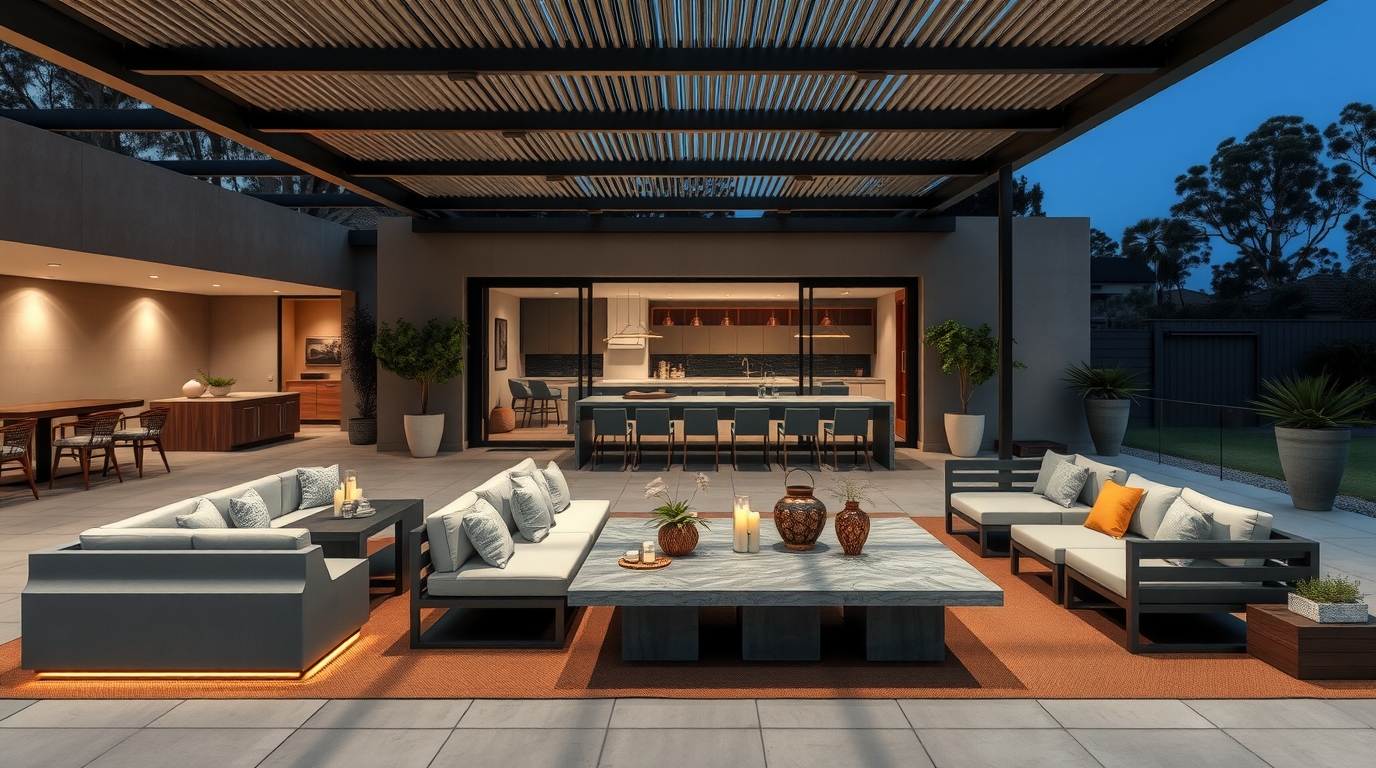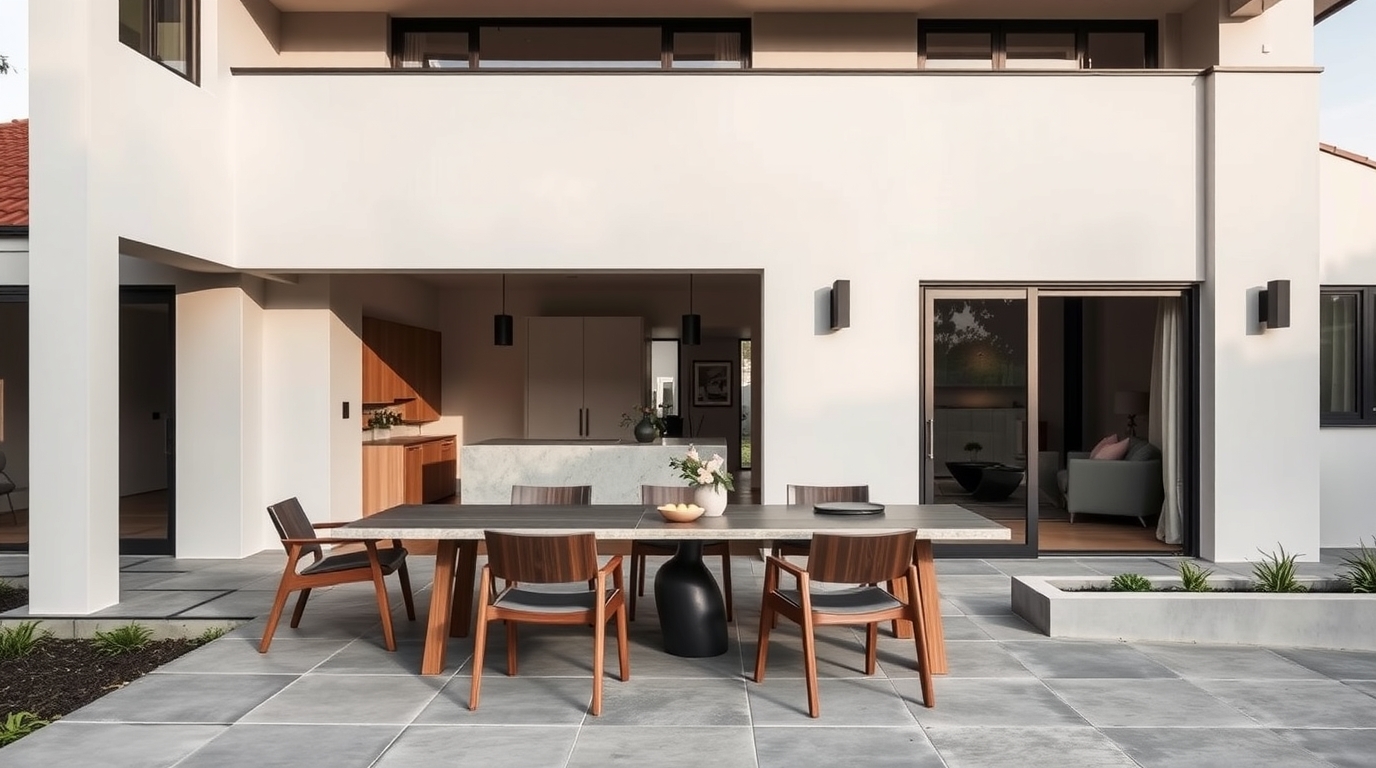

Outdoor living businesses often sell a combination of products and services.
One customer may be searching for a complete outdoor kitchen. Another may be looking for a dining setting, lounge furniture or a particular outdoor product. Someone else may be researching ideas for transforming a backyard and may not yet know exactly what they want to buy.
This variety creates both an opportunity and a challenge for Google Ads.
Paid search can put a business in front of people who are actively looking for outdoor kitchens, furniture and lifestyle products. However, simply bidding on broad outdoor living keywords does not guarantee useful enquiries or profitable sales.
The campaign needs to reflect what the business sells, how customers search and where those customers are in the buying process.
Google Ads currently provides several keyword matching options, including broad, phrase and exact match. Google also recommends using relevant ad messaging, appropriate landing pages and a range of responsive search ad assets to improve relevance.
For outdoor living businesses, the strongest approach is usually to treat Google Ads as a commercial system rather than simply a source of website visits.
Start With the Products and Services You Actually Want to Promote
The first step is deciding what Google Ads should achieve.
An outdoor living business might offer:
- Custom outdoor kitchens
- BBQ kitchens
- Outdoor kitchen cabinetry
- Outdoor dining furniture
- Outdoor lounge furniture
- Bar stools
- Dining tables
- Outdoor sofas
- Modular seating
- Umbrellas and shade products
- Fire pits
- Outdoor heating
- Lighting
- Decorative lifestyle products
- Complete outdoor entertainment packages
These products do not necessarily belong in one campaign.
A customer searching for “outdoor kitchen builder” has a very different intent from someone searching for “outdoor dining table”.
The first may be looking for a design and installation service. The second may be ready to purchase a physical product.
The advertising strategy should reflect that difference.
Campaign structure should therefore begin with the business model, product categories and commercial priorities rather than simply collecting as many keywords as possible.
Separate Outdoor Kitchens From Furniture Campaigns
Outdoor kitchens often involve a larger purchase and a longer decision process than an individual furniture item.
Someone searching for:
“custom outdoor kitchen”
may be looking for design, manufacturing, installation and project advice.
Someone searching for:
“outdoor dining chairs”
may already know what they want and be comparing products, prices and suppliers.
These searches can justify different campaigns, budgets, advertisements and landing pages.
A practical structure might include:
Campaign 1: Outdoor Kitchens
Potential themes could include:
- Custom outdoor kitchens
- Outdoor kitchen design
- Outdoor kitchen builders
- Outdoor BBQ kitchens
- Built-in outdoor kitchens
- Outdoor kitchen cabinetry
Campaign 2: Outdoor Furniture
Potential themes could include:
- Outdoor dining furniture
- Outdoor lounge furniture
- Outdoor sofas
- Outdoor dining tables
- Premium outdoor furniture
- Outdoor furniture collections
Campaign 3: Outdoor Lifestyle Products
Depending on the business, this might include:
- Outdoor heating
- Fire pits
- Umbrellas
- Shade products
- Outdoor lighting
- Accessories
This structure makes it easier to align advertising with the customer’s actual search.
Match Keywords With Search Intent
Keywords are useful because they provide clues about what the customer wants.
But the wording of the search matters.
Compare:
“outdoor kitchen ideas”
with:
“custom outdoor kitchen near me”
The first is primarily informational.
The second has stronger commercial intent.
Similarly:
“best outdoor sofa materials”
suggests research, while:
“buy outdoor sofa”
is much closer to a purchasing decision.
Google Ads keyword matching has evolved beyond simply matching exact words. Google states that broad match can use signals such as landing pages, ad group keywords and other account information to help identify relevant searches, while phrase and exact match provide narrower levels of matching.
This means campaign management should focus on the searches actually generating traffic, not just the original keyword list.
For a business selling premium outdoor products, this distinction can have a substantial effect on lead and sales quality.
Build Ad Groups Around Closely Related Intent
A common mistake is putting too many unrelated keywords into one ad group.
An outdoor furniture campaign might contain separate themes for:
- Outdoor dining tables
- Outdoor dining chairs
- Outdoor sofas
- Outdoor lounge settings
- Outdoor furniture sets
This gives the business more opportunity to make the advertisement relevant to the search.
If someone searches for outdoor lounge furniture, an advertisement specifically discussing outdoor lounge collections is likely to be more useful than a generic advertisement about an entire outdoor lifestyle business.
Google’s current responsive search ad guidance recommends providing multiple relevant headlines and descriptions so its system can assemble combinations suited to different searches. It also recommends using relevant keywords in messaging and matching advertisements with their landing pages.
The principle is simple:
Specific search → relevant ad → relevant landing page.
Write Ads Around Customer Benefits
Outdoor lifestyle advertising should not simply describe the product.
It should communicate why the product or service is relevant.
For example, an outdoor kitchen advertisement might focus on:
- Custom outdoor kitchen design
- Built for outdoor entertaining
- Premium outdoor kitchen solutions
- Design and installation
- Explore outdoor kitchen options
A furniture advertisement might emphasise:
- Outdoor dining collections
- Designed for outdoor living
- Explore premium outdoor furniture
- Dining and lounge collections
- Shop outdoor furniture
The exact claims should always be accurate.
If a business does not manufacture its products, it should not imply that it does.
If installation is not included, the advertisement should not suggest that it is.
If a product is genuinely made to order, that can be useful messaging. If it is simply stocked, the advertising should say so accurately.
Google recommends ad copy that focuses on customer benefits, uses specific messaging and provides a clear indication of what the customer should do next.
Use Responsive Search Ads Properly
Responsive Search Ads allow advertisers to provide multiple headlines and descriptions. Google then combines those assets into different advertisements and learns which combinations are more relevant to users.
For an outdoor living business, this creates an opportunity to test different commercial messages.
For example, an outdoor kitchen campaign could include headline themes around:
- Custom Design
- Outdoor Kitchens
- Built for Entertaining
- Premium Outdoor Living
- Explore Kitchen Options
- Request a Consultation
- View Completed Projects
Descriptions can then explain the service, product range, project process or next step.
The important point is that the assets should not all say essentially the same thing.
Different headlines can address:
- Product
- Benefit
- Service
- Differentiator
- Location
- Call to action
Google currently recommends using multiple responsive search ads per ad group and provides Ad Strength as a diagnostic tool for evaluating the completeness and relevance of ad assets.
Ad Strength should not be treated as a guarantee of commercial success. A campaign can have strong ad assets and still fail if the targeting, landing page, offer or economics are wrong.
Send Each Advertisement to the Right Landing Page
One of the most important principles in Google Ads is the connection between the advertisement and the landing page.
An advertisement for outdoor kitchens should normally lead to an outdoor kitchen page.
An advertisement for outdoor dining furniture should lead to the relevant furniture category or collection.
An advertisement promoting a specific product should lead to that product or the most relevant product range.
Sending every advertisement to the homepage creates unnecessary friction.
The customer has already told you what they want through their search.
The website should continue that conversation.
For example:
Search: “custom outdoor kitchen”
Ad: “Custom Outdoor Kitchens | Design & Installation”
Landing page: Dedicated outdoor kitchen service page
This is a much more coherent journey than:
Search: “custom outdoor kitchen”
Ad: “Outdoor Living Specialists”
Landing page: Generic homepage
Google specifically recommends using a unique and relevant final URL for responsive search advertisements and ensuring that the information promoted in the advertisement is represented on the landing page.
Make Outdoor Kitchen Landing Pages More Useful
Outdoor kitchens require more explanation than many standard retail products.
A strong landing page might include:
- Types of outdoor kitchens
- Available configurations
- Materials
- Appliances
- Storage
- Benchtops
- Design options
- Installation information
- Project photography
- Completed examples
- Frequently asked questions
- Service locations
- Consultation information
The page should also help customers understand whether the business is appropriate for their project.
For a custom installation business, this could include information about the design process and what happens after the initial enquiry.
For a retailer selling modular outdoor kitchen products, the page may need to focus more heavily on specifications, configurations, pricing, delivery and product comparisons.
The landing page should therefore reflect the business model.
Build Product Landing Pages for Furniture
Outdoor furniture requires a different approach.
A customer shopping for furniture may want to know:
- Dimensions
- Materials
- Colours
- Finishes
- Cushions
- Weight
- Weather suitability
- Maintenance
- Warranty
- Availability
- Delivery
- Assembly
- Returns
High-quality product photography is particularly important because furniture is both functional and visual.
The customer needs to understand not only what the product looks like, but also how it may work within an outdoor setting.
Lifestyle photography can therefore work alongside detailed product photography.
An outdoor sofa shown within a complete entertaining area may communicate scale and context more effectively than a product photograph against a plain background.
Use Shopping Campaigns Where the Business Model Supports Them
For businesses selling eligible products online, Google Shopping and product-focused advertising can provide another route to product discovery.
This is particularly relevant to outdoor furniture and lifestyle products where customers may want to compare visual products before clicking through to a website.
However, the quality of the product data matters.
Product titles, descriptions, imagery, pricing and availability should accurately represent what the customer will find on the website.
The website also needs to provide a smooth path from product discovery through to purchase.
For businesses selling high-value or highly customised products, traditional Search campaigns may sometimes be more appropriate for capturing enquiries, consultations or quote requests than treating every product like a straightforward online transaction.
The right campaign type depends on the actual buying process.
Use Negative Keywords to Protect the Budget
Not every search containing an outdoor-related keyword represents a valuable customer.
An outdoor kitchen company might receive searches related to:
- DIY outdoor kitchens
- Outdoor kitchen plans
- Free outdoor kitchen designs
- Used outdoor furniture
- Outdoor furniture repairs
- Outdoor furniture covers
- Jobs
- Training
- Second-hand products
Some of these may be irrelevant to the business.
Negative keywords can help prevent advertisements from appearing for searches that are unlikely to produce useful customers.
However, negative keyword management should not be based purely on assumptions.
The search terms report can show what people actually searched before clicking an advertisement.
This allows the business to identify irrelevant patterns and refine targeting over time.
The same process can reveal valuable searches that were not included in the original keyword strategy.
Review Search Terms Regularly
The search terms report is one of the most useful sources of information in a Google Ads account.
Suppose an outdoor furniture campaign begins receiving searches around:
- premium outdoor dining
- outdoor furniture for entertaining
- modern outdoor furniture
- outdoor lounge settings
Those searches may reveal opportunities to improve advertisements and landing pages.
Alternatively, the business may discover large volumes of searches relating to:
- cheap outdoor furniture
- free outdoor furniture
- used outdoor furniture
- DIY furniture projects
Those searches may indicate that targeting needs refinement.
The account should therefore be managed based on observed search behaviour rather than assumptions alone.
Target Geography Carefully
Outdoor kitchens and many outdoor living services are inherently local.
A business may only install within a defined service area.
In that case, advertising outside the practical service region can waste budget.
Geographic targeting should reflect:
- Actual service areas
- Delivery areas
- Showroom locations
- Installation coverage
- Product shipping capabilities
The distinction between a service business and an e-commerce retailer is important.
An outdoor kitchen installer may need highly focused geographic targeting.
An outdoor furniture retailer with nationwide delivery may have a much wider potential market.
The campaign structure should follow the commercial reality.
Use Location and Call Assets Where Appropriate
For businesses that operate physical showrooms or provide local services, location information can make advertisements more useful.
Google’s current responsive search advertising guidance recommends using location and call assets where appropriate for businesses offering in-person services.
For an outdoor furniture showroom, this can help customers understand that they can visit and view products.
For an outdoor kitchen business, a call asset may be useful when customers commonly begin their enquiry by phone.
However, the value of a call is not simply the number of calls generated.
The business should understand whether those calls are relevant and whether they progress towards genuine sales opportunities.
Make Mobile Enquiries Easy
Outdoor living customers may discover a business while browsing on a phone, particularly when searching for ideas, products or nearby suppliers.
The landing page therefore needs to work properly on smaller screens.
Important elements should be easy to access:
- Phone number
- Enquiry button
- Product information
- Images
- Key specifications
- Location
- Contact form
- Consultation request
Long forms can create unnecessary friction.
At the same time, a completely inadequate enquiry form may fail to collect information that the business needs to qualify a project.
The right balance depends on the value and complexity of the purchase.
A business selling a $150 accessory may need a simple purchase journey.
A business designing a complete outdoor kitchen may reasonably ask about property location, project type, approximate requirements and preferred contact method.
Separate Product Sales From Project Enquiries
This distinction is particularly important for outdoor living businesses selling both products and services.
Consider a company that sells outdoor kitchens and furniture but also provides complete outdoor living design.
A customer searching for an outdoor dining table may want to buy a product.
Another customer searching for “outdoor kitchen design and installation” may be seeking a project consultation.
The conversion goals are different.
For e-commerce:
Search → Product → Cart → Checkout → Purchase
For a project:
Search → Service → Project information → Enquiry → Consultation → Quote → Sale
The Google Ads account should be measured accordingly.
Treating every conversion as identical can make campaign performance difficult to interpret.
Measure More Than Clicks and Leads
A campaign can generate plenty of clicks without producing useful business.
Similarly, it can generate enquiries that are not commercially suitable.
An outdoor kitchen business should ideally distinguish between:
- Clicks
- Website enquiries
- Phone calls
- Qualified enquiries
- Consultations
- Quotes
- Won projects
- Revenue
For e-commerce products, the measurement chain may instead include:
- Product views
- Add-to-cart actions
- Checkouts
- Purchases
- Revenue
- Average order value
- Gross margin where available
The commercial objective should determine what is treated as a meaningful conversion.
Google’s current enhanced conversions for leads functionality can also help businesses connect online advertising with later offline outcomes by using first-party customer data and imported offline conversion information. Google specifically describes this as a way to improve measurement for leads that eventually become offline outcomes.
This can be particularly relevant to outdoor kitchen businesses.
A customer may click an advertisement, complete an enquiry form, speak with a designer, receive a quote and eventually approve a substantial project.
If the account only records the initial form submission, it has limited visibility into what happened afterwards.
Connecting later qualified or converted leads back to advertising can provide a more commercially meaningful picture.
Understand the Economics of Outdoor Advertising
A Google Ads budget should be considered in relation to the economics of the product or service.
Suppose a business sells individual outdoor furniture pieces with modest margins.
The acceptable acquisition cost may be quite different from that of a business generating substantial revenue from complete outdoor kitchen projects.
The business should understand:
- Average order value
- Gross margin
- Lead-to-sale rate
- Quote-to-sale rate
- Customer acquisition cost
- Repeat purchase potential
- Installation revenue
- Delivery revenue
- Lifetime customer value where relevant
This helps determine what a viable advertising result looks like.
A $100 cost per lead might be unacceptable for one business and reasonable for another.
The number itself means very little without commercial context.
Use Remarketing Carefully
Customers planning outdoor living purchases may not convert during their first visit.
Someone may discover an outdoor furniture collection, leave the site, compare alternatives and return later.
Another person may spend time researching outdoor kitchens before contacting a business.
Remarketing can help maintain visibility during this consideration period.
However, the message should match the customer’s previous interaction.
Someone who viewed outdoor kitchens may be shown relevant project or service content.
Someone who viewed a specific furniture collection may be shown that collection again rather than a generic outdoor living advertisement.
The objective should be to support the customer’s decision process, not simply follow every visitor around the internet with the same advertisement.
Use Seasonal Demand Intelligently
Outdoor living demand can be seasonal.
Customers may become more interested in entertaining areas, outdoor dining and furniture at particular times of the year.
Businesses should examine their own historical data rather than assuming that every outdoor category follows exactly the same seasonal pattern.
Outdoor kitchens, furniture, heating and shade products may have different demand cycles.
Campaign budgets, promotions and landing pages can then be adjusted around actual customer behaviour.
This is another reason to maintain useful historical campaign data.
Avoid Sending Every Customer to the Same Message
A business may have an attractive homepage that introduces its complete outdoor living range.
That does not make it the best landing page for every Google Ads search.
Someone searching for:
“outdoor dining table”
should see outdoor dining products.
Someone searching for:
“custom outdoor kitchen”
should see outdoor kitchen services.
Someone searching for:
“outdoor lounge furniture”
should see the relevant collection.
This principle improves relevance throughout the customer journey.
It also makes the business’s marketing easier to understand.
The advertisement makes a promise.
The landing page delivers on that promise.
The enquiry or purchase process then provides the next logical step.
Use Google Ads Alongside SEO
Paid advertising and organic search serve different functions.
Google Ads can provide immediate visibility for selected searches.
SEO can build organic visibility across a broader range of questions, services, products and research topics over time.
For an outdoor living business, the two can work together.
Google Ads may identify valuable searches around:
- Outdoor kitchen installation
- Outdoor dining furniture
- Premium outdoor furniture
- Outdoor entertaining areas
Those search patterns can inform SEO content.
Likewise, organic search data may reveal topics that deserve dedicated advertising.
The website becomes the common foundation.
Paid search brings targeted visitors.
SEO develops broader search visibility.
Project content builds credibility.
Social media creates visual discovery.
The channels can reinforce one another rather than operating as disconnected marketing activities.
Common Google Ads Mistakes in the Outdoor Living Sector
Several mistakes appear repeatedly when businesses advertise a broad range of outdoor products.
Using one campaign for everything
Outdoor kitchens, furniture and accessories often have different customers, margins and conversion paths.
Bidding on overly broad terms
“Outdoor living” may attract searches with very different intentions.
Sending all traffic to the homepage
This creates a disconnect between search intent and landing-page content.
Ignoring negative keywords
Irrelevant searches can consume budget.
Measuring only clicks
Clicks do not demonstrate whether the right customers are being reached.
Treating every enquiry as valuable
A low-quality enquiry is not equivalent to a qualified project opportunity.
Using generic ad copy
Specific product and service messaging is generally more useful than vague claims about being an outdoor living specialist.
Failing to track phone calls
For high-consideration products and services, phone conversations can be an important part of the sales journey.
Ignoring the sales process
If advertising generates enquiries but the business does not follow up effectively, improving the campaign alone may not solve the commercial problem.
A Practical Google Ads Framework for Outdoor Living Businesses
A focused campaign can be developed through a straightforward process.
1. Define commercial priorities
Decide which products, services and project types deserve advertising investment.
2. Separate customer intent
Distinguish product purchases, project enquiries, showroom visits and research-stage searches.
3. Structure campaigns logically
Create separate campaigns or ad groups around genuinely different products and services.
4. Build relevant keyword themes
Use search terms that reflect how customers actually describe the products and services.
5. Create specific responsive search ads
Use multiple headlines and descriptions that address products, benefits, differentiators and next steps.
6. Match each advertisement to a suitable landing page
Do not make the homepage the default destination for every campaign.
7. Monitor search terms
Use actual search behaviour to identify opportunities and irrelevant traffic.
8. Add negative keywords where appropriate
Protect the budget from searches that are clearly outside the business’s commercial scope.
9. Track meaningful conversions
Measure purchases, calls, enquiries, qualified leads and later sales where possible.
10. Evaluate commercial performance
Compare advertising costs with lead quality, sales, revenue and margin rather than relying on clicks or impressions alone.
Google Ads Works Best When It Reflects the Business Behind the Search
Outdoor kitchens, furniture and lifestyle products can all be promoted effectively through Google Ads, but they should not necessarily be marketed in exactly the same way.
A custom outdoor kitchen is often a project.
A dining setting may be an e-commerce purchase.
A complete outdoor entertainment area may begin as a design consultation.
A lifestyle accessory may be a relatively simple product transaction.
The advertising strategy needs to recognise these differences.
That means separating campaigns where appropriate, understanding search intent, creating relevant advertisements, sending visitors to useful landing pages and measuring what happens after the click.
Google’s current advertising guidance places considerable emphasis on relevant responsive search ads, varied assets and landing pages that correspond with the advertisement and customer need.
For outdoor living businesses, the broader lesson is straightforward.
Google Ads should not be treated simply as a way to buy website traffic.
It should be used to connect specific customer searches with specific products, services and next steps.
When that connection is clear, an outdoor kitchen search can lead to an appropriate project page, a furniture search can lead to the relevant collection, and a lifestyle product search can lead directly to a useful product experience.
The result is a more coherent customer journey and a clearer basis for measuring whether advertising is contributing to the business.
For businesses operating in the outdoor living sector, Home & Lifestyle Marketing Co can help develop Google Ads campaigns around the products, services, locations and commercial objectives that matter most, while ensuring paid search works alongside SEO, website development, Local SEO and other digital marketing channels.
To learn more, please visit www.hlmco.com.au