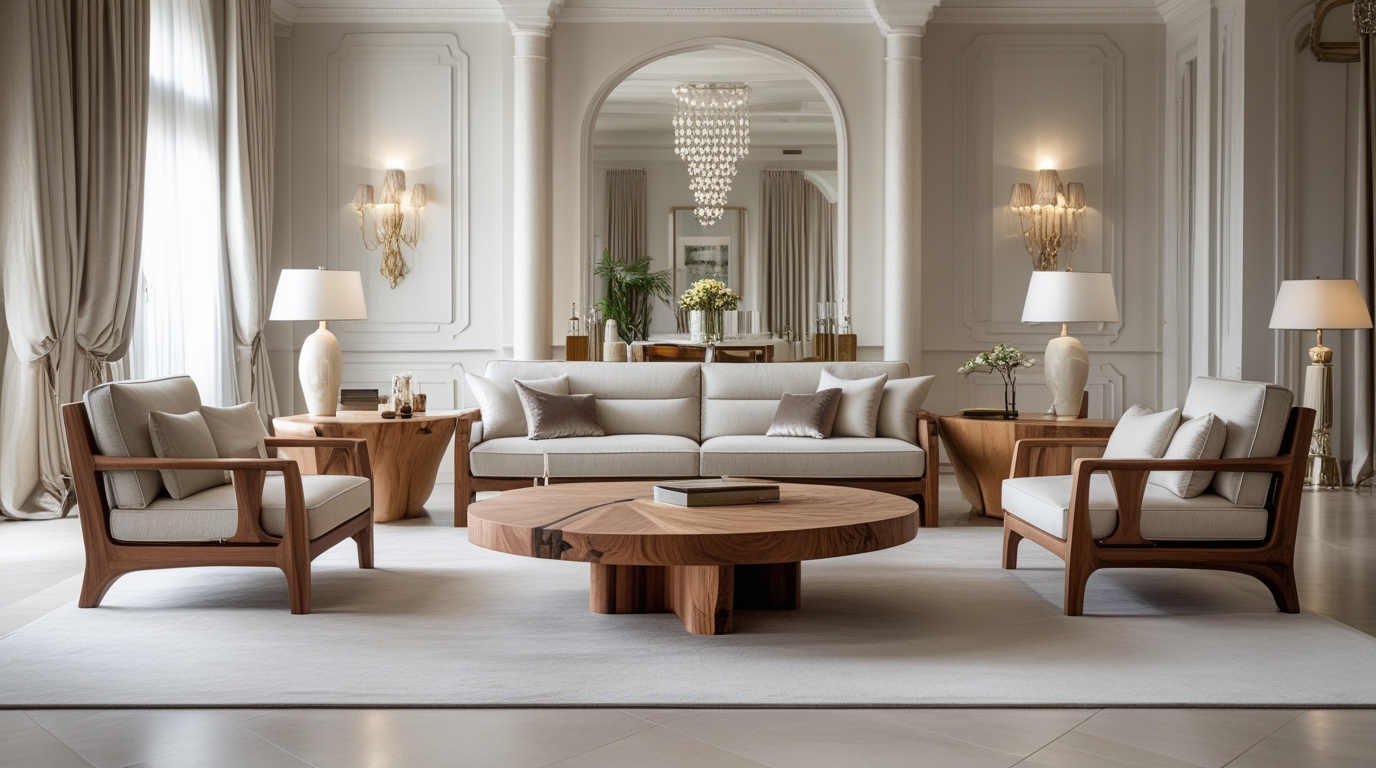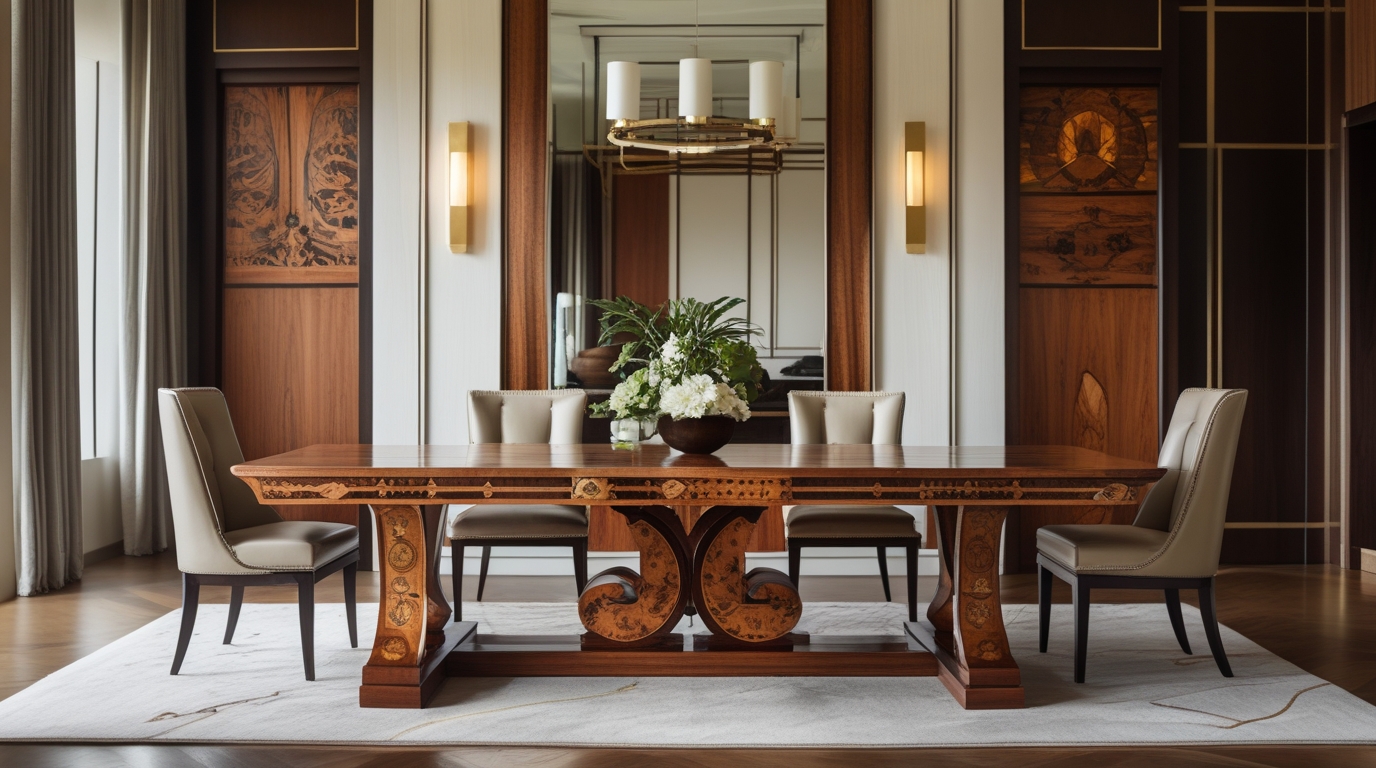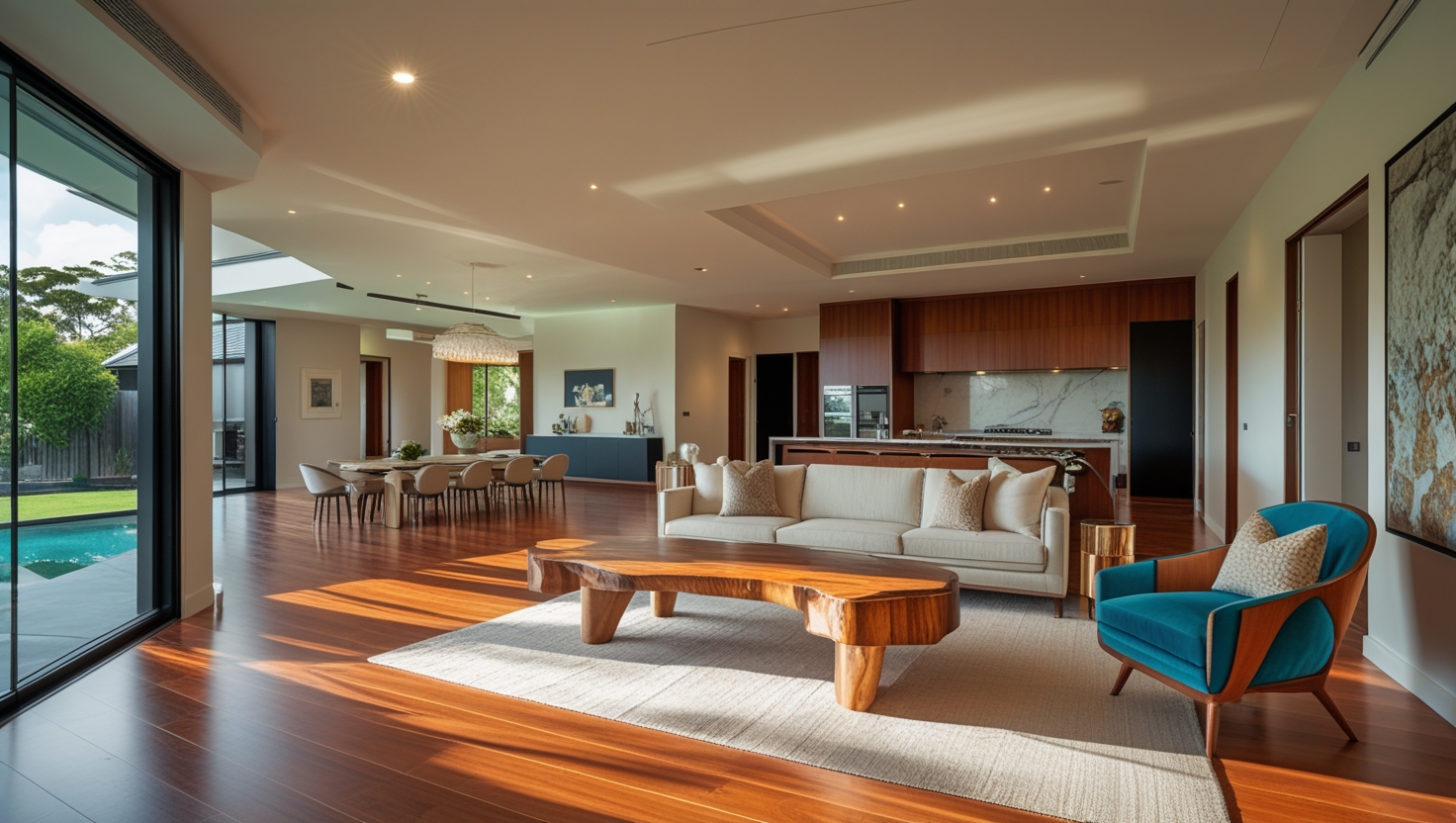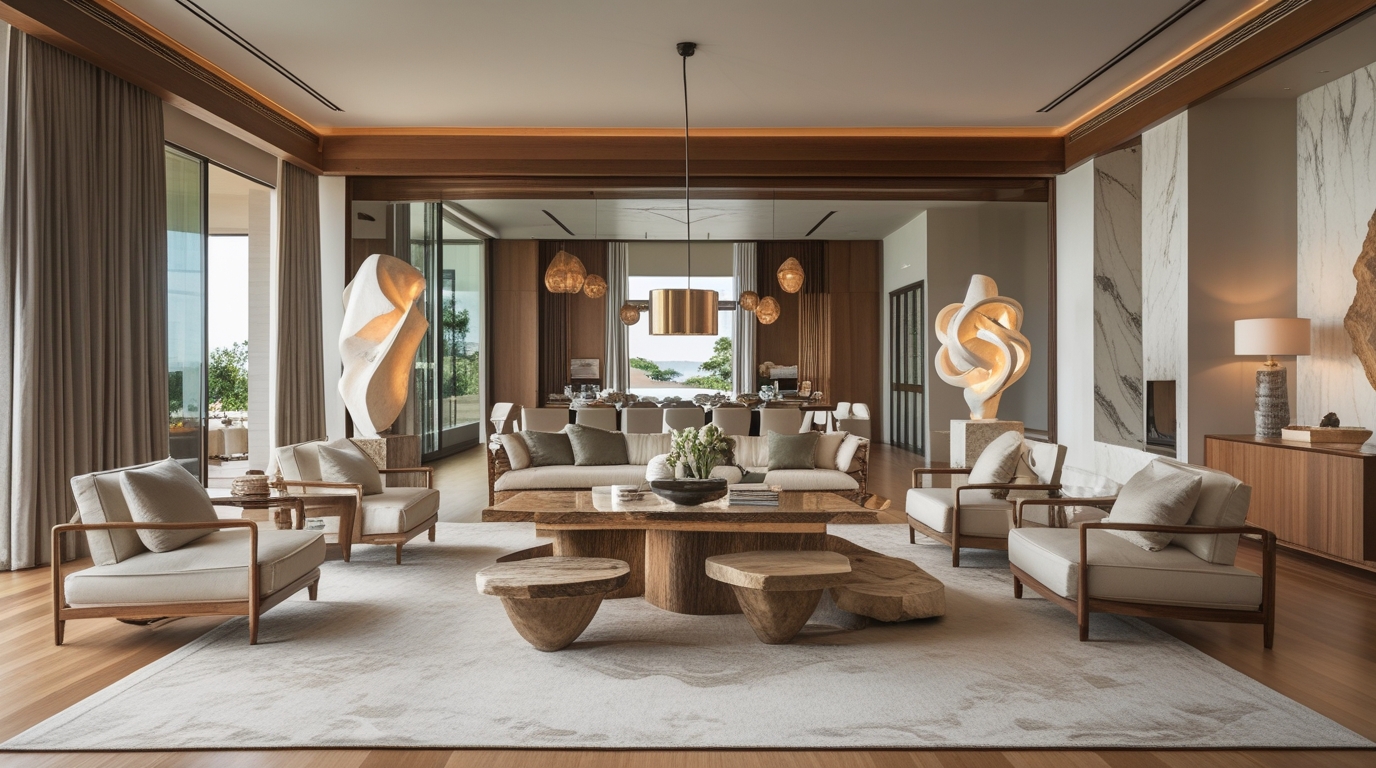
Creating a truly cohesive home has always been about more than simply selecting beautiful furniture pieces or decorating with the latest trends. The most memorable Australian homes—whether a Federation classic, a Hamptons-inspired coastal retreat, or a modern architectural masterpiece—achieve something deeper: a sense of continuity. It’s the feeling that every room belongs to one larger story.
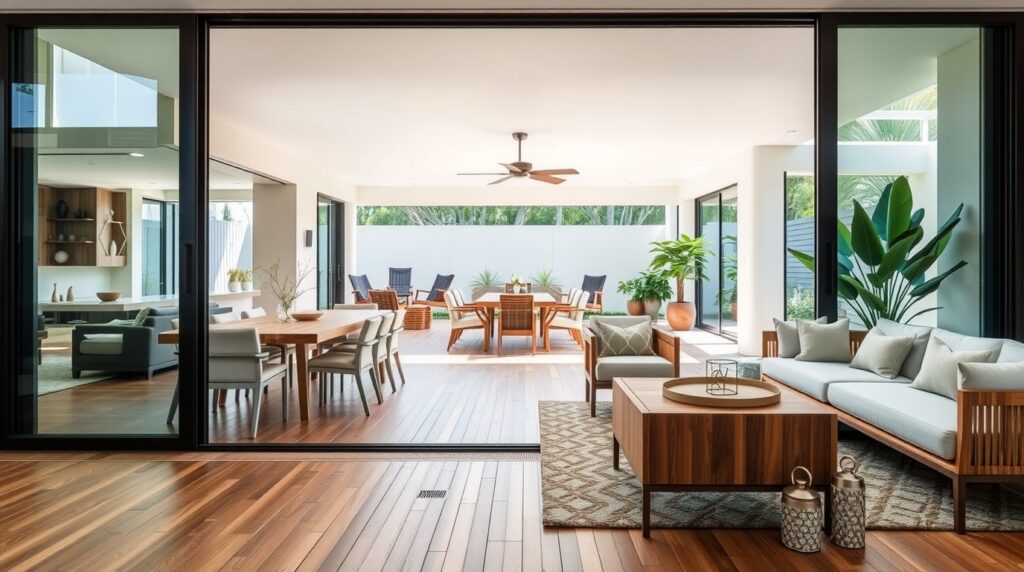
In recent years, the idea of designing continuity has evolved into a major movement, especially as homeowners have embraced alfresco living as an essential extension of their indoor lifestyle. The modern Australian home no longer stops at the back door; it flows naturally into outdoor dining spaces, lounges, and gardens that mirror the aesthetic values inside.
This article explores the full art and science behind extending indoor aesthetics into alfresco settings. It blends practical design guidance with the kinds of personalised, luxury-driven considerations that homeowners now expect. For today’s discerning buyers—especially those investing in high-end outdoor furniture – continuity is a hallmark of taste and a defining feature of luxury.
The Evolution of Indoor–Outdoor Living in Australia
Australia has long had one of the world’s strongest traditions of outdoor living. Our climate, coastline, lifestyle values, and architecture naturally encourage time spent outside, from casual barbecues to elegant summer entertaining. Yet the last decade has reshaped how homeowners think about alfresco living. Outdoor areas are no longer secondary spaces—they are integral parts of the home.
Several trends underpin this evolution:
- The rise of luxury outdoor furniture
With weather-resistant fabrics, sculptural aluminium frames, and customisable finishes, outdoor pieces now have the sophistication once reserved for interior furniture. This has blurred the divide between indoor and outdoor design.
- Architectural emphasis on seamless transitions
Sliding glass doors, frameless stacking systems, outdoor kitchens, and covered dining zones have made indoor–outdoor continuity both possible and desirable. - Personalisation as a cornerstone of modern living
Today, homeowners want every part of their home—inside and out—to communicate who they are. This requires thoughtful colour palettes, cohesive materials, and design decisions that honour their individual style. - Increased time spent at home
Recent years have highlighted the value of private sanctuaries, shifting the focus toward long-term liveability rather than short-term aesthetics.
Because of this shift, alfresco dining spaces are now some of the most important “rooms” in the house. They are no longer functional add-ons but genuine extensions of a home’s identity.
Why Continuity Matters: The Psychology of a Cohesive Home
A cohesive indoor–outdoor aesthetic creates a sense of order, calm, and refinement. When colours, materials, and proportions align, the home feels intentional—an architectural narrative rather than a collection of isolated rooms.
The psychological benefits include:
- Increased relaxation
Spaces that flow naturally are easier for the mind to process. Visual harmony lowers cognitive load and enhances calm.
- Greater perceived value
Homes with cohesive indoor–outdoor styling appear more premium and thoughtfully designed, often aligning with top-tier architectural builds. - Enhanced hosting and entertaining
Guests intuitively recognise a well-designed environment. A seamless transition from indoor dining to alfresco dining sets creates a memorable experience. - A sense of place and identity
Continuity reinforces the idea that the home is a personalised sanctuary, reflecting the homeowner’s taste and lifestyle preferences.
Luxury homeowners increasingly prioritise identity and legacy in their design decisions. Designing continuity ensures every space—whether a timber-lined dining room or an outdoor lounge positioned beside a swimming pool—tells one unified story.
How to Create a Cohesive Indoor–Outdoor Design Language
Achieving seamless continuity doesn’t happen by accident. It requires intentional decisions centred on style, colour palette, materials, layout, and proportion. Below are the professional design principles used by stylists, high-end builders, and luxury furniture designers.
1. Begin With a Home-Wide Aesthetic Vision
Before selecting furniture or finishes, homeowners should define their overarching style. Whether it’s Modern Coastal, Minimalist Luxury, Urban Contemporary, Mediterranean Resort, or Classic Australian, everything stems from this vision. A strong aesthetic vision guides material selection, colour continuity, silhouettes, lighting, textures, and layout decisions. Without this, indoor and outdoor spaces appear disconnected.
2. Establish a Consistent Colour Palette
Colour is the most powerful tool for continuity. Professional stylists recommend choosing:
- A Primary Colour – The foundation tone for walls, flooring, and main furniture pieces.
- Secondary Colours (1–2) – Complementary shades used in occasional furniture, décor, and cabinetry.
- Accent Colours – Bold hues used sparingly to personalise the space.
Outdoor areas should reflect the same palette family—not necessarily identical shades, but a coordinated extension. For example, if the indoor dining room features walnut timber and warm whites, then the outdoor dining suite might use soft beige cushions with teak or aluminium in a warm neutral tone.
3. Match Materials and Finishes Wherever Possible
Material consistency creates immediate cohesion. The most effective ways to carry materials outdoors include:
- Timber to teak
- Indoor fabric tones to weatherproof outdoor fabrics
- Stone benchtops to outdoor ceramic or composite finishes
- Stainless or black metal accents to powder-coated aluminium frames
4. Carry Interior Shapes to the Exterior
Shapes communicate style just as strongly as colours. For example, curved indoor sofas translate beautifully to curved outdoor lounges, and minimalist dining tables pair naturally with sleek, low-profile outdoor dining sets. This approach strengthens continuity and avoids jarring transitions.
5. Use Flooring as a Unifying Anchor
Flooring is one of the most powerful tools in indoor–outdoor design. Options include extending porcelain tiles outside, matching tones between engineered timber and composite decking, or using complementary outdoor rugs to echo indoor textures.
6. Align Indoor and Outdoor Furniture Proportions
Even the most beautiful furniture can look out of place if the proportions don’t match. Large indoor rooms may require wide outdoor lounges, while compact interiors pair better with slimline alfresco furniture. Matching scale ensures a visual rhythm.
7. Create a Logical Flow With Layout
Designing continuity also means designing movement. An outdoor space should feel like a natural extension of indoor living areas. Dining should flow to dining, lounge to lounge, and kitchens should connect to outdoor cooking zones. When spaces mirror each other functionally, they feel like chapters in the same story.
8. Make Lighting Consistent
Warm, soft lighting indoors should be reflected with warm outdoor lighting—whether in pendants, wall lights, bollards, or lanterns. Sharp white lighting outdoors breaks continuity and creates visual tension.
9. Incorporate Greenery and Natural Texture
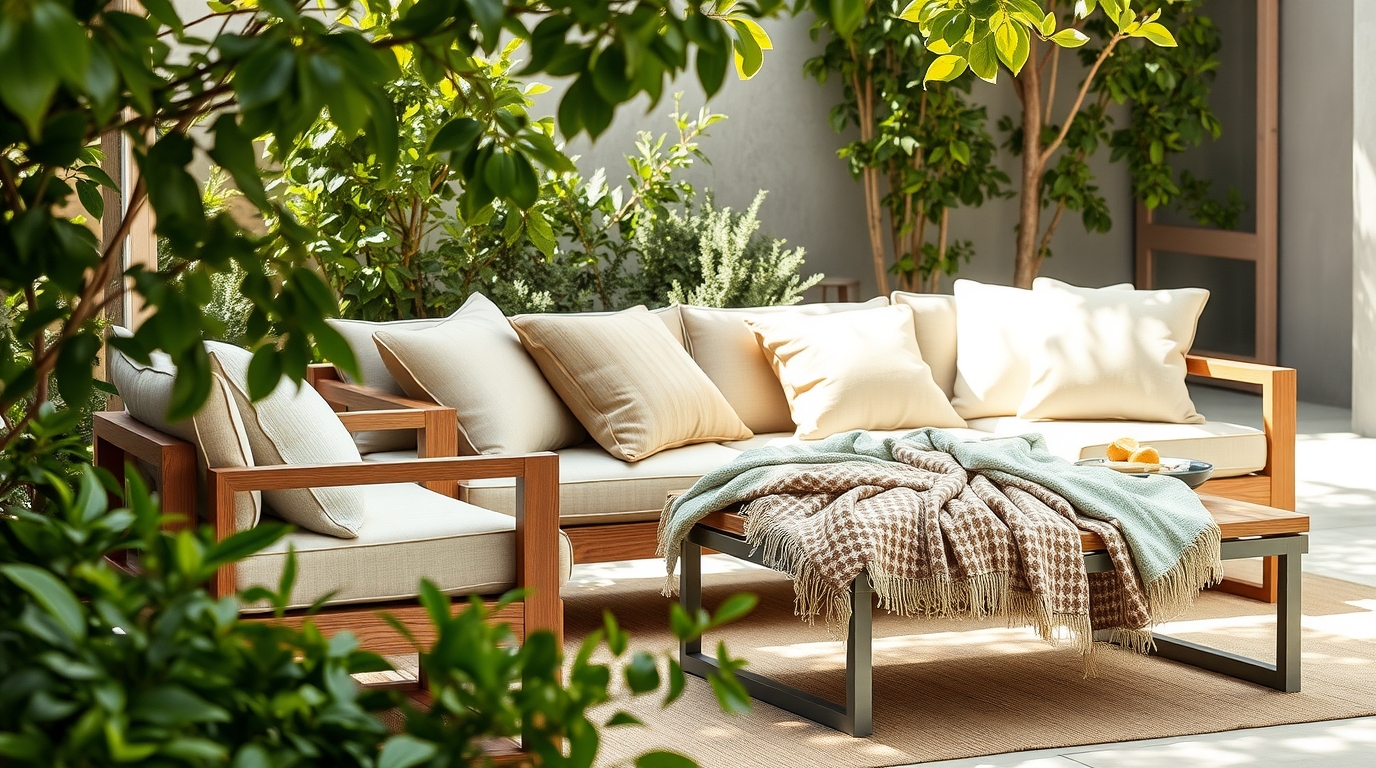
Plants and natural textures soften transitions, making outdoor spaces feel more connected to interior living areas. Linen-inspired outdoor cushions, woven accessories, and organic shapes create subtle flow.
The Role of Personalised Outdoor Furniture in Creating Continuity
This is where personalisation becomes powerful. In high-end outdoor design, customisable components allow homeowners to tailor pieces so they perfectly mirror indoor aesthetics. Customisation options include fabric colour and texture, aluminium frame colours, timber tone, cushion density, arm styles, and table dimensions. Australian homeowners increasingly want bespoke pieces that match the home’s interior design language, ensuring unity and sophistication.
How to Style the Perfect Indoor–Outdoor Dining Experience
Styling is the final layer that transforms architectural flow into emotional connection. Professional tips include:
- Choose tableware that echoes indoor colours
- Layer outdoor tables with linen, ceramics, and centrepieces
- Integrate soft furnishings—outdoor cushions, throws, and rugs
- Use lanterns or candles for warm ambience
- Incorporate planters that mirror indoor greenery
The Future of Continuous Living Design
The next wave of high-end home design will centre even more strongly on personalised outdoor pieces, colour-bundled alfresco collections, and integrated living spaces with a resort-style feel. Homes will continue to prioritise coordinated aesthetics where every room feels connected to the next.
For homeowners wanting the ultimate continuity between indoor aesthetics and alfresco living, custom outdoor furniture is the most powerful design tool. Explore a vast selection of premium, fully customisable outdoor dining and lounge pieces at: www.theexclusivehome.com.au