Personalised home décor occupies an interesting position in e-commerce. Customers are not simply choosing a finished product from a catalogue. They may be selecting colours, materials, dimensions, finishes, names, photographs, messages or other details that turn a standard product into something intended for a particular person, room or occasion.
That makes the online buying experience more demanding.
A customer purchasing a ready-made cushion, print or wall decoration can often make a decision from a photograph, price and short description. A personalised product requires more information before the customer feels confident enough to order. They need to understand what can be changed, what the finished product may look like, how much each option costs, how long production will take and whether the final item can be returned or changed.
For home décor businesses, this means an e-commerce website should do more than display attractive products. It needs to make personalisation feel straightforward, understandable and worthwhile.
A well-designed online experience can help customers move from inspiration to configuration and finally to purchase without unnecessary uncertainty. It can also help a brand communicate the craftsmanship, design thinking and individuality behind its products.
For businesses selling personalised home décor, the product page is therefore not simply a sales page. It is part catalogue, part design tool, part reassurance mechanism and part buying guide.
Understand What Makes Personalised Home Décor Different
Personalised products create a different buying journey from conventional e-commerce products.
A standard product might have one fixed price, one set of specifications and a limited number of stock variations. Personalised décor can involve multiple decisions.
A customer might need to choose:
- Product size
- Colour
- Material
- Frame or finish
- Personal text
- Name or initials
- Photograph
- Pattern
- Layout
- Quantity
- Gift packaging
- Delivery requirements
The challenge is not simply providing all of these options. It is presenting them in a way that does not make the customer feel that ordering the product is complicated.
This is particularly important for home décor because customers often have a specific visual outcome in mind. They may be trying to coordinate an item with an existing room, match a colour scheme or create something meaningful for a particular person.
The website therefore needs to bridge the gap between the customer’s idea and the physical product.
A useful question for every personalised product page is:
Can the customer understand exactly what they are buying before they commit to the order?
If the answer is unclear, the website is likely creating unnecessary friction.
Start With the Customer’s Intended Outcome
Personalisation should not begin with a list of technical options.
It should begin with what the customer wants to achieve.
For example, a personalised wall print may be presented as a collection of technical choices:
- A3 or A2
- Black or white frame
- Matte or gloss
- Text field
- Font selection
That information is necessary, but it does not immediately communicate the purpose of the product.
The customer may actually be looking for:
- A personalised nursery decoration
- A meaningful wedding gift
- A family name print
- A housewarming present
- A statement piece for a living room
- A personalised memorial item
- A coordinated set of bedroom décor
The e-commerce experience should connect the configuration options with those real-world purposes.
Product photography can help. So can examples showing different personalisation choices in finished rooms.
The aim is to help customers understand not only what they can customise, but why those choices matter.
This becomes particularly valuable when a product has a higher price or involves a significant emotional purchase.
Build Product Pages Around the Personalisation Process
The product page should make the personalisation process easy to understand.
Rather than presenting every option as an undifferentiated collection of dropdown menus, structure the experience logically.
A possible sequence could be:
1. Choose the product
Show the main product clearly, with a concise description of its purpose and design.
2. Choose the main variation
This could be size, colour, material or another major product characteristic.
3. Add personalisation
Allow the customer to enter names, dates, messages, photographs or other relevant information.
4. Preview the result
Where technically practical, show how the selected options affect the finished product.
5. Confirm production details
Explain what happens after the order is submitted.
6. Add to cart
The customer should have a clear understanding of the final configuration and price before completing the purchase.
This structure reduces the cognitive burden created by personalisation.
Google’s documentation also supports clear handling of product variants, including situations where variants are selected on a single product page and information such as image, price and availability changes dynamically.
The exact technical implementation will vary by business, but the underlying principle is important: the customer should be able to understand which version of the product they are purchasing.
Make Personalisation Options Easy to Compare
Personalisation can quickly become confusing when options are poorly presented.
Suppose a customer is choosing between four frame colours. A text-only dropdown forces them to remember what each option looks like.
Visual selection is often more appropriate for visually driven home décor.
Where possible, businesses can use:
- Colour swatches
- Material samples
- Thumbnail images
- Room examples
- Finish comparisons
- Size diagrams
- Before-and-after previews
The interface should also make the selected option obvious.
This matters because personalised products can contain several dependent choices. A customer might select one frame, change the artwork size, then discover that a particular frame is unavailable at that size.
The interface needs to communicate those relationships clearly rather than leaving the customer to discover them through trial and error.
Baymard’s product-page research identifies product variations and personalisation as distinct areas of e-commerce UX, alongside product information, imagery, shipping, returns and reviews. Its research also emphasises the importance of helping users successfully interact with product pages before purchasing.
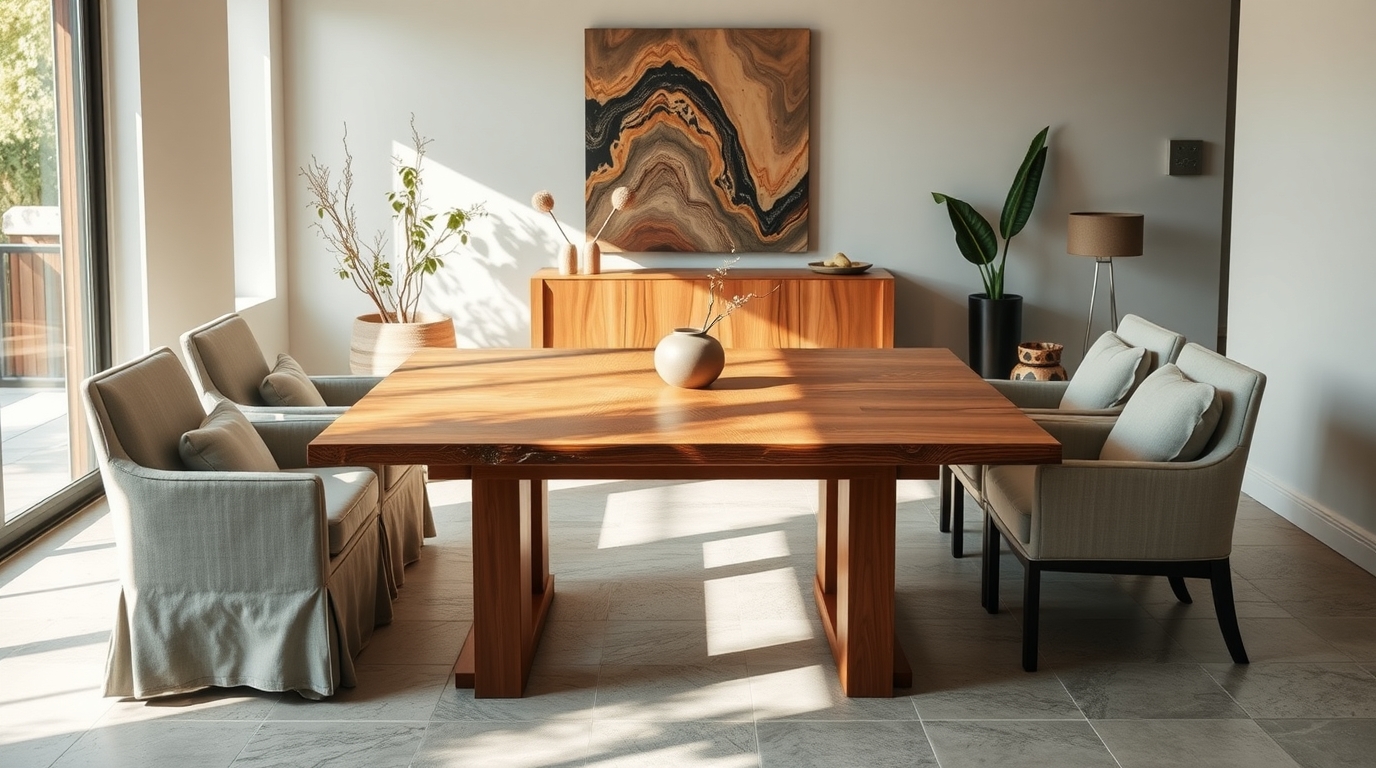
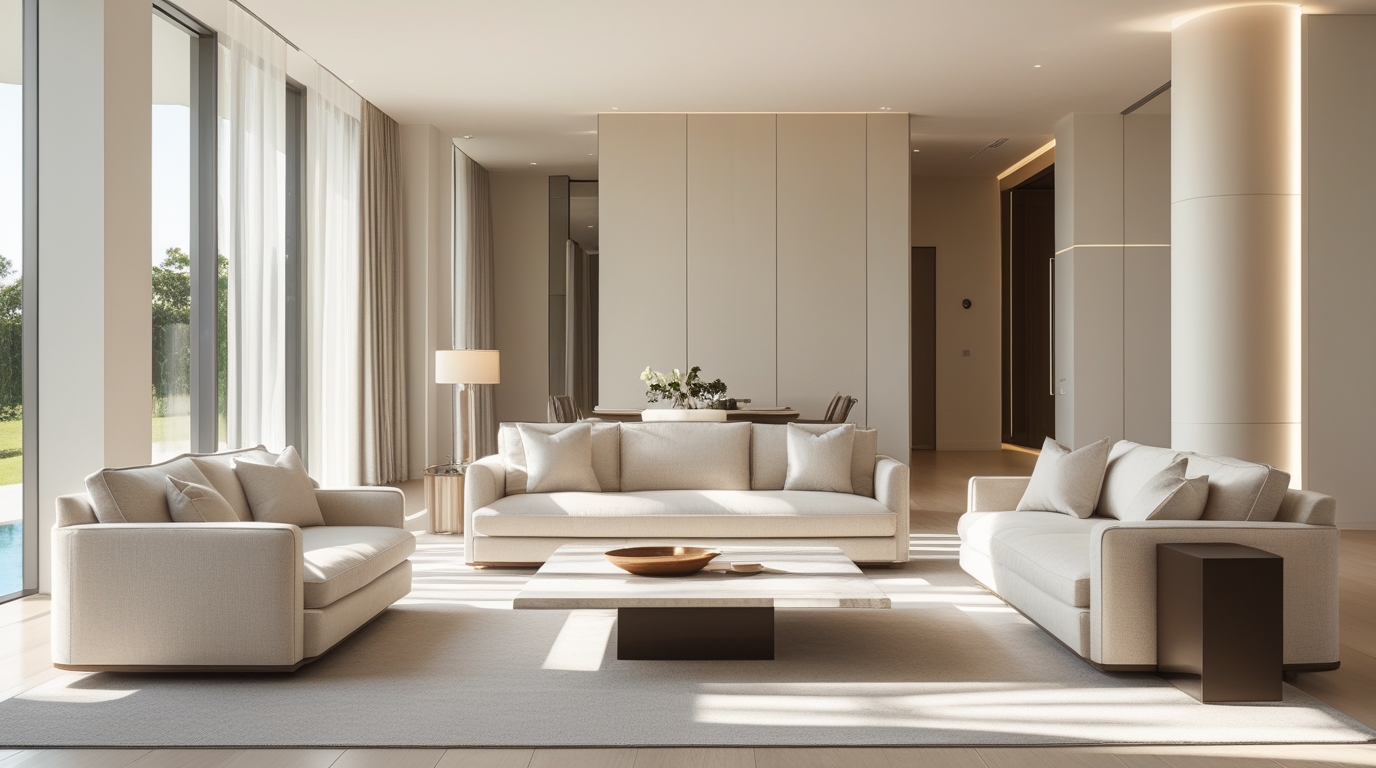
Show the Product in a Real Home Environment
Personalised home décor is highly visual.
A plain product photograph on a white background can show what an item is, but it may not show what it will feel like in the customer’s home.
Use a mixture of product and contextual imagery.
For example:
- A framed personalised print above a sofa
- Custom cushions arranged on a bed
- Personalised artwork in a nursery
- Family name signage in an entryway
- Custom wall art in a dining room
- Personalised accessories styled on shelving
The purpose is not simply aesthetic.
Contextual photography helps answer practical questions.
Will the artwork look too large?
Will the colours work with neutral furniture?
Does the frame look contemporary or traditional?
How does the product look alongside other décor?
Where might the customer place it?
For premium products, high-quality imagery also contributes to perceptions of craftsmanship and value.
A useful product image sequence might therefore include:
- Main product image
- Close-up detail
- Personalisation example
- Alternative configuration
- Product in a room
- Scale reference
- Packaging, if relevant
- Short product video, where useful
The website should not rely on a single hero photograph to answer every question.
Give Customers a Meaningful Preview
For many personalised products, the ability to preview the finished item can be one of the most useful elements of the e-commerce experience.
Consider a customer entering:
Emma & Daniel
12 October 2026
If the website can show how those details will appear on the finished artwork, the customer has more confidence than if they simply enter the information into a text box.
The preview does not necessarily need to be highly sophisticated.
Even a basic dynamic representation can help customers understand:
- Text placement
- Font choice
- Colour
- Image placement
- Overall proportions
- Selected frame or finish
For more advanced businesses, real-time visual configuration may allow customers to experiment with multiple versions before choosing one.
However, businesses should avoid introducing a customisation tool simply because the technology is available.
A complicated configurator can become a barrier rather than an advantage.
The appropriate level of interactivity depends on the product.
A product with two or three meaningful choices may need only clear swatches and a simple preview. A highly customisable piece may justify a more advanced configuration interface.
The commercial objective is not maximum functionality. It is greater purchase confidence with minimum unnecessary effort.
Explain What the Customer Will Actually Receive
Personalised products require unusually clear descriptions.
A customer should not have to infer what is included.
The product page should clearly explain:
- Product dimensions
- Materials
- Finish
- Personalisation options
- Maximum character limits
- Image requirements
- Production method where relevant
- Packaging
- Delivery timeframe
- Care instructions
- Whether colours may vary
- Whether the final product is handmade or machine produced
- What happens if submitted artwork is unsuitable
If customers need to upload an image, explain the requirements before they reach checkout.
For example, if low-resolution photographs may produce poor results, say so.
If certain text cannot be accommodated because of character limits, explain that before the customer submits the order.
If a personalised product is made specifically for the purchaser and cannot normally be returned under the business’s stated terms, this should be communicated clearly rather than hidden until after purchase.
Good product information reduces customer uncertainty and can reduce avoidable support enquiries.
Baymard’s product-page research similarly identifies product descriptions, specifications, shipping and returns as important parts of the product-page experience.
Treat Pricing as Part of the Personalisation Experience
Personalisation can make pricing more complicated.
A product might start at $65, but the final configuration could cost $95 after selecting a larger size, premium material and additional personalisation.
The website should make this progression obvious.
Avoid creating a situation where customers spend several minutes configuring a product only to discover the final price at the end.
Instead, where possible, show the price updating as selections change.
For example:
Base price: $65
Large size: +$15
Premium frame: +$20
Gift packaging: +$8
Total: $108
This gives the customer control over the decision.
It also helps them understand why the price changes.
For premium home décor, this transparency is particularly important. A higher price can be justified by materials, craftsmanship, scale or additional custom work, but the customer needs enough information to understand what they are paying for.
Make Delivery Expectations Extremely Clear
Personalised products introduce a production stage that standard stocked products may not have.
That makes delivery information particularly important.
A business should distinguish between:
Production time
and
Delivery time
For example:
Made to order within 5 to 7 business days. Delivery generally takes an additional 2 to 4 business days.
The exact timeframe will depend on the business and its delivery arrangements.
Avoid vague wording such as “ships soon” when customers are ordering products for birthdays, weddings, Christmas or other fixed occasions.
Personalised products can also require approval of proofs, image preparation or customer confirmation.
If the process involves these steps, explain them.
The customer should know what happens after pressing “Buy”.
That information becomes part of the product itself because delivery expectations influence whether a customer feels comfortable placing the order.
Address the Risk of Ordering Something Personalised Online
Customers can be more hesitant with personalised products because the final item cannot always be visualised perfectly before production.
The website needs to reduce that uncertainty.
Useful trust elements include:
Customer reviews
Genuine reviews can show what customers thought about quality, personalisation accuracy, packaging and delivery.
Finished customer photographs
Where customers have provided permission, real photographs can demonstrate what the products look like outside the controlled environment of professional photography.
Clear personalisation instructions
Show customers exactly how to provide names, photographs or other information.
Proofing
If the business offers digital proofs before production, explain when and how they are provided.
Production information
A concise explanation of how products are made can communicate expertise and craftsmanship.
Clear policies
Shipping, returns, cancellations and personalised-product conditions should be easy to find.
These elements are particularly valuable for businesses selling products that have emotional or gift-related significance.
Design for Mobile Personalisation
A personalised home décor website needs to work on mobile devices.
This is more than a responsive layout.
The personalisation process itself needs to remain manageable on a smaller screen.
Consider how the following behave on mobile:
- Image galleries
- Colour swatches
- Size selection
- Text fields
- File uploads
- Preview tools
- Price updates
- Quantity controls
- Add-to-cart buttons
- Delivery information
- Product descriptions
A desktop configurator with ten options may become frustrating when squeezed onto a phone.
The interface should therefore prioritise the most important information and make each step obvious.
Baymard’s current product-page research continues to identify substantial UX differences between desktop and mobile e-commerce experiences, reinforcing the importance of evaluating product pages specifically on smaller screens rather than assuming that a desktop design will translate effectively.
Mobile customers should not need to repeatedly scroll through the entire page to check what they have selected.
A sticky purchase area or persistent summary can be useful where appropriate.
Make Category Pages Useful Before Customers Reach the Product Page
The product page is important, but the shopping experience begins earlier.
Customers need to find relevant products quickly.
For a personalised home décor store, category organisation could include:
- Personalised Wall Art
- Custom Cushions
- Personalised Gifts
- Family Name Décor
- Nursery Décor
- Wedding Décor
- Custom Home Accessories
- Personalised Prints
The exact categories should reflect the business’s actual products and customer behaviour.
Filters can also help customers narrow choices by:
- Room
- Product type
- Size
- Colour
- Material
- Price
- Personalisation type
- Occasion
However, filtering should not become excessive.
Baymard’s research on e-commerce product lists highlights the importance of effective product finding, filtering and sorting because customers need to locate suitable products before they can evaluate or purchase them.
For home décor businesses, this is particularly important when the catalogue contains many visually similar products.
Use Search Intent to Shape Product and Category Content
Personalised home décor customers do not all search in the same way.
One customer may search:
personalised wall art
Another may search:
custom family name sign
Another might search:
personalised nursery print
And another may search:
custom wedding gift for couple
These searches reflect different needs.
An e-commerce website should therefore not depend entirely on product names.
Category pages and supporting content can target broader customer needs, while individual product pages provide the detail needed to purchase.
This creates a useful relationship between SEO and e-commerce.
A customer might discover a guide about choosing personalised artwork for a nursery, move into a relevant product category, and then reach a specific product page.
The website becomes part of the customer’s research process rather than simply a place where the final transaction occurs.
Create Content That Helps Customers Personalise With Confidence
Personalisation creates opportunities for useful content.
Instead of publishing generic blog posts, businesses can answer questions that arise naturally during the buying process.
Examples include:
- How to choose the right size for personalised wall art
- How to select colours for personalised home décor
- What photograph works best for custom prints
- How to choose a personalised housewarming gift
- Personalised nursery décor ideas
- How to style custom artwork in a neutral room
- What to consider when ordering made-to-measure décor
- How personalised artwork is produced
- How to care for framed personalised prints
This type of content can support both SEO and conversion.
It can also demonstrate expertise.
The strongest content does not simply repeat product descriptions. It helps customers make better decisions.
Use Cross-Selling Carefully
Personalised products often lend themselves to complementary purchases.
A customer purchasing custom wall art may also be interested in:
- Matching prints
- Complementary frames
- Additional sizes
- Gift packaging
- Coordinated cushions
- Related room décor
However, cross-selling should make sense.
Showing unrelated products can distract customers from completing their purchase.
The strongest recommendations are usually connected to the product or the customer’s likely project.
For example:
Complete the look
Could show three complementary pieces that work with the selected artwork.
Or:
Create a matching set
Could offer another personalised print using the same design system.
The objective is to help customers complete an idea, not simply increase the number of products displayed.
Use Personalisation to Strengthen the Brand
Personalised products provide an opportunity to differentiate an e-commerce business beyond price.
Two companies might both sell wall art, but their customer experience can be very different.
One might simply provide a product image and a “Customise” button.
Another could communicate:
- Design philosophy
- Material choices
- Craftsmanship
- Personalisation process
- Packaging
- Customer examples
- Styling ideas
- Brand story
This gives customers more reasons to choose the business beyond the physical product.
For premium home décor, this distinction matters.
The website should make the brand feel as considered as the products themselves.
Photography, typography, layout, copywriting and personalisation tools should all support the same positioning.
Build Trust Into the Checkout Journey
The customer should not reach checkout and suddenly encounter unfamiliar information.
Before completing the order, provide a clear summary of:
- Product
- Selected size
- Selected colour
- Material
- Personalisation
- Quantity
- Price
- Delivery estimate
If the customer uploaded a photograph or entered custom text, the order summary should make it clear that the information has been captured correctly where the platform allows.
This is particularly important for personalised products because an error can affect the finished item.
A final confirmation step can provide valuable reassurance:
Your personalised design
Name: Emma & Daniel
Date: 12 October 2026
Frame: Natural Oak
Size: A2
The customer should feel that they are confirming a deliberate configuration rather than simply pressing a generic checkout button.
Connect E-Commerce With Google Search
Personalised home décor businesses can benefit from making individual products understandable to search engines as well as customers.
Google recommends using product structured data on pages focused on individual products or variants, and its documentation explains how product variant information can be represented for e-commerce websites.
This is one part of a broader SEO approach.
The site should also have:
- Descriptive product titles
- Useful product descriptions
- Clear category architecture
- Relevant page headings
- Strong internal linking
- Search-friendly URLs
- High-quality product imagery
- Appropriate image alt text
- Accurate availability and pricing information
- Helpful supporting content
The objective is not to add keywords mechanically.
It is to make the website genuinely useful for people searching for personalised home décor.
Measure More Than Online Revenue
E-commerce reporting should extend beyond total sales.
A personalised home décor business should consider measuring:
- Product page views
- Configuration starts
- Personalisation completion
- Add-to-cart rate
- Checkout initiation
- Purchase rate
- Average order value
- Revenue by product
- Revenue by personalisation option
- Returns or cancellations
- Customer support enquiries
- Conversion rate by device
- Conversion rate by traffic source
- Repeat purchases
There may also be useful qualitative data.
For example, if customers repeatedly contact the business asking whether a certain photograph will work, that may indicate that the product page needs better guidance.
If customers abandon after selecting a particular option, investigate whether the pricing, availability or interface is creating uncertainty.
Analytics can identify where behaviour changes. Customer questions can help explain why.
Together, they provide a more useful picture of the e-commerce experience.
Avoid Making the Personalisation Tool the Main Attraction
Technology should serve the product.
It is easy to become overly focused on creating an impressive customisation interface.
But a technically sophisticated configurator does not automatically create a better shopping experience.
If the customer still does not understand:
- What the product looks like
- What materials are used
- How large it is
- How much it costs
- When it will arrive
- Whether it can be returned
- What happens after ordering
then the personalisation tool has not solved the fundamental problem.
The best e-commerce experiences make complexity feel manageable.
They do not necessarily eliminate choices. They organise them.
Common Mistakes With Personalised Home Décor E-Commerce
Several problems appear repeatedly in personalised product experiences.
Too many choices at once
A large number of options can overwhelm customers.
Group related decisions into logical stages.
Weak product imagery
Personalised products need enough imagery to demonstrate both the base product and possible outcomes.
Unclear pricing
Customers should understand how their selections affect the total.
Vague production times
Made-to-order products need realistic and visible production information.
Poor mobile configuration
A desktop-friendly customisation tool can become difficult to use on a phone.
Hidden personalisation restrictions
Character limits, image requirements and design limitations should be disclosed before purchase.
Generic product descriptions
Customers need practical information, not just adjectives such as “beautiful”, “unique” or “special”.
Weak trust signals
Reviews, customer examples, production information and policies should be easy to find.
Sending every customer to the same generic page
Product categories, landing pages and content should reflect different customer needs.
Treating personalisation as a gimmick
The customisation feature should improve the product and buying experience rather than exist simply because it looks impressive.
A Practical Framework for Building the Experience
For a home décor business developing or improving its personalised e-commerce store, the following framework provides a useful starting point.
Step 1: Identify the customer’s decisions
List every choice the customer needs to make before ordering.
Remove choices that do not genuinely add value.
Step 2: Define the ideal buying journey
Map the process from product discovery through personalisation, cart, checkout and delivery.
Identify where customers could become uncertain.
Step 3: Improve product information
Provide dimensions, materials, finishes, production information, care instructions and personalisation requirements.
Step 4: Upgrade visual presentation
Show the product from multiple angles and in realistic room environments.
Step 5: Simplify configuration
Group related choices and use visual selectors where appropriate.
Step 6: Add preview functionality where it provides genuine value
Do not add complexity simply for technological appeal.
Step 7: Clarify price and delivery
Show the effect of personalisation choices on total cost and explain production and delivery timeframes.
Step 8: Build trust
Use genuine reviews, customer photographs, clear policies and evidence of craftsmanship.
Step 9: Connect the store with SEO
Create useful category pages, product pages and supporting content around the language customers actually use.
Step 10: Measure and improve
Use analytics, customer feedback and support enquiries to identify friction and improve the experience over time.
E-Commerce Should Sell the Experience, Not Just the Product
Personalised home décor sits at the intersection of design, commerce and customer participation.
The customer is not simply buying an object. They are often making a series of decisions that determine what the finished object will become.
That makes the online experience particularly important.
A strong e-commerce website gives customers inspiration at the beginning, clear choices during personalisation, confidence before purchase and useful information after the order is placed.
The product page becomes more than a catalogue entry. It becomes the place where the customer understands the product, imagines it in their home, creates their version and decides whether the purchase feels worthwhile.
For home décor businesses, that creates an important commercial opportunity. Better e-commerce does not necessarily mean adding more features. It means removing uncertainty, presenting products effectively and making the path from personal idea to finished product easier to follow.
Personalisation should feel creative rather than complicated.
When the website achieves that balance, the e-commerce experience can reinforce the value of the product while giving customers a clearer reason to buy from the brand.
If your business operates in the home and lifestyle sector and you would like to improve the quality of your e-commerce experience, Home & Lifestyle Marketing Co can help you assess how your website, product presentation, SEO and digital marketing work together to support better customer journeys.
To learn more, please visit www.hlmco.com.au