How outdoor living became the new heart of the home
There was a time when outdoor space meant a barbecue, a patch of lawn, and a few deck chairs. Those days are long gone. Across Australia, outdoor design has evolved from simple poolside leisure to the defining signature of modern luxury homes. Where once the garden was separate, it is now an integrated extension of architecture—designed, furnished and curated with the same precision as any interior. This evolution of outdoor design reveals how Australians have redefined comfort and sophistication, turning the open air into a new kind of living room.
The early years: functionality over finesse
The Australian backyard of decades past was utilitarian. Concrete pavers, tubular steel chairs, and vinyl umbrellas spoke more of durability than design. Pools were status symbols rather than sanctuaries, and furniture was chosen for price, not proportion. The outdoor space served a single function—swimming, grilling, or playing—rather than an aesthetic or emotional one. It was practical, but it lacked poetry.
Yet even then, the seeds of change were sown. As architecture began to adopt open-plan layouts, Australians discovered how profoundly light and airflow shaped their wellbeing. Houses opened toward gardens, kitchens spilled into patios, and the outdoor lifestyle began to reflect not only necessity but aspiration.
The architectural revolution: dissolving boundaries
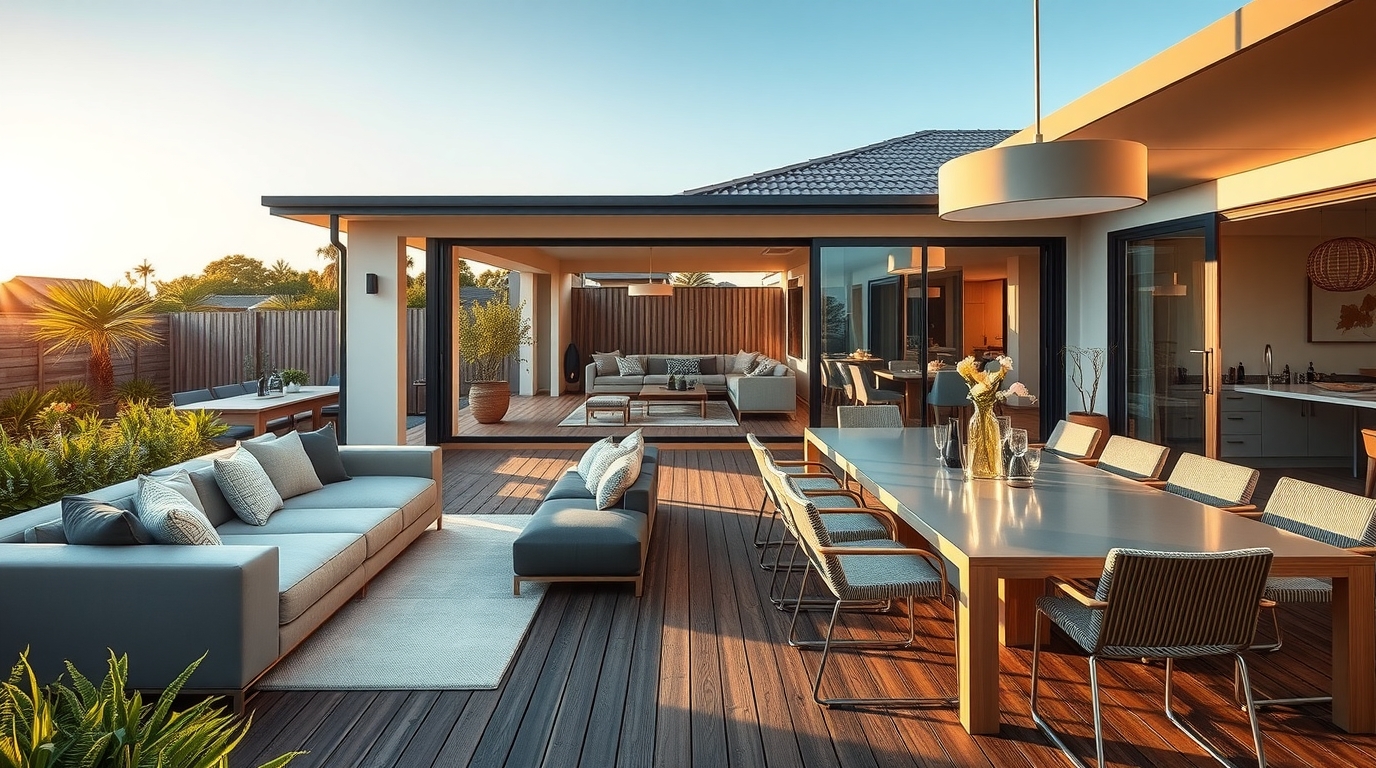
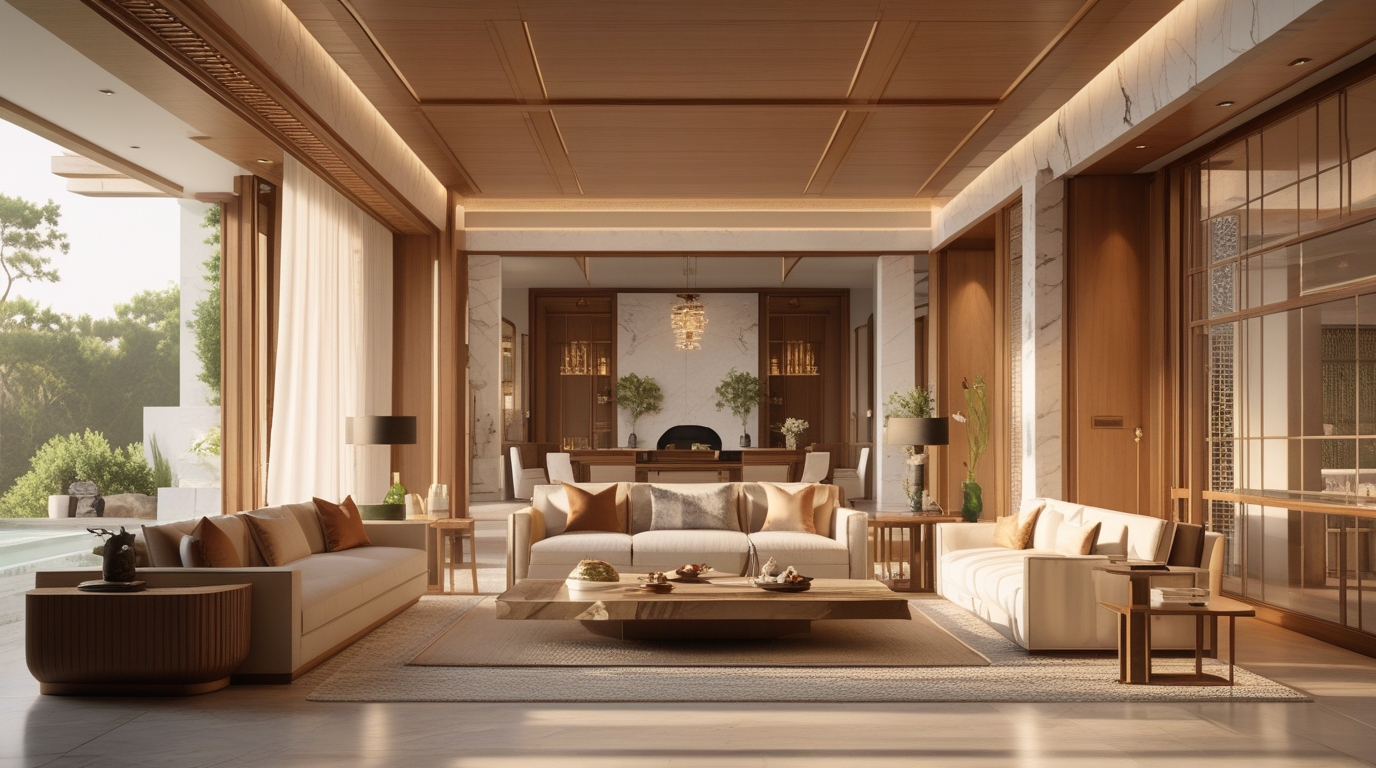
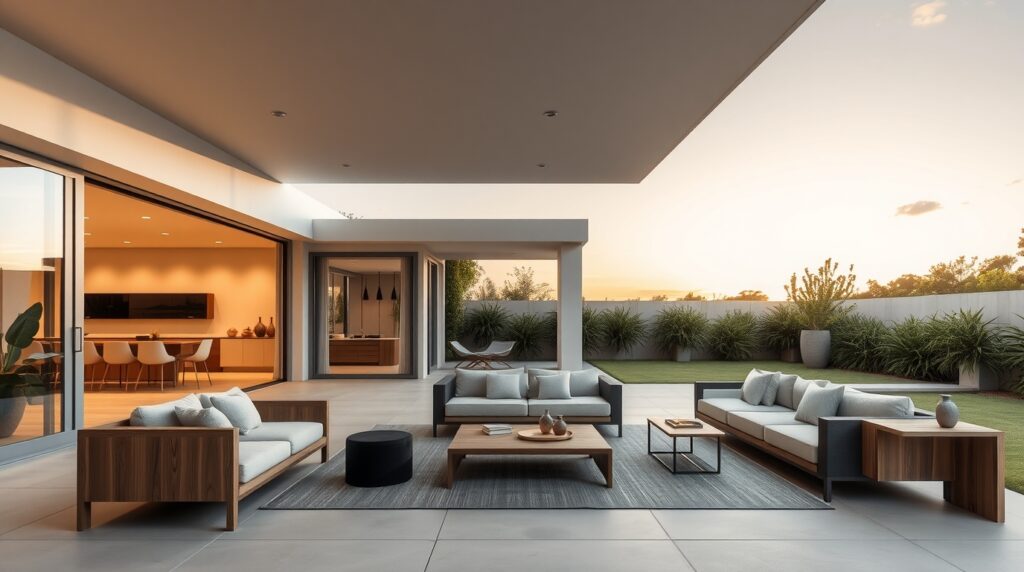
The real transformation arrived when architects erased the distinction between inside and out. Large sliding glass doors, continuous flooring, and covered verandas allowed a seamless visual and physical connection. The result was a new spatial language: the outdoor room. It invited furniture that matched the quality of interior pieces while meeting environmental demands. Dining tables became sculptural, lounges generous, lighting sophisticated. The once humble patio became a destination in its own right.
Modern architecture drove this shift by emphasising proportion and flow. Ceilings extended to frame alfresco zones; walls pivoted to reveal courtyards. The message was clear: outdoor living was no longer secondary. It was central to the Australian identity.
Material innovation: the foundation of durability and style
The evolution of outdoor design was made possible by advances in material science. Marine-grade aluminium replaced iron and steel, providing strength without rust. Kiln-dried teak brought warmth and natural beauty while surviving decades of weather. Powder coatings resisted UV fade, and fabrics like Olefin and solution-dyed acrylic offered softness once limited to indoor upholstery.
These materials expanded creative freedom. Designers could finally craft outdoor furniture that was light yet robust, elegant yet enduring. With performance textiles now available in hundreds of colours, the palette of outdoor living exploded. The luxury once confined to drawing rooms could at last exist under open skies.
Zoning: from single space to multi-sensory living
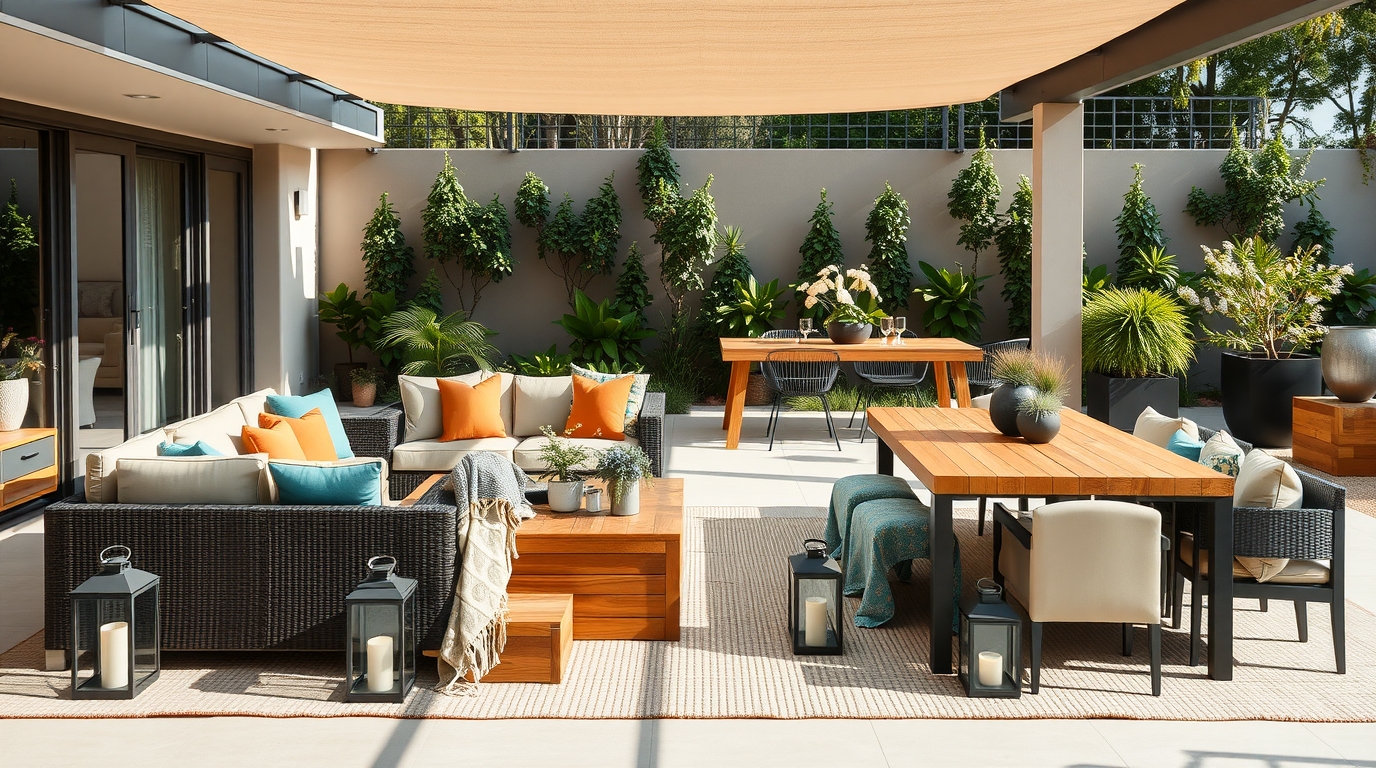
The concept of zoning revolutionised outdoor design. No longer limited to one purpose, modern landscapes are divided into carefully composed experiences. The pool area might flow into a dining terrace, which in turn connects to a lounge enclave or firepit. Each zone carries its own mood, defined by texture, proportion and light, yet all are united by a consistent material story.
A sophisticated outdoor environment is now layered—sun and shade, stone and timber, openness and enclosure. These contrasts create rhythm. They also elevate practicality into luxury: a space that adapts from morning solitude to evening celebration with effortless grace.
The pool’s new role: from focal point to framework
The pool remains iconic in Australian homes, but its symbolism has changed. Once a standalone showpiece, it is now one element within a larger composition. Designers integrate it through geometry and alignment, using reflective surfaces and level changes to connect water with architecture. Infinity edges extend sightlines into the landscape; internal benches invite conversation rather than exercise. The pool becomes part of a wider narrative—a mirror for the sky, a calm anchor for surrounding furniture and foliage.
Lighting: the invisible sculptor of sophistication
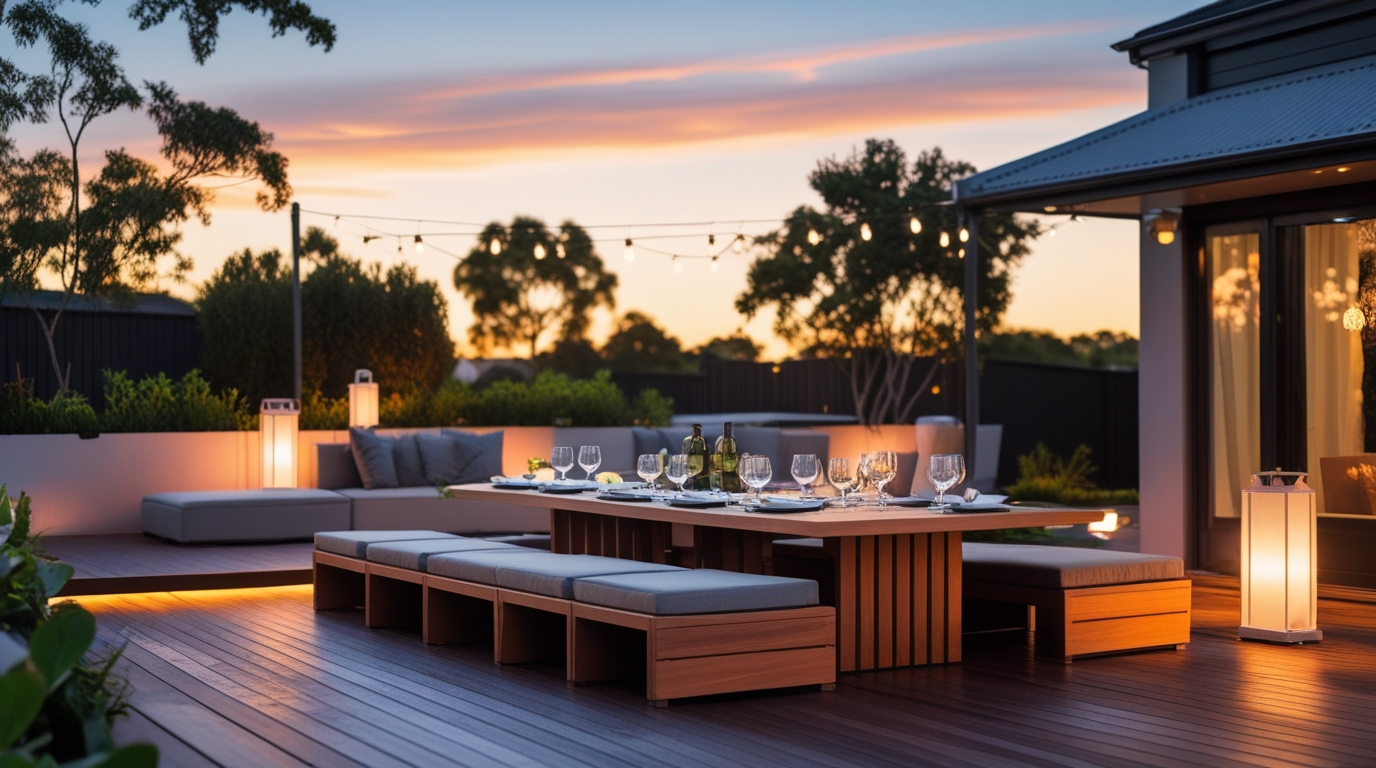
Lighting is perhaps the most underestimated element in outdoor evolution. Early outdoor lights were harsh or purely functional. Today, they are integral to mood and identity. Designers use light as sculpture: path markers for rhythm, pendant clusters for intimacy, hidden LEDs to wash walls and tree trunks.
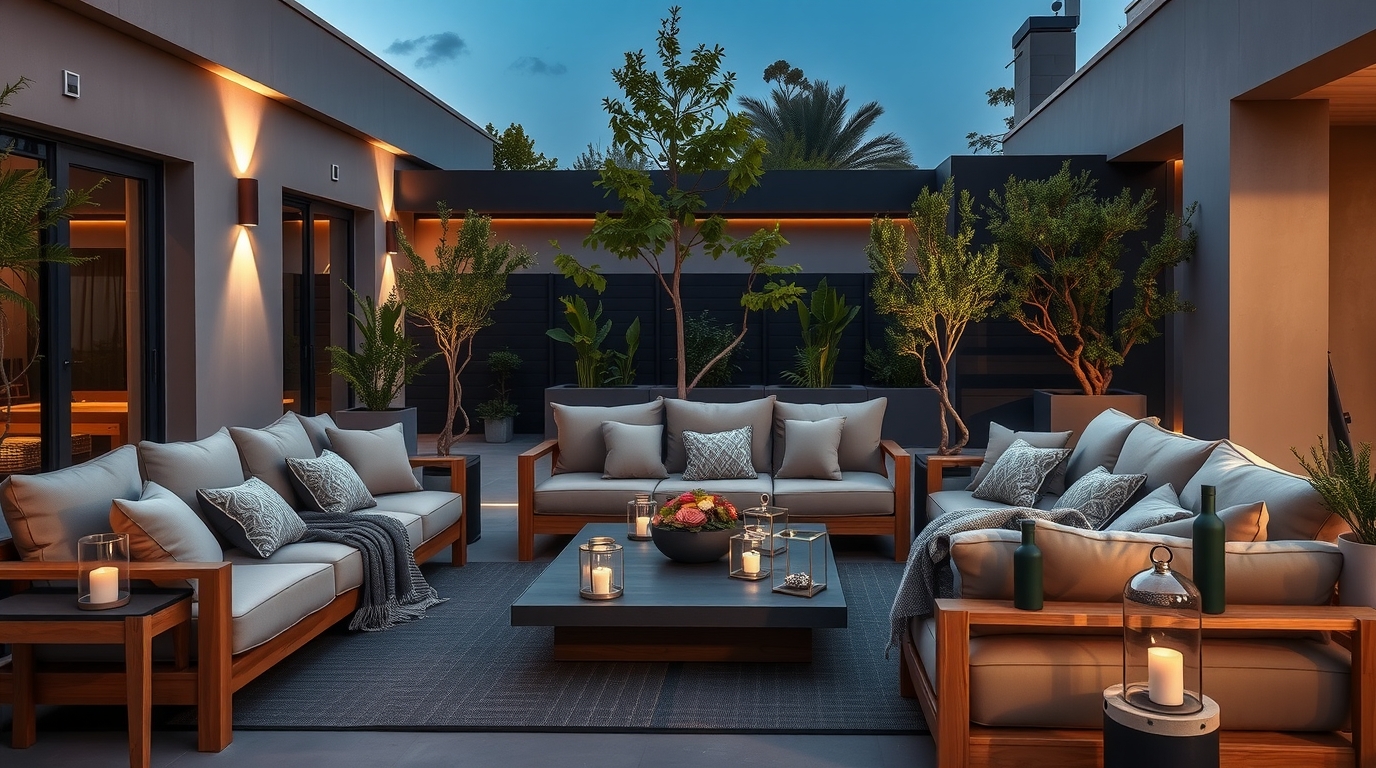
Warm tones create the ambience of candlelight; indirect fittings eliminate glare. The result is a layered evening environment that feels as deliberate as any indoor setting. The outdoor zone becomes theatre—inviting, atmospheric and alive long after sunset.
Colour and texture: a natural sophistication
The colour language of modern outdoor living is grounded in restraint. Sandstone, taupe, linen, charcoal and ocean blue dominate, punctuated by natural timber and matte metal. Gone are the bright plastics and glossy finishes of the past. The new palette reflects nature’s elegance and architectural subtlety.
Texture gives these tones life: rough-cut stone against smooth decking, woven fabrics beside polished tabletops. This interplay of tactile surfaces defines sophistication. It invites touch, softens structure and harmonises built and natural elements.
Furniture as architecture
One of the most profound changes in outdoor design is how furniture has become architectural. Sofas, daybeds and dining settings are now designed as extensions of the building itself. Their lines echo structural geometry; their proportions mirror indoor scale. Instead of moveable accessories, they are permanent features—built to define space as much as occupy it.
Curved lounge modules soften hard edges; low teak platforms extend floor planes outward; modular systems allow reconfiguration without visual clutter. Every piece serves a dual purpose: utility and artistry. When outdoor furniture is designed with architectural integrity, the boundary between construction and decoration disappears.
Technology and innovation discreetly integrated
Modern luxury embraces convenience through subtle technology. App-controlled lighting, hidden speakers, and retractable awnings integrate seamlessly. Electric radiant heaters disappear into ceilings; water features operate silently from smart systems. The aim is discretion: luxury that performs without announcing itself. This quiet sophistication typifies the new standard of Australian outdoor living—everything works, nothing intrudes.
Sustainability: conscience meets craft
As awareness grows, sustainability has become a defining pillar of outdoor design. Consumers demand FSC-certified timber, recyclable aluminium, and eco-friendly fabrics. Designers respond with local sourcing, modular construction, and recyclable packaging. Gardens now feature drought-tolerant natives that frame furniture beautifully while requiring minimal maintenance. Sustainable design is not a concession—it is modern elegance expressed ethically.
This union of conscience and craft ensures luxury is no longer wasteful. A teak chair that lasts twenty years, a modular sofa with replaceable covers, or a dining set that endures every season: these are not just design choices but moral ones.
The sensory experience: sound, scent and atmosphere
The evolution of outdoor design isn’t visual alone—it’s sensory. Water movement provides acoustic relief from urban noise. Fragrant plantings such as jasmine or rosemary evoke emotion and memory. Wind through ornamental grasses creates a whisper that balances stillness.
Sophisticated design considers these senses as equal to sight. It orchestrates an environment that engages the whole human experience. A well-designed outdoor setting doesn’t just look beautiful; it feels alive.
Regional interpretations across Australia
Outdoor design reflects geography.
- Queensland favours open pavilions, ceiling fans, and light-coloured fabrics that breathe in humidity.
- New South Wales blends coastal airiness with metropolitan elegance—sandstone underfoot, teak and linen at the table.
- Victoria leans toward enclosed courtyards with firepits, layered textures and darker palettes for winter warmth.
- South Australia embraces Mediterranean influences—terracotta, olive greens, and rustic metals in modern forms.
- Western Australia celebrates expanse: pale pavers, broad decking, and panoramic glazing that captures light.
Each state adds nuance, yet all share a preference for craftsmanship, natural materials and relaxed sophistication.
Outdoor kitchens and the culinary experience
Cooking has moved outdoors permanently. What began as a barbecue has become a culinary hub—complete with stone benchtops, integrated appliances, and designer lighting. The outdoor kitchen now mirrors the sophistication of its indoor counterpart, forming a central gathering zone for guests.
Matching cabinetry finishes and coordinated seating link the spaces visually. The line between chef and host dissolves as the setting transforms dining into an immersive experience. This convergence of cuisine and design is perhaps the most symbolic sign of outdoor evolution: eating, talking, and relaxing all flow together in one elegant rhythm.
Private sanctuaries within open landscapes
Sophisticated design values intimacy as much as openness. Architects now carve quiet corners into gardens—daybeds behind timber screens, reading chairs beneath pergolas, nooks framed by potted trees. These private retreats balance the grandeur of larger entertaining areas. The shift recognises that luxury isn’t only about display; it’s about personal restoration.
In high-density living, these micro-sanctuaries become precious—private yet connected, shaded yet sunlit, spaces designed for solitude and serenity.
Emotional geometry: design that feels right
Proportion governs emotion. Symmetrical arrangements calm the eye; gentle curves invite relaxation. Designers now use geometry to evoke specific responses. A long, narrow pool axis draws the gaze; circular seating encourages inclusion; repeated lines of planters or screens establish order. The invisible mathematics of design shapes mood, ensuring every outdoor environment feels intuitively balanced.
This emotional geometry is the true marker of sophistication: the ability to create spaces that people inhabit instinctively and remember fondly.
The importance of customisation and choice
The modern homeowner expects bespoke service. Size, finish, colour, and fabric are chosen, not assigned. The Exclusive Home has championed this philosophy, offering hundreds of fabrics, eight aluminium frame colours, and extensive modular configurations—without premium surcharges. This flexibility allows every design to express individuality while maintaining harmony with architecture.
A personalised approach also future-proofs the space. Clients can add matching pieces years later or adjust layouts as family needs evolve. Customisation ensures that evolution continues long after installation.
Design for all seasons
Outdoor sophistication means year-round usability. Adjustable shading, weatherproof cushions, and integrated heating allow comfort in any month. Summer dining flows into autumn lounging; winter evenings glow around firepits. Materials respond intelligently: quick-dry foam, non-absorbent fabrics, rustproof frames. Every detail supports continuous enjoyment.
The evolution of outdoor design, then, is about eliminating the notion of “outdoor season.” True luxury never closes for weather.
Maintenance made elegant
Ease of maintenance is integral to design. Smooth finishes resist dirt; removable covers simplify care; concealed drainage keeps cushions fresh. The best outdoor settings need minimal attention yet reward the owner with lasting beauty. Maintenance becomes an act of appreciation rather than obligation. In this philosophy, practicality and poetry coexist.
The economics of outdoor investment
Sophisticated outdoor design is an asset, not an indulgence. It adds measurable value to property and immeasurable pleasure to daily life. The cost of quality materials and craftsmanship pays back through longevity and resale appeal. Buyers immediately sense the difference between mass-market furniture and bespoke design. The evolution of outdoor space from expendable to essential has shifted the entire calculus of luxury—comfort and return now align.
Cultural influences and global exchange
Australian outdoor design stands at the crossroads of global influence. Mediterranean courtyards taught us shade and texture; Japanese gardens taught us restraint; Californian terraces taught us modular flow. Yet we’ve made these lessons our own. The Australian version of outdoor luxury combines precision with informality—spaces designed for conversation, not ceremony. This balance of global insight and local spirit defines our leadership in outdoor living worldwide.
The future: adaptive luxury and intelligent design
The next phase of evolution lies in adaptability. Modular pieces that transform between dining and lounging, smart pergolas that respond to weather, and solar-integrated lighting that operates off-grid. Sustainability will become sophistication’s twin. Expect recycled composites that mimic timber, fabrics woven from reclaimed ocean plastics, and frame coatings that self-heal under UV.
As technology recedes into invisibility, nature and craftsmanship will once again take centre stage. The most luxurious spaces of tomorrow will feel timeless because they will prioritise human experience over mechanical novelty.
Conclusion: from poolside to philosophy
Outdoor design in Australia has travelled far from its humble beginnings. What started as poolside recreation has become a holistic philosophy—an art form uniting architecture, landscape, craftsmanship and emotion. Today’s sophisticated living zones express comfort, conscience and creativity in equal measure.
They prove that true luxury is not about size or cost but about balance: between light and shadow, privacy and openness, nature and design. In this harmony, Australians have found their most authentic expression of modern life—where the outdoors is not an escape from the home, but the heart of it.
Redefine your connection to the outdoors with furniture that unites innovation, craftsmanship and enduring beauty. Discover the essence of sophisticated outdoor living at The Exclusive Home.