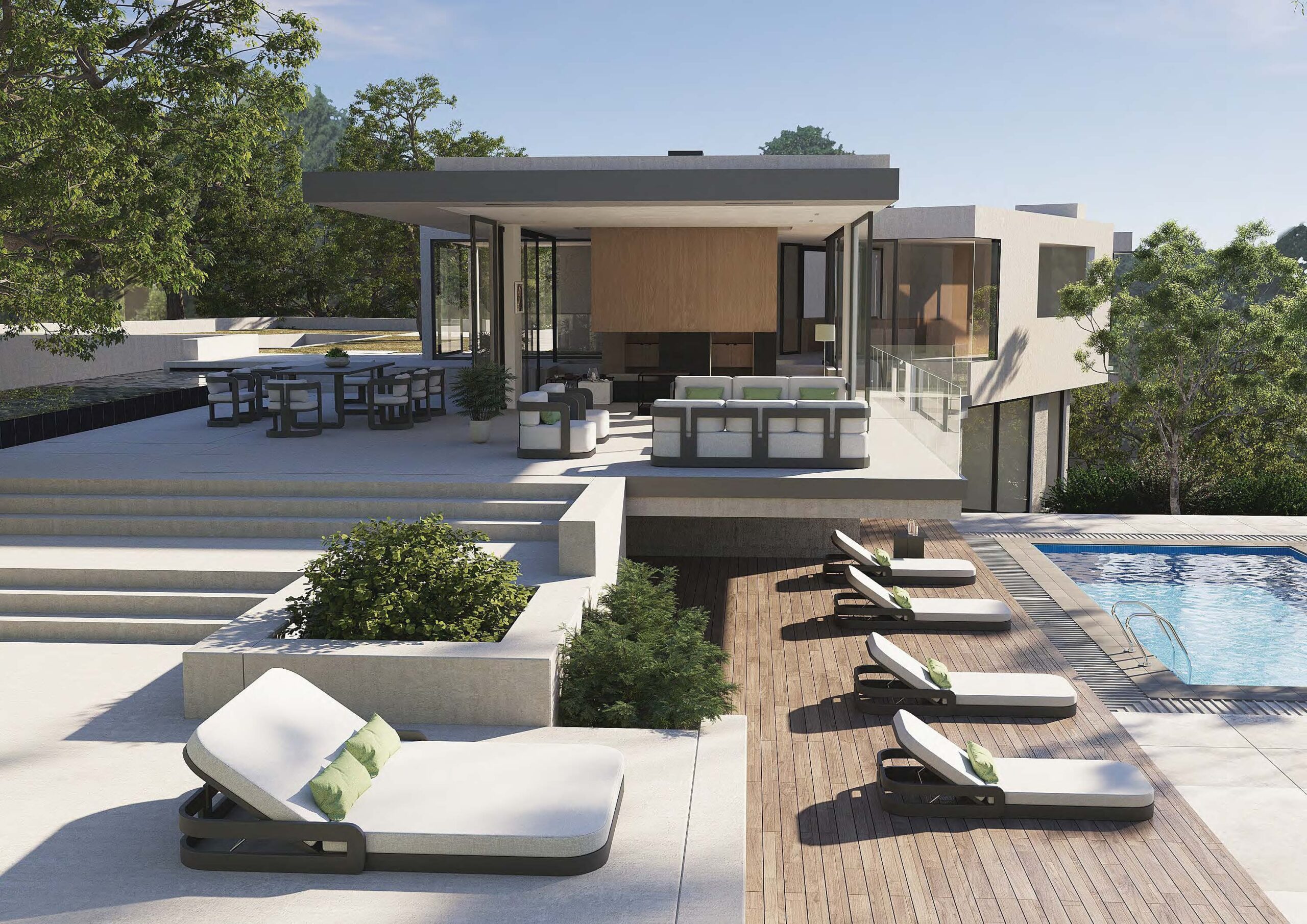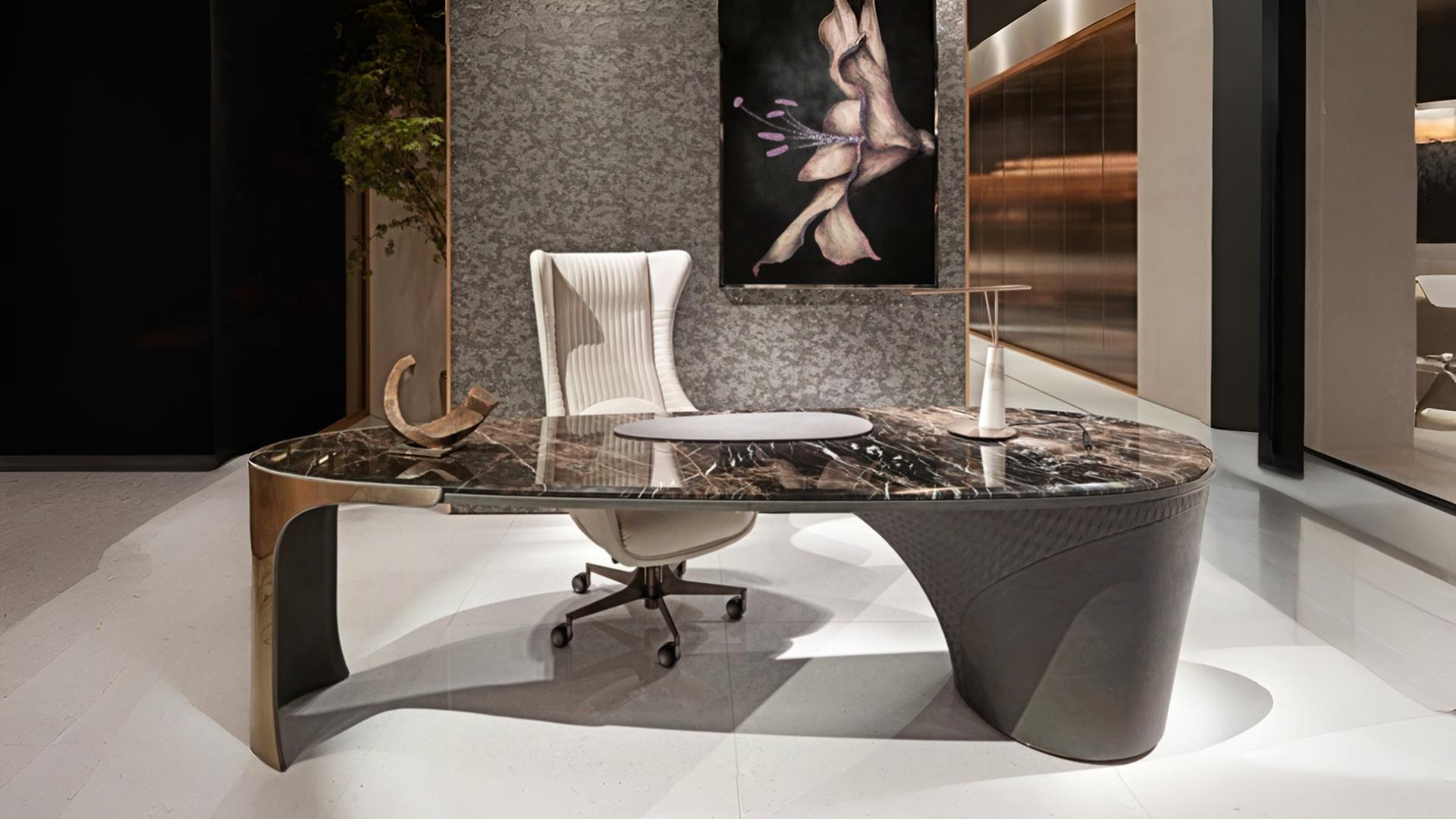
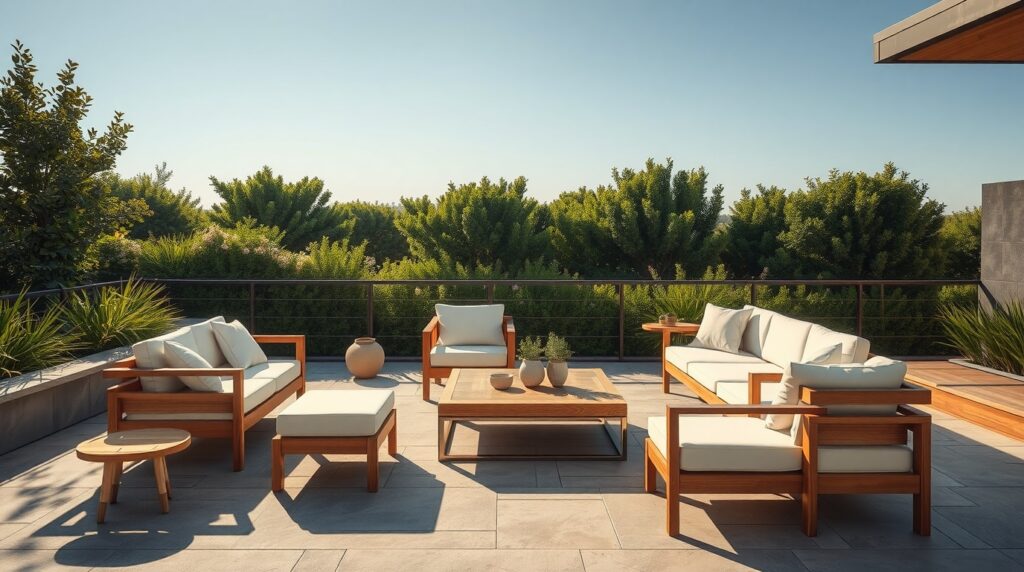
In an era where sustainability has become the new signature of good design, the concept of longevity takes centre stage. The most sustainable product is not necessarily the one made from the rarest recycled material, but the one that endures — season after season, decade after decade — without the need for replacement. Long-lasting, timeless outdoor designs are the quiet champions of eco-luxury living, reducing waste by resisting trends and embracing quality craftsmanship.
As consumers shift from fast furniture to investment pieces, the philosophy of “buy once, buy well” has re-emerged as a guiding principle. In outdoor furniture especially, where weather, fashion and lifestyle converge, timeless design and sustainable construction merge into a single imperative: reduce waste by creating beauty that endures.
The Longevity Imperative
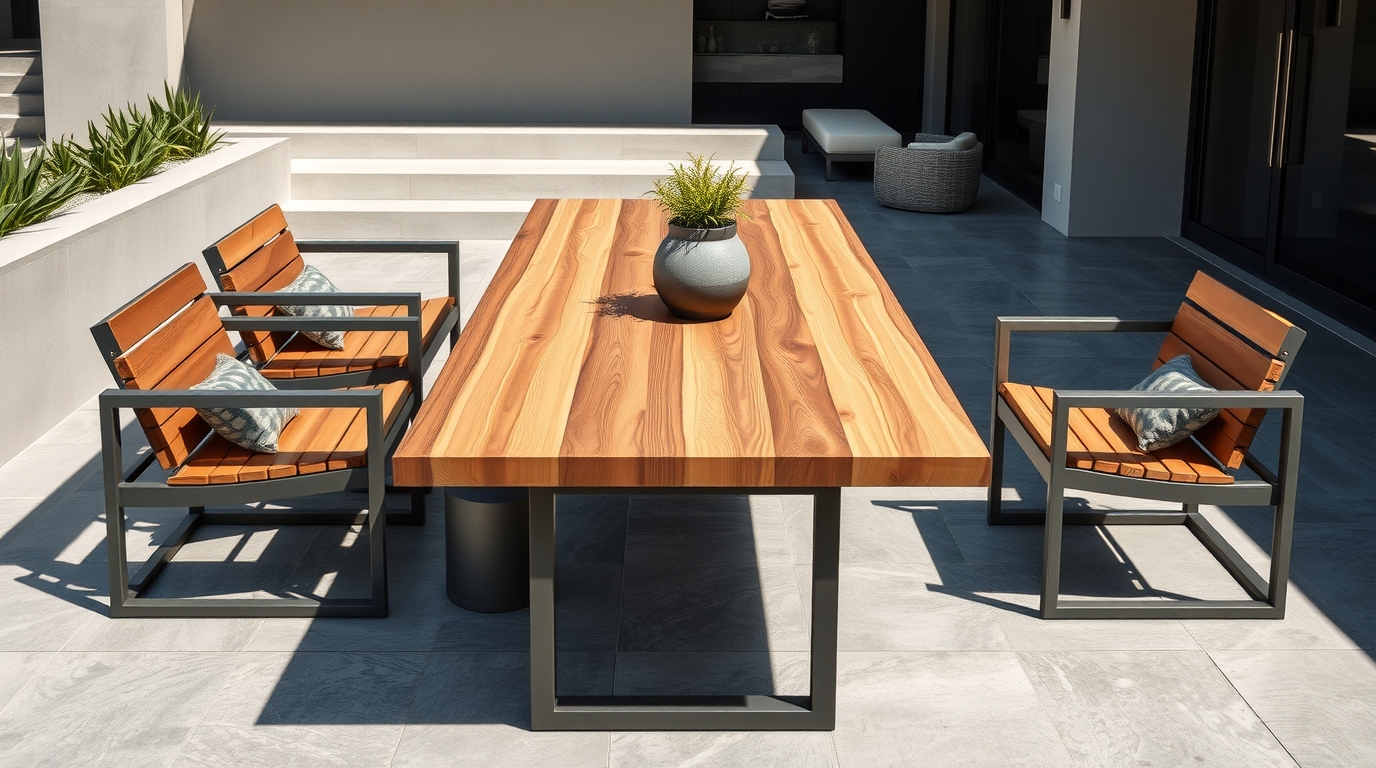
The outdoor environment tests materials more than any other. Heat, salt, humidity, and ultraviolet exposure can degrade lesser materials within years. By contrast, premium metals like aluminium and responsibly sourced teak, paired with advanced weatherproof fabrics such as olefin, deliver decades of service.
Each year that furniture survives without replacement reduces landfill waste, manufacturing emissions and transportation energy. Longevity is, therefore, the ultimate sustainability measure — the intersection where eco responsibility meets craftsmanship.
Designing Beyond Fashion
Timeless design transcends passing trends. The best outdoor collections rely on proportion, restraint and functionality rather than ornate excess. Clean lines, natural tones and balanced forms never date; they simply adapt to new surroundings and décor.
This conscious avoidance of disposable style is a rejection of planned obsolescence — the wasteful notion that furniture should be replaced every few years. Instead, outdoor pieces are created to evolve with the home, proving that true luxury doesn’t shout; it endures quietly.
Quality as a Sustainable Investment
Every element of a well-made outdoor piece — from its frame to its fastenings — contributes to sustainability. Precision welding, corrosion-resistant coatings, UV-stable textiles and replaceable cushions all extend life and usability.
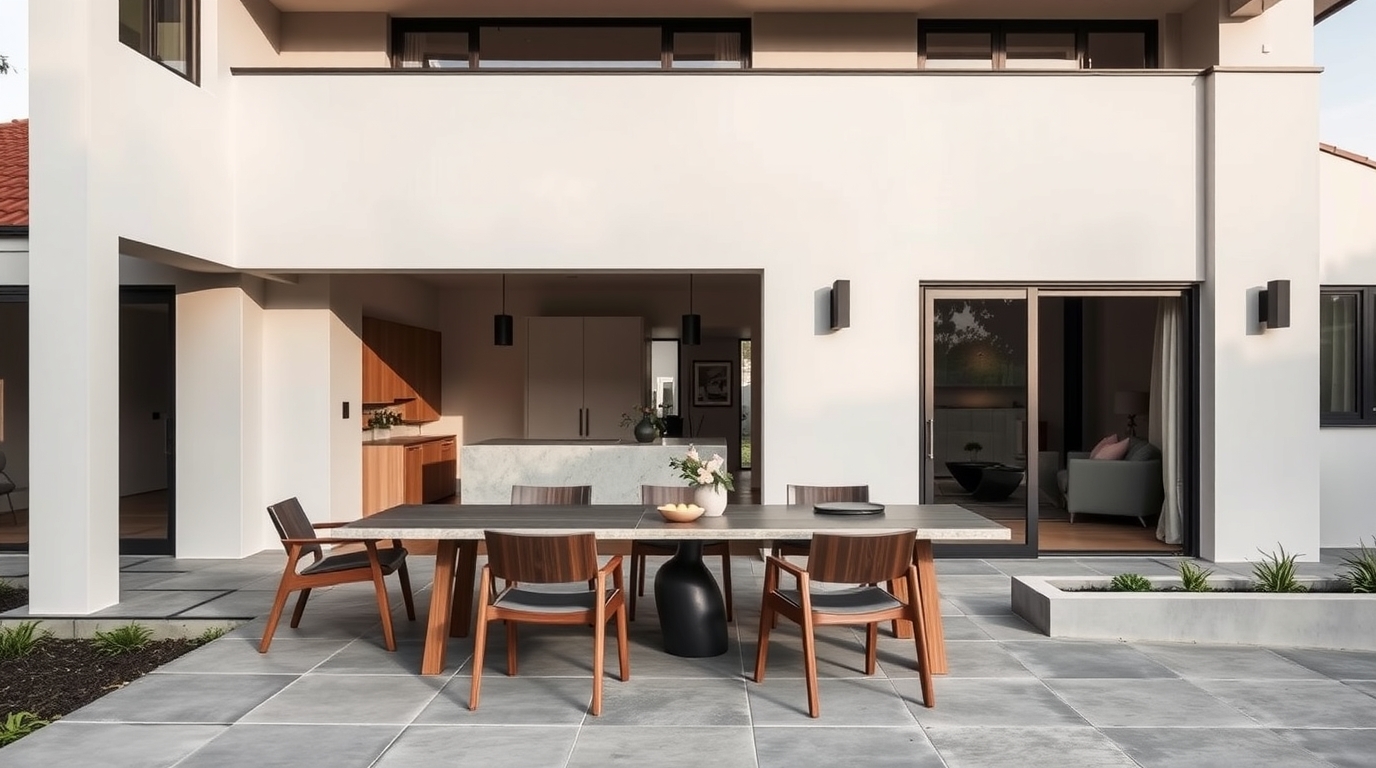
Manufacturers committed to eco-luxury now view durability as an ethical duty. Each long-lasting product represents fewer resources consumed over time. A family dining on the same outdoor table for twenty years creates an invisible legacy of sustainability — one built not on slogans but on restraint and respect for craftsmanship.
Modularity and Flexibility
Modular outdoor furniture offers sustainability through adaptability. As living spaces evolve, so too can modular seating arrangements, extensions or re-configurations. Rather than discarding entire settings, homeowners can expand or adjust existing pieces to suit new layouts.
This flexibility not only reduces waste but preserves emotional connection. Furniture that grows with a home gains sentimental value, encouraging care and retention rather than disposal.
Responsible Material Choices
Sustainability begins with materials. Recyclable aluminium frames, FSC-certified teak, and fabrics woven from solution-dyed olefin or recycled fibres all contribute to reducing waste at the source. These materials are inherently long-lasting, weather-resistant and low-maintenance, which means they don’t require frequent replacement or intensive upkeep.
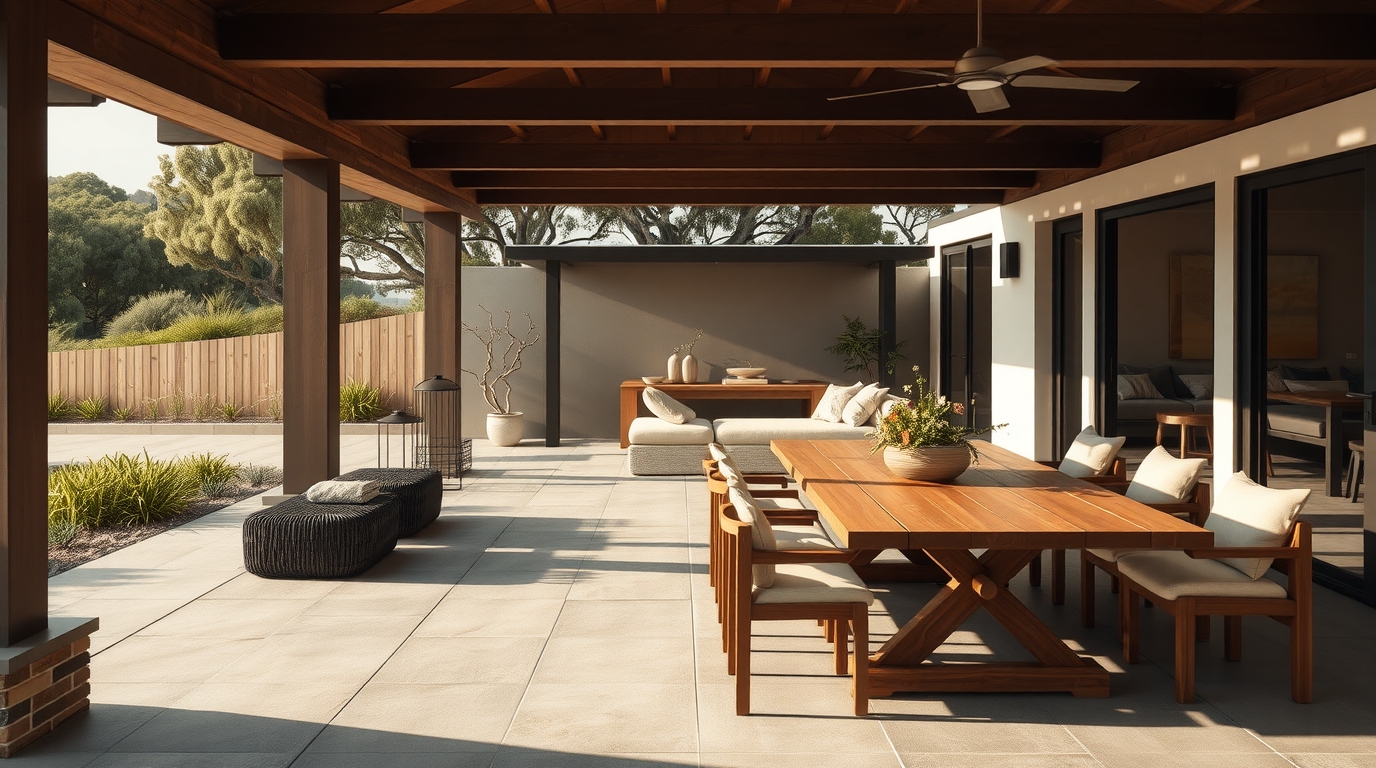
Designers increasingly select finishes that complement nature rather than compete with it — muted metallics, warm timber tones, and soft neutrals that harmonise with the Australian landscape. By staying true to classic palettes and proportions, they create products immune to seasonal fashion cycles.
Repair, Refurbish, Reuse
Another layer of sustainability lies in design for disassembly — the ability to replace or repair components rather than discard entire products. Removable cushion covers, standardised bolts, and modular joints make it easier for consumers to refurbish furniture themselves or through local repair services.
This approach keeps materials in circulation and supports circular economy principles. It’s a far cry from mass-produced outdoor furniture designed for obsolescence. Here, luxury is expressed through thoughtfulness, not waste.
Timeless Design and Emotional Durability
A piece that resonates emotionally is less likely to be replaced. When homeowners form attachments to their furniture — because it complements their home’s architecture or reminds them of memorable gatherings — they are more inclined to care for it. Emotional durability is an often-overlooked pillar of sustainability, yet it may be the most powerful of all.
Designers who understand this create furniture that feels familiar and personal. Subtle curves, human-centred proportions and tactile finishes all foster long-term affection, which naturally reduces waste.
Craftsmanship and Ethics
The rise of eco-luxury has revived an appreciation for craftsmanship. Hand-finished welds, precision joinery and sustainable coatings demonstrate a respect for material and maker alike. When people see and feel quality, they understand its value — and are far less likely to dispose of it casually.
This ethical craftsmanship also ensures fair working conditions, responsible sourcing, and transparency in production. In short, sustainable furniture design isn’t just about the planet; it’s about people too.
Minimising Waste in Production
Manufacturers striving for sustainability now employ computer-guided cutting systems to minimise scrap, closed-loop water systems to reduce waste, and recyclable packaging made from cardboard or plywood instead of foam or plastic. These practices complement the waste-reduction achieved by long-lasting design, forming a holistic sustainability model.
Even transport efficiency contributes. Lightweight aluminium frames and flat-packable modular systems reduce shipping emissions, further shrinking each product’s environmental footprint.
Aesthetic Restraint, Environmental Harmony
Timeless design finds beauty in simplicity. By focusing on form, balance and texture rather than ornamentation, designers ensure each piece remains relevant. In turn, consumers experience peace of mind knowing their furniture will look elegant not only this summer but for many seasons ahead.
This visual harmony supports mental wellbeing and encourages longer ownership — because when something continues to look beautiful, we simply keep it.
Luxury Re-defined: Reducing Waste with Long-Lasting Timeless Outdoor Designs
For the new generation of eco-conscious homeowners, luxury means peace of mind. It’s the knowledge that a beautiful setting isn’t adding to the world’s waste but actively reducing it through endurance. The same aesthetic excellence that defines luxury now intertwines with environmental integrity — a union that signals the future of design.
Long-lasting, timeless outdoor furniture embodies that philosophy. It is built not for fashion but for legacy, proving that sustainability and style are not parallel pursuits but shared principles of enduring good design.
Discover the beauty of enduring design — explore The Exclusive Home’s timeless outdoor collections that unite craftsmanship, sustainability, and effortless luxury for the modern Australian lifestyle.